Active Weekly

Keep Moving Forward

Keep Moving Forward

Keep Moving Forward

Mindful Fitness: Yoga and Pilates for Women’s Well-Being

Understanding Yoga and Pilates:

When it comes to staying fit and feeling good, you don’t need complicated workouts or fancy equipment. Two fantastic options, yoga and Pilates, offer a path to better well-being for women. In this article, let’s explore how these mindful movements can benefit your body and mind without diving into fitness jargon.

Yoga:

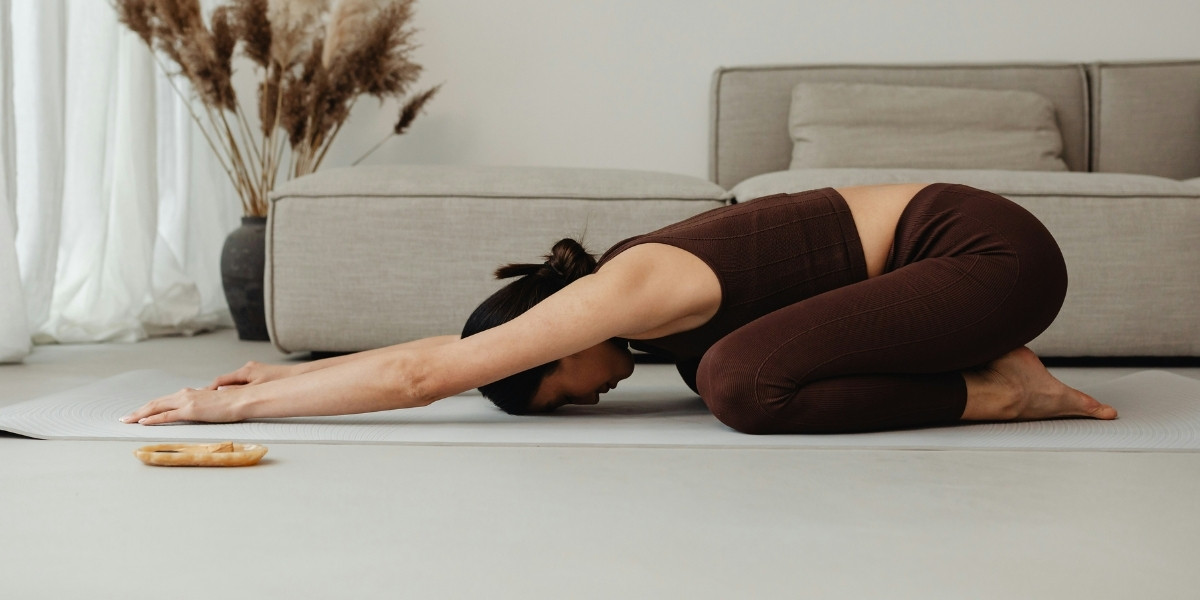
Imagine a blend of gentle stretches, balanced poses, and a focus on breathing. That’s yoga! It’s like a soothing dance for your body and mind.

Pilates:

Think of Pilates as a series of controlled movements that target specific muscles. It’s like a low-impact, muscle-toning party that also pays attention to your breath.

Benefits of Yoga:

1. Flexibility Boost:

Yoga helps you become more flexible, making everyday movements easier. It’s like giving your body a gentle stretch and saying, “Hey, you can move better now!”

2. Stress Relief:

The calm and slow movements in yoga can be a mini-vacation for your mind. It’s like telling stress, “You’re not welcome here!”

3. Mind-Body Connection:

Yoga encourages you to be present. It’s like pressing pause on the chaos around you and saying, “Right now, I’m here, and that’s enough.”

4. Better Posture:

Yoga is like a posture coach. The poses help you stand tall and proud, saying to slouching, “Not today!”

Benefits of Pilates:

1. Core Strength:

Pilates is a core powerhouse. It’s like giving your abs a gentle wake-up call and saying, “Hey, let’s get strong!”

2. Muscle Tone:

Those controlled movements in Pilates work wonders for your muscles. It’s like sculpting your body and saying, “Hello, toned arms and legs!”

3. Improved Stability:

Pilates is like a stability superhero. It helps you stay balanced, saying to wobbling, “Not on my watch!”

4. Joint-Friendly:

If high-impact exercises aren’t your thing, Pilates is your friend. It’s like a gentle hug for your joints, saying, “I’ll keep you safe!”

Making Mindful Movement a Habit:

1. Start Small:

You don’t need hours. Even 15-20 minutes of yoga or Pilates can make a difference. It’s like telling yourself, “Let’s just do a little today.”

2. Find What You Enjoy:

Whether it’s a calming yoga session or an energizing Pilates routine, pick what feels good. It’s like saying, “I’m doing this for me, and I love it!”

3. Consistency Matters:

Like any good habit, consistency is key. It’s like telling your body, “We’re in this together, and we’re going to feel amazing!”

4. Listen to Your Body:

If a pose feels uncomfortable, modify it. It’s like your body telling you, “I’m unique, and that’s okay. Let’s find what works for us.”

Yoga and Pilates aren’t about pushing yourself to the limit. They’re about celebrating what your body can do, finding peace in the movements, and creating a connection between your body and mind. So, whether you’re a beginner or have been curious about these mindful movements, give it a try. It’s like giving yourself a gift – the gift of feeling good from the inside out. Remember, it’s not about perfection; it’s about enjoying the journey to a healthier, happier you.

Embracing Body Diversity

Understanding Different Body Types to Love Your Own

In a world that often glorifies one narrow definition of beauty, it’s essential to recognize and celebrate the diverse range of body types that exist. Each individual possesses a unique physique shaped by genetics, lifestyle, and personal factors. By understanding and appreciating the beauty of different body types, we can learn to love and embrace our own bodies more fully. Here’s a closer look at various body types and why they all deserve to be celebrated:

Ectomorph

Ectomorphs are characterized by a lean and slender build with long limbs and a fast metabolism. They often find it challenging to gain weight or build muscle, but they tend to excel in endurance-based activities like running and cycling. While society may idealize a more muscular or curvaceous body type, ectomorphs should embrace their unique physique and appreciate the strength and agility that comes with their lean frame.

Mesomorph

Mesomorphs are often described as having a muscular and athletic build, with well-defined muscles and a naturally balanced physique. They tend to gain muscle mass and strength relatively easily and may excel in sports that require power and agility. While mesomorphs may conform more closely to societal beauty standards, it’s essential for them to recognize that beauty comes in all shapes and sizes, and their muscular build is just as worthy of admiration as any other body type.

Endomorph

Endomorphs typically have a softer and more rounded body shape, with a tendency to store fat more easily. They may struggle with weight management and find it challenging to maintain a slim figure, but they often possess strength and resilience that goes beyond physical appearance. Endomorphs should embrace their curves and appreciate the unique beauty and strength that comes with their body type.

Pear-Shaped

Pear-shaped individuals carry more weight in their hips, thighs, and buttocks, giving them a classic pear silhouette. While society may place a higher value on a more “hourglass” figure, pear-shaped individuals should celebrate their curves and recognize the beauty and femininity of their body shape. Embracing clothing styles that accentuate their waist and flatter their lower body can help pear-shaped individuals feel confident and comfortable in their own skin.

Apple-Shaped

Apple-shaped individuals carry more weight around their midsection, with less definition in the waist and a broader torso. While this body type may be less commonly represented in mainstream media, apple-shaped individuals should embrace their unique physique and appreciate the strength and vitality that comes with it. Choosing clothing styles that highlight their assets and create balance in their silhouette can help apple-shaped individuals feel more confident and empowered.

Hourglass

Hourglass figures are characterized by a well-defined waistline and proportionate bust and hips, creating a classic hourglass shape. While hourglass figures are often celebrated in popular culture, individuals with this body type may still struggle with body image issues and self-doubt. It’s essential for hourglass-shaped individuals to recognize that beauty comes in many forms and to appreciate the unique qualities of their own body shape.

Ultimately, embracing body diversity means celebrating the unique beauty of every individual, regardless of their shape, size, or appearance. Whether you’re an ectomorph, mesomorph, endomorph, pear-shaped, apple-shaped, hourglass, or any other body type, you deserve to love and appreciate your body for all that it is. By rejecting unrealistic beauty standards and embracing body positivity, we can create a more inclusive and accepting society where everyone feels valued and respected for who they are.

Understanding and appreciating different body types is essential for fostering self-love and body acceptance. By celebrating the diversity of human bodies and rejecting narrow beauty standards, we can create a culture of inclusivity and empowerment where everyone feels comfortable and confident in their own skin. So let’s embrace our unique bodies, celebrate our individuality, and spread love and acceptance to ourselves and others.

Embracing Body Positivity: Empowering Women to Love Themselves

The Essence of Body Positivity

In a society that often perpetuates unrealistic beauty standards, the movement towards body positivity has gained significant traction, especially among women. Embracing one’s body and fostering a culture of self-love are pivotal in challenging societal norms and promoting a positive body image.

Body positivity encourages women to celebrate their diverse shapes, sizes, and appearances. It challenges the conventional notions of beauty by emphasizing that every body is unique and deserving of acceptance. This shift in perspective aims to dismantle harmful stereotypes and foster a more inclusive environment for women of all backgrounds.

The influence of social media on body image cannot be understated. Platforms like Instagram and TikTok have become powerful tools for promoting body positivity but also present challenges. While they can be empowering, they also contribute to the unrealistic portrayal of beauty. Navigating this digital landscape requires a conscious effort to curate a positive and diverse online space.

Various organizations and movements champion the cause of body positivity, providing support and resources for women navigating their journey towards self-love. From online communities to local support groups, these networks play a crucial role in fostering a sense of belonging and encouraging women to embrace their bodies without judgment.

The Impact on Mental Health

The positive effects of body positivity on mental health extend far beyond mere self-esteem. In a society that often places immense pressure on women to conform to specific beauty standards, the mental health implications are profound. By challenging these societal expectations, the body positivity movement becomes a powerful force in alleviating the psychological burdens imposed on women.

The constant bombardment of unrealistic beauty ideals, perpetuated through media and cultural norms, can contribute to conditions such as anxiety, depression, and eating disorders. Embracing body positivity becomes a form of self-care, offering a shield against these detrimental mental health challenges. When women feel empowered to embrace their bodies without conforming to unrealistic standards, they experience a significant boost in their mental well-being.

Furthermore, body positivity serves as a preventative measure against the development of negative body image issues. By instilling these values from a young age, children and adolescents are equipped with the resilience to navigate societal pressures. Schools, families, and communities, therefore, play a pivotal role in fostering an environment that promotes mental health through the lens of body positivity.

The educational system can integrate programs that emphasize self-love, acceptance, and diversity, creating a foundation for future generations to build upon. Families can actively engage in open discussions surrounding body image, cultivating an atmosphere that encourages positive self-perception. Communities can organize events and initiatives that celebrate diverse body types, reinforcing the message that beauty comes in various forms.

In essence, the journey towards body positivity emerges as a multifaceted approach, impacting mental health at various stages of life. By challenging societal norms, fostering a supportive community, and instilling positive values from a young age, the movement paves the way for a generation of women who not only redefine beauty but also prioritize their mental well-being in the face of societal expectations. As the momentum of the body positivity movement continues to grow, so too does its potential to create a lasting and positive impact on the mental health landscape for women.

How to Stay Active and Energized During the Cold Months

Embracing Winter Wellness

As winter rolls in, staying active becomes a challenge for many people. The drop in temperature, shorter days, and the comfort of staying indoors can lead to a decrease in motivation and physical activity. However, maintaining an active lifestyle during the colder months is essential for both physical and mental well-being. This article provides practical strategies, motivational tips, and safety guidelines to help you stay active during the winter season, so you can embrace winter wellness and remain energized.

Read Also: Hair Transplant: Restoring Confidence with Modern Restoration

Combating Seasonal Affective Disorder (SAD)

The shorter days and reduced sunlight during winter can have a profound impact on mood. Many people experience Seasonal Affective Disorder (SAD), a type of depression that is often triggered by the lack of sunlight. Symptoms of SAD include fatigue, low energy, irritability, and difficulty concentrating. Exercise can be a powerful tool in combating these symptoms. Physical activity boosts serotonin levels in the brain, improving mood and reducing feelings of depression. Whether through outdoor activities or indoor workouts, staying active during the winter months can help offset the mood changes associated with reduced sunlight.

Indoor Activity Options

When it’s too cold or snowy to head outside, there are plenty of indoor exercise alternatives to keep your fitness levels in check. Staying active indoors can be just as effective as outdoor exercise, and it offers the comfort of warmth. Here are a few indoor activities to consider:

  • Home Workouts: Set up a space in your living room for bodyweight exercises like squats, lunges, push-ups, and planks. These exercises require no equipment and can be done in short bursts.

  • Gym Routines: If you have access to a gym, consider weight training, cycling, or using cardio machines like the treadmill or elliptical.

  • Yoga and Pilates: These low-impact exercises focus on flexibility, strength, and relaxation, making them a great option for reducing stress and maintaining balance during the winter months.

  • Dance Fitness: Dance-based workouts, like Zumba or hip-hop, are not only fun but also effective for getting your heart rate up and improving cardiovascular health.

  • Virtual Classes: Many fitness instructors now offer online classes, giving you the flexibility to work out at home and try new exercises from the comfort of your own space.

Outdoor Winter Activities (with Safety Considerations)

While winter weather can make outdoor activities seem daunting, there are plenty of enjoyable and energizing outdoor exercises that can be safely enjoyed during the colder months. From winter sports to leisurely outdoor walks, staying active outside is a great way to embrace the season. However, it’s important to take proper precautions to ensure your safety:

  • Snowshoeing and Cross-Country Skiing: These activities provide an excellent full-body workout while allowing you to enjoy the beautiful winter landscape. Make sure to dress in layers, wear appropriate footwear, and be mindful of your surroundings to avoid injury.

  • Ice Skating: A fun and social winter activity, ice skating is a fantastic way to improve balance and coordination while enjoying the winter air.

  • Winter Hiking: With the right footwear and gear, winter hiking can be just as rewarding as hiking in other seasons. Ensure you’re prepared with warm clothing and check trail conditions to avoid icy paths.

Before heading out, it’s essential to layer up with moisture-wicking clothing, a warm jacket, gloves, and a hat to protect against the cold. Always warm up before starting any outdoor activity, and take extra care to avoid slips and falls on icy surfaces.

Motivation and Mindset

Staying motivated to exercise during the winter months can be difficult. The cold weather, combined with the allure of cozy indoor spaces, can make it easy to skip workouts. Here are some strategies to help you stay on track:

  • Set Realistic Goals: Break your fitness goals into small, achievable steps. Celebrate small wins to keep you motivated and focused.

  • Find an Exercise Buddy: Having a workout partner can make exercising more enjoyable and provide accountability. Whether you exercise indoors or outdoors, sharing the experience can boost your commitment.

  • Make It Enjoyable: Choose activities that you truly enjoy. If you find winter sports or home workouts fun, you’ll be more likely to stick with them.

  • Focus on the Benefits: Remind yourself of the mental and physical benefits of staying active. From improving mood to boosting energy levels, exercise can help you feel better and keep you energized throughout the season.

Nutrition for Winter Activity

Staying active in winter requires proper nutrition to fuel your body and keep your immune system strong. Cold weather can put extra stress on your body, so it’s essential to consume nutrient-dense foods that support your energy levels:

  • Nutrient-Rich Foods: Incorporate a variety of fruits, vegetables, lean proteins, and whole grains into your diet to ensure your body has the nutrients it needs to perform at its best.

  • Hydration: It’s easy to forget to drink water during winter since we don’t feel as thirsty as we do in warmer months. However, staying hydrated is just as important in winter to support your energy levels and overall health.

  • Healthy Fats: Include healthy fats from sources like avocados, nuts, and seeds, which can help keep you feeling full and energized for longer periods.

Adapting Exercise Routines

Exercising during colder months may require adjusting your routine to accommodate the weather. Cold temperatures can affect your muscles, so it’s important to adapt your routine to stay safe and avoid injury:

  • Warm-Up and Cool-Down: Take extra time to warm up before exercising and cool down afterward. Cold muscles are more prone to injury, so a proper warm-up will help prepare your body for movement.

  • Modify Intensity: If you’re exercising outside, consider reducing the intensity of your workout to account for the cold. You can always increase the intensity once you’re accustomed to the weather.

Addressing Common Winter Exercise Challenges

Exercising in winter presents its own set of challenges. Here are some solutions to help you overcome common barriers:

  • Dealing with Icy Conditions: If you’re walking or running outside, wear shoes with good grip to avoid slipping on ice. Alternatively, consider using ice grips or cleats for extra traction.

  • Staying Warm: Layer your clothing to retain body heat while allowing moisture to escape. Wear a moisture-wicking base layer, an insulating middle layer, and a waterproof outer layer.

Read Also: Tips and Hacks for Organizing Your Hobby Supplies

  • Overcoming Motivation Barriers: Set a routine, find a workout partner, and remind yourself of the mental benefits of staying active. Even short, low-intensity workouts can have a significant impact on your health.

Staying active during the winter months is essential for both your physical and mental health. Whether you prefer indoor exercises, outdoor winter sports, or a combination of both, there are plenty of options available to help you maintain your fitness routine throughout the colder seasons. With the right mindset, proper nutrition, and safety considerations, you can embrace winter wellness and stay energized all season long.

Realistic Tips for Achieving a Defined Waistline Through Healthy Habits

Achieving a defined waistline is a popular fitness goal, but it’s important to approach this objective with a balanced, holistic mindset. The concept of spot reduction — the idea that you can target fat loss in specific areas like your waist — is a myth. Instead, achieving a narrower waistline involves a combination of full-body fat loss, strengthening exercises, and healthy lifestyle changes. This article offers a comprehensive guide to sculpting a defined waistline through realistic, sustainable habits.

Read Also: Fitness for Every Goal: Tailoring Your Workout Routine

Understanding Body Composition

To successfully sculpt a defined waistline, it’s crucial to understand body composition. Unlike what many might think, targeting fat loss in a specific area through exercises like side bends or crunches is ineffective. Overall fat loss is the key to reducing body fat, including around the waist. This means focusing on improving your overall fitness rather than attempting to spot reduce fat.

Assessing your body fat percentage is an essential first step in setting realistic goals. It helps determine where you currently stand and how much fat you need to lose to see changes in your waistline. Most people will begin to notice significant changes once their body fat percentage drops below 20%, though the exact number can vary depending on genetics and body type.

Targeted Exercise Strategies

While spot reduction is a myth, targeted exercises can still help tone the muscles around your waistline, providing more definition as you lose overall fat. Exercises that strengthen the core and obliques are particularly effective. These muscles support your posture and help create a visually narrower waist.

Here are some effective exercises to incorporate into your routine:

  • Planks: A fundamental core exercise that engages the entire body, improving strength and stability.

  • Crunches: A classic exercise for strengthening the abdominals.

  • Russian Twists: This exercise targets the obliques, which are essential for waistline definition.

  • Side Bends: While not a miracle solution, side bends can help tone the obliques and improve flexibility in the waist area.

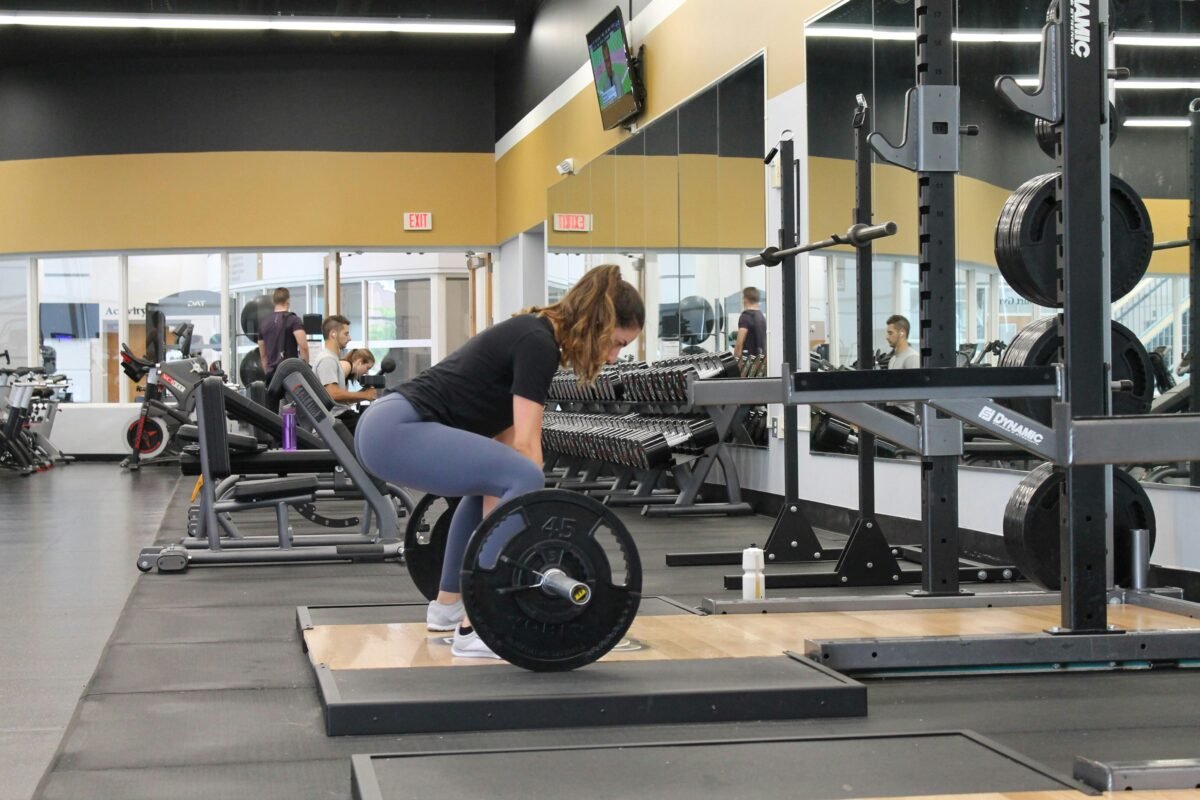
Additionally, incorporating compound exercises like squats and deadlifts is important. These full-body movements burn more calories and support fat loss, which is essential for sculpting your waistline.

Nutritional Guidance

Diet plays a vital role in achieving a defined waistline. No amount of exercise can make up for a poor diet, so adopting healthy eating habits is key to sustainable results. A well-balanced diet that includes whole foods, lean protein, and plenty of fiber will support your fat loss goals.

Start by focusing on:

  • Managing caloric intake: To lose fat, you must burn more calories than you consume. This doesn’t mean starving yourself, but rather creating a slight caloric deficit through mindful eating.

  • Controlling portion sizes: Overeating healthy foods can still contribute to weight gain, so be mindful of portion sizes, especially when consuming calorie-dense foods like nuts and oils.

  • Informed food choices: Opt for nutrient-dense foods like leafy greens, lean meats, and complex carbohydrates that provide energy and keep you feeling full longer.

Avoid processed foods, excessive sugar, and unhealthy fats that contribute to weight gain, particularly in the abdominal area.

Cardiovascular Exercise for Fat Loss

Cardio exercises are crucial for burning calories and reducing overall body fat. A lower body fat percentage reveals more definition in areas like the waist. Incorporating both high-intensity interval training (HIIT) and steady-state cardio into your routine will keep your metabolism active and support fat loss.

  • HIIT: This type of cardio involves short bursts of intense exercise followed by brief rest periods. HIIT is effective at burning fat and boosting metabolism even after the workout ends.

  • Steady-State Cardio: Activities like jogging, cycling, or swimming at a moderate pace are excellent for sustained calorie burning.

  • Active Recovery: Engaging in low-impact activities such as walking or light stretching helps your body recover while still burning calories.

Stress Management and Hormonal Balance

One often overlooked factor in achieving a defined waistline is stress management. Chronic stress raises cortisol levels, a hormone that plays a significant role in fat storage, particularly around the abdominal area. Managing stress through relaxation techniques can help prevent cortisol from negatively impacting your waistline goals.

Some effective stress-reduction practices include:

  • Yoga: Helps relieve stress and tension, promotes relaxation, and improves flexibility.

  • Meditation: A mindfulness practice that helps calm the mind and reduce stress.

  • Adequate Sleep: Poor sleep increases cortisol and disrupts fat-burning processes, so aim for 7-9 hours of restful sleep each night.

Posture and Core Engagement

Having proper posture and engaging your core throughout daily activities can have a significant impact on your waistline. By actively engaging your core muscles while standing, sitting, or walking, you strengthen the muscles that help define your waist.

Here are some tips for improving posture and engaging your core:

  • Stand tall with your shoulders back: This promotes a straight spine and engages the core.

  • Practice core activation exercises: Try simple exercises like pelvic tilts or deep belly breathing to strengthen the deep core muscles that contribute to a slim waistline.

Sustainable Lifestyle Habits

Sculpting a defined waistline is not about quick fixes or restrictive diets. It’s about creating long-term, sustainable habits that support your overall health. Stay motivated by tracking progress, celebrating small wins, and focusing on how far you’ve come, rather than obsessing over the number on the scale.

Here are some strategies for maintaining your healthy lifestyle:

  • Set realistic goals: Focus on the process, not just the outcome.

  • Stay consistent: Consistency is key to seeing lasting results.

  • Find support: Whether it’s through a fitness buddy, a coach, or online communities, having support can help keep you on track.

Read Also: How to Stay Active and Energized During the Cold Months

Dispelling Myths and Misconceptions

There are numerous myths surrounding waistline reduction, and it’s important to approach these with a critical eye. Waist trainers, for example, are marketed as a quick solution for slimming the waist, but they don’t lead to permanent fat loss and can be harmful to your health. Similarly, restrictive diets may offer temporary results but are often unsustainable in the long run.

Instead, focus on evidence-based strategies such as balanced nutrition, regular exercise, and stress management to achieve and maintain a healthy waistline.

Maximize Muscle Growth with These Workout Splits

When it comes to building muscle mass, the way you structure your workout routine plays a pivotal role in your progress. Whether you’re a beginner or an experienced lifter, understanding the importance of a workout split is essential to target specific muscle groups and achieve optimal results. This guide will dive into different types of workout splits, the exercises you should incorporate, and nutritional tips to support muscle growth.

Read Also: Understanding Body Neutrality: Embracing Your Body for What It Can Do

What Is a Workout Split and Why Is It Important?

A workout split refers to the way you organize your training schedule, deciding which muscle groups to work on specific days. The goal is to target different areas of the body, ensuring that each muscle group has time to recover while you focus on others.

The workout split you choose will depend on your goals, fitness level, and how many days per week you can commit to exercising. Properly alternating between upper and lower body days, or focusing on one muscle group at a time, allows you to train harder, boost muscle growth, and avoid overtraining.

Types of Workout Splits

There are several popular workout splits you can follow. Each one has its own benefits, and you should select one based on your schedule, fitness goals, and ability to recover.

1. Full Body Split (3 Days a Week)

A full-body workout split targets all major muscle groups in one session, typically performed 3 times a week. This routine is ideal for beginners or those with limited training time. It’s efficient because it allows you to work on all muscle groups while giving your body ample recovery time between sessions. Exercises typically include:

  • Squats
  • Deadlifts
  • Push-ups
  • Pull-ups
  • Bench Press

This workout split ensures that you’re hitting all muscle groups and giving them time to recover before your next session.

2. Upper/Lower Split (4 Days a Week)

The upper/lower split alternates between working the upper and lower body. For example, you might train the upper body on Mondays and Thursdays, and the lower body on Tuesdays and Fridays. This split allows you to focus on strength and hypertrophy (muscle growth) while giving each muscle group enough rest between sessions. Common exercises include:

  • Upper Body Days: Bench press, rows, shoulder press, bicep curls, tricep dips
  • Lower Body Days: Squats, lunges, deadlifts, calf raises

By splitting your workouts into upper and lower body days, you allow for a more intense focus on each area, optimizing muscle growth.

3. Push/Pull/Legs Split (3-6 Days a Week)

The push/pull/legs split divides your routine into three types of movement patterns: pushing, pulling, and leg exercises. This split allows for 3, 4, or even 6 training days per week depending on your goals and how much time you can devote to the gym.

  • Push Days: Targeting pushing movements such as bench press, overhead press, and tricep extensions
  • Pull Days: Focusing on pulling exercises like deadlifts, pull-ups, and rows
  • Leg Days: Lower body exercises like squats, lunges, and leg press

This workout split is perfect for more advanced lifters or those looking to increase training volume. By focusing on specific movement patterns, you maximize muscle engagement and growth.

4. Body Part Split (5-6 Days a Week)

The body part split, also known as the “bro split,” targets one muscle group per day. You would typically train each muscle group once per week, with a training frequency of 5-6 days a week. For example:

  • Monday: Chest
  • Tuesday: Back
  • Wednesday: Shoulders
  • Thursday: Legs
  • Friday: Arms (biceps and triceps)

This type of workout split is most suitable for intermediate to advanced lifters who have the time and recovery ability to train frequently. It allows you to fully isolate and exhaust one muscle group during each session, promoting muscle hypertrophy.

Effective Exercises to Include in Your Workout Routine

Incorporating the right exercises into your workout split is crucial for muscle growth. Here are some essential exercises for each muscle group:

Chest

  • Barbell Bench Press
  • Dumbbell Chest Press
  • Push-Ups
  • Chest Flyes

Back

  • Pull-Ups
  • Deadlifts
  • Barbell Rows
  • Lat Pulldowns

Shoulders

  • Overhead Shoulder Press
  • Lateral Raises
  • Arnold Press
  • Front Raises

Legs

  • Squats
  • Lunges
  • Deadlifts
  • Leg Press

Arms

  • Bicep Curls
  • Tricep Dips
  • Hammer Curls
  • Skull Crushers

By including these compound and isolation exercises in your workout split, you’ll ensure balanced muscle development and overall strength improvement.

Nutrition Tips to Support Muscle Growth

A well-balanced nutrition plan is just as important as your workout split when it comes to building muscle mass. Here are some nutrition tips to help fuel your muscles and maximize growth:

1. Protein

Protein is essential for muscle repair and growth. Aim to consume 1.6–2.2 grams of protein per kilogram of body weight daily. Sources include chicken, fish, lean beef, eggs, tofu, and legumes.

2. Carbohydrates

Carbs are your body’s primary source of energy, especially during intense workouts. Include complex carbs like brown rice, sweet potatoes, oats, and whole grains to fuel your body for effective workouts.

3. Healthy Fats

Healthy fats support overall health and hormone production, including muscle-building hormones like testosterone. Include sources like avocados, olive oil, nuts, and seeds.

4. Hydration

Staying hydrated is key for optimal muscle function. Drink plenty of water throughout the day, especially during and after your workout.

5. Caloric Surplus

To build muscle, you need to be in a slight caloric surplus, meaning you should consume more calories than you burn. This ensures your body has enough energy to support muscle growth.

How to Choose the Right Workout Split for You

Choosing the best workout split depends on various factors, including your experience level, fitness goals, and time commitment. If you’re just starting, a full-body split may be more suitable. However, if you’re looking for increased intensity and more focus on specific muscle groups, consider progressing to an upper/lower split or push/pull/legs structure.

Read Also: Fitness for Every Goal: Tailoring Your Workout Routine

For advanced lifters with a more flexible schedule, the body part split offers maximum isolation and volume for each muscle group, which is crucial for muscle growth and strength development.

Understanding the right workout split and complementing it with the proper exercises and nutrition is key to achieving muscle growth. Whether you’re looking for a full-body approach or focusing on individual muscle groups, the right workout split can help you maximize your efforts and reach your fitness goals faster. Always remember that consistency, dedication, and proper recovery are just as important as the exercises you perform.

Disclaimer: This article is for informational purposes only and should not be considered medical or fitness advice. Always consult with a qualified healthcare professional or certified fitness trainer before starting any workout split or exercise program. Individual results may vary based on factors such as fitness level, nutrition, and recovery.

Published by Drake M.

Fitness Tips to Correct Slouching and Improve Spinal Health

Correcting Slouching with Fitness: Strengthening Your Posture Through Exercise

Slouching is a common problem that can affect our posture, confidence, and even our health. Over time, bad posture, particularly slouching, can lead to discomfort, muscle imbalances, and increased pressure on the spine. Fortunately, corrective fitness exercises can help improve posture, strengthen the muscles responsible for good alignment, and alleviate the negative effects of slouching.

Read Also: How to Stay Active and Energized During the Cold Months

Why Slouching Happens

Slouching is typically caused by a combination of poor posture habits, weak muscles, and tightness in certain areas of the body. When we slouch, our spine loses its natural alignment, leading to a rounded back, forward head posture, and hunched shoulders. This can happen from long periods of sitting, especially in front of computers or on mobile devices, or from physical inactivity.

As we age, the muscles that support the spine naturally weaken, and the connective tissue can become stiff. Without regular movement or exercises to strengthen the body, slouching becomes more likely. Additionally, slouching can contribute to poor breathing, digestive issues, and even headaches, making it important to take steps to correct it.

How Fitness Can Correct Slouching

Correcting slouching through fitness involves focusing on strengthening the muscles that support good posture, while also addressing tight areas that can contribute to poor alignment. Proper fitness routines can help re-establish the natural curve of the spine and promote a more upright stance. Here’s how fitness exercises help:

1. Strengthening Postural Muscles

The muscles that help maintain good posture, such as the upper back, shoulders, and core, need to be strong and active to hold the spine in alignment. Fitness exercises can target these areas to build strength, allowing the body to support an upright posture more naturally.

2. Stretching Tight Muscles

Certain muscles, like the hip flexors, chest, and neck, tend to become tight when slouching is habitual. Stretching these areas can help lengthen the muscles, release tension, and restore proper alignment.

3. Improving Flexibility and Mobility

Fitness routines that focus on increasing flexibility and mobility, especially in the spine, can help improve the body’s ability to move freely and align properly. Mobility exercises are especially important for people who spend long hours sitting.

4. Building Awareness and Mind-Muscle Connection

Fitness training helps individuals become more aware of their body’s alignment and posture. By focusing on posture during exercises, people can develop a better mind-muscle connection, making it easier to maintain good posture throughout daily activities.

Best Fitness Exercises to Correct Slouching

There are several types of exercises that can specifically target slouching by strengthening weak muscles and stretching tight ones. Here are some of the most effective movements to correct slouching and improve posture:

1. Chest Openers and Stretching

Slouching often causes the chest muscles to tighten, pulling the shoulders forward. Stretching the chest can help release this tension.

  • How to Do It: Stand tall, interlace your fingers behind your back, and straighten your arms. Gently lift your arms upward and slightly back, opening up your chest and stretching the front of your shoulders.

  • Benefit: This exercise stretches the chest muscles, counteracting the forward pull and helping to open up the upper body.

2. Rows and Reverse Flys

These exercises target the upper back, particularly the muscles responsible for pulling the shoulders back and maintaining an upright posture.

  • How to Do It: Using dumbbells or a resistance band, bend forward at the hips with a straight back. Pull the weights toward your body, squeezing the shoulder blades together. In reverse flys, open the arms out to the sides while keeping the elbows slightly bent.

  • Benefit: Strengthens the upper back muscles, including the rhomboids, trapezius, and rear deltoids, which are crucial for good posture.

3. Planks

A strong core is essential for maintaining proper posture. The plank is one of the best exercises for engaging the core muscles, which help stabilize the spine and support good alignment.

  • How to Do It: Begin by lying face down and lifting your body off the floor, resting on your toes and forearms. Keep your body in a straight line from head to heels. Hold this position for as long as possible.

  • Benefit: Strengthens the abdominals, lower back, and obliques, all of which contribute to better posture and spine stability.

4. Cat-Cow Stretch

The cat-cow stretch is a dynamic movement that improves spinal flexibility and encourages proper alignment through gentle mobility work.

  • How to Do It: Start on all fours with your wrists under your shoulders and knees under your hips. Inhale and arch your back (cow), lifting your chest and tailbone toward the ceiling. Exhale and round your back (cat), tucking your chin and drawing your belly button toward your spine.

  • Benefit: This stretch helps maintain spinal mobility, releases tension in the back and neck, and promotes better posture.

5. Shoulder Blade Squeezes

Shoulder blade squeezes are simple exercises that strengthen the muscles between the shoulder blades, helping to pull the shoulders back and combat slouching.

  • How to Do It: Sit or stand with your back straight. Pull your shoulders back and squeeze your shoulder blades together as tightly as you can. Hold for a few seconds, then release.

  • Benefit: Strengthens the muscles of the upper back and shoulders, encouraging an upright posture and reducing slouching.

6. Bridges

The bridge exercise targets the glutes, hamstrings, and lower back, helping to support the lower half of the body, which is key for good posture and stability.

  • How to Do It: Lie on your back with your knees bent and feet flat on the floor. Press your hips upward, squeezing your glutes at the top of the movement, then slowly lower your hips back down.

  • Benefit: Strengthens the glutes and lower back muscles, which support the pelvis and help maintain proper alignment.

Tips for Maintaining Good Posture in Daily Life

In addition to fitness exercises, here are some everyday tips to help maintain good posture:

  • Be mindful of posture: Regularly check in with your posture throughout the day, especially when sitting or standing for long periods.

  • Use ergonomic furniture: Ensure that your workstation and seating are properly aligned to support your back, shoulders, and neck.

  • Take regular breaks: If you’re sitting for long hours, get up, stretch, and walk around every 30-60 minutes to prevent stiffness and improve circulation.

  • Avoid slumping when sitting: Sit with your back straight, shoulders relaxed but not rounded, and feet flat on the floor to maintain proper alignment.

Read Also: Lower Back Exercises That Help Improve Posture Naturally

Fitness for Better Posture

Correcting slouching through fitness is one of the most effective ways to improve posture, alleviate discomfort, and prevent long-term health issues related to poor alignment. By strengthening the muscles that support the spine, stretching tight areas, and practicing mindful posture habits, we can combat the effects of slouching and maintain better mobility as we age. Incorporating exercises like rows, planks, and chest openers into your routine can make a significant difference in how you feel and move every day.

Remember, good posture isn’t just about standing up straight—it’s about creating a balanced, strong body that supports healthy movement and overall well-being.

Lower Back Exercises That Help Improve Posture Naturally

Why Does the Lower Back Play a Key Role in Posture?

The lower back does more than support movement—it’s a central player in posture. When it’s weak or tense, the entire body feels it. Everyday actions like standing, walking, and sitting depend on the alignment that starts in the spine. If the lower back isn’t aligned, the rest of the body adjusts in ways that cause discomfort or fatigue.

Posture experts often point to the lower back as the base of support. It connects the spine to the pelvis and stabilizes the torso. When muscles in that region are strong and flexible, the spine holds its natural curve. Without that strength, posture begins to collapse, and energy drains faster throughout the day.

Read Also: The Psychology Behind Exercise and Long-Term Motivation

What Causes Lower Back Tension and Weakness?

Modern routines create conditions that challenge the lower back. Long hours at desks, repeated lifting, or even high-stress environments can all lead to imbalance. Sitting for too long causes certain muscles to shorten while others stretch and weaken. The lower back ends up compensating, which builds chronic tension.

Muscle imbalances are a common issue. Tight hip flexors can pull the pelvis forward, creating an exaggerated curve in the lower back. On the other hand, weak glutes and core muscles force the spine to take on extra work. These patterns happen gradually but have lasting effects on posture and comfort.

How Can Targeted Exercises Strengthen the Lower Back?

The most effective way to support posture is through regular movement that activates and balances the lower back. Controlled, low-impact exercises build strength without putting extra pressure on joints. These movements also help retrain the body to hold itself upright throughout the day.

A foundational approach begins with simple movements like bridges, bird-dogs, and pelvic tilts. These exercises engage deep stabilizing muscles. Over time, they restore strength and coordination. What matters most is consistency—just a few minutes daily can build noticeable results.

Gentle stretching also plays a role. It releases tension and increases flexibility in the muscles surrounding the spine. When done correctly, it supports alignment without causing strain. Movements that combine stretching and strength, like certain yoga poses, offer a balanced path to better posture.

Why Is Core Engagement Essential to Lower Back Support?

Posture isn’t just about the back—it’s about everything that supports it. The core, made up of abdominal, pelvic, and deep spinal muscles, stabilizes every movement. Without strong core engagement, the lower back takes on too much responsibility.

Strengthening the core doesn’t mean doing endless crunches. Instead, it means activating muscles that work together to keep the spine in a neutral position. Movements like planks, side planks, and stability ball exercises offer deep activation without straining the lower back.

When core strength improves, the lower back naturally becomes more efficient. It stops overworking and starts cooperating with other muscle groups. This shift not only improves posture but also reduces the risk of injury during daily tasks.

How Can Posture-Friendly Habits Reinforce Lower Back Exercises?

Exercise alone isn’t enough. Daily habits determine whether progress sticks or fades. How someone sits, stands, and even sleeps can either support or undo the work of training the lower back.

Adjusting workspaces helps maintain spinal alignment. Sitting with knees slightly lower than hips, feet flat on the floor, and shoulders relaxed takes pressure off the spine. Standing regularly, walking briefly every hour, and avoiding slouching keep the lower back from tightening.

Mind-body awareness is also powerful. People who tune in to how their body feels during the day are more likely to notice when posture slips. This awareness allows for quick adjustments and reinforces what is gained from exercises.

Read Also: How to Stay Active and Energized During the Cold Months

Are These Exercises Safe for Everyone?

Most lower back exercises are safe when done with control and attention. However, individual needs vary. Those with existing injuries or medical conditions should check with a healthcare provider before starting a new routine.

Proper form is essential. Moving too quickly or forcing range of motion can cause strain. Starting slowly, using guidance from qualified instructors, and focusing on quality over quantity ensures safe progress.

Over time, a personalized routine builds both confidence and strength. The body begins to move more efficiently, and posture becomes something that happens without effort. That shift brings energy, comfort, and resilience to daily life.

The History of Yoga: From Ancient Traditions to Modern Practice

The History of Yoga: A Journey Through Time

Yoga is much more than just a form of physical exercise—it is a spiritual, mental, and physical practice that has been passed down through generations for thousands of years. Originating in ancient India, yoga has evolved significantly, blending with various cultural, philosophical, and religious traditions, while maintaining its core principles of balance, mindfulness, and unity. Today, yoga is practiced by millions of people around the world, not only for its physical benefits but also for its ability to foster inner peace, self-awareness, and spiritual growth.

Read Also: Unlocking Everyday Strength: The Basics of Functional Fitness

The Origins of Yoga: Ancient Beginnings

Yoga’s origins date back over 5,000 years to the ancient Indus Valley civilization in India, where early depictions of yoga-like postures can be seen in ancient seals and artifacts. These early practices were not just physical exercises but also meditative and spiritual in nature, intended to foster unity between the individual and the divine.

1. The Vedic Period (1500 – 500 BCE)

The earliest recorded mention of yoga appears in the Vedas, the oldest sacred texts of Hinduism, written around 1500 BCE. The Rig Veda, one of the four Vedas, contains hymns and chants that allude to the practice of meditation and connection with the divine. During this period, yoga was deeply intertwined with religious rituals, aimed at achieving higher states of consciousness and union with the divine.

Yoga was considered a sacred practice, primarily focused on achieving spiritual enlightenment rather than physical well-being. The techniques were passed down orally from master to disciple, and they focused on meditation, breathing techniques, and ascetic practices.

2. The Upanishadic Period (600 – 300 BCE)

The Upanishads, a collection of philosophical texts that form the basis of Hindu thought, further developed the concepts of yoga. This period marked a shift from ritualistic practices to more individual spiritual experiences. The Upanishads introduced Jnana Yoga (the yoga of wisdom), which emphasized knowledge and self-inquiry as paths to spiritual liberation.

One of the most influential concepts during this time was the idea of Atman (the individual self) and Brahman (the universal consciousness). Yoga was viewed as a means of achieving union between the two, leading to moksha (liberation) from the cycle of birth and death (samsara).

Classical Yoga: The Patanjali Sutras

The Yoga Sutras of Patanjali, written around 200 BCE to 400 CE, mark a significant milestone in the history of yoga. Patanjali, a sage and scholar, systematized yoga into an organized philosophy in his Yoga Sutras, which outlined the path to spiritual awakening.

1. The Eight Limbs of Yoga (Ashtanga Yoga)

In the Yoga Sutras, Patanjali describes Ashtanga Yoga, the eightfold path that leads to enlightenment. These eight limbs are:

  1. Yama – Ethical principles or moral disciplines (e.g., non-violence, truthfulness)

  2. Niyama – Personal observances or practices (e.g., cleanliness, contentment)

  3. Asana – Physical postures (the foundation for modern yoga practice)

  4. Pranayama – Breath control to expand and regulate energy

  5. Pratyahara – Withdrawal of the senses to turn inward

  6. Dharana – Concentration, focusing the mind on a single point

  7. Dhyana – Meditation, sustained focus and awareness

  8. Samadhi – Ultimate union with the divine or a state of deep bliss

The emphasis on meditation, breathwork, and ethical living in Ashtanga Yoga became the core of yogic practice, and these teachings are still central to many schools of yoga today.

The Development of Hatha Yoga

While Patanjali’s Raja Yoga (the yoga of meditation and the mind) remained influential, a new form of yoga, Hatha Yoga, began to develop in the early centuries of the Common Era. Hatha Yoga focused on physical postures (asanas) and breathwork (pranayama), and it became increasingly popular as a way to prepare the body for meditation.

1. Hatha Yoga Texts

The Hatha Yoga Pradipika, written in the 15th century by Svatmarama, is one of the key texts that defined Hatha Yoga. It explains the physical postures and breathing techniques designed to purify the body and mind, preparing the practitioner for deeper meditation and spiritual growth.

Hatha Yoga introduced practices like Sun Salutations (Surya Namaskar), Headstands (Sirsasana), and Lotus Pose (Padmasana), many of which are commonly practiced today. It was during this period that the physical aspects of yoga became more prominent, and the focus on postures evolved to improve flexibility, strength, and overall health.

Modern Yoga: The Rise of Popularity

Yoga’s spread to the West in the 19th and 20th centuries played a significant role in its transformation into the global phenomenon we know today. Influential figures, such as Swami Vivekananda and Paramahansa Yogananda, began to travel to the West, bringing their teachings of yoga and meditation to a new audience.

1. Yoga in the West

In the early 20th century, yoga started to gain recognition in the United States and Europe, largely due to the efforts of yoga teachers like Swami Sivananda and Sri T. Krishnamacharya. The yoga practice began to shift focus from its purely spiritual roots to also emphasize physical health and fitness.

In the 1960s and 1970s, with the rise of interest in Eastern spirituality and holistic health practices, yoga became increasingly popular in the West. The practice evolved further, with Iyengar Yoga (founded by B.K.S. Iyengar) and Ashtanga Yoga (popularized by Pattabhi Jois) gaining widespread recognition for their physical intensity and emphasis on alignment, flexibility, and strength.

2. The Emergence of Yoga Styles

As yoga became more mainstream, different styles began to emerge to cater to various needs and preferences. Today, you can find numerous types of yoga, each with its own approach:

  • Vinyasa Yoga: Focuses on flowing sequences of poses coordinated with breath.

  • Bikram Yoga: Practiced in a heated room with a set sequence of 26 postures.

  • Kundalini Yoga: Focuses on awakening energy within the body through breath, chanting, and meditation.

  • Power Yoga: A vigorous, fitness-based approach to yoga.

  • Restorative Yoga: Emphasizes relaxation and gentle, supported poses for stress relief.

Yoga Today: A Global Practice

Yoga has evolved into a global practice, embraced by millions around the world for its physical, mental, and spiritual benefits. From studios in bustling cities to online platforms reaching people in remote corners of the world, yoga is no longer confined to its Indian origins. It has become a universal tool for health, wellness, and personal growth.

In addition to its physical benefits—such as improved flexibility, strength, and balance—yoga continues to provide a pathway for mindfulness, stress reduction, and emotional well-being. The practice has become widely recognized for its ability to promote inner peace, connect individuals to themselves, and foster a sense of community.

Read Also: Mindful Fitness: Yoga and Pilates for Women’s Well-Being

Yoga’s Timeless Wisdom

The history of yoga reflects its profound adaptability and resilience as it has evolved from ancient spiritual practices to modern-day fitness routines and wellness tools. Rooted in deep philosophical and spiritual traditions, yoga continues to inspire millions of people around the world to live healthier, more balanced lives.

As we move forward into the 21st century, yoga’s universal appeal remains strong. Whether practiced for physical fitness, stress relief, or spiritual growth, yoga offers a path to greater well-being, helping individuals achieve a sense of unity between body, mind, and spirit.

Staying Healthy While Working From Home

The work-from-home lifestyle offers flexibility and convenience, but it also comes with unique challenges that can impact physical and mental well-being. Long hours at a desk, lack of movement, and blurred boundaries between work and personal life can take a toll on your health. By incorporating thoughtful strategies into your daily routine, you can create a sustainable work-from-home lifestyle that promotes productivity, reduces stress, and enhances your overall quality of life.

Read Also: Green Beauty: Embracing Eco-Friendly Practices for a Sustainable Routine

How to Optimize Your Workspace for Comfort and Health

A poorly designed workspace can lead to discomfort and even long-term health issues. To maintain your physical well-being, it’s essential to focus on ergonomics when setting up your home office. Start with a chair that offers lumbar support and ensures your feet rest flat on the floor. Position your monitor at eye level to reduce neck strain, and keep your keyboard and mouse at a height where your arms can remain relaxed.

Adding small adjustments, like using a cushion or footrest, can make a significant difference. Incorporating accessories like an anti-fatigue mat for standing desks or a wrist rest for typing can also help prevent repetitive strain injuries. A comfortable, well-optimized workspace sets the foundation for long-term productivity and health.

Simple Ways to Stay Active During the Workday

The sedentary nature of remote work can lead to a significant reduction in daily movement. To combat this, prioritize incorporating activity into your routine. Short, frequent breaks can make a big difference. Stand up every hour to stretch or walk around your home. These micro-movements not only improve circulation but also help alleviate stiffness and fatigue.

Engaging in simple exercises that can be done in your workspace is another effective strategy. Chair yoga, desk push-ups, and squats are all low-impact options that don’t require special equipment. For those with limited time, even a five-minute stretch session between meetings can refresh your body and mind. By making movement a non-negotiable part of your day, you’ll support your physical health and boost your energy levels.

Nutrition Tips for Sustained Energy and Focus

Fueling your body with the right nutrients is key to staying energized and focused throughout the workday. Planning balanced meals that include lean proteins, whole grains, healthy fats, and plenty of vegetables is a great starting point. Preparing meals in advance can help you avoid the temptation of unhealthy snacks or skipped meals during busy days.

Keep healthy, easy-to-grab options like nuts, fresh fruit, and yogurt on hand to avoid reaching for processed snacks. Staying hydrated is equally important. Keep a water bottle at your desk and set reminders if necessary to ensure you’re drinking enough fluids throughout the day. Proper nutrition not only supports physical health but also improves mental clarity and productivity.

Managing Stress and Preventing Burnout

The demands of remote work can often blur the lines between professional and personal life, leading to stress and burnout. Taking proactive steps to protect your mental well-being is essential. Mindfulness techniques like meditation, deep breathing, or journaling can help you manage stress and maintain a positive mindset.

It’s also important to set realistic goals and prioritize your workload. Overcommitting can quickly lead to burnout, so learning to delegate or say no is an important skill. Regularly checking in with yourself about how you’re feeling can help you address stress before it becomes overwhelming. Incorporating moments of relaxation, whether through a hobby or simply taking a break, can also improve your overall well-being.

Setting Boundaries to Maintain Work-Life Balance

One of the most common challenges of working from home is the difficulty of maintaining clear boundaries between work and personal life. Setting specific work hours and sticking to them can help create a structured routine. At the end of your workday, physically transition by shutting down your computer and stepping away from your workspace.

Communicating your schedule to others in your household is another way to ensure you have uninterrupted time to focus on work, as well as dedicated moments for personal activities. Separating these areas allows you to fully engage in both aspects of your life without feeling overwhelmed or distracted.

Structuring a Routine That Works for You

A well-rounded routine is essential for thriving in a remote work environment. Begin your day with a morning ritual that sets a positive tone. Whether it’s a short workout, a healthy breakfast, or journaling, these activities can energize you for the day ahead. Scheduling breaks throughout the day ensures you have time to recharge and prevents monotony.

Read Also: Weighing Success: Personal vs. Professional Achievements

Incorporating social connection into your routine is equally important. Whether it’s a virtual coffee chat with a friend or participating in an online group activity, maintaining relationships can reduce feelings of isolation. By balancing work, movement, relaxation, and social interaction, you can create a routine that supports both productivity and happiness.