Active Weekly

Keep Moving Forward

Keep Moving Forward

Keep Moving Forward

Dri-Fit Technology Explained: How It Keeps You Cool and Dry


Dri-Fit technology has revolutionized athletic apparel, moving beyond the simple cotton garments that once dominated sportswear. For anyone who engages in physical activity, from a leisurely walk to an intense training session, managing sweat is crucial for comfort and performance. Traditional fabrics like cotton absorb moisture, becoming heavy and uncomfortable, and often clinging to the skin. This can lead to chafing, overheating, and a general feeling of dampness that detracts from the experience.

Read Also: How Nordic Walking Boosts Full-Body Fitness

This is where innovations in fabric technology come into play. This specific advancement represents a significant leap forward in athletic wear, designed to address the challenges posed by perspiration during exertion. By understanding how this fabric works at a microscopic level, a person can appreciate why it has become a staple for athletes and active individuals around the world. It’s not just about staying dry; it’s about optimizing the body’s natural cooling mechanisms to enhance comfort and enable longer, more effective workouts.

What is Moisture Wicking and How Does it Work?

At the core of how this advanced fabric functions is the principle of moisture wicking. This term refers to a material’s ability to pull moisture away from the skin and transport it to the fabric’s outer surface, where it can evaporate more quickly. Unlike absorbent fabrics that soak up sweat and hold it, moisture-wicking materials are designed to spread the moisture across a larger surface area, accelerating the evaporation process. This keeps the layer of fabric closest to the skin dry and comfortable, preventing the clammy sensation associated with traditional cotton clothing during exercise.
Photo Credit: Unsplash.com

The process of moisture wicking relies on a scientific phenomenon known as capillary action. This is the ability of a liquid to flow in narrow spaces against the force of gravity. In moisture-wicking fabrics, this is achieved through the unique construction of their fibers. These fibers are designed with tiny channels or pores that act like miniature straws, drawing sweat away from the skin. The fabric effectively creates a low-pressure zone near the skin, pulling the moisture outwards and allowing the body’s natural cooling system to work more efficiently without the hindrance of saturated clothing.

How Does This Technology Achieve Superior Sweat Management?

This particular fabric innovation, pioneered by a prominent sportswear company, is a prime example of advanced moisture-wicking material. The core component behind it is a high-performance, microfiber polyester fabric, often blended with spandex for added stretch and flexibility. These synthetic fibers are engineered to be hydrophobic, meaning they inherently resist water absorption. Instead of absorbing sweat into their core, they facilitate its rapid movement across the material’s surface. This strategic use of polyester microfibers is what allows this technology to excel in sweat management.

The specific construction of this performance fabric involves a particular knitting or weaving pattern that creates a network of channels. These channels are optimized for capillary action, effectively drawing perspiration from the skin and dispersing it quickly across the fabric’s exterior. Once the sweat reaches the outer layer, the increased surface area and exposure to air allow for much faster evaporation. This continuous process of wicking and evaporation ensures that the wearer’s skin remains drier, preventing the material from becoming saturated and clinging uncomfortably to the body, a common problem with fabrics like cotton during intense physical activity.

What Are the Key Benefits of Wearing Apparel With This Fabric?

The primary benefit of wearing apparel featuring this advanced fabric is undoubtedly enhanced comfort during physical activity. By keeping the skin dry, it prevents the uncomfortable stickiness and chafing that can occur when sweat saturates traditional materials. This dry environment also significantly reduces the risk of skin irritation and bacterial growth, which can contribute to unpleasant odors. A person can engage in their workout or activity without the distraction of wet clothing, allowing for greater focus and enjoyment.

Photo Credit: Unsplash.com

Beyond mere dryness, this fabric technology plays a crucial role in the body’s temperature regulation. When sweat evaporates from the skin, it creates a cooling effect, which is how the body naturally dissipates heat. By facilitating faster evaporation, this innovation helps to enhance this natural cooling process, keeping a person cooler in warm conditions. Conversely, in cooler weather, by preventing sweat from lingering on the skin and chilling the body, it helps to maintain a more stable body temperature, preventing discomfort or even hypothermia. This versatility makes this material a suitable choice for various climates and activity levels, ensuring optimal performance and comfort year-round.

How Does This Performance Fabric Compare to Traditional Cotton?

The comparison between this specific performance fabric and traditional cotton highlights the revolutionary nature of modern athletic wear. Cotton, a natural fiber, is highly absorbent, which makes it feel soft and comfortable for everyday wear. However, this absorbency becomes a significant disadvantage during physical activity. When a person sweats, cotton fibers readily soak up the moisture, becoming heavy, damp, and slow to dry. This creates a wet, clingy sensation against the skin, which can lead to discomfort, chafing, and a drop in body temperature once the activity stops.

Read Also: Smarter Workouts: The Power of Data-Driven Fitness for Optimal Results

In stark contrast, the synthetic, microfiber construction of this performance fabric is specifically engineered to reject water absorption. Instead, it moves moisture away from the skin and quickly disperses it for rapid evaporation. This means a garment made with this technology remains lightweight and comfortable even when a person is sweating heavily. Unlike cotton, which can feel heavy and cold when wet, this performance material maintains its breathability and helps regulate body temperature, offering superior comfort and performance. This fundamental difference in how the fabrics handle moisture is why performance apparel has largely shifted away from cotton for active pursuits.

Smarter Workouts: The Power of Data-Driven Fitness for Optimal Results

The landscape of fitness and personal well-being has undergone a dramatic transformation, moving beyond generic exercise routines to embrace a new era of precision and personalization. At the heart of this revolution lies data-driven fitness, a powerful approach that leverages technology and analytical insights to optimize every aspect of a workout. This methodology shifts the focus from simply exercising more to exercising smarter, enabling individuals to understand their bodies with unprecedented clarity, tailor their efforts for maximum impact, and achieve superior, more sustainable results. In a world where every step, heartbeat, and calorie can be measured, data-driven fitness is empowering individuals to unlock their full potential and transform their health journeys.

Read Also: How to Stay Active: Tips for Fitness and Wellness

The Evolution of Fitness Tracking: From Manual Logs to Wearable Tech

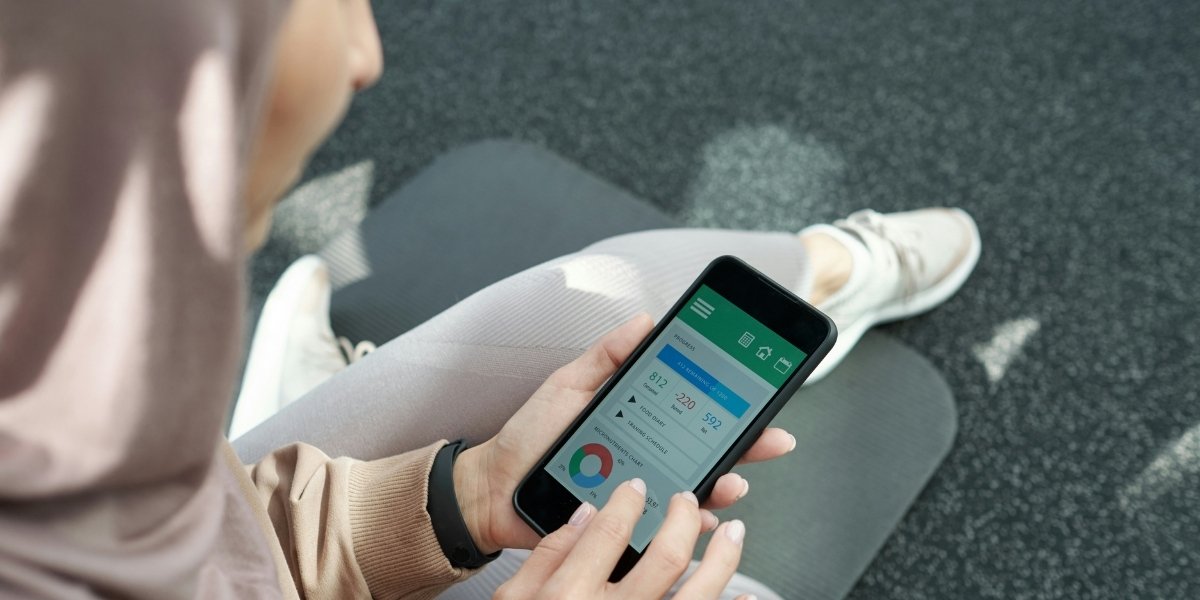
The journey towards data-driven fitness began humbly with handwritten workout logs and stopwatch timings. While these manual methods provided a basic record of activity, their limitations in terms of precision, real-time feedback, and comprehensive data capture were significant. The true paradigm shift arrived with the advent of wearable technology. Devices like fitness trackers, smartwatches, and heart rate monitors have democratized biometric data, making it accessible to the everyday user. These devices continuously collect a wealth of information, including steps taken, calories burned, heart rate zones, sleep patterns, and even estimated recovery times.

Beyond simple counting, the sophistication of these wearables has grown exponentially. Modern smartwatches can track advanced metrics like VO2 max (a measure of aerobic capacity), running dynamics (stride length, ground contact time), and swimming efficiency. They provide real-time feedback during workouts, alerting users to stay within target heart rate zones or adjust their pace. This immediate access to physiological data allows for on-the-fly adjustments, ensuring workouts are neither too easy nor excessively strenuous. The seamless integration of these devices with mobile applications further enhances the experience, automatically syncing data, providing visual summaries, and offering insights that were once only available to elite athletes working with dedicated sports scientists. This evolution has laid the essential groundwork for truly data-driven workout methodologies.

Leveraging Data for Personalized Training and Enhanced Performance

The true power of data-driven fitness emerges when raw data is transformed into actionable insights for personalized training. By analyzing metrics collected from wearables and other sources, individuals and their trainers can move beyond guesswork and create highly tailored workout plans. Understanding average heart rate, peak heart rate, and time spent in various heart rate zones (e.g., fat-burning, cardio, peak) allows for precise intensity management, ensuring that each workout contributes optimally to specific fitness goals, whether it’s endurance, strength, or weight management.

Recovery data, particularly sleep patterns and heart rate variability (HRV), provides critical information about the body’s readiness for the next training session. Pushing too hard without adequate recovery can lead to overtraining, injury, and burnout. Data-driven insights help individuals recognize signs of fatigue and adjust their schedule, perhaps opting for a rest day or a lighter recovery workout instead of an intense session. This proactive management of fatigue not only prevents injury but also optimizes performance by ensuring the body is properly recovered when it truly needs to push hard. For athletes, analyzing performance metrics like power output in cycling, pace consistency in running, or repetition velocity in strength training allows for targeted improvements, identifying specific weaknesses and charting progress with objective measures. This personalized approach, informed by unique physiological data, enhances efficiency and leads to faster, more sustainable results than a generic training regimen ever could.

Photo Credit: Unsplash.com

Optimizing Nutrition and Recovery Through Data Analytics

Data-driven fitness extends its influence beyond just exercise into the crucial realms of nutrition and recovery, recognizing that these components are just as vital for optimal results. Advanced tracking apps and smart devices can monitor caloric intake, macronutrient distribution (proteins, carbohydrates, fats), and even hydration levels. By correlating dietary data with workout performance and recovery metrics, individuals can identify how specific foods impact their energy levels, stamina, and ability to bounce back from intense training. For example, consistent fatigue despite adequate sleep might prompt an analysis of carbohydrate intake, leading to adjustments that better fuel future workouts.

Recovery is often the most overlooked aspect of fitness, yet it is where the body rebuilds and strengthens. Data from sleep trackers provides detailed insights into sleep quality, including time spent in light, deep, and REM sleep cycles, as well as disturbances. Poor sleep significantly impairs recovery, impacts hormone balance, and reduces athletic performance. By identifying sleep deficits or patterns that hinder recovery, individuals can make informed adjustments to their sleep hygiene, potentially leading to significant improvements in energy and overall well-being. Furthermore, tools that track heart rate variability (HRV) offer a snapshot of the autonomic nervous system’s balance between stress and recovery. A low HRV can indicate stress or insufficient recovery, signaling a need to scale back training intensity. By integrating these nutritional and recovery data points with exercise performance, data-driven fitness provides a holistic view of health, enabling a comprehensive and continuously optimized approach to physical well-being.

The Future of Fitness: Predictive Analytics and AI Coaching

The future of data-driven fitness promises even more sophisticated and integrated approaches, with predictive analytics and artificial intelligence (AI) coaching poised to revolutionize how we train. Current systems react to data, but future iterations will increasingly anticipate needs and suggest proactive adjustments. AI algorithms, trained on vast datasets of individual performance, recovery, and even environmental factors, will be able to predict optimal training loads for upcoming days, identify potential overtraining risks before they manifest, and recommend precise nutritional adjustments based on projected energy expenditure.

Read Also: How to Stay Motivated: Strategies to Help You Stick to Your Goals

Imagine an AI coach that, after analyzing your sleep quality, morning HRV, and the previous day’s workout intensity, automatically suggests a slightly lighter run or a strength training session focused on a particular muscle group. These intelligent systems could also analyze technique during exercises via motion sensors or video analysis, providing real-time corrective feedback to improve form and prevent injury. Personalized digital coaching, accessible to everyone, will become increasingly common, democratizing the kind of individualized guidance once reserved for elite athletes. Furthermore, the integration of data from various sources—wearable tech, smart home devices, nutritional apps, and even genetic information—will create a comprehensive digital twin of an individual’s health, allowing for truly holistic and predictive wellness strategies. This evolution will empower individuals with unprecedented insights, making optimal results not just a goal, but an achievable and continuously refined reality through the intelligent application of data.

How Nordic Walking Boosts Full-Body Fitness

What Is Nordic Walking and How Does It Work?

Nordic walking is a form of fitness walking that incorporates the use of specially designed poles to engage the upper body. It originated in Finland as a summer training method for cross-country skiers and has since gained popularity worldwide as an accessible way to improve overall fitness. This full-body exercise is particularly beneficial for individuals looking to enhance their physical health while minimizing the impact on joints.

The main advantage of Nordic walking over regular walking is the use of poles. By pushing against the poles with each stride, individuals activate muscles in the upper body, including the arms, shoulders, and back. This not only helps increase the intensity of the workout but also distributes the effort more evenly across the body. The poles also provide stability and support, making this form of exercise suitable for people of various fitness levels and ages.

With its low-impact nature, Nordic walking offers a great cardiovascular workout without putting excessive strain on the knees and joints. It’s an effective way to stay active, especially for older adults or those recovering from injury. Whether you’re walking on flat terrain or tackling more challenging hills, Nordic walking can be adapted to your fitness level, making it a versatile workout option.

Read Also: Heart Health: Simple Steps for a Stronger Cardiovascular System

How Does Nordic Walking Benefit Full-Body Fitness?

The primary benefit of Nordic walking is its ability to engage the entire body. While walking typically focuses on the lower body, Nordic walking engages both the upper and lower body, turning a simple walk into a full-body workout. This helps improve muscle strength, endurance, and overall balance.

When using poles, the upper body muscles—including the arms, shoulders, and core—are actively engaged with each step. This increases the calorie burn compared to regular walking, helping individuals improve their cardiovascular health while also toning muscles. Research has shown that Nordic walking can burn up to 40% more calories than traditional walking, making it a highly efficient exercise for those looking to lose weight or improve their fitness.

In addition to muscle engagement, Nordic walking also enhances coordination and balance. The use of poles helps with stability, especially when walking on uneven surfaces, and can improve posture by encouraging an upright walking stance. This makes Nordic walking a great option for people seeking to improve their overall physical fitness, including posture and body alignment.

Is Nordic Walking Accessible for All Fitness Levels?

One of the key advantages of Nordic walking is its accessibility for individuals of all fitness levels. Whether you’re a beginner looking to improve your fitness or an experienced athlete aiming to add variety to your workout routine, Nordic walking can be easily adapted to your abilities. The intensity of the exercise can be controlled by adjusting the pace, the length of the poles, and the amount of pressure applied during each stride.

For those who may have physical limitations or joint issues, Nordic walking provides a way to engage in a low-impact exercise that still offers significant cardiovascular and muscular benefits. The poles provide added stability, which can reduce the risk of falls, especially for individuals with balance concerns. This makes Nordic walking particularly suitable for seniors or those with chronic conditions like arthritis.

Because Nordic walking can be performed in various environments—such as parks, hiking trails, or even urban settings—it offers flexibility for different lifestyles. Whether you prefer walking on flat ground or challenging yourself with hill climbs, Nordic walking can be adapted to suit your preferences and goals.

How Can Nordic Walking Improve Mental Well-being?

Nordic walking can have a positive impact on mental health. Like many forms of exercise, walking itself has been shown to help reduce stress, anxiety, and depression. The rhythmic nature of Nordic walking, combined with the outdoor setting, provides an opportunity for mindfulness and relaxation.

Studies have demonstrated that outdoor exercise, including walking, can help improve mood and increase levels of serotonin, the hormone responsible for feelings of well-being. The addition of poles and the full-body engagement in Nordic walking increases the intensity of the workout, leading to the release of endorphins, which are known to elevate mood and alleviate stress.

The social aspect of Nordic walking can contribute to mental well-being. Many people participate in group walks, providing an opportunity for social interaction and connection. This can be particularly beneficial for individuals who feel isolated or lonely, as the activity promotes a sense of community while also offering the physical and emotional benefits of exercise.

Read Also: Maximizing Cardiovascular Health: Principles and Practices Explained

How Can You Get Started with Nordic Walking?

Getting started with Nordic walking is simple and requires only a pair of specially designed poles and comfortable footwear. When choosing poles, it’s important to find a set that suits your height and walking style. Many outdoor or fitness stores offer adjustable poles to ensure proper fit and comfort. It’s recommended to take a few lessons or watch instructional videos to learn the proper technique, as using the poles correctly can maximize the benefits and reduce the risk of injury.

If you’re new to Nordic walking, start slowly and gradually increase the intensity as your body adapts to the movement. Begin with a short walk on a flat surface, focusing on your form and the rhythm of your stride. Over time, you can increase the duration of your walks and introduce more challenging terrain, such as hills or uneven surfaces, to enhance your workout.

As you become more experienced, you can experiment with different walking techniques, such as speed walking or interval training, to further challenge your fitness level. Whether you walk alone or in a group, Nordic walking offers an enjoyable and effective way to improve your physical and mental health.

How Bodybuilding Blends Science and Art to Sculpt the Body

The Science and Art of Bodybuilding: Sculpting the Human Physique

Bodybuilding is often seen as both an art and a science. It involves not only physical effort but also understanding how the body responds to exercise and nutrition. For those looking to sculpt their physique, bodybuilding is a journey that blends dedication, precision, and mastery of human anatomy. Whether you’re new to bodybuilding or looking to refine your technique, understanding the science behind muscle growth and recovery is key to achieving success.

Read Also: Fitness for Every Goal: Tailoring Your Workout Routine

What Makes Bodybuilding a Science?

Bodybuilding is rooted in biology and physiology. The human body reacts to resistance training in specific ways, triggering processes that promote muscle growth and fat loss. When lifting weights, the body experiences small tears in muscle fibers, known as microtrauma. The repair of these fibers, fueled by proper nutrition and rest, results in muscle growth. This is known as hypertrophy, which forms the foundation of bodybuilding.

Industry experts suggest that understanding the mechanisms of hypertrophy can help bodybuilders optimize their training. Effective bodybuilding requires not just lifting weights but knowing when to increase intensity, how much rest to take, and the right balance of different exercise techniques. Research indicates that lifting heavy weights with proper form leads to faster and more sustainable muscle growth.

Bodybuilding is based on progressive overload—gradually increasing the amount of weight or resistance over time. This principle forces the body to adapt, ensuring that muscles continue to grow and become stronger. The key to success lies in consistently challenging the body in new ways while allowing for adequate recovery time.

The Role of Nutrition in Bodybuilding

The science of bodybuilding extends far beyond the gym. Nutrition is critical for fueling the body’s recovery and muscle-building processes. Bodybuilders must consume a balance of macronutrients: protein for muscle repair, carbohydrates for energy, and fats for overall health. Professionals recommend that protein intake be prioritized, as it is essential for repairing muscle fibers after intense workouts.

Carbohydrates play an important role too, as they replenish glycogen stores, which are used as energy during exercise. Without enough glycogen, the body won’t be able to perform at its best. Healthy fats support the hormonal system, which is vital for muscle growth and fat loss. The art of bodybuilding involves tailoring your diet to support your specific goals, whether that’s bulking, cutting, or maintaining.

Many bodybuilders also focus on timing their meals around workouts. Consuming protein-rich foods before and after exercise can help maximize muscle recovery and growth. The timing of carbohydrates can also influence workout performance. Understanding how to combine these nutrients at the right times can make all the difference in a successful bodybuilding regimen.

Sculpting the Human Physique: The Artistic Side of Bodybuilding

While the science of bodybuilding is essential, the art of bodybuilding is what transforms a physique into something extraordinary. Bodybuilding is about more than just lifting weights; it’s about shaping the body to reflect strength, symmetry, and proportion. Athletes in the sport of bodybuilding must sculpt their muscles, working to create a well-defined, balanced physique.

The artistic aspect of bodybuilding includes an acute awareness of body aesthetics. Professionals recommend focusing not only on building large muscles but also on developing a symmetrical physique. This means training all muscle groups evenly and paying attention to areas that may be underdeveloped, such as the rear deltoids or lower back. Understanding how different exercises target specific muscles allows bodybuilders to create a more polished and visually pleasing result.

Bodybuilding competitions also emphasize the art of posing. The way a bodybuilder presents their physique is a critical element of the sport. The practice of posing allows athletes to highlight their muscle definition, symmetry, and conditioning. The judges look for balance, muscularity, and the ability to control and display the muscles effectively. This is where the blend of science and art truly shines, as athletes use their knowledge of muscle development to show off their hard work in the most flattering way possible.

The Importance of Rest and Recovery in Bodybuilding

In bodybuilding, rest and recovery are as important as training. After intense exercise, muscles need time to repair and grow. Without proper rest, the body cannot fully recover, which can lead to overtraining, injury, and stalled progress. Research indicates that muscles grow outside of the gym during periods of rest, not while they’re being worked. This makes sleep and relaxation a crucial component of any bodybuilding regimen.

Bodybuilders often focus on getting adequate sleep, as this is when muscle repair and growth occur. The body produces the most growth hormone during deep sleep, which helps repair tissue and build muscle. In addition to sleep, bodybuilders also prioritize active recovery days, which can include light cardio or stretching. Experts suggest that stretching and foam rolling can help alleviate muscle soreness and prevent injuries.

Recovery also involves managing nutrition and hydration. After a workout, it’s important to replenish lost fluids and provide the body with the nutrients needed for muscle repair. Many bodybuilders choose to use supplements like protein powders, branched-chain amino acids (BCAAs), or creatine to enhance recovery and growth. However, these should be seen as supplements to a well-rounded diet, not replacements.

Read Also: How to Stay Active: Tips for Fitness and Wellness

How to Develop a Personalized Bodybuilding Plan

Crafting a personalized bodybuilding plan involves combining the science of training with the art of sculpting the body. Bodybuilders must carefully consider their goals, whether that’s bulking up, cutting fat, or maintaining muscle mass. The key to a successful plan is consistency and a willingness to adapt.

Start by determining your goals and calculating your calorie needs. If you’re aiming to build muscle, you’ll need to eat at a caloric surplus, consuming more calories than you burn. For fat loss, a caloric deficit is required. From there, you can build a workout plan that emphasizes resistance training, cardiovascular exercise, and mobility work. Professionals recommend tracking progress and adjusting your plan as you go to ensure continued growth.

Consistency is paramount in bodybuilding, as muscle growth takes time. Regularly assess your progress and don’t be afraid to tweak your diet or exercise regimen. Whether you’re following a split workout routine or focusing on full-body exercises, the most important thing is to stay committed and allow the body time to adapt and grow.

Understanding Cryolipolysis for Non-Invasive Body Contouring

What Is Cryolipolysis (Fat Freezing) and How Does It Work?

Cryolipolysis, often known as fat freezing, has become a leading method in non-invasive body contouring. This treatment targets stubborn fat deposits by applying precise cooling to fat cells, triggering a natural breakdown without harming surrounding tissues. The technique gradually reduces fat layers in specific areas, helping to sculpt the body without surgery or downtime.

The science behind cryolipolysis rests on the fact that fat cells are more vulnerable to cold than other types of cells. When exposed to controlled cooling, these fat cells crystallize and die. Over time, the body’s immune system clears these dead cells, which results in a reduction of fat volume in the treated area. This process typically unfolds over several weeks to months, allowing the body to adjust naturally.

Medical professionals emphasize that cryolipolysis is not a solution for weight loss but a way to address localized fat pockets that are resistant to diet and exercise. People near their ideal weight who want to refine their shape often benefit most. Understanding the biological mechanism helps patients have realistic expectations regarding the pace and extent of results.

Read Also: The Role of Diet in Reducing Cellulite

How Safe Is Cryolipolysis for Body Contouring?

Safety concerns often arise with new aesthetic technologies, but cryolipolysis has a strong safety profile backed by research and regulatory approval. The treatment is minimally invasive, with a low risk of complications compared to surgical alternatives like liposuction. During a session, applicators are attached to the skin, delivering cold temperatures that target fat cells without damaging skin or muscle. Patients usually experience mild sensations such as cold, tingling, or slight pulling. These effects are temporary and typically well-tolerated.

Common side effects include redness, swelling, bruising, or numbness at the treatment site. These symptoms generally subside within a few days or weeks. More serious adverse reactions are rare but can include prolonged nerve sensitivity or paradoxical adipose hyperplasia, a condition where fat enlarges unexpectedly. This phenomenon remains uncommon and under study. Practitioners stress the importance of patient screening and treatment by qualified professionals. A board-certified dermatologist or plastic surgeon can assess individual risk factors and recommend appropriate protocols, ensuring safety and effectiveness.

What Should Patients Consider Before Undergoing Cryolipolysis?

Patients interested in cryolipolysis must evaluate their health status, expectations, and lifestyle before proceeding. Ideal candidates are healthy adults with localized fat deposits who do not have cold intolerance disorders like cryoglobulinemia or cold urticaria. Pregnant and breastfeeding individuals should avoid the procedure until medically cleared. Patients should also understand that results are gradual, often becoming visible after 6 to 12 weeks, with potential improvement continuing up to six months.

Multiple sessions may be needed depending on the area and desired outcome. Costs vary by region and provider but generally remain less than surgical options. Since cryolipolysis is cosmetic, most insurance plans do not cover the procedure. Psychological preparedness is crucial. Experts advise that body contouring treatments complement a healthy lifestyle, including balanced nutrition and regular physical activity. Unrealistic expectations or seeking cosmetic procedures as solutions for deeper self-esteem issues may lead to dissatisfaction.

How Does Cryolipolysis Compare to Other Body Contouring Methods?

Several non-invasive body contouring technologies exist, each with different mechanisms and benefits. Cryolipolysis uses controlled cold to target fat, whereas laser lipolysis employs heat, and ultrasound or radiofrequency devices use sound waves or electromagnetic energy to break down fat cells. Compared to liposuction, cryolipolysis offers the advantage of no incisions, anesthesia, or recovery period. Patients can resume daily activities immediately after treatment, making it convenient for busy lifestyles.

Effectiveness varies among individuals and depends on fat distribution, skin elasticity, and metabolic factors. Some practitioners combine multiple techniques to enhance outcomes. Choosing the best option requires consultation with medical experts who can tailor treatments to patient needs and physical characteristics.

What Are the Long-Term Considerations for Cryolipolysis Patients?

Results from cryolipolysis are considered long-lasting because the destroyed fat cells are eliminated permanently. However, remaining fat cells can grow if lifestyle habits lead to weight gain. Maintaining a healthy diet and regular exercise is essential to preserve the improved contours. Follow-up treatments may be necessary to refine results or address new areas. Medical professionals recommend scheduling maintenance sessions based on individual progress and goals.

Ongoing research continues to monitor the safety and efficacy of cryolipolysis, with current data supporting its role as a reliable body contouring option when used appropriately. Patients should also consider their overall health and wellness goals alongside cosmetic outcomes to ensure a balanced approach to body image and self-care.

Read Also: Maximizing Cardiovascular Health: Principles and Practices Explained

How Do Patient Experiences Reflect the Benefits and Limitations of Cryolipolysis?

Many patients report satisfaction with cryolipolysis due to its non-invasive nature and visible improvements. The ability to target specific problem areas without surgery appeals to those hesitant about invasive procedures. However, some note that patience is necessary since changes appear gradually. Understanding that the procedure is not a substitute for weight loss is vital. Those with unrealistic expectations might feel disappointed with the subtle results.

Psychologists emphasize the importance of mental preparedness and realistic goal-setting before undergoing body contouring. Supportive counseling or conversations with healthcare providers can help align expectations with achievable outcomes. Patient stories highlight the convenience of treatment and minimal discomfort, reinforcing cryolipolysis as a practical choice for many seeking body sculpting solutions.

Maximizing Cardiovascular Health: Principles and Practices Explained

What Are the Core Principles of Effective Cardiovascular Workouts?

Cardiovascular health is foundational to overall well-being, and understanding its core principles helps individuals design effective workouts. Cardiovascular exercises focus on improving heart and lung function by increasing the heart rate over sustained periods. Key principles include consistency, intensity, duration, and progression.

Consistency means engaging in cardio workouts regularly, ideally most days of the week. Intensity refers to how hard the heart is working during exercise, often measured by heart rate zones. Moderate to vigorous intensity is recommended to gain meaningful benefits.

Duration involves how long the activity lasts, typically 20 to 60 minutes per session. Progression is about gradually increasing intensity or duration to avoid plateaus and promote continual improvement.

Together, these principles ensure that cardio workouts not only improve cardiovascular endurance but also contribute to weight management, metabolic health, and reduced risk of chronic diseases.

Read Also: The Psychology Behind Exercise and Long-Term Motivation

How Can Different Cardio Workouts Cater to Various Fitness Levels and Goals?

Cardio workouts are highly versatile and can be personalized to suit individual fitness levels and health goals. Low-impact activities such as walking or swimming are excellent starting points for beginners or those with joint concerns. These exercises improve heart health without placing excessive strain on the body.

Intermediate and advanced exercisers might incorporate running, cycling, or high-intensity interval training (HIIT). HIIT alternates short bursts of intense effort with recovery periods, offering efficient calorie burn and cardiovascular improvements in less time.

Personal goals also shape workout choices. For endurance, steady-state cardio like jogging or rowing at a consistent pace is beneficial. For weight loss or improved aerobic capacity, interval training is often more effective.

By tailoring workouts to individual needs, people maximize benefits while minimizing injury risks and enhancing motivation.

What Role Does Personalization Play in Optimizing Cardio Workout Benefits?

Personalization is critical to the success of cardiovascular fitness routines. Factors such as age, current health status, fitness level, and personal preferences influence how workouts should be structured.

For example, heart rate zones vary by age and fitness, so monitoring intensity with wearable devices helps individuals stay within safe and effective ranges. Those with medical conditions may require modified exercises and professional guidance.

Personal preferences affect adherence. Enjoying chosen activities increases the likelihood of consistency. Whether it’s dance classes, cycling outdoors, or swimming laps, engagement fuels long-term commitment.

Additionally, personalized goal setting helps track progress and adjust routines as fitness improves. This individualized approach ensures workouts remain challenging and rewarding.

How Do Practices Like Warm-Ups, Cool-Downs, and Recovery Enhance Cardiovascular Workouts?

Effective cardiovascular routines include more than the main exercise. Warm-ups prepare the body by gradually increasing heart rate and blood flow to muscles, reducing injury risk. Dynamic stretches and light cardio are common warm-up practices.

Cool-downs help the body return to resting state safely by gradually lowering heart rate and preventing blood pooling. Gentle walking and stretching support recovery and flexibility.

Recovery days between intense workouts are equally important. They allow the cardiovascular system to repair and adapt, preventing overtraining and fatigue. Balanced practices improve performance, reduce soreness, and maintain motivation.

Incorporating these elements creates a sustainable and health-promoting cardio program.

Read Also: Heart Health: Simple Steps for a Stronger Cardiovascular System

What Emerging Trends Are Shaping the Future of Cardiovascular Fitness?

The field of cardiovascular fitness is evolving with new technologies and research shaping workout strategies. Wearable devices that monitor heart rate, oxygen levels, and even hydration status provide real-time feedback, enabling more precise training.

Virtual coaching and app-based programs offer personalized workouts and motivation accessible from home or on-the-go. Integration with social platforms fosters community support and accountability.

Emerging research highlights the benefits of varied training modalities, including combining cardio with strength or mindfulness practices for holistic health.

Environmental considerations also influence trends, with more outdoor and eco-friendly workout options gaining popularity.

These innovations and insights promise a future where cardiovascular health is more accessible, engaging, and effective for all.

Vital Signs: Key Indicators of Health and Disease

What Are Vital Signs and Why Are They Essential in Health Assessment?

Vital signs are the fundamental indicators used by healthcare professionals to assess a person’s basic body functions. They include measurements such as body temperature, pulse rate, respiratory rate, and blood pressure. These indicators provide immediate, valuable information about an individual’s health status and can signal the presence of illness or physiological distress.

Understanding vital signs is crucial because they offer the first clues about the body’s response to disease or injury. For example, an elevated temperature often suggests infection, while abnormal pulse or blood pressure readings may indicate cardiovascular problems. Monitoring vital signs allows clinicians to track changes over time, guiding diagnosis and treatment decisions.

In clinical settings, vital signs are typically the first assessments performed during patient intake. Their simplicity and non-invasive nature make them indispensable tools in both emergency and routine care, helping prioritize patients who require urgent attention.

Read Also: How to Cultivate an Active Lifestyle and Boost Well-being

How Do Changes in Vital Signs Reflect Underlying Health Conditions?

Variations in vital signs often correlate with specific health conditions, making them vital for early detection and ongoing management. For instance, a consistently high blood pressure reading—hypertension—can increase the risk of heart disease and stroke. Similarly, a low pulse rate may indicate bradycardia, which can cause dizziness or fatigue.

Respiratory rate changes can signal respiratory illnesses such as asthma, pneumonia, or chronic obstructive pulmonary disease (COPD). Elevated body temperature usually points to infection, but it can also result from inflammation or autoimmune disorders.

Healthcare providers interpret these signs within the context of a patient’s overall clinical picture. For example, a rapid pulse combined with low blood pressure may indicate shock or internal bleeding. Continuous monitoring enables timely interventions, preventing complications and improving outcomes.

What Are the Latest Advances in Measuring and Monitoring Vital Signs?

Technological innovation has transformed how vital signs are measured and monitored, enhancing accuracy, convenience, and accessibility. Traditional methods—like manual blood pressure cuffs and thermometers—are increasingly supplemented by digital and wearable devices.

Wearable technology now allows continuous monitoring of heart rate, oxygen saturation, and even respiratory rate. These devices transmit real-time data to healthcare providers, enabling remote patient management and early detection of health deterioration.

Advances in non-invasive blood pressure monitoring and infrared thermography have improved patient comfort and measurement speed. Additionally, integration with smartphones and health apps empowers individuals to track their own vital signs, fostering proactive health management.

Such innovations are particularly valuable for managing chronic diseases, post-operative care, and elderly patient monitoring, reducing hospital visits and healthcare costs.

How Do Vital Signs Guide Clinical Decision-Making and Patient Care?

Vital signs play a central role in clinical decision-making by providing objective data that reflect a patient’s current physiological state. They help clinicians determine the severity of illness, guide diagnostic testing, and monitor responses to treatment.

For example, abnormal vital signs may prompt immediate interventions, such as administering fluids for dehydration or oxygen for respiratory distress. They also influence medication dosing, surgical readiness, and discharge planning.

In critical care, continuous vital sign monitoring is essential to detect sudden changes, allowing rapid response to life-threatening events like cardiac arrest or respiratory failure.

Beyond acute care, vital signs are integral to preventive medicine. Regular monitoring can identify risk factors early, enabling lifestyle modifications or pharmacologic treatments to prevent disease progression.

Read Also: How Pediatricians Support Child Health and Growth

What Challenges Exist in Vital Sign Measurement and Interpretation?

Despite their importance, measuring and interpreting vital signs present several challenges. Variability in readings can arise from patient movement, stress, or environmental factors, sometimes leading to inaccurate assessments.

Differences in measurement techniques, equipment calibration, and operator skill also affect reliability. For example, improper cuff size can distort blood pressure readings, and oral temperature measurements may vary with recent food or drink intake.

Interpreting vital signs requires clinical judgment; normal ranges differ by age, sex, and individual health status. Contextual factors must be considered to avoid misdiagnosis or unnecessary interventions.

Efforts to standardize protocols and train healthcare providers improve accuracy. Furthermore, advances in automated devices and artificial intelligence may help reduce human error and enhance interpretation.

The Complete Guide to Delicious Vegan Chips and Snacks

Vegan snacks have become more than just a trend; they are a flavorful and nutritious option for many. Among these, vegan chips stand out for offering the familiar crunch and satisfaction without animal products. Whether made from vegetables, legumes, or grains, these snacks combine taste, texture, and health-conscious ingredients to appeal to a broad audience.

For those exploring veganism or simply seeking new snack choices, understanding the variety, benefits, and availability of vegan chips can transform snack time into an enjoyable experience.

Read Also: How to Stay Motivated: Strategies to Help You Stick to Your Goals

What Makes Vegan Chips Different and Delicious?

Vegan chips are crafted without any animal-derived ingredients, meaning no dairy, eggs, or animal fats. Instead, they rely on plant-based oils and seasonings that provide bold and exciting flavors. This approach often brings out the natural taste of the base ingredient, whether it’s crispy kale, crunchy chickpeas, or savory sweet potatoes.

The variety in vegan chips goes beyond traditional potato snacks. Options now include lentil chips, beetroot crisps, and even seaweed snacks. Each type offers unique textures and flavors, ranging from salty and smoky to subtly sweet.

The absence of animal fats also means many vegan chips are lower in saturated fats. This difference can make them a healthier alternative for those mindful of cholesterol or heart health, though moderation is always important.

Popular Vegan Chips and Their Ingredients

Many vegan chips use wholesome, recognizable ingredients. Sweet potato chips, for instance, are often thinly sliced sweet potatoes baked or fried in sunflower or avocado oil. Lentil chips are made from lentil flour, providing extra protein and fiber.

Kale chips have surged in popularity due to their nutrient density. They typically consist of kale leaves tossed with olive oil and spices, then baked until crisp. Seaweed snacks bring a salty, umami flavor with a hint of ocean freshness, perfect for those craving something different.

Chickpea snacks, like roasted chickpeas or chips, deliver a satisfying crunch with a boost of plant-based protein. These snacks often include seasonings such as smoked paprika, garlic, or chili powder, appealing to varied taste preferences.

Why Vegan Chips Are Gaining Popularity

The rise in vegan chips reflects broader consumer shifts toward plant-based diets and clean eating. People want snacks free from artificial additives and animal products but without sacrificing flavor or convenience.

Vegan chips meet these demands by offering natural ingredients combined with innovative preparation techniques. The market now features brands committed to organic sourcing, non-GMO ingredients, and allergen-free production, increasing accessibility for health-conscious shoppers.

Environmental awareness also plays a role. Plant-based snacks typically have a lower carbon footprint compared to animal-based products, making vegan chips attractive to those seeking eco-friendly food choices.

How to Choose the Best Vegan Chips for You

Choosing vegan chips depends on personal taste and dietary needs. Reading ingredient labels helps identify products without added sugars, excessive salt, or preservatives.

For those looking for nutrient density, chips made from whole vegetables or legumes may provide more vitamins, minerals, and fiber. Checking for certifications such as organic, gluten-free, or non-GMO can guide shoppers toward products that align with their values.

Experimenting with flavors is also part of the fun. From tangy barbecue to spicy jalapeño, vegan chips offer a wide spectrum of tastes. Sampling different brands and types can help discover favorite combinations.

Creative Ways to Enjoy Vegan Chips

Vegan chips are versatile beyond simple snacking. They can add texture and flavor to salads, serving as a crunchy topping. Crushed chips can replace breadcrumbs in recipes like vegan meatballs or casseroles, adding a savory twist.

Pairing chips with vegan dips such as guacamole, hummus, or salsa enhances the snack experience. They also work well as a side to soups or vegan sandwiches, making meals more enjoyable and satisfying.

For entertaining, offering a variety of vegan chips alongside fresh vegetables and nuts can create an appealing snack board that caters to diverse tastes and dietary preferences.

Where to Find Delicious Vegan Chips

Vegan chips have become widely available. Most grocery stores now carry at least one brand, often located in the health food or snack aisles. Specialty stores and online retailers offer a broader selection, including artisanal and small-batch products.

Farmers markets and local co-ops may also feature homemade or locally produced vegan snacks, providing fresh and unique options. Exploring these venues can lead to discovering new favorites while supporting small businesses.

Read Also: The Importance of Regular Screenings for Seniors’ Health and Wellness

Vegan chips and snacks offer an exciting and tasty way to enjoy plant-based eating. Their diversity in flavors, ingredients, and textures makes them suitable for various occasions and preferences. Whether you are new to vegan snacks or a longtime enthusiast, these chips bring crunch and satisfaction without compromise.

Incorporating vegan chips into your diet can align with health goals, ethical choices, and environmental concerns. With so many options available, there is a delicious vegan chip for everyone to enjoy.

The Role of Fiber in Weight Loss and Weight Maintenance

What Is Fiber and Why Is It Important for Weight Management?

Fiber is a type of carbohydrate found in plant-based foods that is not digested by the human body. Unlike other carbohydrates, fiber passes through the digestive system mostly intact, offering numerous health benefits. One of the most significant benefits of fiber is its role in weight management.

There are two main types of fiber: soluble fiber and insoluble fiber. Soluble fiber dissolves in water and forms a gel-like substance that can help lower cholesterol and stabilize blood sugar levels. Insoluble fiber, on the other hand, adds bulk to the stool and helps with regular bowel movements. Both types of fiber are crucial for a healthy digestive system, but they also contribute significantly to managing weight in various ways.

Read Also: The Science and Hype Behind “Water Therapy” for Weight Loss

How Does Fiber Help Control Appetite?

One of the key ways fiber supports weight management is by helping to control appetite. Foods that are high in fiber, especially soluble fiber, take longer to digest, leading to a prolonged feeling of fullness after eating. This delay in digestion helps reduce overall calorie intake by curbing hunger and preventing overeating.

The high fiber content in foods like fruits, vegetables, whole grains, and legumes also slows the rate at which food leaves the stomach, leading to greater satiety. This can help individuals avoid unhealthy snacking or overeating during meals, which ultimately supports weight loss or weight maintenance goals.

How Does Fiber Improve Digestion?

Proper digestion is essential for effective weight management, and fiber plays a crucial role in maintaining a healthy digestive system. Insoluble fiber adds bulk to the stool, which promotes regular bowel movements and prevents constipation. A healthy digestive system helps to process food efficiently, ensuring that nutrients are absorbed properly and waste is eliminated effectively.

Additionally, fiber can help balance the microbiome in the gut. The bacteria in the gut feed on fiber and produce short-chain fatty acids (SCFAs), which have been shown to improve metabolism and support weight loss. This process further highlights the importance of fiber in overall digestive health and its indirect impact on weight management.

What Are the Specific Weight Management Benefits of Soluble Fiber?

Soluble fiber, found in foods like oats, beans, lentils, fruits, and vegetables, has unique benefits for weight management. When soluble fiber dissolves in water, it forms a gel-like substance that slows the absorption of nutrients. This slower digestion process helps regulate blood sugar levels by preventing rapid spikes and crashes in insulin, which can otherwise lead to increased hunger and overeating.

Moreover, soluble fiber helps to increase the viscosity of the digestive contents, further slowing digestion and prolonging feelings of fullness. This process helps control cravings and overeating, making it easier to manage portion sizes and make healthier food choices.

How Does Fiber Support Fat Burning and Metabolism?

Fiber may also help with weight management by boosting metabolism and promoting fat burning. The short-chain fatty acids (SCFAs) produced by gut bacteria when they digest fiber have been linked to improved fat oxidation, which is the process by which the body burns fat for energy.

Studies have shown that a higher intake of fiber, particularly from whole plant foods, can improve fat metabolism and reduce body fat. Additionally, the increased satiety from fiber-rich foods leads to a decrease in overall calorie consumption, contributing to gradual weight loss and fat reduction.

Can Fiber Help Prevent Overeating?

Fiber can be particularly helpful in preventing overeating, which is often a major hurdle in weight management. The feeling of fullness that fiber provides helps individuals eat smaller portions and avoid consuming excessive calories. Since high-fiber foods tend to be lower in calories but high in volume, they allow for larger portion sizes, which can help satisfy hunger without the risk of overeating.

Incorporating fiber into meals can also reduce cravings for processed foods, which are often high in refined sugars and unhealthy fats. By focusing on fiber-rich options, individuals are more likely to consume nutrient-dense foods that support long-term weight management.

How Can You Increase Your Fiber Intake for Better Weight Management?

Increasing fiber intake is an effective strategy for promoting weight management. However, it’s important to increase fiber gradually to allow the digestive system to adjust. Here are some practical ways to boost fiber intake:

1. Start Your Day with High-Fiber Breakfasts:

Opt for oatmeal, whole grain toast, or a smoothie made with fiber-rich fruits and vegetables. These choices will help you start the day feeling full and satisfied, preventing hunger pangs before your next meal.

2. Include Legumes and Beans:

Beans, lentils, and other legumes are excellent sources of fiber. Adding them to salads, soups, or stews can increase the fiber content of your meals while providing a plant-based source of protein.

3. Snack on Whole Fruits and Vegetables:

Raw fruits and vegetables, such as apples, carrots, and celery, are naturally high in fiber. They also make for easy, healthy snacks that keep you satisfied between meals.

4. Choose Whole Grains:

Swap out refined grains for whole grains like brown rice, quinoa, barley, and whole-wheat bread. These foods are richer in fiber and offer more nutrients compared to their refined counterparts.

5. Add Fiber-Rich Seeds and Nuts:

Chia seeds, flaxseeds, and almonds are packed with fiber and healthy fats. Sprinkle them on yogurt, oatmeal, or salads for a nutrient boost.

6. Drink Plenty of Water:

Fiber needs water to work effectively in the digestive system. Drinking plenty of water throughout the day will help fiber move through the digestive tract smoothly and prevent bloating.

What Are the Potential Risks of Too Much Fiber?

While fiber offers many health benefits, it is important to avoid overconsumption. Consuming too much fiber, especially in a short period, can lead to digestive issues like bloating, gas, and cramping. To avoid these symptoms, it’s best to increase fiber intake gradually and balance it with plenty of fluids.

Additionally, some people may experience difficulty absorbing certain minerals like calcium, iron, and zinc if their diet is extremely high in fiber. However, these risks are minimal as long as fiber is introduced progressively and as part of a balanced diet.

What Are the Best Fiber-Rich Foods for Weight Management?

To optimize weight management with fiber, it’s essential to focus on nutrient-dense, fiber-rich foods. Here are some of the best options to include in your diet:

  • Fruits: Apples, pears, berries, bananas, and oranges are all excellent sources of fiber.

  • Vegetables: Cruciferous vegetables like broccoli, Brussels sprouts, and cauliflower are fiber-rich, as are leafy greens such as spinach and kale.

  • Whole Grains: Brown rice, quinoa, oats, and whole wheat provide both soluble and insoluble fiber.

  • Legumes: Lentils, chickpeas, black beans, and kidney beans are great fiber sources.

  • Nuts and Seeds: Almonds, chia seeds, flaxseeds, and sunflower seeds offer both fiber and healthy fats.

Read Also: The Rising Tide of Obesity in Young Adults: Key Factors and Prevention Strategies

The Power of Fiber in Weight Management

Fiber is an essential nutrient for anyone looking to manage their weight effectively. From helping control appetite and preventing overeating to improving digestion and metabolism, fiber offers multiple benefits that contribute to long-term health. By including more fiber-rich foods in your diet, you can support your weight management goals while also promoting better overall health.

Whether you’re looking to lose weight, maintain a healthy weight, or simply improve your digestive health, fiber is a powerful ally. Make fiber-rich foods a regular part of your meals, and you’ll enjoy both the taste and the benefits of a healthier, more balanced lifestyle.

How to Stay Motivated: Strategies to Help You Stick to Your Goals

Motivation Strategies to Stick to Your Goals: Tips for Achieving Success

Setting goals is the first step towards success, but staying motivated and committed to achieving them can be a real challenge. Whether you’re working towards personal, professional, or health-related goals, staying on track requires discipline, focus, and a consistent effort. The journey to achieving your goals is often filled with obstacles, distractions, and moments of self-doubt, but with the right strategies in place, you can stay motivated and keep moving forward.

We will explore effective motivation strategies to help you stick to your goals. These techniques will help you overcome challenges, maintain focus, and build the momentum needed to achieve long-term success.

Read Also: Wrist Pain Relief: How to Manage Repetitive Strain Naturally

1. Set Clear and Specific Goals

One of the most powerful strategies for staying motivated is setting clear, specific, and measurable goals. The more specific your goals are, the easier it will be to break them down into actionable steps and track your progress.

Why It Works:

  • Clarity: Clear goals provide a sense of direction and purpose, helping you stay focused on what matters most.

  • Measurability: Specific goals allow you to measure progress, which boosts motivation as you see your success unfold.

How to Apply It:

  • Break down large goals into smaller, achievable tasks. For example, instead of saying “I want to get fit,” say “I will exercise for 30 minutes, five days a week.”

  • Set SMART goals (Specific, Measurable, Achievable, Relevant, Time-bound) to ensure that your goals are actionable and realistic.

By setting clear and specific goals, you’ll have a roadmap to guide you, making it easier to stay on track.

2. Create a Routine and Build Consistency

One of the most effective ways to maintain motivation is by creating a daily or weekly routine that aligns with your goals. Consistency is key when it comes to achieving long-term success, and a well-established routine helps build good habits that support your progress.

Why It Works:

  • Habit Formation: Consistent actions lead to habit formation, making your goal-related tasks feel automatic over time.

  • Momentum: As you stick to your routine, the momentum of small daily actions adds up to big results.

How to Apply It:

  • Dedicate specific times each day or week to work towards your goals. For example, schedule time in the morning for exercise or in the evening to focus on learning a new skill.

  • Use habit-tracking apps or journals to stay accountable and visually see your progress over time.

Establishing a routine helps you stay focused and ensures that you’re consistently making progress toward your goals.

3. Break Goals Into Smaller Tasks

Large goals can often feel overwhelming, and it’s easy to lose motivation when you feel like the task is too big. Breaking down your goals into smaller, manageable tasks can make them feel more achievable and less intimidating.

Why It Works:

  • Easier to Manage: Small tasks are more manageable and allow you to focus on immediate actions rather than the end result.

  • Increased Confidence: Completing smaller tasks gives you a sense of accomplishment and boosts your confidence, which fuels motivation.

How to Apply It:

  • Break each large goal into mini-goals. For example, if your goal is to write a book, break it down into writing 500 words per day.

  • Focus on one small task at a time and celebrate each accomplishment along the way.

By breaking your goals into smaller tasks, you can maintain focus and motivation without feeling overwhelmed.

4. Visualize Your Success

Visualization is a powerful tool that can help keep you motivated and focused on your goals. By imagining the success you want to achieve, you create a mental picture of the future that helps you stay committed and inspired.

Why It Works:

  • Increased Motivation: Visualizing your success makes it feel more real and attainable, motivating you to work harder.

  • Positive Mindset: Visualization reinforces a positive mindset and helps you overcome self-doubt or fear of failure.

How to Apply It:

  • Take a few minutes each day to close your eyes and picture yourself achieving your goals. Imagine how it will feel, what you’ll see, and how it will impact your life.

  • Use a vision board with images, quotes, and reminders of your goals to keep you inspired and focused.

Visualization helps to keep your goals at the forefront of your mind and strengthens your determination to achieve them.

5. Track Your Progress

Tracking your progress is a great way to stay motivated because it allows you to see how far you’ve come. It also helps identify areas where you may need to adjust your approach or put in more effort.

Why It Works:

  • Accountability: Regular progress tracking keeps you accountable and reinforces your commitment to your goals.

  • Motivation Boost: Seeing your progress, even if it’s small, can provide a significant motivation boost, encouraging you to continue moving forward.

How to Apply It:

  • Use a goal tracker or a progress journal to record your daily or weekly achievements.

  • Set regular check-ins to assess where you are in relation to your goals. This could be weekly, monthly, or quarterly.

Tracking your progress helps you stay motivated by allowing you to reflect on how far you’ve come and reinforcing your commitment to your goals.

6. Stay Positive and Be Patient

Maintaining a positive attitude and being patient with yourself are key components of staying motivated. Success takes time, and it’s important to embrace the journey rather than focus solely on the end result.

Why It Works:

  • Mental Resilience: A positive mindset helps you push through setbacks and challenges without losing hope.

  • Patience: Achieving long-term goals takes time, and staying patient ensures you don’t get discouraged along the way.

How to Apply It:

  • Focus on the small wins and celebrate progress rather than perfection.

  • Practice self-compassion and be kind to yourself when you face challenges or setbacks.

  • Surround yourself with positive influences, whether it’s supportive friends, mentors, or uplifting content.

A positive mindset combined with patience will help you stay motivated and committed to your goals, even during difficult times.

7. Reward Yourself Along the Way

Celebrating your successes, no matter how small, is an essential strategy for maintaining motivation. When you reward yourself for making progress, it reinforces positive behavior and creates a sense of achievement.

Why It Works:

  • Positive Reinforcement: Rewards serve as a form of motivation, encouraging you to keep going and reinforcing the behaviors that lead to success.

  • Increased Satisfaction: Rewards provide a sense of accomplishment, making the process more enjoyable and fulfilling.

How to Apply It:

  • Set milestones and reward yourself when you achieve them. For example, treat yourself to something special when you reach a weekly goal.

  • Your reward can be simple, like enjoying your favorite treat, taking a relaxing break, or doing something you love.

By rewarding yourself along the way, you keep the process enjoyable and motivate yourself to continue striving for success.

Read Also: Building Enduring Power: A Holistic Approach to Fitness for Enhanced Stamina

Stay Motivated, Achieve Your Goals

Staying motivated can be challenging, but with the right strategies in place, you can overcome obstacles and keep pushing forward toward your goals. By setting clear goals, breaking them down into manageable tasks, visualizing your success, tracking progress, maintaining a positive attitude, and rewarding yourself along the way, you can build lasting motivation and stay committed to your path.

Remember that success is a journey, not a destination. With determination, patience, and the right mindset, you can achieve your goals and enjoy the sense of fulfillment that comes with accomplishing what you set out to do. Keep going, and success will follow.