Active Weekly

Keep Moving Forward

Keep Moving Forward

Keep Moving Forward

Budget-Friendly Fitness Trends for 2025


Finding Affordable Fitness Options in 2025

Staying active and healthy doesn’t have to come with a hefty price tag. In 2025, individuals have more access than ever to cost-effective ways of integrating fitness into their daily lives. From digital platforms and outdoor spaces to community programs and flexible gym memberships, affordable fitness is becoming increasingly accessible, allowing people to prioritize wellness regardless of income level.

This article explores how fitness has evolved in response to economic, technological, and lifestyle shifts. It outlines current low-cost solutions and emerging trends, offering practical insights for those seeking to maintain physical health without overspending.

Read Also: The Science and Hype Behind “Water Therapy” for Weight Loss

How Has the Fitness Landscape Changed?

The demand for flexible, affordable fitness options has grown steadily in recent years. The economic shifts of the past decade have encouraged people to seek health solutions that are budget-conscious but still effective. As a result, many providers have adapted by offering hybrid models, pay-as-you-go structures, and virtual options to meet diverse financial needs.

Increased awareness about the role of movement in both mental and physical health has also played a role in driving innovation. More people are choosing personalized, on-demand routines over expensive long-term gym contracts. This trend is reshaping what fitness looks like in 2025.

What Are the Best Budget-Friendly Fitness Options Right Now?

Affordable doesn’t mean low quality. In fact, many of today’s most effective fitness programs cost little to nothing. Whether the goal is weight management, strength building, or stress relief, accessible tools are available.

Digital Fitness Platforms

Subscription-based apps continue to be popular, with many offering monthly plans under $15 or even free versions. Platforms host a wide range of workouts including HIIT, yoga, Pilates, and strength training. Many apps also include personalized plans and progress tracking, delivering value for a low monthly fee.

Community Recreation Centers

Local recreation centers remain a hidden gem in many neighborhoods. These facilities offer access to gyms, pools, and group fitness classes at significantly reduced prices compared to commercial gyms. Sliding scale pricing and free trial periods are often available to residents.

Outdoor Fitness Opportunities

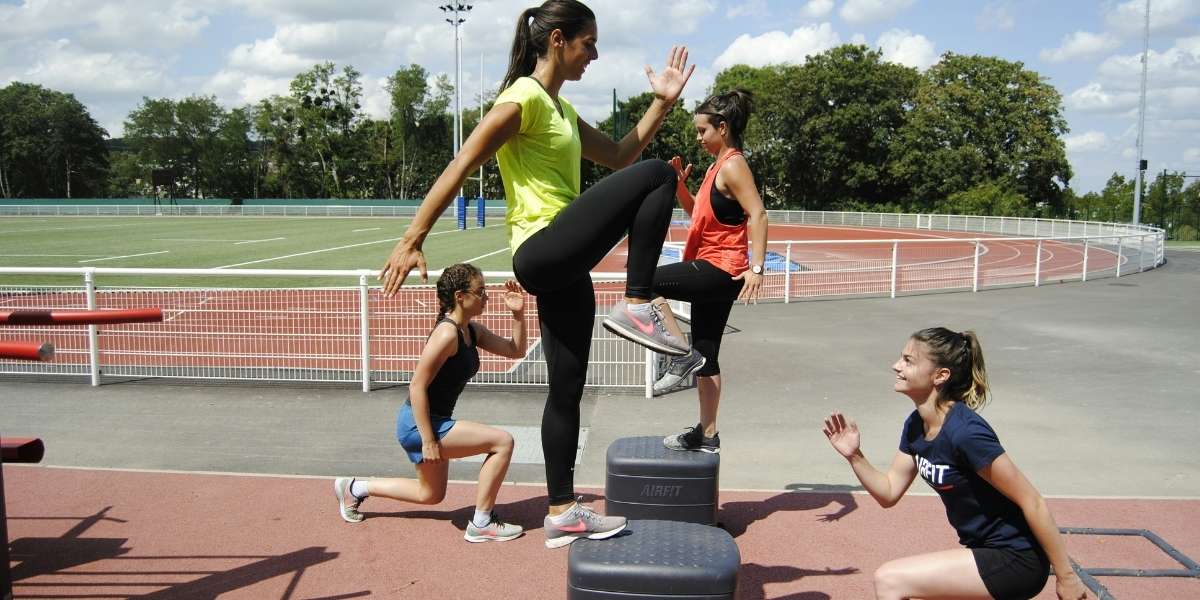
City parks and public trails offer free access to walking, running, biking, and bodyweight training. In urban areas, it’s increasingly common to find outdoor workout equipment, group boot camps, or guided community walks—no membership required.

Streaming Workouts on Public Platforms

YouTube and similar sites host thousands of free workouts led by certified instructors. These range from five-minute morning stretches to full-hour strength sessions. The flexibility and zero-cost access make streaming a go-to choice for many.

Fitness Challenges and Social Groups

Participating in community or social media-based fitness challenges often provides both motivation and structure. Many of these programs are free to join and include downloadable resources, goal-setting tools, and peer support, which can increase accountability.

How Are Gyms Adapting to Meet Budget-Conscious Needs?

Traditional gyms are evolving in 2025. Recognizing the need for flexibility and affordability, many have introduced tiered pricing structures. Instead of locking members into annual contracts, several gym chains now offer short-term passes, pay-per-visit options, and stripped-down memberships that give access to only essential equipment.

Other adaptations include:

  • Off-peak pricing for access during slower hours.

  • Hybrid memberships that combine in-person and virtual classes.

  • Loyalty perks or referral discounts for consistent participation.

Boutique studios, once known for premium pricing, are also shifting. Some now offer community classes at reduced rates or free first-time visits. These changes allow a wider range of people to experience specialized workouts like barre, boxing, or spinning without high monthly fees.

What Should Individuals Consider When Choosing an Affordable Fitness Plan?

Finding the right fit means balancing budget with personal goals. Here are key considerations for anyone exploring low-cost fitness:

Accessibility

How easily can the option be accessed from home, work, or school? Convenience increases consistency, which is vital for long-term progress.

Personalization

Look for programs that adapt to your fitness level and goals. Many affordable platforms include customizable features like progress tracking, reminders, and adjustable difficulty levels.

Community

Having a support system, whether in-person or online, can improve motivation. Affordable group classes, virtual communities, or training partners can enhance accountability and enjoyment.

Variety

Programs that offer a mix of cardio, strength, and flexibility tend to yield better overall results. Avoid plans that feel repetitive or too narrowly focused.

Safety and Quality

Always verify the credentials of instructors, even on free platforms. Reputable sources will emphasize proper form, warm-ups, and modifications to prevent injury.

How Can People Stay Consistent Without Spending More?

Affordability matters, but so does sustainability. A key to ongoing fitness is finding enjoyment in movement and setting realistic routines.

Here are a few practical tips for consistency:

  • Schedule workouts as you would any other commitment.

  • Mix formats to avoid boredom—alternate between walking, yoga, or strength training.

  • Track small wins, such as improved stamina or new personal records.

  • Reward progress in ways that don’t involve spending, like journaling achievements or taking rest days for recovery.

  • Stay flexible, allowing yourself to modify routines during busy periods without guilt.

Affordable fitness is most effective when it becomes part of daily life—not an extra burden. It’s about finding manageable ways to stay active and making those routines enjoyable.

Read Also: The Rising Tide of Obesity in Young Adults: Key Factors and Prevention Strategies

Looking Ahead: The Future of Affordable Fitness

As technology continues to evolve, so will access to fitness. In the coming years, expect to see more integration of wearable devices, AI-generated workouts, and community-driven wellness platforms. These tools are becoming more affordable and widely available, opening new doors for self-guided, low-cost fitness experiences.

The rise of wellness-focused public policy may also bring more investment into community fitness programs and infrastructure, such as bike lanes, public gyms, and wellness education. These changes signal a broader shift toward making health and fitness more inclusive and equitable.

The Rising Tide of Obesity in Young Adults: Key Factors and Prevention Strategies

Obesity among young adults, typically defined as individuals aged 18-35, is a growing concern that has significant consequences for individual health and societal well-being. This condition not only affects the physical health of individuals but also places immense pressure on healthcare systems. This article explores the factors contributing to obesity in young adults, the health risks involved, and potential strategies for prevention and intervention.

Read Also: The Science and Hype Behind “Water Therapy” for Weight Loss

Prevalence and Trends

The rates of obesity among young adults have been steadily increasing, with a significant proportion of individuals in this age group classified as overweight or obese. Recent studies show that more than 40% of young adults in many developed countries are dealing with obesity, with higher rates observed in certain demographic groups.

Demographic Disparities

While obesity affects a wide range of young adults, there are notable disparities based on socioeconomic status, race, and ethnicity. For example, young adults in lower-income communities or those with limited access to healthy foods are disproportionately affected. Moreover, specific ethnic groups may face higher obesity rates due to a combination of genetic, cultural, and environmental factors.

This growing epidemic highlights the urgency of addressing obesity as it is linked to various health complications and can significantly impact the overall quality of life for young adults. Early intervention is crucial to prevent these individuals from experiencing long-term health consequences.

Contributing Factors

Obesity in young adults is influenced by a complex mix of biological, behavioral, socioeconomic, and environmental factors. Understanding these factors is vital for developing effective prevention and intervention strategies.

Dietary Patterns

Poor eating habits, such as the consumption of high-calorie, low-nutrient foods, play a significant role in obesity. The increased availability and marketing of processed foods, sugary drinks, and fast food have made it more challenging for young adults to maintain a balanced, healthy diet.

Physical Activity and Sedentary Behaviors

A lack of physical activity combined with prolonged periods of sedentary behavior (such as sitting for long hours at a desk, on a computer, or watching TV) significantly contributes to weight gain. Despite an increasing focus on fitness, many young adults fail to incorporate regular physical activity into their daily routines.

Stress and Sleep Patterns

Chronic stress and poor sleep are also major contributors to obesity. Stress can lead to overeating, particularly comfort foods that are high in sugar and fat. Additionally, inadequate sleep can disrupt hormones that regulate appetite and metabolism, making it harder to maintain a healthy weight.

Socioeconomic Factors

Socioeconomic factors such as income and education level influence dietary choices and access to resources like gyms or healthy food markets. Those in lower-income brackets often face limited access to nutritious foods, which can lead to poor eating habits and weight gain.

Genetic Predispositions

Genetics also plays a role in obesity, as certain individuals may be genetically predisposed to store fat more easily or experience slower metabolism. While genetics alone does not determine obesity, it can make it more difficult for some young adults to maintain a healthy weight.

The Influence of Marketing and Social Environments

Marketing campaigns promoting unhealthy food options, along with a culture that often emphasizes convenience over health, contribute to poor dietary choices. Social environments, such as peer influence and lifestyle trends, can also affect eating behaviors and activity levels.

Health Consequences

Obesity in young adults carries both short-term and long-term health risks that can severely impact physical and mental well-being.

Short-Term Health Risks

In the short term, obesity increases the likelihood of high blood pressure, high cholesterol, and type 2 diabetes. These conditions can often go undetected until they cause more severe problems. Additionally, obesity can lead to sleep apnea, a disorder where breathing repeatedly stops and starts during sleep, often resulting in fatigue and other complications.

Long-Term Health Risks

In the long term, obesity significantly increases the risk of developing cardiovascular disease, stroke, and several types of cancer, including breast, colon, and prostate cancer. The longer an individual remains obese, the more likely they are to suffer from chronic diseases that reduce life expectancy and quality of life.

Musculoskeletal Problems

Obesity places extra strain on bones and joints, especially the knees and hips, leading to osteoarthritis and other musculoskeletal issues. This can severely limit mobility and contribute to pain and disability in young adults.

Mental Health Impact

Mental health conditions such as depression and anxiety are more prevalent among young adults with obesity. Body image issues, low self-esteem, and social stigma can exacerbate these conditions, leading to a cycle of emotional distress and poor health behaviors.

Psychological and Social Impact

Beyond the physical effects, obesity has a significant psychological and social impact on young adults. The social stigma surrounding obesity often leads to discrimination in various aspects of life, including education, employment, and relationships.

Body Image and Self-Esteem

Young adults with obesity often struggle with body image issues, which can lead to low self-esteem and social withdrawal. Negative body perceptions can affect their mental health, leading to feelings of inadequacy and depression.

Social Stigma and Discrimination

There is a persistent societal stigma associated with obesity, which can lead to discriminatory behavior. This stigma affects young adults in education and employment settings, where they may face bias or unequal treatment based on their weight. These experiences can perpetuate negative self-worth and hinder their personal and professional growth.

Prevention Strategies

Preventing obesity in young adults requires a multi-faceted approach that focuses on education, community support, and creating an environment that encourages healthy behaviors.

Nutrition Education

Teaching young adults about the importance of balanced nutrition and healthy eating habits is crucial. Education campaigns and programs that promote the benefits of eating whole, nutritious foods and reducing the intake of processed foods can help shift societal attitudes toward healthier diets.

Increasing Physical Activity

Encouraging physical activity through accessible fitness programs, recreational activities, and creating spaces for active living can help combat sedentary lifestyles. Promoting active transportation (like biking or walking) and integrating exercise into daily routines can also prevent obesity.

Supportive Environments

Creating environments that support health is essential. This includes policies that make nutritious food options more accessible and affordable, as well as efforts to reduce marketing of unhealthy foods to young adults.

Intervention and Treatment Approaches

For young adults already struggling with obesity, several treatment approaches can help manage and reverse the condition. These may include lifestyle modifications, behavioral therapy, medication, and, in some cases, bariatric surgery.

Lifestyle Modifications

The foundation of any obesity intervention includes changes in diet and physical activity. A combination of eating nutrient-dense foods, reducing portion sizes, and increasing regular physical activity is essential for weight management.

Behavioral Therapy

Behavioral therapy focuses on changing eating and activity habits by addressing underlying psychological factors, such as emotional eating and lack of motivation. Cognitive-behavioral therapy (CBT) is a common approach used to help individuals develop healthier habits.

Medication

In some cases, medication may be prescribed to help manage obesity. These medications work by reducing appetite or increasing feelings of fullness. However, medication is typically used in combination with lifestyle changes and under medical supervision.

Bariatric Surgery

For individuals with severe obesity who have not responded to other treatment methods, bariatric surgery (such as gastric bypass or sleeve gastrectomy) may be considered. These surgeries reduce the size of the stomach and limit food intake, leading to significant weight loss.

The Role of Public Health and Policy

Public health initiatives and policy changes are essential in addressing the obesity epidemic among young adults. Policy actions can focus on improving access to healthy food, regulating food marketing, and promoting physical activity.

Food Labeling and Marketing Restrictions

Governments can implement policies that require clear food labeling to help consumers make informed choices. Restrictions on marketing unhealthy foods to young adults, particularly through digital platforms, can reduce the consumption of processed foods.

Access to Healthy Food

Ensuring access to healthy, affordable food in underserved areas can help reduce obesity rates. Policies that promote farmers’ markets, subsidize healthy food options, and improve the availability of fresh produce can make a significant impact.

Built Environments for Physical Activity

Creating built environments that encourage physical activity, such as walkable neighborhoods, bike lanes, and parks, is crucial for promoting an active lifestyle. Public policies should focus on making exercise more accessible and integrating it into daily life.

Read Also: How to Choose the Best Workout Apparel and Gear for Your Fitness Needs

Obesity in young adults is a pressing issue that requires a comprehensive approach involving prevention, intervention, and support from healthcare providers, communities, and policymakers. By understanding the factors contributing to obesity and implementing effective strategies, we can work toward reducing its prevalence and improving the health and well-being of young adults. Through education, environmental changes, and individual support, we can make significant strides in combating this epidemic and promoting healthier futures for young people.

The Importance of Regular Screenings for Seniors’ Health and Wellness

Proactive Aging: The Vital Role of Regular Health Screenings in Senior Wellness

As we age, our bodies naturally undergo changes that can increase the risk of developing certain health conditions. Regular health screenings are essential tools in proactive aging, allowing for early detection, intervention, and a greater quality of life. By identifying potential health risks before they become serious, screenings empower older adults to manage their health more effectively and maintain their independence. This article explores the importance of health screenings for seniors and outlines the key screenings that contribute to senior wellness.

Read Also: What Is Bakuchiol Cream and How Does It Work?

Understanding Age-Related Health Risks

As we get older, certain health conditions become more prevalent. Understanding these risks is the first step in taking proactive measures to stay healthy.

Common Health Conditions in Seniors:

  • Cardiovascular Disease: Heart disease, hypertension, and stroke risk increase with age, making it crucial to monitor heart health.

  • Cancer: Certain cancers, such as breast, prostate, and colorectal cancer, are more common as people age.

  • Diabetes: Older adults are at a higher risk of developing type 2 diabetes, particularly if they are overweight or inactive.

  • Osteoporosis: Bone density decreases with age, leading to a greater risk of fractures.

  • Cognitive Decline: Conditions like Alzheimer’s disease and dementia can affect cognitive function in older adults.

Early detection of these conditions allows for timely interventions, which can significantly improve outcomes and enhance the quality of life for seniors.

The Benefits of Early Detection

Regular health screenings play a key role in detecting potential health problems early, often before symptoms appear. Early detection offers several benefits:

Less Invasive Treatments

Conditions caught early are often more treatable, requiring less aggressive interventions that may be less costly and have fewer side effects.

Improved Outcomes

Identifying health issues early leads to better management, which can slow the progression of many diseases and prevent complications.

Prevention of Serious Complications

Many chronic conditions can be managed effectively if caught early, which reduces the risk of serious complications that can impact a person’s independence and quality of life.

Increased Longevity

Regular screenings help seniors maintain a longer, healthier life, ensuring they can enjoy their later years without unnecessary pain or disability.

Key Recommended Screenings for Seniors

There are specific screenings that are recommended for older adults. These screenings are vital in detecting common age-related health conditions.

Cardiovascular Screenings

  • Blood Pressure Checks: High blood pressure is often called the “silent killer” because it has no symptoms, but it can lead to heart disease and stroke.

  • Cholesterol Tests: Elevated cholesterol is a major risk factor for heart disease and stroke.

  • Electrocardiograms (ECGs): These tests assess heart rhythm and electrical activity, helping to detect heart conditions early.

Cancer Screenings

  • Mammograms: Recommended for women, mammograms help detect breast cancer early when it is most treatable.

  • Colonoscopies: These screenings help detect colon cancer and pre-cancerous polyps. Regular screening is advised starting at age 50 (or earlier based on family history).

  • Prostate-Specific Antigen (PSA) Tests: This blood test helps detect prostate cancer in men.

  • Skin Exams: Regular skin checks help identify signs of skin cancer, including melanoma, which is common in older adults.

Diabetes Screenings

  • Blood Glucose Tests: These tests identify high blood sugar levels, which are indicators of diabetes. Detecting diabetes early can help manage the condition and prevent complications like kidney failure, heart disease, and vision loss.

Bone Density Scans (DEXA)

  • DEXA Scans: These tests help detect osteoporosis, a condition that causes bones to become weak and brittle, making them more prone to fractures. Early detection helps prevent falls and fractures.

Vision and Hearing Tests

  • Vision Exams: Aging can cause changes in vision, such as cataracts and macular degeneration. Regular eye exams are necessary to detect these issues early.

  • Hearing Tests: Hearing loss is common in older adults. Regular hearing exams help identify problems that can be addressed with hearing aids or other interventions.

Cognitive Assessments

  • Cognitive Testing: Screening for early signs of cognitive decline, such as dementia or Alzheimer’s disease, helps ensure that proper care is provided to maintain mental functioning.

Vaccinations

  • Influenza and Pneumococcal Vaccinations: These vaccines are particularly important for older adults, as they help prevent respiratory infections that can lead to serious complications.

Personalizing Screening Schedules

Screening recommendations can vary based on an individual’s health history, family history, and lifestyle factors. It’s important for seniors to have regular conversations with their healthcare providers to create personalized screening schedules.

For example, someone with a family history of heart disease may require more frequent cardiovascular screenings, while a person with diabetes in their family might need more regular glucose testing. Discussing your unique health risks with your doctor can help tailor a screening plan that ensures you receive the most appropriate care.

Overcoming Barriers to Screening

While regular screenings are essential, many seniors face barriers to accessing them. Common challenges include:

Cost

Some seniors may be concerned about the expense of screenings, especially if they are not covered by insurance. Community clinics, senior health programs, or insurance plans may offer low-cost or free screenings.

Transportation

Getting to screening appointments can be difficult for seniors with mobility issues or limited transportation options. Some healthcare providers offer transportation services, or family members can assist with travel to appointments.

Fear and Anxiety

Fear of receiving bad news or discomfort with the process can prevent seniors from getting screened. Providing emotional support and reassurance about the benefits of early detection can help overcome this barrier.

Lack of Awareness

Some seniors may not be aware of the importance of regular screenings. Public health campaigns, education, and direct discussions with healthcare providers can help raise awareness about the significance of these tests.

The Link Between Screening and Quality of Life

Regular health screenings play a pivotal role in preserving the independence and quality of life of seniors. By identifying health issues early, screenings allow seniors to:

  • Stay independent for a longer period by preventing the progression of diseases that can impair mobility or cognition.

  • Maintain an active lifestyle by addressing health issues before they interfere with physical activities.

  • Reduce healthcare costs by catching conditions early, preventing more expensive and invasive treatments later.

Ultimately, the knowledge gained through regular screenings empowers seniors to take control of their health and make informed decisions about their care.

Read Also: How to Stay Beautifully Active: Tips for Fitness and Wellness

Proactive aging through regular health screenings is a key element in maintaining a high quality of life for seniors. These screenings enable the early detection of health conditions, leading to better treatment outcomes and a more active, independent lifestyle. By understanding the importance of screenings and overcoming barriers to access, seniors can take charge of their health and continue to enjoy their later years with confidence and vitality.

How to Choose the Right Workout Apparel and Gear for Your Fitness Needs

Choosing the right workout apparel and gear can significantly enhance your exercise experience. The right clothes and equipment not only provide comfort but also contribute to your performance and safety. Whether you’re hitting the gym, going for a run, or participating in a fitness class, having the right gear is essential for optimal results. This guide explores the factors to consider when selecting workout apparel and gear, helping you make informed decisions to meet your fitness needs.

Read Also: What Happens When the Vatican and the Pope Begin the Sacred Conclave?

The Importance of Comfort and Fit

When selecting workout clothes, comfort is the primary factor. Clothes that fit well and feel comfortable help you move freely and focus on your exercises without distractions.

Choosing the Right Fit

Workout apparel should be form-fitting enough to stay in place during exercise but not too tight to restrict movement. Compression gear, such as tights or shirts, can improve circulation and support muscles during intense workouts, but ensure the fit is snug without causing discomfort. Loose-fitting clothes are ideal for activities like yoga or Pilates, as they allow a wide range of motion. For high-intensity workouts, such as running or cycling, choose gear that balances comfort and support.

Fabric Matters: Breathability and Moisture-Wicking

The fabric of your workout clothing plays a critical role in your comfort level. Look for moisture-wicking fabrics, such as polyester, nylon, or merino wool, that help pull sweat away from your body, keeping you dry and cool. Fabrics that are breathable and designed to regulate body temperature are particularly useful during intense physical activity. Avoid cotton, as it tends to absorb sweat and can become heavy and uncomfortable during a workout.

Performance and Functionality

While comfort is essential, performance and functionality are just as important when selecting workout apparel and gear. Consider the activities you plan to engage in and choose gear that supports your specific needs.

Sports-Specific Apparel

Different types of workouts require specialized clothing. For instance, runners need lightweight, breathable apparel that supports endurance, while weightlifters benefit from clothes that allow for a full range of motion and provide adequate support for muscle activity. Compression gear is popular among athletes for improving muscle recovery and providing support during strength training exercises. If you are into outdoor activities, such as hiking or cycling, look for clothing that is weather-resistant, with features like UV protection and water resistance to enhance performance in varying conditions.

Footwear and Support

One of the most important pieces of workout gear is your footwear. The right shoes provide the support and cushioning you need for different exercises, such as running, jumping, or lifting weights. For running, choose shoes that provide shock absorption and arch support, while cross-training shoes should offer stability and durability for multidirectional movements. Always ensure the shoes fit well, as improper footwear can lead to injuries.

Durability and Quality

When selecting workout apparel and gear, consider the durability and quality of the materials. High-quality gear is designed to withstand the wear and tear of frequent use and washing, ensuring it lasts longer.

Investing in Durable Gear

While it can be tempting to opt for inexpensive options, investing in quality gear often leads to better long-term value. Look for workout apparel made from high-performance fabrics and durable stitching, which can withstand repeated movements, washing, and sweat. Well-made shoes, for example, provide better support and foot health over time, reducing the need for frequent replacements. Additionally, durable gear ensures you get the most out of your workouts, as poorly made items can wear down and lose their effectiveness quickly.

The Role of Technology in Apparel and Gear

Many modern workout apparel and gear pieces incorporate advanced technology to improve functionality. Items like smartwear offer features such as heart rate monitoring, temperature regulation, and even muscle stimulation. Such technology can help enhance performance and track progress. Additionally, many brands are incorporating eco-friendly materials and sustainable practices into their manufacturing processes, which is something to consider for those who are environmentally conscious.

Style and Personal Preference

While performance is a critical factor, style and personal preference also play an important role in workout gear selection. Wearing clothes that you feel confident and comfortable in can motivate you to work out more consistently.

Finding Your Workout Style

Many brands now offer a range of styles that cater to various preferences, from sleek, minimalist designs to bold, vibrant patterns. Athleisure has grown in popularity, blending functionality with style. Many workout clothes can now be worn not only for exercise but also as part of your daily wardrobe. Whether you prefer solid colors, graphic prints, or patterned designs, find workout gear that makes you feel good while still serving your fitness goals.

The Importance of Accessories

While clothing and shoes are essential for a great workout, accessories can also enhance your fitness routine. From fitness trackers to water bottles, these small items play a significant role in supporting your performance.

Fitness Trackers and Smartwatches

A fitness tracker or smartwatch can help you track your steps, heart rate, calories burned, and more, providing valuable insights into your performance and progress. These devices also encourage motivation by setting goals and monitoring achievements.

Read Also: The Science and Practice of Ice Baths: Exploring the Benefits and Risks of Cold Water Immersion

Other Essential Accessories

Other accessories include gym bags, water bottles, and headbands to keep sweat out of your eyes. When choosing accessories, opt for items that are durable and functional to make your workout experience as convenient as possible. For example, insulated water bottles keep drinks cold during long workouts, while a quality gym bag with multiple compartments can keep your gear organized.

Selecting the right workout apparel and gear is essential for a comfortable, efficient, and enjoyable exercise experience. Focus on factors like comfort, fit, performance, durability, and personal style when making your choices. Whether you’re an athlete, fitness enthusiast, or just starting your workout journey, the right gear helps you perform your best and stay motivated. By prioritizing functionality and investing in quality gear, you can improve your workout experience and achieve better results.

The Science and Hype Behind “Water Therapy” for Weight Loss

In recent years, the concept of “water therapy” for weight loss has become a popular trend, with claims that simply drinking more water can lead to significant reductions in body weight. The idea is enticing — after all, water is essential to every bodily function, so could it be the secret to shedding those extra pounds? This pillar aims to critically examine the science behind these claims, while also addressing the potential exaggerations and limitations of water as a weight-loss tool. By exploring both the physiological effects of hydration and the various “water therapy” protocols, we will clarify the role that water can play in weight management.

Read Also: How to Choose Scenic Destinations for Travel Photography

The Science of Hydration and Metabolism

Water plays a central role in nearly all metabolic processes, so it stands to reason that increased water consumption could influence calorie burning and fat oxidation. Studies suggest that hydration may temporarily boost metabolic rate, a process known as diet-induced thermogenesis (DIT), which is the increase in energy expenditure after consuming food or drinks.

A study published in the Journal of Clinical Endocrinology and Metabolism demonstrated that drinking 500 ml of water can increase metabolic rate by up to 30% for about 30-40 minutes. This boost in metabolism is thought to occur due to the body’s need to process the water, which increases heart rate and energy expenditure slightly. However, while this effect is interesting, its long-term impact on weight loss is still debated.

Calorie Burning and Fat Oxidation

Drinking cold water is particularly believed to increase calorie burning, as the body expends energy to warm the water to body temperature. But, despite the potential thermogenic effect, the impact on weight loss is minimal, amounting to only a few extra calories burned per day. The evidence remains inconclusive, and while staying hydrated can improve metabolic efficiency, relying on water alone for significant weight loss would not be effective.

Water as an Appetite Suppressant

One of the most common claims about water therapy is that drinking water before meals can act as an appetite suppressant. The logic behind this claim is simple: consuming water fills the stomach and can create a feeling of fullness, thus reducing the overall quantity of food consumed.

The Physiological Mechanism

When you drink water, it temporarily stretches the stomach, which signals to the brain that you’re full. This can lead to a reduction in food intake, especially in those who tend to eat large portions. Some studies suggest that drinking water before meals can indeed reduce calorie consumption, potentially contributing to weight loss over time. One study published in Obesity (2008) found that participants who drank water before meals consumed fewer calories and experienced more significant weight loss than those who did not.

However, it’s important to note that the effect of water as an appetite suppressant is modest. For lasting weight loss, it needs to be combined with other strategies, such as a balanced diet and regular physical activity.

Water and Waste Elimination

Adequate hydration supports kidney function and helps in the elimination of waste products from the body, which can contribute to feeling less bloated. While drinking water doesn’t directly lead to fat loss, it does assist in flushing out excess sodium and toxins, which can reduce water retention and bloating.

The kidneys filter waste and excess fluids from the blood, turning them into urine. Drinking enough water helps keep this process efficient, ensuring that the body isn’t overloaded with waste that could lead to discomfort, bloating, or fluid retention. Proper hydration can also boost energy levels, reduce fatigue, and prevent feelings of sluggishness associated with dehydration.

Bloating and Water Retention

It’s common to feel bloated if you’re not drinking enough water. Interestingly, when you’re dehydrated, your body tends to hold onto water in an attempt to conserve resources. By staying hydrated, you can help reduce this bloating, but it’s important to differentiate this from actual fat loss, as water retention is not the same as shedding fat.

The “Water Therapy” Regimen

The concept of “water therapy” often involves specific protocols, such as drinking a set amount of water at particular times throughout the day, or even drinking large amounts of water in a short time. Some proponents recommend drinking one liter of water upon waking up, while others suggest gradually increasing water intake throughout the day. However, it’s important to evaluate the scientific merit of these regimens.

The Science Behind Water Timing

There is no conclusive evidence to suggest that specific timing of water intake has a significant impact on weight loss. Drinking water at any point throughout the day will help keep the body hydrated, which is the key to maintaining metabolic function. However, drinking large quantities of water in one sitting or at specific times, as some “water therapy” regimens suggest, could potentially lead to water intoxication or hyponatremia (low sodium levels), which can be dangerous.

Distinguishing Water’s Role from Other Factors

While water is essential for overall health, it should not be seen as a magic bullet for weight loss. It’s important to acknowledge that diet, exercise, and lifestyle habits play much larger roles in achieving and maintaining a healthy weight.

Water can certainly be a supportive tool in a weight management plan, but it cannot replace nutritious eating and regular exercise. It can reduce appetite, aid in digestion, and help the body function at its best, but weight loss fundamentally depends on creating a calorie deficit, where the number of calories burned exceeds the number of calories consumed.

Potential Benefits Beyond Weight Loss

While the primary focus of “water therapy” is weight loss, there are many other benefits to staying hydrated. Adequate hydration supports energy levels, cognitive function, and skin health. Drinking sufficient water helps improve focus, reduces headaches, and can even promote clearer skin by helping flush toxins from the body. These indirect benefits contribute to an overall healthier lifestyle, which can, in turn, support weight management.

Debunking Myths and Exaggerations

Many claims surrounding “water therapy” are based on anecdotal evidence rather than rigorous scientific studies. While water plays an essential role in overall health, the idea that it alone can result in significant weight loss is largely exaggerated.

Some common myths include:

  • Drinking more than 3 liters of water per day will accelerate fat loss.

  • Water fasting can replace a balanced diet for weight loss.

  • Drinking water at specific times of day can dramatically increase metabolism.

While these myths are appealing, they do not align with the scientific evidence available. Water is an essential part of a healthy lifestyle, but it must be paired with a well-rounded approach to diet, exercise, and recovery for effective weight management.

Read Also: Maximize Your Grocery Store Visit with Smart Tips

The concept of “water therapy” for weight loss certainly has its merits, especially when viewed as part of a broader health and wellness strategy. While staying well-hydrated can support metabolism, reduce appetite, and help eliminate waste, it is unlikely to produce dramatic weight loss results on its own. A holistic approach that combines water consumption with proper nutrition, regular physical activity, and adequate rest is the most effective way to achieve lasting weight management.

In the end, water should be seen as a supportive tool in a comprehensive health plan, rather than a cure-all for weight loss. Staying hydrated is an important part of living a healthy lifestyle, but weight loss ultimately depends on consistent effort in all aspects of fitness and well-being.

Building Enduring Power: A Holistic Approach to Fitness for Enhanced Stamina

Cardiovascular Endurance Training

One of the core components of stamina is cardiovascular endurance, which involves strengthening the heart, lungs, and circulatory system. Improving cardiovascular fitness allows the body to use oxygen more efficiently, delay fatigue, and perform physical tasks for longer durations.

To build cardiovascular endurance, aerobic exercises such as running, cycling, swimming, and brisk walking are essential. These exercises keep the heart rate elevated for extended periods and improve heart and lung function.

Read Also: Healthy Eating and Refreshing Summer Recipes

Types of Cardiovascular Training

  • Steady-State Cardio: This type of training involves maintaining a consistent, moderate intensity over an extended period. Running or cycling at a steady pace for 30 to 60 minutes is a common example. This method builds foundational endurance by gradually increasing the heart’s capacity to pump blood and oxygen to muscles.

  • Interval Training: High-Intensity Interval Training (HIIT) is a time-efficient way to build stamina quickly. By alternating between short bursts of intense activity and rest periods, interval training can improve both aerobic and anaerobic endurance. This type of training has been shown to increase VO2 max (the body’s ability to use oxygen), which is directly related to stamina.

Progressive Overload for Cardiovascular Training

Just like in strength training, to see continuous improvement in cardiovascular endurance, you must gradually increase the intensity, duration, or frequency of your workouts. Start with a manageable level and incrementally challenge your heart and lungs to adapt over time. For example, increase the duration of a run by 5 to 10 minutes each week or introduce a faster pace during intervals.

Muscular Endurance Training

In addition to cardiovascular endurance, muscular endurance is just as important for overall stamina. Muscular endurance refers to the ability of your muscles to repeatedly exert force over time without fatigue. To develop muscular endurance, you need to focus on exercises that require your muscles to work over long periods.

Effective Muscular Endurance Training Techniques

  • High-Rep Strength Training: Traditional weightlifting for strength focuses on fewer reps with heavy weight. However, for muscular endurance, use lighter weights and perform high repetitions (12-20 reps per set). This approach helps muscles adapt to sustained exertion without becoming fatigued too quickly.

  • Circuit Training: Circuit training combines strength and endurance by performing multiple exercises in a row, targeting different muscle groups. With minimal rest between exercises, this style of training improves both muscular endurance and cardiovascular fitness. A circuit might include exercises like squats, lunges, push-ups, and planks.

  • Bodyweight Exercises: Bodyweight exercises such as push-ups, pull-ups, planks, and lunges are excellent for developing muscular endurance. These exercises can be done anywhere and are a great addition to any fitness routine.

The Importance of Consistency

Muscular endurance requires consistent training. While strength training focuses on maxing out with heavy weights, endurance training requires you to develop the ability to keep moving even as fatigue sets in. By training muscles repeatedly and focusing on consistent volume (number of sets and reps), you’ll gradually build the endurance needed for more demanding physical activities.

The Interplay of Strength and Stamina

It’s important to recognize that strength and stamina work hand in hand. While muscular endurance focuses on performing tasks over time, having a strong foundation of muscle strength will allow you to perform better during endurance activities and reduce the risk of injury. Strength training builds a solid base by developing muscle mass and power, which in turn allows your body to perform sustained activities with greater efficiency.

Integrating Strength into Endurance Programs

To build stamina, it’s crucial to integrate strength training into your endurance program. Compound exercises like squats, deadlifts, and bench presses enhance overall muscle strength, providing the foundation necessary for longer and more intense stamina-building workouts. Incorporating strength training into your routine two to three times a week, while focusing on both upper and lower body exercises, will improve your body’s ability to sustain prolonged effort.

Fueling for Endurance

Your body’s fuel plays a critical role in building and maintaining stamina. To keep your energy levels sustained over long periods, you need to properly fuel your body before, during, and after exercise.

Macronutrient Needs

  • Carbohydrates: Carbs are the primary fuel source for endurance exercises. Eating a balanced meal with complex carbohydrates before a workout provides long-lasting energy. Think whole grains, vegetables, and fruits.

  • Proteins: Protein is essential for repairing and rebuilding muscles after exercise. After endurance training, ensure you consume a source of lean protein to facilitate recovery.

  • Fats: Healthy fats provide slow-burning energy during extended physical activity. Include sources like avocados, nuts, and olive oil in your diet.

Hydration

Staying hydrated is key to maintaining stamina during workouts. Dehydration can lead to fatigue, dizziness, and a drop in performance. Drinking water regularly throughout the day, as well as sipping fluids with electrolytes during longer endurance activities, will help maintain energy levels.

Recovery and Regeneration

Proper recovery is just as important as training when it comes to enhancing stamina. Recovery allows the body to adapt to the stresses of exercise, repair muscles, and replenish energy stores.

Active Recovery

Incorporating active recovery days, such as light walking, yoga, or swimming, helps improve blood flow to muscles and reduces soreness. These lighter activities keep the body moving while facilitating muscle repair.

Importance of Sleep

Sleep is critical for stamina and overall well-being. It is during deep sleep that the body repairs and rebuilds tissues, consolidates memories, and restores energy. Aim for 7-9 hours of sleep each night for optimal recovery and to maximize your stamina development.

Progressive Overload and Consistency

Progressive overload is a key principle in any fitness regimen, especially for endurance training. By gradually increasing the intensity of your workouts, your body will continually adapt and grow stronger.

Setting Realistic Goals

Set small, measurable goals to track progress in both endurance and strength. Whether it’s increasing your run distance by 10% or completing an additional set of bodyweight exercises, these incremental increases will help you stay motivated and focused on long-term stamina improvement.

Mindset and Mental Fortitude

Mental stamina is just as important as physical stamina when it comes to sustaining prolonged effort. Whether you’re training for a marathon, lifting weights, or tackling a tough workout, mental resilience helps you push through discomfort and fatigue.

Read Also: The Truth Behind Alaska’s Lost Explorers and Eerie Cryptids

Building Mental Toughness

Practices like mindfulness, visualization, and positive self-talk can enhance mental stamina. Learning how to focus on the task at hand, stay calm under pressure, and remind yourself of your progress can make a significant difference in how much physical effort you can sustain.

Building enduring power and stamina is a multifaceted process that requires a balance of cardiovascular training, muscular endurance, proper nutrition, and a resilient mindset. By integrating these components into your routine, you will not only improve your ability to sustain effort over time but also enhance your overall fitness and well-being. Consistency, recovery, and the application of progressive overload are key to developing lasting stamina, and with the right approach, you can unlock your body’s full potential.

Tennis Strategy: Mastering Singles and Doubles Tactics

Tennis isn’t just about hitting the ball hard; it’s a game of chess played out on the court. Whether you’re battling it out solo in singles or teaming up in doubles, having a solid game plan and clever tactics can be the difference between winning and losing. This article will explore various strategies that can help you outsmart your opponents and take your tennis game to the next level, regardless of whether you’re playing alone or with a partner.

In singles, it’s all about focusing on your own strengths and exploiting your opponent’s weaknesses. You’ll need to figure out which side they struggle with the most and consistently target it with your shots. This will force them into uncomfortable positions and increase the chances of them making mistakes. Additionally, mixing up your shots, like hitting with different speeds, spins, and depths, keeps your opponent guessing and prevents them from settling into a comfortable rhythm.

Doubles, on the other hand, is all about teamwork and communication. You and your partner need to work together like a well-oiled machine, covering the court, anticipating each other’s moves, and executing coordinated attacks. One effective strategy is to establish a strong presence at the net, where you can volley and put pressure on the opposing team. Communication is key here, as you’ll need to call out shots and set up plays together. Another tactic is to exploit the middle of the court, forcing your opponents to make quick decisions and potentially leading to errors.

Singles Strategies: Outsmarting Your Opponent

In singles tennis, the focus is on individual matchups and exploiting your opponent’s weaknesses. A crucial strategy is to identify your opponent’s weaker side and consistently direct your shots towards it. This forces them into uncomfortable positions and increases the likelihood of errors. Additionally, varying your shots – mixing up speeds, spins, and depths – keeps your opponent guessing and prevents them from settling into a rhythm.

Another effective tactic is to construct points strategically. This involves building up a point by hitting deep, consistent shots to gain control, then seizing the opportunity to attack with a winning shot when your opponent is out of position. Net play can also be a valuable weapon in singles. By approaching the net behind well-placed shots, you put pressure on your opponent and create opportunities for volleys and overheads.

Doubles Strategies: Teamwork and Coordinated Attacks

Doubles tennis introduces a whole new dimension of strategy due to the presence of a partner. Effective communication and teamwork are paramount. One key strategy is to establish a strong net presence. By positioning one player at the net, you create angles for volleys and put pressure on the opposing team. The net player should also communicate with their partner, calling out shots and setting up coordinated attacks.

Another crucial tactic in doubles is the “I formation.” This involves one player serving and the other positioning themselves at the net on the same side of the court. This formation creates confusion for the returning team and opens up opportunities for aggressive volleys. Additionally, exploiting the middle of the court is often effective in doubles. Hitting shots down the middle forces the opposing team to make quick decisions and can lead to errors or weak returns.

Adapting and Evolving Your Strategy

Tennis is a game of constant change and adaptation. Your strategy should be as flexible as your footwork, evolving throughout the match based on what’s happening on the court and how your opponent is playing. It’s like a dance, where you’re constantly reading your partner’s moves and adjusting your own steps accordingly. Pay close attention to your opponent’s weaknesses and strengths. If you notice they’re having trouble with a particular shot, like their backhand or serve, don’t hesitate to exploit it. Conversely, if your opponent is playing aggressively, charging the net and hitting powerful shots, you might need to switch to a more defensive strategy, focusing on getting the ball back in play and waiting for them to make a mistake.

Remember, there’s no single strategy that a win in every match. The key is to be adaptable and willing to adjust your game plan as needed. Don’t be afraid to experiment with different tactics, even during a match. If something isn’t working, try something else. The more you play and practice, the better you’ll become at reading the game, anticipating your opponent’s moves, and responding with the most effective strategy.

Ultimately, mastering tennis strategy comes down to experience. The more matches you play, the more you’ll learn about what works and what doesn’t. As you gain experience, you’ll develop a deeper understanding of your own strengths and weaknesses, as well as those of your opponents. This knowledge will empower you to make smarter decisions on the court, leading to more wins and, most importantly, more enjoyment of this thrilling sport.

The Psychology Behind Exercise and Long-Term Motivation

How Does Science Explain the Power of Exercise?

The human body thrives on movement, yet staying consistent with an exercise routine is one of the greatest challenges many people face. The science behind physical activity and motivation reveals how the body and mind respond to movement, explaining why some people struggle while others make it a lifelong habit. By understanding goal setting, habit formation, and mental barriers, individuals can create sustainable fitness routines that align with their lifestyles.

Read Also: How Glitter Makeup Transforms Modern Beauty Looks

What Happens to the Body During Exercise?

From the moment physical activity begins, the body undergoes a series of physiological changes. The heart rate increases, pumping more oxygen-rich blood to the muscles, while the lungs work harder to supply oxygen to fuel movement. Over time, regular exercise enhances cardiovascular efficiency, increases muscle endurance, and strengthens bones and joints.

On a biochemical level, the brain releases endorphins, dopamine, and serotonin, chemicals that boost mood and reduce stress. This neurochemical response explains why many experience a sense of euphoria after a workout, commonly known as the “runner’s high.” Exercise also triggers neurogenesis, the growth of new brain cells, improving cognitive function and mental clarity.

Why Do People Struggle to Stay Motivated?

Despite the benefits, maintaining an exercise routine is a challenge for many. Scientific research suggests that habit formation, self-discipline, and environmental factors play significant roles in consistency.

One of the biggest obstacles is instant gratification bias, where the brain prioritizes short-term comfort over long-term benefits. The discomfort of a workout may feel overwhelming in the moment, making it easy to skip sessions. Additionally, the “all-or-nothing” mentality discourages many from continuing when they miss a workout or fail to meet expectations.

External factors such as lack of time, boredom, and unsupportive environments also contribute to inconsistency. Without structured goals and an engaging routine, exercise often feels like a chore rather than an enjoyable habit.

How Can Goal Setting Improve Exercise Motivation?

The science of goal setting plays a crucial role in maintaining an exercise habit. Studies show that specific, measurable, and realistic goals increase the likelihood of adherence. Instead of vague objectives like “get fit,” effective goals are clear and time-bound, such as “walk 30 minutes every day for the next month.”

Breaking down long-term fitness aspirations into small, achievable milestones provides a sense of progress and accomplishment. When individuals track their performance, whether through apps, journals, or wearable devices, they reinforce positive behaviors and stay motivated to continue.

Additionally, having an intrinsic motivation, such as enjoying the activity itself, increases long-term consistency. People who exercise for stress relief, personal achievement, or social interaction tend to stick with it longer than those focused solely on external outcomes like weight loss or muscle gain.

How Do Habits Make Exercise Easier?

The brain thrives on repetition and routine, making habit formation essential for sustaining an exercise regimen. Neuroscientists explain that habits develop through a cue-routine-reward loop, where a trigger leads to an action, followed by a reward that reinforces the behavior.

For example, placing workout clothes near the bed serves as a cue to exercise in the morning. Following through with the activity forms a routine, and the endorphins released during movement create a rewarding experience, reinforcing the habit.

To strengthen an exercise habit, experts recommend:

  • Pairing workouts with existing routines, such as exercising after morning coffee or before showering.
  • Keeping sessions short and manageable to avoid burnout.
  • Eliminating decision fatigue by scheduling workouts in advance.

Over time, consistency rewires the brain, making exercise feel less like a forced task and more like an automatic behavior.

How Can People Overcome Exercise Challenges?

Every fitness journey comes with challenges, but understanding how to overcome setbacks prevents discouragement. When motivation wanes, changing the workout environment, trying new activities, or involving friends can reignite enthusiasm.

Read Also: Maximize Muscle Growth with These Workout Splits

For those struggling with fatigue, adjusting the intensity or timing of workouts can improve energy levels. On particularly difficult days, even a short movement session keeps the habit alive, preventing the mindset of failure.

Scientific evidence supports the idea that mindset shifts play a crucial role in adherence. Viewing exercise as a form of self-care rather than punishment fosters a healthier relationship with movement. When fitness is tied to personal well-being and joy, it becomes a lifelong practice rather than a temporary challenge.

Fitness for Every Goal: Tailoring Your Workout Routine

A consistent fitness routine is a cornerstone of a healthy and fulfilling lifestyle. Regularly engaging in physical activity offers a multitude of advantages that extend far beyond physical appearance. Exercise strengthens the cardiovascular system, improves muscular strength and endurance, and bolsters the immune system, all contributing to a healthier and more resilient physical foundation. Beyond the physical realm, fitness demonstrably enhances mental well-being. It elevates mood, reduces stress and anxiety, and promotes better sleep quality. “Regular exercise is a powerful tool for combating depression and improving cognitive function,” emphasizes a health and wellness expert. The energy boost associated with physical activity spills over into various aspects of life, allowing you to tackle daily tasks with greater vigor and enthusiasm. Perhaps the most profound benefit lies in the confidence that blossoms from prioritizing your health and witnessing your body’s capabilities. Fitness empowers you, fostering a sense of accomplishment and a positive self-image.

However, a one-size-fits-all approach to fitness is unlikely to yield optimal results, nor is it sustainable in the long run. The key to unlocking the full potential of your fitness journey lies in tailoring your workout routine to your unique goals, preferences, and lifestyle. Consider your personal aspirations. Do you yearn for increased strength, improved endurance, or perhaps a combination of both? Reflect on the activities you find enjoyable. Do you gravitate towards high-intensity workouts, group fitness classes, or the serenity of yoga? Finally, acknowledge your lifestyle constraints. Can you dedicate time to gym sessions, or do at-home workouts better suit your schedule? By prioritizing activities you enjoy and aligning your routine with your unique circumstances, you’re more likely to cultivate a fitness habit that fosters long-term adherence and fuels your overall well-being.

Workout Routines for Specific Goals

  • Building Strength: If strength gains are your primary objective, prioritize weightlifting or resistance training exercises. Focus on compound movements such as squats, deadlifts, bench presses, and rows. Progressive overload, gradually increasing the weight or resistance over time, is crucial for continued improvement.
  • Enhancing Endurance: To develop cardiovascular endurance and stamina, incorporate activities such as running, swimming, cycling, or high-intensity interval training (HIIT). Gradually increase the duration and intensity of your sessions over time.
  • Weight Loss: Combining cardiovascular exercise with strength training can accelerate weight loss efforts. A nutritionist emphasizes, “A sustainable calorie deficit, achieved through diet and exercise, is essential for healthy weight loss.” Aim for a combination of steady-state cardio and resistance training sessions throughout the week.
  • Flexibility & Mobility: Yoga, Pilates, and regular stretching improve flexibility and range of motion. This can alleviate muscle tightness, reduce risk of injury, and enhance overall physical comfort.

For those who prefer to exercise in the comfort of their own homes, there’s an abundance of effective options. Bodyweight exercises, such as squats, lunges, push-ups, and planks, provide a challenging workout without any equipment. Online fitness platforms offer guided classes in various disciplines, while countless workout videos on YouTube cater to all fitness levels. Investing in basic equipment like resistance bands, dumbbells, or a yoga mat can further expand your at-home workout possibilities.

Gyms provide a dedicated fitness space, access to a wide variety of equipment, and opportunities for group fitness classes. If you enjoy the social aspect of exercise or want to try new fitness modalities, a gym membership might be a worthwhile investment. “Trainers at gyms can be invaluable in designing personalized workout plans and ensuring proper exercise form,” explains a fitness professional.

Yoga offers a unique blend of physical exertion, breath control, and mindfulness – a powerful combination for stress reduction and cultivating mind-body awareness. It exists in various styles ranging from gentle and restorative to dynamic and physically demanding. Consider trying other forms of movement as well, such as dance classes, martial arts, or outdoor activities like hiking or rock climbing, to find something that brings you joy and keeps you motivated.

Important Considerations

Even with the best of intentions, starting a new fitness routine without proper guidance can pose risks, especially if you are new to exercise or have any underlying health conditions. Consulting with your doctor is a crucial first step. They can assess your current health status, identify any potential limitations, and offer recommendations to ensure you engage in exercise safely and effectively. This precautionary measure is particularly important if you have cardiovascular concerns, joint problems, or any chronic health conditions.

Designing a balanced workout routine requires more than just deciding which exercises to perform. Incorporating adequate rest days is vital. Your body rebuilds and strengthens itself during periods of rest. Neglecting recovery can lead to overtraining, hindering your progress and even increasing your risk of injury. Similarly, maintaining proper hydration is essential to support your body’s physiological processes during exercise. Dehydration can compromise performance, increase fatigue, and impede recovery.

“Pay close attention to how your body responds to your new fitness routine,” advises a certified personal trainer. Discomfort during a workout is a sign to stop and assess the situation. If you are new to exercise, start gradually and progress incrementally over time. Consistency, rather than intensity, is the cornerstone of sustainable progress in any fitness journey. By prioritizing rest, hydration, and listening to your body’s cues, you set yourself up for long-term success and minimize the risk of setbacks.

Wrist Pain Relief: How to Manage Repetitive Strain Naturally

Why Does Wrist Pain Often Start with Everyday Tasks?

Wrist pain doesn’t always come from a single injury. For many people, it begins quietly—an ache after typing, a tightness after lifting something small. These everyday movements, when repeated over time, can wear down the wrist’s structure. The discomfort builds gradually and becomes harder to ignore.

Muscles, tendons, and nerves all pass through a narrow space in the wrist. When repetitive tasks are performed without proper breaks or support, that space tightens. Over time, this creates pressure, which leads to inflammation or even nerve irritation. Many people only realize there’s an issue after the pain becomes part of their daily routine.

Read Also: Lower Back Exercises That Help Improve Posture Naturally

What Activities Commonly Trigger Wrist Pain?

Typing, texting, and clicking a mouse for hours are leading triggers. But it’s not just desk jobs. Hairdressers, assembly workers, gamers, and even hobbyists like knitters experience wrist pain regularly. The constant repetition of the same motion without variation or rest leads to stress in the tendons and joints.

Other factors like poor posture, improper wrist angles, and lack of ergonomic setup can intensify symptoms. These conditions make it harder for the wrist to recover and increase the chance of long-term issues.

How Can Wrist Pain Be Managed Without Invasive Procedures?

Most cases don’t need surgery or major intervention. The goal is to reduce strain and restore balance. One effective method is activity modification. This doesn’t mean stopping all activity—it means adjusting the way tasks are done. A simple change like using a split keyboard or repositioning a mouse can take pressure off the wrist.

Rest is important, but complete immobility can lead to stiffness. Short, frequent breaks work better than long pauses. During these breaks, gentle stretches or wrist rotations improve circulation and reduce tension.

Wearing a neutral wrist brace can also help. These braces keep the wrist in a natural position, especially during sleep when awkward positions often go unnoticed. Keeping the joint supported allows irritated tissues to settle.

What Role Does Strength Play in Preventing Wrist Pain?

Wrist pain often results from weakness in the surrounding muscles. Strengthening the forearms and shoulders can reduce the burden on the wrist itself. A balanced approach helps distribute effort more evenly across the arm.

Physical therapists recommend simple movements like squeezing a soft ball, rotating a lightweight dumbbell, or using resistance bands. These exercises don’t have to be intense—they just need to be consistent. The focus is on control and gradual progression, not speed.

Improving grip strength also offers stability. When the hand is strong, the wrist doesn’t have to overcompensate. This lowers the chance of aggravation during routine tasks.

Are There Signs That Signal When to Seek Help?

Occasional stiffness after activity can be normal. But if pain lingers, spreads, or interrupts sleep, it could be time to speak with a professional. Numbness, tingling, or loss of strength may indicate nerve involvement. These symptoms shouldn’t be ignored, as early care can prevent further damage.

Specialists might recommend imaging or tests to rule out conditions like carpal tunnel syndrome or tendinitis. Early diagnosis leads to faster recovery and more effective management strategies.

Read Also: How Breathing Exercises Can Reduce Stress and Boost Energy

How Can Habits Be Changed to Support Long-Term Wrist Health?

Small adjustments can make a big impact. Keeping wrists straight during tasks is key. Whether typing, cooking, or exercising, a neutral wrist position protects the joint. If working on a computer, wrists should hover slightly above the keyboard—not resting or bending.

Daily routines should include simple movements that keep the wrist flexible. Even setting reminders to stretch or reposition the hands can prevent tension from building. Maintaining hydration and good overall posture also supports joint health.

Sleep position matters too. Tucking the hand under a pillow or bending the wrist at night can worsen symptoms. Training the body to sleep with relaxed arms and supported wrists may reduce morning stiffness or discomfort.