Active Weekly

Keep Moving Forward

Keep Moving Forward

Keep Moving Forward

How to Keep Training and Stay Sharp in the Offseason

Offseason Training: How to Stay Active and Maintain Performance

The offseason is a crucial period for athletes, offering time for recovery, improvement, and preparation for the next season. However, staying active during this time is essential to maintain fitness, strength, and agility while preventing setbacks. Without a structured approach, athletes risk losing their conditioning and competitive edge.

How can athletes stay active and keep their bodies in peak condition during the offseason? The key lies in balanced training, recovery, and mental preparation to ensure readiness for the next phase of competition.

Read Also: Tennis Strategy: Mastering Singles and Doubles Tactics

Why Is Staying Active During the Offseason Important?

A well-structured offseason routine helps athletes sustain endurance, strength, and flexibility without the intense demands of competition. More importantly, it minimizes the risk of injuries when returning to full-speed training.

Instead of taking a complete break, incorporating moderate physical activity ensures that the body remains conditioned and prepared. This period is also an opportunity to focus on areas of improvement, whether it be building muscle, refining techniques, or enhancing mobility and flexibility.

What Types of Training Are Effective During the Offseason?

A well-rounded offseason plan combines various types of exercise to maintain athletic performance while reducing strain on overused muscles. The goal is to remain active while allowing the body to recover from the intense demands of the regular season.

  • Strength Training: Maintaining muscle mass and functional strength is essential. Exercises such as squats, deadlifts, and resistance band workouts help keep muscles engaged without excessive fatigue.
  • Cardiovascular Workouts: Running, cycling, or swimming helps sustain endurance and lung capacity without the high impact of competitive play. Interval training can also be an effective way to build stamina.
  • Flexibility and Mobility Drills: Dynamic stretching, yoga, and foam rolling improve joint mobility and prevent stiffness, reducing the risk of injuries when returning to full training.
  • Cross-Training Activities: Engaging in alternative sports like swimming, hiking, or martial arts offers a fresh way to stay active while working different muscle groups.

By integrating low-impact activities alongside targeted strength and conditioning, athletes can preserve fitness while allowing their bodies to rest and regenerate.

How Can Athletes Avoid Burnout During the Offseason?

One of the biggest challenges during the offseason is balancing training and recovery. Many athletes either overtrain, leading to burnout, or become too inactive, losing progress.

  • Prioritize Active Recovery: Instead of intense training, focus on light activities such as stretching, yoga, or bodyweight exercises to maintain flexibility and mobility.
  • Listen to the Body: Recognizing signs of fatigue or discomfort is crucial. If aches and pains persist, it may be time to adjust workouts or incorporate additional rest.
  • Maintain a Balanced Routine: Scheduling workout days with adequate recovery time helps prevent mental and physical exhaustion.
  • Focus on Mental Well-being: The offseason is also a chance to recharge mentally. Incorporating meditation, visualization, or mindfulness techniques helps athletes stay mentally sharp and motivated.

By managing workload and listening to the body, athletes can return to their sport refreshed and prepared for peak performance.

What Role Does Nutrition Play in Offseason Fitness?

Physical activity alone is not enough to maintain peak performance during the offseason—proper nutrition is just as important. Since athletes are not training at maximum intensity, dietary adjustments are necessary to support recovery and muscle maintenance.

  • Maintain a Balanced Diet: Incorporating lean proteins, complex carbohydrates, and healthy fats ensures that the body has the right fuel to sustain muscle mass and energy levels.
  • Hydration Matters: Staying hydrated helps with muscle recovery, joint health, and overall performance. Even during lower activity periods, maintaining fluid intake is essential.
  • Monitor Caloric Intake: Since training intensity is lower, adjusting caloric consumption prevents unnecessary weight gain while ensuring proper nutrient intake.
  • Prioritize Recovery Foods: Including anti-inflammatory foods like berries, leafy greens, and omega-3-rich fish supports muscle recovery and reduces soreness.

A well-balanced offseason diet ensures that the body remains energized, recovers efficiently, and maintains essential nutrients for peak performance.

How Can Athletes Stay Motivated During the Offseason?

Without the high-energy atmosphere of competition, staying motivated can be challenging. The offseason provides the perfect opportunity to reset goals, experiment with new training techniques, and find ways to stay engaged.

  • Set Small, Achievable Goals: Whether it’s improving endurance, gaining strength, or mastering a new skill, setting realistic milestones keeps athletes focused.
  • Train with a Partner: Having a training partner adds accountability and makes workouts more enjoyable.
  • Try New Activities: Engaging in different sports or fitness programs prevents monotony and keeps motivation high.
  • Track Progress: Using fitness tracking apps or journaling workouts helps measure improvements and maintain consistency.

Maintaining motivation during the offseason ensures that athletes return to their sport stronger, sharper, and more prepared for the upcoming season.

Why Is a Smart Offseason Strategy Essential for Long-Term Success?

The offseason is more than just a break from competition—it’s an opportunity to build strength, refine skills, and mentally reset. By incorporating structured training, balanced nutrition, and proper recovery, athletes can maintain peak performance while avoiding burnout.

A well-planned offseason approach helps athletes return stronger, injury-free, and mentally prepared for the next season. Investing in consistent, low-impact activity ensures long-term success and a smoother transition back to competition.

Read Also: How to Cultivate a Reading Habit and Find Great Books

Would staying active during the offseason give an athlete an advantage? The answer is clear—the athletes who remain committed during the break return stronger, healthier, and more prepared to excel when it matters most.

Published by Drake M.
How Pilates Can Correct Your Posture and Improve Alignment

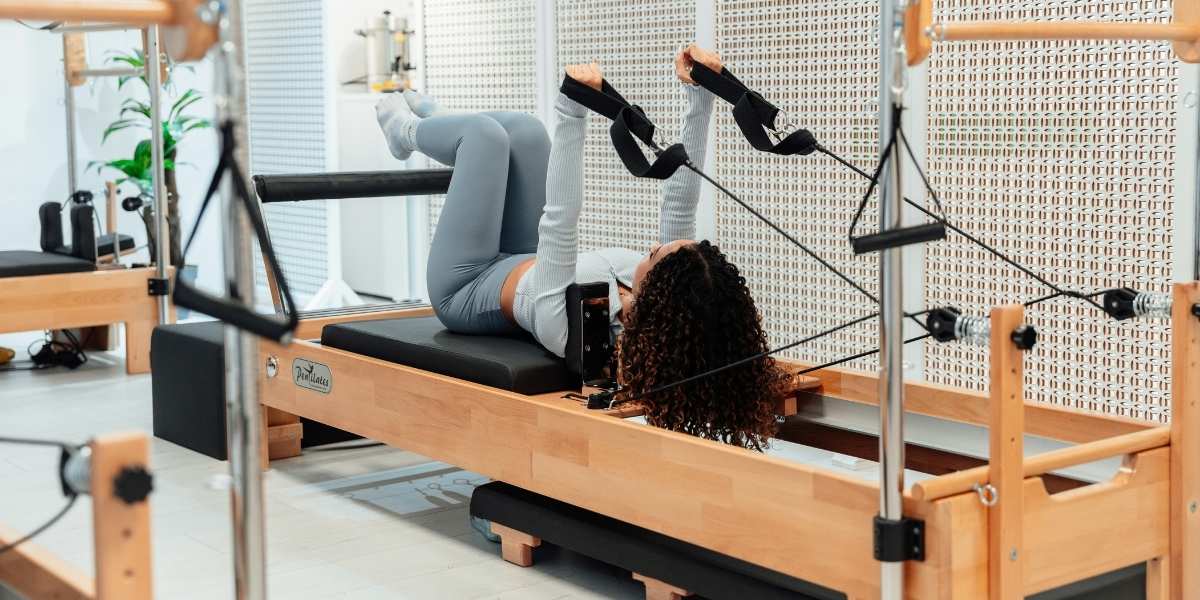
In today’s fast-paced world, where hours are spent sitting at desks or staring at screens, poor posture has become a common issue. Many people are unaware of how bad posture can affect their physical health, leading to discomfort and even chronic pain. Pilates is an effective solution for posture correction, offering a combination of strength, flexibility, and body awareness that helps individuals improve their posture and maintain proper alignment.

Read Also: The Psychology Behind Exercise and Long-Term Motivation

How Does Pilates Help with Posture Correction?

Pilates focuses on strengthening the core muscles—particularly the abdominal and back muscles—while enhancing flexibility and balance. These core muscles are essential for maintaining good posture because they provide the support needed for the spine and pelvis to align properly.

Unlike some other forms of exercise, Pilates emphasizes mindful movement and alignment, teaching practitioners to become more aware of their bodies. This body awareness is critical for correcting posture, as it helps individuals understand how to align their spine and shoulders properly throughout the day. Through consistent practice, Pilates encourages better posture both during and outside of workouts.

What Are the Key Pilates Exercises for Posture?

There are several Pilates exercises specifically designed to correct posture. These movements focus on strengthening muscles that are vital for good alignment while increasing flexibility. Some of the most effective exercises include:

  1. The Pelvic Curl: This exercise targets the lower back and core, helping to stabilize the spine and improve lumbar alignment.

  2. The Saw: The saw stretches the back, shoulders, and hamstrings while improving spinal mobility, helping to align the upper body and correct rounded shoulders.

  3. The Swimming: A back extension exercise that strengthens the upper back muscles and improves spinal extension, which helps correct slouching.

  4. The Spine Stretch Forward: This exercise works on flexibility and strengthening the spine, focusing on the lengthening of the spine and maintaining proper alignment.

Each of these exercises engages key muscle groups that support posture, making Pilates a great option for those looking to improve their alignment.

How Does Pilates Compare to Other Posture Correction Methods?

Unlike traditional strength training or cardio exercises, Pilates combines both flexibility and strength training. This dual approach makes it particularly effective for improving posture. While weightlifting or other forms of exercise focus on building isolated muscles, Pilates targets deep stabilizing muscles that are often neglected in other workouts.

In addition, Pilates encourages controlled movements and emphasizes breathing techniques, which helps to engage muscles in a way that improves overall body alignment. Other methods of posture correction, such as stretching or yoga, may focus on flexibility but do not always target the specific muscle groups necessary for optimal alignment. Pilates provides a more comprehensive approach to correcting posture by strengthening and lengthening the muscles.

Can Pilates Be Used to Prevent Future Posture Issues?

One of the key benefits of practicing Pilates regularly is that it not only corrects poor posture but also helps to prevent posture-related issues in the future. By building a strong core and improving body awareness, Pilates practitioners develop habits that promote better posture throughout their daily routines.

Pilates teaches individuals to be mindful of their posture while sitting, standing, or walking. With improved posture habits, they are less likely to experience muscle imbalances or discomfort associated with poor alignment. Additionally, the strengthening of the muscles around the spine ensures that the body maintains proper alignment, reducing the risk of injuries that may result from bad posture.

How Often Should You Practice Pilates for Posture Correction?

To see noticeable improvements in posture, consistency is key. Practicing Pilates two to three times a week can yield positive results. However, for those new to Pilates or with significant posture issues, more frequent sessions may be recommended to build strength and muscle memory.

Even if you can’t make it to a Pilates class, incorporating simple Pilates exercises into your daily routine can also be beneficial. For instance, taking short breaks throughout the day to stretch or strengthen your core muscles can support posture correction and prevent tension from building up.

Is Pilates Suitable for Everyone?

One of the great aspects of Pilates is that it can be adapted to meet the needs of individuals at various fitness levels. Whether you’re just beginning to work on your posture or are recovering from an injury, Pilates exercises can be modified to accommodate your current abilities. With proper guidance from a trained instructor, anyone can benefit from Pilates, regardless of age or experience.

Even those with chronic posture problems or conditions like scoliosis can find relief through Pilates. The low-impact nature of Pilates exercises makes it an ideal choice for individuals looking for a gentle yet effective method to improve posture and alleviate discomfort.

Read Also: Fitness for Every Goal: Tailoring Your Workout Routine

The Long-Term Benefits of Pilates for Posture

The benefits of Pilates for posture correction extend far beyond the physical improvements. As posture improves, individuals often notice a reduction in pain, particularly in the neck, shoulders, and lower back. Over time, good posture can also enhance confidence and self-awareness, contributing to overall well-being.

Additionally, regular Pilates practice helps to reduce stress and tension in the body, leading to a greater sense of relaxation and comfort. By fostering better posture habits, Pilates creates long-term changes that can improve your quality of life.

How Breathing Exercises Can Reduce Stress and Boost Energy

Breathing Exercises: Unlocking the Power of Proper Breathing

In today’s fast-paced world, many of us are often unaware of the impact our breath has on our overall health and well-being. Breathing exercises are an effective and simple way to improve both physical and mental health. These exercises focus on proper breathing techniques that can help reduce stress, improve lung function, and promote relaxation.

Read Also: How Inflation and Deflation Affect Your Wallet

What Are Breathing Exercises?

Breathing exercises involve controlled techniques to slow down or deepen your breath. Unlike shallow breathing, which is common during stress, these exercises aim to engage the diaphragm and encourage a fuller, more rhythmic pattern of breathing. By using specific methods, breathing exercises help enhance oxygen flow, calm the nervous system, and reduce anxiety.

These exercises can be done anywhere and at any time, making them a simple yet effective tool for improving well-being. Whether you’re looking to reduce stress, improve focus, or simply relax, breathing exercises can have a profound impact.

How Do Breathing Exercises Improve Health?

Breathing exercises work by promoting deeper, more controlled breaths that stimulate the body’s natural relaxation response. This, in turn, can lower heart rate, reduce blood pressure, and decrease feelings of anxiety. Breathing exercises also help increase oxygen levels in the body, improving energy levels and enhancing overall brain function.

The benefits are wide-ranging and include improvements in physical and mental health. For example, deep breathing can alleviate symptoms of asthma, improve lung capacity, and support better digestion. Additionally, breathing exercises help activate the parasympathetic nervous system, responsible for the “rest and digest” functions, which helps bring the body back into a state of calm.

What Are the Most Effective Breathing Exercises?

There are several breathing exercises that target different aspects of health and well-being. Some of the most popular and effective exercises include:

Diaphragmatic Breathing

Also known as abdominal or deep breathing, diaphragmatic breathing is one of the most basic yet powerful exercises. It focuses on breathing deeply into the diaphragm rather than shallowly into the chest. This helps increase lung capacity, reduce stress, and improve oxygen intake.

To practice diaphragmatic breathing:

  1. Sit comfortably or lie down with your hands on your stomach.

  2. Inhale deeply through your nose, allowing your belly to rise.

  3. Exhale slowly through your mouth, feeling your belly fall.

Box Breathing

Box breathing is a simple yet effective technique used by many to reduce stress and improve focus. It involves inhaling, holding the breath, exhaling, and holding the breath again, each for a specific count.

To practice box breathing:

  1. Inhale through your nose for a count of 4.

  2. Hold your breath for 4 seconds.

  3. Exhale slowly through your mouth for 4 seconds.

  4. Hold your breath again for 4 seconds before repeating.

This rhythmic breathing pattern is calming and helps restore balance to the body.

4-7-8 Breathing

The 4-7-8 breathing technique is a simple method for calming the mind and reducing stress. By breathing in a specific pattern, you activate the body’s relaxation response, helping to promote better sleep and relaxation.

To practice 4-7-8 breathing:

  1. Inhale through your nose for 4 seconds.

  2. Hold your breath for 7 seconds.

  3. Exhale slowly through your mouth for 8 seconds.

  4. Repeat this cycle three to four times.

This technique is often used to help with sleep, but it can also be helpful during moments of heightened stress or anxiety.

Can Breathing Exercises Improve Mental Health?

Absolutely. Breathing exercises have been shown to have significant benefits for mental health. Regular practice can help manage symptoms of anxiety, depression, and PTSD by promoting relaxation and reducing stress levels.

By focusing on your breath, you can interrupt the cycle of negative thoughts and bring your attention back to the present moment. This mindfulness aspect can be particularly helpful for those dealing with anxiety, as it encourages a calming and grounding effect.

Breathing exercises are also used in mindfulness-based practices and yoga to support emotional balance and mental clarity. They help activate the body’s relaxation mechanisms, reducing the impact of stress and improving emotional regulation.

How Often Should You Practice Breathing Exercises?

To see the full benefits of breathing exercises, regular practice is essential. It’s recommended to set aside time each day for a few minutes of focused breathing. Even just 5 to 10 minutes a day can significantly reduce stress and promote better health.

Many people find it helpful to incorporate breathing exercises into their daily routine, such as before bed to improve sleep, or during work breaks to reset and refresh. Over time, you may begin to notice a reduction in stress levels and an increase in overall energy and focus.

Can Breathing Exercises Help with Physical Conditions?

Yes, breathing exercises can have a positive effect on several physical conditions. For instance, people with respiratory conditions like asthma or chronic obstructive pulmonary disease (COPD) can benefit from exercises that improve lung function and increase air intake. Diaphragmatic breathing, in particular, helps to strengthen the diaphragm and improve the efficiency of breathing.

Breathing exercises can also help with other physical symptoms such as digestive issues, headaches, and muscle tension. By promoting relaxation and reducing the body’s stress response, they contribute to overall physical well-being.

Read Also: Embracing Body Positivity and Cultivating Self-Love

Where Can You Practice Breathing Exercises?

The beauty of breathing exercises is that they can be practiced virtually anywhere—at home, at work, or even while traveling. They require no special equipment, making them a convenient tool for improving health and well-being.

While many prefer practicing breathing exercises in a quiet, relaxed environment, even in stressful situations, taking a moment to focus on your breath can bring instant relief. Whether in a meeting, while stuck in traffic, or before an important presentation, breathing exercises can help you regain focus and composure.

Unlocking Everyday Strength: The Basics of Functional Fitness

What is Functional Fitness?

In the world of fitness, there’s a buzz about something called “functional fitness.” But what does it really mean, and how can it benefit you in your daily life? Let’s dive into the basics of functional fitness – a simple yet powerful approach to exercise that goes beyond the gym and into the activities you do every day.

Functional fitness is about more than just looking good in the mirror or lifting heavy weights. It’s about training your body to handle the real-life movements you encounter regularly – from lifting groceries to bending down to tie your shoes. In essence, it’s about making your body work better for you in everyday situations.

At the heart of this fitness journey is the focus on building a strong and stable core. Your core isn’t just your abs; it includes muscles around your back, hips, and pelvis. These muscles work together to support your spine and provide a solid foundation for movement.

Everyday Movements Matter

Unlike some workout routines that isolate specific muscles, it emphasizes compound movements that mimic activities you do in your daily life. Squats, lunges, and pushing and pulling exercises are examples of functional movements that engage multiple muscle groups simultaneously.

While traditional workouts might focus on aesthetics, functional fitness is more about how your body performs. It helps improve your balance, flexibility, and coordination – crucial elements for navigating the physical demands of daily activities.

You don’t need fancy gym equipment to embrace this workout routine. Simple bodyweight exercises like squats, planks, and lunges can be done at home. These movements mimic the activities you do around the house, making your workouts practical and accessible.

Real-Life Examples

Let’s break it down with a few real-life examples of how functional fitness can make a difference:

  1. Lifting Groceries:
    • Functional fitness helps you strengthen the muscles you use when carrying heavy bags of groceries, making the task easier and less strenuous.
  2. Climbing Stairs:
    • Exercises like lunges and step-ups improve leg strength, making stair climbing a breeze.
  3. Playing with Kids:
    • Functional fitness enhances your ability to move and play with your kids, whether it’s running around the park or picking them up.
  4. Gardening:
    • Squats and bending exercises improve flexibility and strength for activities like gardening.

The beauty of functional fitness is its adaptability. It’s suitable for people of all ages and fitness levels. Whether you’re a young professional, a parent, or a retiree, incorporating functional movements into your routine can enhance your overall well-being.

Getting Started

  1. Bodyweight Exercises:

    • Start with basic bodyweight exercises like squats, lunges, and push-ups.
  2. Balance and Stability:

    • Include exercises that challenge your balance, such as standing on one leg or incorporating stability exercises with a balance ball.
  3. Functional Training Tools:

    • Consider using functional training tools like resistance bands, stability balls, or kettlebells to add variety to your workouts.
  4. Stay Consistent:

    • Consistency is key. Aim for regular, short sessions rather than sporadic, intense workouts.

Functional fitness is a practical and achievable approach to exercise that goes beyond the gym’s confines. By incorporating movements that mimic real-life activities, you not only improve your physical performance but also make your day-to-day tasks more manageable. So, let’s step away from the complicated routines and embrace the simplicity and effectiveness of functional fitness – making everyday strength a part of our lives.