Active Weekly

Keep Moving Forward

Keep Moving Forward

Keep Moving Forward

Balancing Resource Use and Sustainability in the U.S.


The United States boasts an abundant array of natural resources that are crucial to its economy, energy production, and daily life. From fossil fuels and renewable energy to fresh water and valuable minerals, the country’s natural wealth is integral to its growth and prosperity. However, the management and sustainability of these resources remain pressing issues that require careful attention and innovative solutions.

How Does the USA’s Energy Landscape Shape Its Future?

The U.S. energy sector is diverse and continuously evolving. The country is a global leader in oil production, and the discovery of vast shale reserves has made it one of the top producers worldwide. This energy abundance allows the U.S. to reduce its dependence on foreign oil, providing greater energy security. However, the environmental impact of fossil fuels, particularly coal, remains a point of contention, driving a push toward renewable energy sources.

Wind and solar energy are two of the fastest-growing sectors in the U.S. as more states invest in clean energy. These resources are seen as crucial for reducing greenhouse gas emissions and combating climate change. States like Texas, California, and Iowa are leading the charge in harnessing wind power, while the deserts of the Southwest are home to some of the largest solar farms in the world. As technology advances and costs decline, renewable energy is expected to become an even larger part of the U.S. energy mix.

Nuclear energy also plays a significant role in the U.S. energy infrastructure, providing a low-carbon alternative to fossil fuels. While public opinion remains divided over safety concerns, nuclear energy continues to be an essential part of the conversation as the country strives to meet its energy needs while addressing environmental challenges.

Why Is Water So Vital to the U.S. Economy and Environment?

Water is another essential natural resource that the U.S. cannot afford to overlook. With its vast river systems, lakes, and aquifers, the country has historically been blessed with plentiful water supplies. However, water scarcity is becoming an increasing concern in many regions, particularly in the West and Southwest, where droughts and overuse have stressed water systems.

Agriculture is one of the largest consumers of water in the U.S., and as the demand for food increases, the pressure on water supplies intensifies. Innovations in irrigation and water conservation are helping farmers use water more efficiently, but the challenges of balancing water usage with growing demand are far from solved.

Urban areas also face water supply challenges, as aging infrastructure and population growth put additional pressure on freshwater systems. Cities across the U.S. are turning to alternative solutions, such as desalination plants and water recycling, to ensure a reliable water supply. These technologies are still in the early stages of development but hold promise for regions that are struggling with droughts and water shortages.

What Are the USA’s Most Valuable Minerals and How Are They Used?

Minerals are a fundamental part of the U.S. economy, supporting industries ranging from construction to technology. The U.S. is rich in a variety of minerals, with some of the most valuable being copper, gold, silver, and rare earth elements. These materials are crucial in the manufacturing of electronics, infrastructure, and renewable energy technologies.

Copper, for instance, is widely used in electrical wiring and renewable energy systems, including wind turbines and solar panels. The demand for copper is expected to grow as the world transitions to cleaner energy solutions. Gold remains a store of value and is essential in electronics and medicine. While the U.S. has vast gold reserves, the country relies on imports for much of its supply, with countries like China and Russia becoming dominant players in global gold markets.

Rare earth elements are a group of minerals that are critical for the production of high-tech devices such as smartphones, electric vehicles, and military equipment. Although the U.S. has some domestic reserves of these minerals, it is heavily dependent on imports, particularly from China, which controls a significant portion of the global supply. As demand for these minerals rises, there is growing interest in developing domestic sources and alternative supply chains.

The extraction of minerals also presents environmental and social challenges. Mining operations can lead to habitat destruction, water contamination, and the displacement of communities. Balancing the economic benefits of mining with its environmental costs remains a contentious issue, requiring ongoing innovation in sustainable mining practices and stronger regulatory oversight.

How Can the U.S. Balance Resource Use with Sustainability?

While the U.S. is rich in natural resources, managing these resources sustainably is essential for long-term prosperity. As the population grows and consumption increases, the pressure on these resources will only intensify. The key challenge for the country will be to balance economic growth with environmental protection.

One promising approach is the concept of a circular economy, where materials are reused, recycled, and repurposed to minimize waste and reduce the need for raw materials. In the case of energy, this could mean greater investments in energy efficiency and the development of smart grids that optimize energy distribution and reduce consumption.

For water, innovations in water purification, reuse systems, and sustainable farming practices can help ensure that this vital resource remains available for future generations. As for minerals, the U.S. is increasingly focused on recycling and reusing critical materials to reduce reliance on mining and imports.

The role of government policy in shaping resource management cannot be overstated. As the U.S. addresses the dual challenges of resource depletion and environmental degradation, it will need strong regulations, investment in research and development, and public-private partnerships to support sustainable practices.

Regenerative Agriculture: Empowering Women to Make Sustainable Food Choices

In recent years, women have become increasingly aware of the environmental impact of their food choices. As more people become concerned about how their food is produced, regenerative agriculture has emerged as a promising solution for those seeking more sustainable practices. This farming method aims to produce healthy food and focuses on improving the environment and restoring the land. For women who care deeply about sustainability, regenerative agriculture can align their values with their food choices, contributing to a healthier planet.

Understanding Regenerative Agriculture

Regenerative agriculture is a farming approach that goes beyond simply sustaining the land—it actively works to regenerate it. This method includes rotating crops, using cover crops, reducing or eliminating chemical inputs, and incorporating livestock into farming systems. The goal is to enhance the health of the soil, increase biodiversity, and improve water cycles. Unlike conventional farming, which can deplete the land over time, regenerative agriculture seeks to create a system that mimics natural processes and benefits the environment.

For women conscious of their environmental footprint, regenerative agriculture represents a shift towards more responsible food production. By supporting farms that use regenerative practices, they can help promote a system that is not only sustainable but also restorative. This means the land becomes healthier over time, improving food quality and reducing environmental impact. It’s a holistic approach that considers the long-term health of the ecosystem, which many women find appealing as they look for ways to live more sustainably.

The Role of Women in Promoting Sustainable Practices

Women have always played a crucial role in food production through farming, gardening, or simply deciding what to put on the dinner table. As interest in regenerative agriculture grows, women increasingly take on leadership roles. They are becoming more involved in farming, advocacy, and education, helping to spread awareness about the benefits of regenerative practices. This involvement empowers women and is crucial for the wider adoption of sustainable farming methods.

Many women are drawn to regenerative agriculture because it aligns with their values of nurturing and caring for the environment. By supporting regenerative farms, they are making a statement about the world they want to live in. This choice goes beyond just food; it’s about fostering a connection with the land and contributing to the planet’s health. Women who engage in regenerative practices, whether as farmers, consumers, or advocates, are helping to lead the way towards a more sustainable future.

The rise of women-led initiatives in regenerative agriculture also inspires more people to get involved. Through workshops, community projects, and social media, women share their knowledge and encourage others to consider the impact of their food choices. This grassroots movement is making a significant impact as more people learn about the benefits of regenerative agriculture and how it can contribute to a healthier environment.

Making Sustainable Food Choices

For those interested in supporting regenerative agriculture, making sustainable food choices is a great place to start. This means looking for products sourced from farms using regenerative practices, whether at the grocery store, farmers’ markets, or through direct purchases from local farms. Understanding where your food comes from and how it’s produced is key to making choices that align with your values.

Women committed to sustainability often find that regenerative agriculture offers a way to make a tangible difference. By choosing food from regenerative farms, they can reduce their environmental footprint and support farming practices that are good for the planet. This benefits the environment and supports farmers who are dedicated to creating a more sustainable food system.

In addition to buying regenerative products, getting involved in the movement can be incredibly rewarding. Whether volunteering at a local farm, participating in community-supported agriculture (CSA) programs, or simply educating others about the importance of regenerative practices, there are many ways to contribute. The more people become aware of and support regenerative agriculture, the more significant the impact will be on our food system and the environment.

Regenerative agriculture is more than just a trend—it’s a powerful movement towards a more sustainable and environmentally friendly way of farming. For women conscious of the impact of their food choices, regenerative agriculture offers a way to make a positive difference. By understanding the principles of regenerative farming, supporting women-led initiatives, and making sustainable food choices, they can help drive the change towards a healthier planet. As more women become involved in this movement, the potential for creating a lasting impact on our food system and environment continues to grow.

Why Celebrity-Driven Content Is Dominating Pop Culture

How Celebrities and Influencers Shape Entertainment Choices

Celebrities and influencers have evolved from figures on the big screen or social media platforms to central characters in shaping entertainment choices. Their influence goes beyond just endorsing products—they are the trendsetters who drive popular culture, influence lifestyle decisions, and even impact political views. Whether it’s through Instagram, TikTok, or traditional media, these figures play a direct role in how entertainment content is consumed.

Their presence in daily life makes them essential in the world of content creation and distribution, often determining the success or failure of movies, shows, and music. In many cases, fans look to celebrities and influencers for their opinions on what’s “hot” in the entertainment world, turning them into crucial tastemakers. But how exactly do they influence our choices, and what does this mean for the future of entertainment?

Why Are Celebrities and Influencers So Impactful in Entertainment?

Celebrities and influencers hold incredible power because of the deep connection they have with their audience. In the digital age, social media has allowed celebrities to build personal brands and interact directly with fans, creating a sense of closeness and trust. As a result, their endorsements or casual mentions of a particular show, movie, or product can catapult it to success.

Research shows that the authenticity of a celebrity’s relationship with their audience is crucial in determining their influence. The more relatable and genuine they appear, the more likely their followers will embrace their opinions. Influencers, in particular, thrive on maintaining this “real” connection with their followers, often positioning themselves as accessible and trustworthy sources of recommendations.

In the realm of entertainment, celebrities and influencers have the power to boost ticket sales, streaming numbers, and social media buzz for upcoming releases. Their involvement can mean millions of dollars in revenue, turning a relatively unknown project into a cultural phenomenon. One need look no further than influencer-driven campaigns on TikTok or the effect of celebrity appearances in promotional content, which often lead to a surge in engagement and viewership.

How Do Social Media Platforms Amplify Their Influence?

Social media has fundamentally changed how content is consumed and how celebrities and influencers engage with their audiences. Platforms like Instagram, TikTok, and YouTube allow for the instantaneous sharing of opinions, photos, and videos, which keeps fans constantly engaged with their favorite personalities.

On TikTok, influencers often showcase viral trends, whether it’s a dance challenge or a reaction video to an upcoming movie. These short, bite-sized pieces of content have the power to spark trends that spread like wildfire across the internet, making entertainment choices more accessible to a younger, tech-savvy audience. Celebrities also use these platforms to release sneak peeks, behind-the-scenes looks, and other exclusive content that draws fans in and builds anticipation for upcoming projects.

In many cases, social media platforms are the primary channels through which movies, television shows, and even live events build momentum. Celebrities and influencers use their personal accounts to promote content directly to millions of followers, bypassing traditional advertising methods. When a high-profile celebrity shares their thoughts on a trending TV show or movie, it becomes more than just a suggestion—it becomes an endorsement that many fans are likely to follow.

The algorithms used by platforms like Instagram and TikTok prioritize content that generates high engagement. This means that if a celebrity or influencer posts about a particular piece of entertainment, it is more likely to be seen by a massive audience, ensuring that the content gets the visibility it needs to thrive.

How Does Celebrity-Driven Content Affect Pop Culture?

The entertainment industry has always been influenced by the cultural climate, but in today’s digital landscape, celebrity-driven content is directly intertwined with the fabric of pop culture. Celebrities, especially those with large social media followings, can influence everything from fashion trends to political conversations, creating a ripple effect that shapes wider societal norms and values.

For example, when a high-profile celebrity like Beyoncé releases a new album, it’s not just the music that gets attention—it’s the cultural impact that follows. Fashion trends, social justice movements, and political conversations often accompany celebrity-driven media, making them central to the wider discourse in entertainment.

Similarly, influencers shape the digital landscape by introducing niche forms of entertainment to their followers. The rise of gaming influencers is one such example. Many influencers on platforms like Twitch and YouTube have turned gaming into a mainstream form of entertainment, attracting not only players but viewers who consume gaming content as a form of media. The success of influencers in this space has led to games being more interactive, engaging, and aligned with trends set by social media stars.

The strong presence of celebrity-driven content means that what celebrities endorse can quickly become mainstream. It’s not just about what they wear or where they go, but about the very shows, movies, and music they choose to highlight. This close relationship between celebrity culture and entertainment choices means that today’s trends often emerge directly from the online habits of influencers.

What Does the Future Hold for Celebrity and Influencer Content?

Looking toward the future, it seems likely that the influence of celebrities and influencers will only grow stronger as digital platforms continue to evolve. The growing prominence of virtual reality (VR) and augmented reality (AR) could provide even more ways for celebrities to engage with their fans and promote content. With the ability to create immersive experiences, celebrities could take their audiences directly into the worlds of the entertainment they endorse.

The rise of NFTs (non-fungible tokens) and metaverse platforms may change how entertainment content is distributed and consumed. Celebrities and influencers could potentially create their own digital content that is exclusive to these new platforms, offering fans access to virtual events, live shows, or even personal interactions.

Another trend that could dominate the future is influencer-led streaming platforms. As influencers continue to build loyal fanbases, the idea of them creating their own content or even their own streaming services is becoming more realistic. By directly bypassing traditional media channels, influencers could shape the entertainment landscape on their own terms.

The line between content creator and celebrity continues to blur, and this will lead to more creative, diverse, and influential content being produced. One thing is certain: whether it’s a TV show, movie, or music video, celebrity and influencer content will remain a key player in shaping how entertainment is consumed around the world.

Explore U.S. Cities Through Art and Architecture

For many travelers, urban areas are the heartbeat of a country’s art and architecture scene. In the United States, major cities are home to a dynamic blend of historical buildings, contemporary designs, and world-class art collections that draw visitors from across the globe. Whether you’re exploring iconic museums, vibrant street art, or the architectural wonders of different eras, the U.S. offers an endless array of experiences for those looking to immerse themselves in culture.

This will guide you through some of the most enriching art and architecture experiences found in urban U.S. settings, providing you with ideas for your next cultural journey.

How Do U.S. Cities Blend Art, Architecture, and History?

Across the United States, cities are known for their unique architectural styles, which reflect different periods in history. From the colonial influences of the East Coast to the sleek modern skyscrapers of the West, every city has a distinctive look that tells its own story.

New York City, for instance, showcases a magnificent mix of Art Deco buildings, modern skyscrapers, and historical brownstones. The iconic Empire State Building represents one of the most well-known examples of early 20th-century architecture, while areas like Greenwich Village offer a glimpse into the city’s bohemian past with its charming townhouses and narrow streets. In addition to its architectural landscape, New York’s museums, such as The Museum of Modern Art (MoMA) and The Metropolitan Museum of Art, house some of the world’s most significant collections of art, offering a blend of past and present for cultural enthusiasts.

Meanwhile, in Chicago, visitors are treated to a city built by some of the most influential architects in history, including Frank Lloyd Wright and Louis Sullivan. The Chicago School of Architecture led to the development of the first skyscrapers, and the city’s Lake Michigan waterfront is dotted with iconic modern buildings. Art lovers can also visit the Art Institute of Chicago, which boasts works from Monet to Picasso, making it a must-see destination for anyone passionate about fine arts.

What Role Do Museums and Galleries Play in Cultural Exploration?

One of the best ways to experience art and architecture in urban U.S. settings is by visiting the many museums and galleries that offer a deep dive into the nation’s artistic history. Museums not only house collections from classical and modern art but also serve as the custodians of cultural heritage, preserving pieces that reflect the diverse American experience.

In Washington, D.C., the Smithsonian Institution—with its array of museums and galleries—offers free access to some of the most prestigious collections in the world. The National Gallery of Art, with its impressive architecture and fine art collections, is a major draw. The Hirshhorn Museum and Sculpture Garden showcases modern art with a focus on sculptures, making it an excellent stop for those interested in contemporary works.

Los Angeles is another city where the museum scene blends perfectly with the urban landscape. The Getty Center, perched on a hill overlooking the city, combines art with spectacular views and innovative architecture. The Los Angeles County Museum of Art (LACMA), with its expansive collection spanning centuries of global art, offers an immersive experience for any traveler.

Smaller cities are not to be overlooked either. Santa Fe, known for its vibrant Southwestern architecture and art scene, is a haven for those interested in indigenous art forms and contemporary works influenced by Native American traditions. The Georgia O’Keeffe Museum offers a deep dive into the works of the iconic painter, whose unique perspectives on the American landscape have inspired generations.

How Does Public Art and Street Culture Enhance Urban Landscapes?

Aside from museums and traditional galleries, public art is an essential part of the urban art scene, bringing culture to the streets. In many U.S. cities, murals, sculptures, and interactive installations are found on nearly every corner, giving travelers an opportunity to engage with art in a more accessible and immersive way.

In Philadelphia, the Mural Arts Program has transformed the city into a living canvas, with over 3,000 murals displayed throughout the neighborhoods. Walking through these areas offers visitors a glimpse into the city’s diverse cultural history, from African American heritage to contemporary urban life. The murals not only celebrate local artists but also give a voice to community stories, creating a strong sense of identity and belonging.

Similarly, Miami is known for its vibrant street art scene, particularly in the Wynwood Walls district. Here, the streets themselves are an ever-evolving gallery, with global street artists contributing to a colorful and dynamic urban environment. The Art Basel festival in Miami is another significant cultural event, where contemporary art from around the world is showcased, often involving innovative installations and large-scale public art pieces.

San Francisco also has a rich history of public art, with the famous Coit Tower murals as a historical example. More modern contributions include installations along the Embarcadero and in Golden Gate Park, where art blends with the natural beauty of the region.

How Can Travelers Fully Immerse Themselves in Art and Architecture?

For travelers seeking an immersive experience in art and architecture, a deeper engagement goes beyond simply visiting museums or iconic buildings. Joining walking tours led by experts can provide insightful context, explaining how the city’s art and architecture have shaped its culture and history. Many cities, including New York, San Francisco, and Chicago, offer architectural tours that showcase the most famous structures, as well as hidden gems that reflect the local aesthetic.

Participating in workshops or artist-led classes is another way to engage with a city’s creative pulse. In places like Santa Fe or New Orleans, travelers can experience firsthand the creative process, whether it’s pottery, painting, or learning how to incorporate local materials into design projects. Such experiences allow for a deeper appreciation of how art and architecture influence the culture of a place.

Attending art events like gallery openings or art festivals can give travelers a taste of the local art scene, where they can meet artists, discuss their work, and witness live performances or art installations.

Understanding US Education: Policies and Systems Explained

What Defines the Structure of the US Education System?

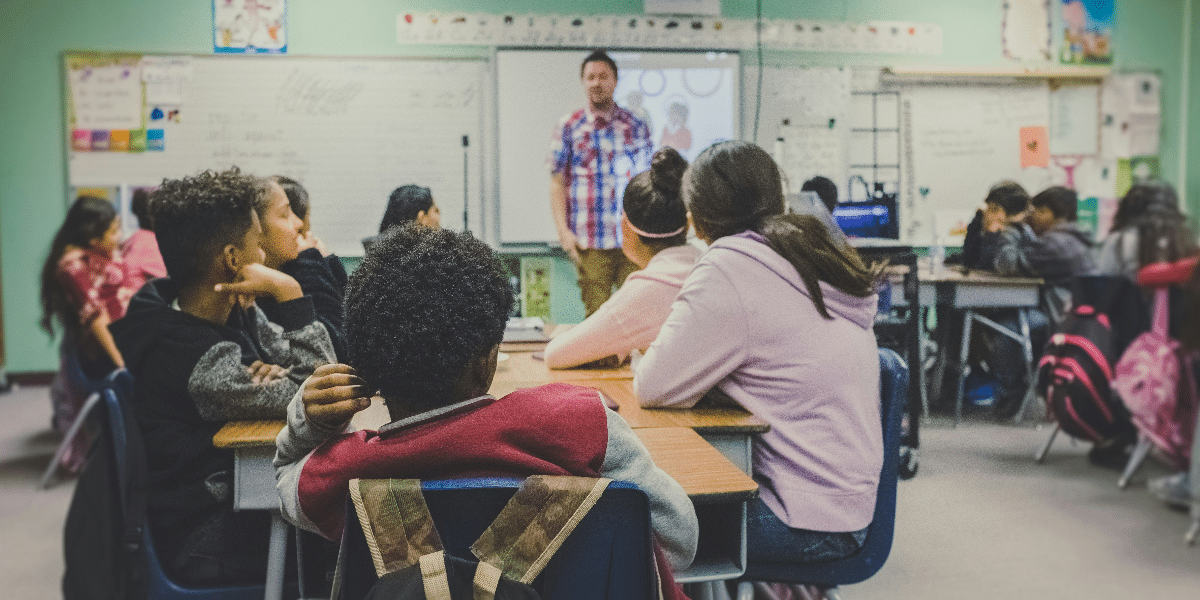
The United States education system is unique in its decentralized approach, where responsibility primarily lies with state and local governments. This structure allows for significant variability in education policies, curricula, and funding across the country. Public schools, which serve the majority of students, are primarily funded through local property taxes, leading to disparities in resources based on geographic regions.

The system is divided into three main levels: elementary, middle, and high school, followed by optional higher education. Each level builds foundational skills, preparing students for the next stage. The emphasis on standardized testing, particularly in public schools, has been a defining feature, used to measure academic achievement and allocate funding. However, debates about the effectiveness of these tests and their impact on teaching methods continue to shape policy discussions.

The United States also boasts a diverse range of private schools and homeschooling options, offering families alternatives to public education. This variety reflects the country’s emphasis on choice and flexibility in learning, though access to quality education remains a challenge in underserved communities.

How Do US Education Policies Address Current Challenges?

Education policies in the US are designed to tackle a wide array of challenges, from ensuring equitable access to addressing the changing needs of the workforce. Programs like Title I funding aim to bridge resource gaps in low-income schools, providing additional support for students who are at a disadvantage. Similarly, the Individuals with Disabilities Education Act (IDEA) ensures that students with disabilities receive tailored instruction and necessary accommodations.

Another pressing issue is the cost of higher education. Federal initiatives, such as Pell Grants and subsidized loans, aim to make college more accessible, but rising tuition fees and student debt remain significant concerns. Policymakers are exploring alternatives, including tuition-free community college proposals and income-driven repayment plans for student loans, to alleviate these burdens.

The COVID-19 pandemic also brought new challenges to light, including the digital divide. Efforts to expand broadband access and integrate technology into classrooms are now central to education policy, ensuring students can succeed in an increasingly digital world. Additionally, mental health initiatives in schools are gaining traction as the nation grapples with the emotional and psychological toll of recent events on students and educators.

Why Is US Education a Constant Topic of Reform?

The US education system is frequently a subject of reform because it must adapt to the evolving needs of society. Economic changes, technological advancements, and shifting demographics require the system to continuously innovate. For instance, the growing demand for STEM (science, technology, engineering, and math) professionals has led to an increased emphasis on STEM education in schools, supported by grants and partnerships with industries.

Equity remains a cornerstone of reform efforts. Persistent achievement gaps between students of different racial, socioeconomic, and geographic backgrounds have prompted calls for systemic changes. School choice programs, including charter schools and voucher systems, are part of the ongoing debate on how to provide quality education to all students. While these programs offer alternatives, critics argue they can drain resources from traditional public schools.

Global competition is another driving force behind education reform. As the US strives to maintain its leadership in innovation and economic growth, the need to produce a highly skilled workforce becomes more pressing. Policies that encourage bilingual education, critical thinking, and collaboration are being prioritized to prepare students for an interconnected world.

The Evolving Landscape of US Education

The US education system is a reflection of the country’s diversity and complexity, constantly adapting to meet the needs of its people. From addressing inequities to integrating new technologies, the system faces challenges that require thoughtful and collaborative solutions. By balancing tradition with innovation, policymakers, educators, and communities are shaping a future where education remains a cornerstone of opportunity and growth.

As discussions about funding, curriculum, and accessibility continue, it’s clear that the US education system will remain a dynamic and vital part of the nation’s progress. Whether focusing on early childhood programs or reimagining higher education, the goal is to equip all students with the skills they need to thrive in a rapidly changing world.

Everyday Essentials Reimagined: How Hoodies and T-Shirts Are Becoming Fashion Statements

In recent years, everyday essentials like hoodies and t-shirts have undergone a dramatic transformation. What were once considered casual staples are now being reimagined as high-fashion pieces. Designers are experimenting with new shapes, materials, and styles to turn these basic items into statement pieces. The rise of streetwear and the blending of casual and luxury fashion has pushed this trend forward, making hoodies and t-shirts a must-have in the wardrobes of fashion-forward individuals.

With designers taking these simple garments to the next level, everyday wear is no longer just about comfort—it’s about making a bold statement while maintaining an effortlessly cool vibe. But how are these classic items being transformed, and why is this trend gaining so much popularity?

How Are Designers Redefining the Hoodie?

The hoodie, once reserved for lazy weekends or workouts, has now taken center stage in fashion. Designers are elevating this humble garment by playing with shapes, fabrics, and cuts, making it a versatile piece that can be worn in both casual and formal settings. The reimagined hoodie is no longer just a comfortable sweatshirt—it’s a canvas for creativity.

Luxury brands like Balenciaga and Off-White have been at the forefront of this trend, offering oversized hoodies with bold logos, intricate designs, and unique silhouettes. These high-fashion takes on the hoodie offer a fusion of comfort and style, allowing wearers to stay cozy while also looking fashionable. The oversized fit has been particularly popular, as it adds an element of drama and nonchalance, perfect for those looking to make a statement without trying too hard.

In addition to playing with size, designers are also experimenting with materials. Hoodies made from premium fabrics like cashmere, velvet, or even leather give a luxurious twist to this everyday item. These elevated materials not only feel great but also transform the hoodie into something that can be worn in more formal settings, paired with tailored pants or skirts for a sleek, modern look.

Customization is another way hoodies are being transformed. From embroidered designs to patches and personal touches, the hoodie is becoming a piece that reflects individuality. This shift is part of a broader movement in fashion where consumers are looking for ways to express themselves through their clothing, and the hoodie, once a symbol of casual simplicity, is now a canvas for that expression.

Why Are T-Shirts Becoming High-Fashion Pieces?

The t-shirt has always been a wardrobe staple, but now it’s being transformed into a high-fashion item through thoughtful design and innovative details. What makes the t-shirt so versatile is its simplicity, and designers are taking advantage of that blank slate to create unique, eye-catching pieces that elevate this basic garment.

One of the ways designers are reimagining the t-shirt is through graphics and prints. Brands like Gucci and Givenchy have introduced bold, statement-making t-shirts with artistic graphics, vintage-inspired logos, and striking imagery. These designs transform the t-shirt from something basic into a focal point of an outfit. By combining a simple silhouette with bold visuals, designers are proving that even the most casual of items can become a statement piece.

Another element designers are playing with is the fit. Just like hoodies, t-shirts are being offered in a range of styles, from oversized and boxy to cropped and fitted. This variety of cuts allows people to mix and match t-shirts with different types of outfits, whether it’s paired with high-waisted jeans for a casual look or tucked into a tailored skirt for a more polished ensemble.

Fabrics are also a big part of what’s making t-shirts more elevated. Designers are using high-quality materials like organic cotton, silk, or bamboo blends to make the t-shirt feel more luxurious. The fabric upgrade turns this classic piece into something that’s not just about comfort but also about texture and quality. With soft, breathable fabrics and attention to detail, the t-shirt can be both casual and chic at the same time.

The versatility of the t-shirt, combined with its new high-fashion status, makes it a key piece in the modern wardrobe. Whether it’s dressed up with a blazer or worn casually with joggers, the t-shirt is becoming a go-to item for those who want to blend comfort with style.

What Is Driving the Trend of Everyday Staples in High Fashion?

The rise of streetwear culture and the blending of casual and luxury fashion have been major forces behind the trend of everyday staples like hoodies and t-shirts being transformed into high-fashion pieces. Streetwear, which originated from skate and hip-hop cultures, has brought a more relaxed, laid-back aesthetic to high-end fashion, and this shift has resonated with consumers who value comfort just as much as style.

One of the reasons why these staples are gaining popularity in high fashion is the increasing desire for versatility. In today’s fast-paced world, people want clothes that can transition easily from one setting to another. Hoodies and t-shirts, when designed with elevated details, offer the perfect solution. They can be worn to casual outings, work, or even formal events when styled correctly. This versatility is what makes these reimagined basics so appealing—they fit seamlessly into modern, on-the-go lifestyles.

Moreover, the focus on sustainability in fashion has encouraged many designers to rethink how they approach everyday essentials. By using higher-quality materials and designing pieces that are timeless rather than trendy, designers are creating garments that can be worn over and over again. This shift toward sustainable fashion makes hoodies and t-shirts not just convenient but also responsible choices for consumers looking to reduce their fashion footprint.

Finally, the growing importance of individuality in fashion has driven the desire to customize and personalize everyday items. People are no longer satisfied with mass-produced clothing; they want pieces that reflect their personality and style. Hoodies and t-shirts, once seen as simple, can now be customized with logos, designs, and even personal statements, giving wearers the ability to express themselves through their clothing in a way that feels authentic and unique.

The reimagining of everyday essentials like hoodies and t-shirts has transformed these wardrobe staples into fashionable statement pieces. Through innovative designs, high-quality materials, and an emphasis on versatility, designers are proving that these simple garments can be just as stylish and impactful as any high-fashion item. Whether you’re looking to stay comfortable or make a statement, these elevated basics offer the perfect blend of fashion and function for today’s modern wardrobe.

Empowering Women: The Rise of Female Entrepreneurship

Hey there, trailblazers and aspiring business moguls! If you’re passionate about smashing glass ceilings and making your mark on the world, you’re in the right place. Female entrepreneurship is on the rise, and women from all walks of life are seizing the opportunity to turn their dreams into reality, one business venture at a time. So, grab your laptop and get ready to be inspired as we explore the power of female entrepreneurship and its role in promoting economic empowerment for women around the globe.

Breaking Barriers

Let’s start with the basics. For far too long, women have faced barriers to entry in the world of entrepreneurship, from lack of access to capital and resources to societal expectations and gender stereotypes. But guess what? We’re not letting that hold us back anymore. Thanks to the tireless efforts of trailblazing women who came before us and the growing support of organizations and initiatives dedicated to promoting women’s entrepreneurship, barriers are being shattered, and doors are being opened for women entrepreneurs everywhere.

From tech startups to fashion brands to social enterprises, women-owned businesses are taking the world by storm, driving innovation, creating jobs, and making a positive impact on their communities and beyond. According to the National Association of Women Business Owners (NAWBO), women-owned businesses account for nearly 40% of all businesses in the United States, generating trillions of dollars in revenue and employing millions of people nationwide. And the best part? We’re just getting started.

Supporting Female Entrepreneurs

But building a business isn’t always easy, especially for women who face unique challenges and obstacles along the way. That’s why it’s crucial to support and empower female entrepreneurs at every stage of their journey. Whether it’s through mentorship programs, networking opportunities, access to funding and resources, or policy advocacy, there’s no shortage of ways to lift up women entrepreneurs and help them succeed. Because when women succeed, we all succeed.

Impact on Economic Empowerment

But why does female entrepreneurship matter, you ask? Well, for starters, it’s a powerful tool for promoting economic empowerment and gender equality. By giving women the opportunity to start and grow their own businesses, we’re not only creating economic opportunities for individuals and families but also driving broader social and economic change. Studies have shown that when women are economically empowered, they reinvest in their families and communities, lifting others up along the way and breaking the cycle of poverty for future generations.

But the benefits of female entrepreneurship don’t stop there. Women bring unique perspectives, experiences, and ideas to the table, driving innovation and diversity in the business world. By fostering an environment where women feel empowered to unleash their creativity and pursue their passions, we’re not only building stronger, more resilient businesses but also shaping a more inclusive and equitable society for all.

Championing Women’s Rights

And let’s not forget the role of female entrepreneurship in championing women’s rights and advancing gender equality on a global scale. When women have the economic power and autonomy to control their own destinies, they’re better able to advocate for their rights, challenge discriminatory practices, and effect positive change in their communities and beyond. By supporting women-owned businesses and promoting women’s entrepreneurship, we’re not just building businesses—we’re building a better world for everyone.

From Silicon Valley startups to Main Street boutiques, female entrepreneurship is on the rise, and the impact is undeniable. By breaking down barriers, fostering innovation, and promoting economic empowerment, women entrepreneurs are not only building successful businesses but also driving positive social and economic change around the world. So, here’s to the fearless women who dare to dream big, take risks, and make their mark on the world. The future is female, and the possibilities are endless!

Unlocking the Potential of Remote Work

Why Is Remote Work Becoming the New Norm?

Remote work has fundamentally transformed how businesses operate, offering a level of flexibility that reflects the evolving needs of the modern workforce. While remote work gained widespread adoption during the pandemic out of necessity, its long-term benefits have ensured it remains a core part of workplace strategies for many industries.

One of the biggest shifts has been how remote work empowers employees to reclaim time once lost to long commutes. It provides the freedom to design their days around personal priorities while maintaining productivity. Whether it’s working from a home office, a café, or another country, employees value the autonomy to choose where and how they work.

Businesses have also reaped benefits. Remote work eliminates significant overhead costs, such as office space rentals, utilities, and on-site amenities. Companies like Twitter and Spotify have leaned into this change by offering permanent remote work options. These decisions highlight a broader recognition that location no longer dictates an employee’s ability to deliver results.

Hybrid work models—where employees split time between remote and in-office settings—are also gaining popularity. These models strike a balance between collaboration and individual flexibility. Team members gather in offices for brainstorming sessions or training, while focusing on independent tasks remotely. This hybrid approach caters to both employees seeking autonomy and businesses requiring in-person interaction for certain operations.

This shift is more than a logistical adjustment; it signals a cultural transformation in the workplace. Employees increasingly view flexibility as integral to job satisfaction, while employers recognize that trust and results matter more than physical presence. Remote work has become a symbol of progress, reflecting a future where work adapts to the individual rather than the other way around.

How Do Flexible Arrangements Benefit Businesses and Employees?

Flexible work arrangements go beyond remote work to offer employees greater control over their schedules and priorities. By empowering individuals to balance their personal and professional lives, these arrangements contribute to healthier, more productive workplaces.

Employees benefit significantly from the autonomy to shape their workdays. A flexible schedule allows them to align their work hours with personal commitments. For example, a working parent might start earlier in the day to attend a child’s school event in the afternoon without sacrificing performance or career growth. Others might adjust their hours to work during their most productive periods, increasing focus and efficiency.

For businesses, flexible arrangements offer a competitive edge in attracting top talent. In a globalized world, companies are no longer restricted to hiring locally. They can tap into diverse talent pools from different time zones and cultures, creating dynamic teams with fresh perspectives. This global reach also allows businesses to operate more efficiently across different time zones, serving clients and customers around the clock.

Moreover, flexible arrangements contribute to reducing workplace burnout, a growing concern for many organizations. Employees who feel supported in managing their workload are less likely to experience stress and more likely to maintain long-term productivity. Businesses see the payoff in higher retention rates and reduced recruitment costs, making flexibility a win-win strategy.

What Does the Future of Work Look Like?

The future of work is being redefined by rapid technological advancements and shifting workforce priorities. Remote and flexible work models have proven effective, but the evolution of work doesn’t stop there. Businesses must continue to innovate and adapt to stay relevant in a world where the expectations of both employers and employees are constantly changing.

Technology is at the forefront of this transformation. Tools like Zoom, Slack, and Asana have already made remote collaboration seamless, but advancements in areas like virtual reality (VR) and augmented reality (AR) are taking things further. Imagine a virtual office where team members from different corners of the world can interact as though they’re in the same room. These immersive technologies are opening doors to new possibilities for connection and productivity.

Office spaces are also undergoing significant changes. The traditional office model—rows of desks in rigid layouts—is giving way to flexible, purpose-driven spaces. Modern offices are becoming hubs for creativity and collaboration, designed for group activities like brainstorming and networking rather than everyday tasks. This hybrid approach ensures employees can benefit from both face-to-face interaction and the focus that remote work offers.

Employee well-being will remain a central focus as businesses adapt to these changes. Companies are implementing programs to support mental health, providing ergonomic tools for home offices, and encouraging healthy work-life boundaries. Policies that limit after-hours communication or offer mental health days are becoming more common, signaling a broader commitment to supporting employees.

Sustainability is also shaping the future of work. Flexibility, supported by innovation and empathy, is the foundation of the future workplace. Businesses that embrace this shift will not only attract top talent but also create a more adaptable, resilient workforce. By aligning their strategies with employee needs and technological advancements, companies can thrive in this ever-changing landscape.

The Role of the Internet in Natural Disaster Response

Natural disasters such as wildfires, earthquakes, and tropical storms have a profound impact on communities and the environment. But beyond the immediate physical destruction, these events often lead to a surge in online activity. People turn to the internet to gather information, seek safety tips, or find news updates. In recent years, this surge in online searches has become a notable trend, with search engines flooded with questions about how to stay safe, what areas are affected, and how to help those in need.

Why Do Search Volumes Increase During Wildfires, Earthquakes, and Storms?

Natural disasters evoke strong emotional reactions, and when they occur, people instinctively seek out information that might offer guidance. During wildfires, for example, search terms related to evacuation routes, air quality, and shelter options often spike. In the case of earthquakes, searches for aftershock predictions, safety protocols, and damaged areas tend to rise. The same pattern can be seen with tropical storms, where people search for the storm’s path, emergency kits, and the impacts on their community.

This surge in searches can be attributed to several factors:

Immediate Need for Information: When a disaster strikes, people need immediate guidance on how to protect themselves and their loved ones. Whether it’s understanding the best way to shelter during an earthquake or the latest wildfire containment progress, the internet becomes an urgent resource.

Fear and Uncertainty: The unknown elements of a natural disaster can lead to anxiety. People want to know if they are in danger, what areas are impacted, and when they can expect the disaster to end. This uncertainty often drives up search volumes as individuals attempt to make sense of their circumstances.

Access to Local Updates: As news stations may not always provide real-time information, people turn to search engines to find local updates about evacuation orders, shelters, and road closures. Social media also plays a role in this, further driving search behaviors.

How Does This Surge Impact Search Engines and Online Content?

The spike in searches during environmental disasters influences both search engine algorithms and content creation. Google Trends, for example, reflects a dramatic uptick in certain keywords related to the disaster. This spike often leads to SEO professionals, news outlets, and humanitarian organizations quickly updating their websites to provide the most relevant and up-to-date information.

Search engines often prioritize the most trusted sources during these high-volume periods. News websites, government agencies, and official relief organizations are typically ranked higher due to their credibility and authority. This is crucial, as people are looking for reliable information in times of crisis, and search engines aim to provide the best possible results.

For instance, during a wildfire in California, search terms like “California wildfire evacuation” and “wildfire air quality warnings” can cause local news and emergency response pages to rank higher, while social media platforms may also experience increased traffic related to hashtags such as #wildfire2024 or #earthquakehelp.

How Are People Using the Internet for Assistance During Disasters?

The internet has become a key tool for both practical advice and emotional support during disasters. Beyond simply seeking information about the event itself, people are turning to online resources for various needs:

Disaster Relief: People often search for ways to help those affected by the disaster. Fundraisers, donation links, and calls for volunteers flood social media and websites. This surge in searches highlights the increased interest in community support and humanitarian aid during crises.

Finding Shelters and Safety: During a wildfire, earthquake, or storm, people urgently need to find nearby shelters or safer locations. Websites and apps offering real-time location-based data can help direct individuals to safety.

Medical Assistance and First Aid: In the aftermath of a disaster, there is often a rise in searches related to first aid tips, injury treatment, and medical clinics. In extreme cases, this can also extend to mental health resources as people seek counseling and emotional support following a traumatic event.

Tracking Loved Ones: With the advent of digital communication, many people search for ways to track missing family members or friends during natural disasters. Social media platforms and special apps like Google’s Person Finder have become valuable tools for helping individuals reconnect.

What Are the Implications of These Search Trends for Organizations?

The surge in online searches during environmental disasters offers several insights for both emergency response teams and businesses:

Need for Preparedness: Organizations can leverage these search trends to prepare their digital infrastructure for increased traffic. Websites can be optimized to handle spikes in visitors and ensure that users can access timely information quickly. Moreover, providing resources on disaster preparedness or offering tips on what to do during an emergency can establish an organization as a trusted source in times of crisis.

Timely Content Creation: Content creators, both in the nonprofit and for-profit sectors, can use data from search trends to create relevant articles, blog posts, and social media content. By offering real-time updates or helpful tips, they can position themselves as valuable sources of information during an emergency.

Government and Non-Profit Collaboration: With the increased demand for accurate, timely information, government agencies and nonprofits play a crucial role in filling the knowledge gaps. By collaborating with these agencies, organizations can ensure that their content is accurate and in line with public safety protocols.

What Can Be Done to Improve Online Resources During Disasters?

While there has been significant improvement in online resources available during natural disasters, there are still areas for improvement. Mobile optimization for users who may not have access to desktop devices is essential. In addition, the accuracy and speed of updates can make a big difference during a crisis. Leveraging AI-based technologies to instantly update information, such as real-time evacuation notices or shelter availability, can help reduce confusion and stress for individuals affected by the disaster.

Accessibility should be a priority, ensuring that digital content is available to people with disabilities, including options for visually or hearing-impaired users. Providing information in multiple languages and focusing on inclusivity will ensure that no community is left behind when disaster strikes.

What’s Next for Disaster-Related Online Searches?

As climate change and other environmental factors continue to escalate, the frequency and intensity of natural disasters may increase. This could lead to even more significant surges in online searches. Websites, organizations, and government bodies must continue to innovate to meet these growing needs.

At the same time, artificial intelligence and machine learning technologies are becoming more advanced, making it easier for search engines to provide hyper-relevant, real-time information. Chatbots, automated notifications, and more personalized search results are becoming commonplace, and these tools could play a crucial role in disaster response efforts.

World Sports: Top International Events and Competitions

What Makes Global Sports Events So Captivating?

International sports events captivate audiences by bringing together athletes from all over the world, showcasing unmatched skill, passion, and camaraderie. Events like the Olympic Games and the FIFA World Cup not only highlight athletic excellence but also foster a sense of global unity. These competitions transcend cultural and geographical boundaries, offering moments of inspiration and unforgettable memories.

The Olympic Games, for instance, have stood as a beacon of sportsmanship since their modern inception in 1896. Featuring a vast array of disciplines, the games celebrate diversity and inclusivity. Similarly, the FIFA World Cup, held every four years, captivates billions of fans worldwide with its high-stakes matches and electrifying atmosphere. Both events have become benchmarks for international sporting excellence and cultural exchange.

Beyond these mega-events, smaller-scale competitions like the Rugby World Cup, Cricket World Cup, and Tennis Grand Slams continue to grow in global appeal. These tournaments attract dedicated fans who eagerly follow their favorite teams and athletes, further solidifying sports as a universal language of unity and passion.

How Do International Competitions Shape Global Sports Culture?

World sports competitions have a profound impact on global culture, influencing everything from fashion to technology. Events like the Tour de France and the Formula 1 World Championship introduce cutting-edge equipment, innovative strategies, and groundbreaking trends that often permeate into everyday life. For example, advancements in cycling gear seen in the Tour de France frequently inspire consumer-grade innovations in the fitness and transportation industries.

Additionally, international events serve as platforms for promoting inclusivity and diversity. The Paralympic Games, for example, shine a spotlight on athletes with disabilities, breaking down stereotypes and expanding the definition of athleticism. Similarly, women’s competitions such as the FIFA Women’s World Cup and the Women’s Tennis Association (WTA) Tour have significantly elevated the visibility of female athletes, fostering gender equality in sports.

These events also act as economic powerhouses for host countries. Cities like Tokyo, London, and Rio de Janeiro have leveraged global tournaments to boost tourism, infrastructure development, and local businesses. The cultural exchanges that occur during these events leave lasting legacies, enriching the global sports community and creating opportunities for cross-cultural collaboration.

Why Are Emerging Sports Events Gaining Worldwide Attention?

While traditional events like the Olympics and World Cup dominate headlines, emerging sports competitions are carving out their own space on the global stage. Sports like eSports, skateboarding, and climbing have seen explosive growth in popularity, particularly among younger audiences. Their inclusion in prestigious events such as the Olympics reflects the changing landscape of sports and its appeal to diverse demographics.

eSports, in particular, has grown from niche competitions to multi-million-dollar global tournaments like the League of Legends World Championship and The International (Dota 2). With professional teams, massive sponsorships, and dedicated fanbases, eSports has become a cultural phenomenon, blending traditional athletic competition with digital innovation.

Adventure sports such as Ironman Triathlons, freestyle skiing, and X Games competitions are also attracting international attention. Their high-energy, visually striking nature captivates audiences and introduces new levels of athleticism. The global popularity of these events underscores the appetite for fresh and exciting sporting experiences.

Uniting the World Through Sports

Global sports competitions are far more than mere athletic contests; they represent powerful cultural phenomena that bring people together from all walks of life. These events transcend national boundaries and linguistic barriers, creating a common ground where individuals can celebrate the universal human spirit. Whether it’s cheering for a home team or applauding the skills of an international underdog, these moments foster a shared sense of belonging and mutual respect.

The grandeur of the Olympic Games, for example, epitomizes the unifying power of sports. With athletes from over 200 nations competing under one banner, the Olympics remind the world of our collective humanity, showcasing stories of perseverance, triumph over adversity, and moments of historic significance that echo far beyond the stadiums. Similarly, the rise of eSports has introduced a new dimension of connectivity, where millions of fans across continents engage in virtual arenas, proving that shared passions can unite communities, whether physical or digital.

For fans, international competitions are a chance to immerse themselves in the cultural richness that accompanies these events. From the chants and traditions of stadium crowds to the unique cuisines and celebrations of host nations, sports provide a lens through which people can experience and appreciate global diversity. Whether it’s the rhythmic samba of Brazilian football fans or the meticulously organized fanfare of Japanese baseball supporters, these interactions create bonds that transcend the game itself.

On a broader level, these competitions inspire hope and drive progress. They spotlight stories of athletes breaking barriers—whether gender, racial, or socioeconomic—reminding us of the potential for growth and change. Events like the FIFA Women’s World Cup or the Paralympic Games highlight milestones in equality and representation, motivating future generations to pursue their dreams regardless of challenges.

As sports continue to evolve and adapt to modern times, their role as unifiers remains steadfast. With each new competition, these events contribute to a shared global identity, proving that amidst our differences, we can all rally behind the values of teamwork, dedication, and respect. The lasting impact of global sports is not just in the medals won or records broken but in the connections forged and the inspiration ignited across the world.