Active Weekly

Keep Moving Forward

Keep Moving Forward

Keep Moving Forward

Hormonal Acne: How to Manage Breakouts Tied to Menstrual Cycles, Product Recommendations, and Lifestyle Changes

Understanding Hormonal Acne

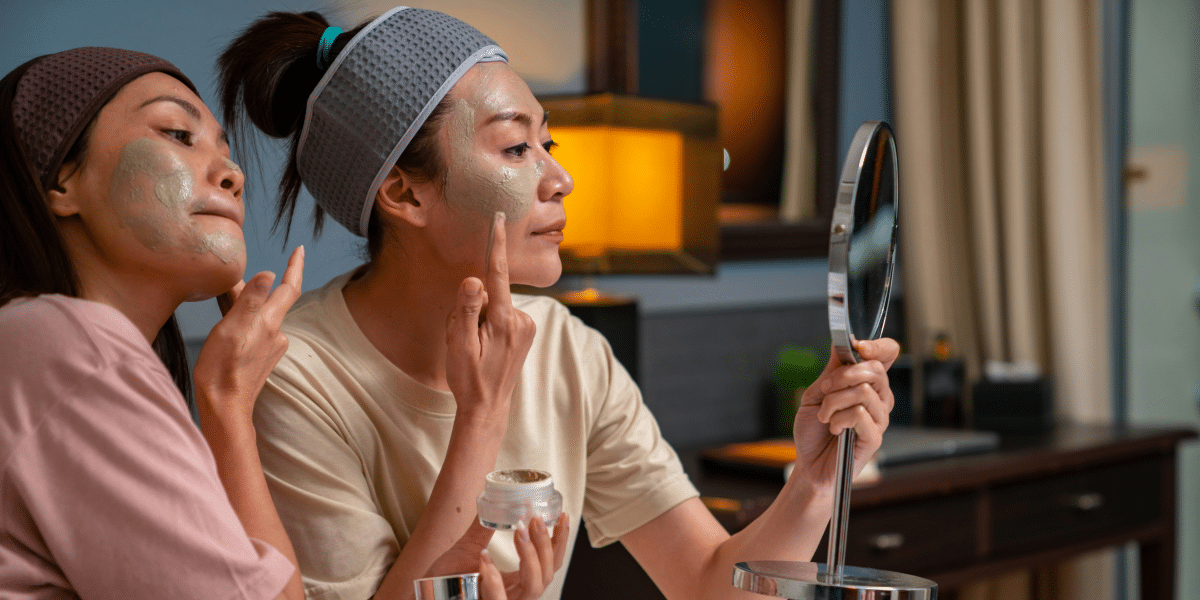
Hormonal acne is a common skin condition that affects many individuals, particularly those who experience menstrual cycles. This type of acne is caused by fluctuations in hormone levels, which can lead to increased oil production and clogged pores. Managing hormonal acne requires a comprehensive approach that includes effective skincare products, lifestyle changes, and understanding the underlying hormonal triggers. This article will explore how to manage hormonal acne, provide product recommendations, and suggest lifestyle changes to help keep breakouts under control.

Hormonal acne is primarily driven by changes in hormone levels, particularly androgens such as testosterone. These hormones can increase the size and activity of sebaceous glands, leading to excess oil production. The excess oil, combined with dead skin cells, can clog pores and create an environment for acne-causing bacteria to thrive. Hormonal acne is often characterized by deep, cystic breakouts that typically occur around the jawline, chin, and lower face.

For many individuals, hormonal acne flares up cyclically, coinciding with the menstrual cycle. This is due to the fluctuations in estrogen and progesterone levels that occur throughout the menstrual cycle. Typically, breakouts may worsen in the week leading up to menstruation when progesterone levels rise and oil production increases.

Product Recommendations for Hormonal Acne

Managing hormonal acne effectively often involves using the right skincare products. One of the most recommended ingredients for treating hormonal acne is salicylic acid. Salicylic acid is a beta hydroxy acid (BHA) that helps to exfoliate the skin, clear clogged pores, and reduce inflammation. Incorporating a salicylic acid cleanser or spot treatment into your skincare routine can help keep breakouts at bay.

Another beneficial ingredient is benzoyl peroxide. Benzoyl peroxide works by killing acne-causing bacteria and reducing inflammation. It is available in various strengths and can be used as a spot treatment or in a cleanser. For those with sensitive skin, it is advisable to start with a lower concentration to avoid irritation.

Retinoids, derived from vitamin A, are also highly effective in treating hormonal acne. Retinoids help to increase cell turnover, prevent clogged pores, and reduce inflammation. Over-the-counter retinoids, such as adapalene, can be incorporated into your nightly skincare routine. Prescription-strength retinoids may be recommended by a dermatologist for more severe cases.

Non-comedogenic moisturizers are essential for maintaining skin hydration without clogging pores. Look for moisturizers that are labeled as non-comedogenic, oil-free, and suitable for acne-prone skin. Ingredients such as hyaluronic acid and niacinamide can help to soothe and hydrate the skin without causing breakouts.

Lifestyle Changes to Manage Hormonal Acne

In addition to using effective skincare products, making certain lifestyle changes can help manage hormonal acne. One of the most important factors is maintaining a balanced diet. Consuming a diet rich in fruits, vegetables, whole grains, and lean proteins can help support overall skin health. It is also advisable to limit the intake of high-glycemic foods, such as sugary snacks and refined carbohydrates, as they can contribute to increased oil production and inflammation.

Staying hydrated is crucial for maintaining healthy skin. Drinking plenty of water helps to flush out toxins and keep the skin hydrated. Aim to drink at least eight glasses of water a day to support skin health and overall well-being.

Managing stress is another key component in controlling hormonal acne. Stress can trigger the release of cortisol, a hormone that can increase oil production and exacerbate acne. Incorporating stress-reducing activities into your daily routine, such as yoga, meditation, or regular exercise, can help to balance hormone levels and reduce the frequency of breakouts.

Getting adequate sleep is essential for overall health, including skin health. Lack of sleep can disrupt hormone levels and contribute to inflammation and acne. Aim for 7-9 hours of quality sleep each night to help your body regulate hormone levels and support skin repair.

Consulting a Dermatologist

For those struggling with persistent hormonal acne, consulting a dermatologist is highly recommended. A dermatologist can provide personalized treatment options based on the severity of your acne and your skin type. Prescription medications, such as oral contraceptives or anti-androgen drugs, may be recommended to help regulate hormone levels and reduce acne. Additionally, a dermatologist can offer professional treatments, such as chemical peels or laser therapy, to improve skin texture and reduce the appearance of acne scars.

Hormonal Acne and Skincare Routine

Establishing a consistent skincare routine is crucial for managing hormonal acne. Start with a gentle cleanser to remove dirt, oil, and makeup without stripping the skin. Follow with a treatment product containing active ingredients like salicylic acid, benzoyl peroxide, or retinoids. Apply a non-comedogenic moisturizer to keep the skin hydrated and balanced. Sunscreen is also essential, even for acne-prone skin, as it protects the skin from harmful UV rays and prevents post-inflammatory hyperpigmentation.

It is important to avoid over-washing or using harsh scrubs, as these can irritate the skin and worsen acne. Gentle exfoliation, once or twice a week, can help to remove dead skin cells and prevent clogged pores. Look for products containing alpha hydroxy acids (AHAs) or beta hydroxy acids (BHAs) for effective exfoliation.

Managing hormonal acne requires a multifaceted approach that includes effective skincare products, lifestyle changes, and professional guidance when necessary. By understanding the underlying hormonal triggers and incorporating the right products and habits into your routine, you can significantly reduce the frequency and severity of breakouts. Consistency and patience are key, as it may take time to see improvements in your skin. With the right strategies, managing hormonal acne can become a manageable part of your skincare journey.


Women in Publishing Summit: Empowering Women in the Publishing Industry

What Is the Women in Publishing Summit?

The Women in Publishing Summit is a virtual event dedicated to empowering women in the publishing industry. This summit is designed to support and elevate the careers of women authors, editors, publishers, and marketers by providing them with the tools and knowledge they need to succeed. Held online, the summit features over 40 workshops and sessions that cover a wide range of topics, including writing, publishing, marketing, and career development.

One of the main goals of the Women in Publishing Summit is to create a space where women can come together to learn from industry experts and each other. The virtual format makes it accessible to participants from all over the world, allowing for a diverse and inclusive community. This summit is an excellent opportunity for attendees to gain valuable insights, share experiences, and build connections that can help them advance in their careers.

The event is packed with sessions led by experienced professionals who are passionate about sharing their knowledge. Whether you are an aspiring author looking to get published, an editor seeking to refine your skills, or a marketer wanting to learn the latest strategies, the Women in Publishing Summit offers something for everyone. The comprehensive program is designed to address the specific challenges women face in the industry and provide practical solutions to overcome them.

How Can Participants Benefit from the Summit?

Participants of the Women in Publishing Summit can expect to benefit in numerous ways. The workshops and sessions are tailored to provide actionable advice and insights that can be applied directly to their work. Topics range from the basics of writing and editing to advanced marketing techniques and career development strategies. This ensures that no matter where you are in your career, you will find sessions that are relevant and beneficial.

One key benefit of attending the summit is the opportunity to network with other professionals in the publishing industry. Networking is a crucial aspect of career development, and the Women in Publishing Summit provides ample opportunities to connect with peers, mentors, and industry leaders. These connections can lead to new collaborations, job opportunities, and valuable support systems to help you navigate your career path.

The summit also focuses on the unique experiences and challenges that women face in the publishing industry. The summit aims to empower women to overcome obstacles and achieve their goals by addressing these issues head-on. Sessions on work-life balance, overcoming imposter syndrome, and building confidence are designed to equip participants with the skills and mindset needed to thrive in a competitive industry.

Another significant benefit is the access to industry experts and thought leaders. The speakers and session leaders at the Women in Publishing Summit are accomplished professionals with extensive experience and knowledge. Learning from their experiences and expertise can provide you with new perspectives and innovative approaches to your work. The summit also includes Q&A sessions, allowing you to ask questions and get personalized advice from these experts.

Why Should You Attend the Women in Publishing Summit?

Attending the Women in Publishing Summit is a valuable investment in your career. The summit offers a unique combination of learning, networking, and personal growth opportunities that can help you advance in the publishing industry. Whether you are just starting out or looking to take your career to the next level, the summit provides resources and support that can make a significant difference.

One of the main reasons to attend is the comprehensive and diverse range of topics covered. The summit’s program addresses all aspects of the publishing industry, from the creative writing process to the business side of marketing and publishing. This holistic approach ensures that you gain a well-rounded understanding of the industry and can apply this knowledge to your work.

The summit’s virtual format makes it incredibly convenient to attend. You can participate from the comfort of your own home or office, eliminating the need for travel and accommodation expenses. This also means that you can access the sessions and workshops at your own pace, allowing you to fit the summit into your schedule more easily.

Furthermore, the Women in Publishing Summit is a supportive and inclusive community. Being part of a network of like-minded women who share your passion for publishing can be incredibly motivating and inspiring. The connections you make at the summit can provide ongoing support and encouragement as you progress in your career.

The Women in Publishing Summit is an essential event for women in the publishing industry. It offers a wealth of knowledge, networking opportunities, and personal growth experiences that can help you succeed in your career. By participating in the summit, you can gain valuable insights from industry experts, connect with peers, and build the skills and confidence needed to navigate the challenges of the publishing world. Don’t miss this opportunity to invest in yourself and your future in publishing.

Women’s Contributions to Literature and the Arts: A Celebration of Creativity

Literature: A Rich Tapestry of Voices

Women have long been influential figures in the world of literature and the arts, making significant contributions that have shaped culture, society, and the creative landscape. From groundbreaking novels to iconic paintings, women have left an indelible mark on the world of artistic expression, challenging norms, breaking barriers, and inspiring future generations. In this article, we’ll explore the diverse and impactful contributions of women to literature and the arts, celebrating their creativity, talent, and enduring legacy.

Women writers have played a vital role in shaping the literary canon, producing works of fiction, poetry, and non-fiction that reflect their unique perspectives and experiences. From the pioneering novels of Jane Austen and the poetic brilliance of Emily Dickinson to the powerful storytelling of Toni Morrison and the insightful essays of Virginia Woolf, women writers have enriched literature with their creativity, insight, and artistry. Their works have explored a wide range of themes, including love, identity, social justice, and the human condition, resonating with readers around the world and leaving a lasting impact on the literary landscape.

Visual Arts: Capturing Beauty and Emotion

In the world of visual arts, women have made significant contributions as painters, sculptors, photographers, and multimedia artists. From the iconic portraits of Frida Kahlo and the abstract expressionism of Georgia O’Keeffe to the surrealistic landscapes of Remedios Varo and the avant-garde installations of Yayoi Kusama, women artists have pushed the boundaries of artistic expression, challenging conventions and redefining beauty. Their artworks have captivated audiences with their creativity, emotional depth, and innovative techniques, inspiring countless artists and art lovers alike.

Performing Arts: Enchanting Audiences with Talent and Grace

Women performers have dazzled audiences with their talent, charisma, and artistry, gracing the stage and screen with their presence and leaving a lasting impression with their performances. From the captivating performances of Meryl Streep and the soul-stirring vocals of Aretha Franklin to the graceful movements of Misty Copeland and the comedic brilliance of Lucille Ball, women performers have enchanted audiences with their talent and grace, earning acclaim and recognition for their contributions to the performing arts.

Despite facing obstacles and discrimination, women in literature and the arts have persevered, breaking barriers and paving the way for future generations of artists and writers. From overcoming societal expectations and gender stereotypes to challenging institutionalized sexism and discrimination, women have fought tirelessly for recognition, respect, and equal opportunities in the creative industries. Their resilience, determination, and passion have helped to create a more inclusive and diverse cultural landscape, where voices of all genders are celebrated and valued.

Honoring Women’s Creativity and Legacy

As we celebrate the contributions of women to literature and the arts, let us not forget the countless artists, writers, and performers who have enriched our lives with their creativity, talent, and vision. Their stories, artworks, and performances inspire us to see the world in new ways, to embrace our own creativity, and to strive for a more just and equitable society. Let us honor their legacy by continuing to champion the voices of women in literature and the arts, ensuring that their contributions are recognized, celebrated, and remembered for generations to come.

Your Guide to Becoming a Fashion Influencer for Women

Ever scrolled through Instagram and thought, “I could totally rock that outfit AND make it my own?” If so, then a career as a fashion influencer for women might be your calling! It’s not just about looking good; it’s about inspiring others with your unique style and savvy fashion sense.

Alright, let’s talk about finding your fashion groove. It’s like picking your favorite ice cream flavor – you gotta know what you like to attract others who love it too. In the fashion influencer world, this means finding your niche.

Are you all about saving the planet with sustainable fashion? Do you love showing people how to look amazing on a budget? Or maybe you’re obsessed with the latest designer trends. Whatever floats your boat, finding your specialty is key to becoming a successful fashion influencer for women.

Think of it like this: if you’re into eco-friendly fashion, you’ll attract followers who are also passionate about sustainability. They’ll love your tips on thrifting, upcycling clothes, and supporting ethical brands. If you’re the queen of budget-friendly looks, you’ll be a lifesaver for people who want to look stylish without breaking the bank. Share your secrets for finding deals, mixing and matching pieces, and creating outfits that look like a million bucks. And if you’re all about high-end fashion, your followers will be your virtual front-row seat to the latest runway shows and designer collaborations. Share your knowledge about luxury brands, styling tips for designer pieces, and insider access to exclusive events.

The bottom line is: know your niche, rock your niche, and own your niche. It’s what sets you apart from the crowd and makes you the go-to person for your specific style. So, what’s your flavor? Find it, flaunt it, and watch your fashion influence grow!

Okay, let’s talk content, because that’s what makes or breaks your fashion influencer game. Think of it like your personal fashion show, but on social media. You want your photos and videos to be top-notch – clear, crisp, and eye-catching. But don’t stop there! Your captions are like the background music to your fashion show. They set the mood, tell a story, and make people want to stick around.

Don’t be afraid to let your personality shine through. Share your thoughts, feelings, and experiences. Let your followers get to know the real you. It makes you more relatable and helps you build a genuine connection with your audience. Remember, people don’t just follow fashion influencers for the clothes; they follow them for the inspiration, the stories, and the sense of community.

Now, let’s talk social media. This is your playground, your stage, your megaphone to the world. Instagram, TikTok, Pinterest – these are your go-to platforms. But don’t be afraid to explore other channels too. Maybe you’ll discover a whole new audience on YouTube or Twitch! The key is to be consistent. Post regularly, interact with your followers, and build a community of fashion lovers who can’t wait to see what you’ll share next.

Networking with other fashion influencers can open doors to new opportunities and collaborations. Attend industry events, engage with fellow influencers on social media, and build relationships that can help you grow your career.

And finally, let’s talk about collaborating with brands. This is where the magic happens – you get to work with companies you love, create amazing content together, and even earn some money. But remember, authenticity is everything. Only partner with brands that align with your values and that you genuinely believe in. Your followers can spot a fake collaboration from a mile away, so keep it real and keep it true to yourself.

So go out there, create awesome content, connect with your audience, and collaborate with brands you love. The fashion world is your oyster, and with a little creativity and a lot of heart, you can make your mark!

Listen, becoming a fashion influencer isn’t an overnight thing. It takes real dedication and a deep love for fashion. But hey, if you’re truly passionate, it’s totally worth it!

Don’t try to be someone you’re not. Keep it real, and let your unique style shine through. Your followers will appreciate your authenticity. Create content that makes you feel good and represents who you are. Whether it’s styling tips, outfit ideas, or behind-the-scenes peeks into your life, make sure it reflects your personality and your fashion journey.

Connecting with your audience is super important. Talk to them like they’re your friends, and show them you care about their opinions. Respond to comments, ask questions, and create a community where everyone feels welcome. It’s not just about the numbers, it’s about building genuine relationships with people who share your love for fashion.

And remember, patience is key. Building a successful career as a fashion influencer takes time. Don’t get discouraged if you don’t see results right away. Keep creating awesome content, engaging with your followers, and putting yourself out there. With hard work, a sprinkle of luck, and a whole lot of passion, you can turn your dream into a reality!

So go out there and show the world what you’ve got! Share your style, inspire others, and most importantly, have fun with it. The fashion world is waiting for you!

Protective Hairstyles: More Than Meets the Eye

When it comes to natural hair, protective hairstyles are a game-changer. Think braids, twists, locs – and countless variations within these styles. They’re not just about looking fabulous, but about offering protection from everyday wear and tear, the elements, and promoting healthy hair growth. But protective hairstyles offer more than practical benefits; they’re deeply rooted in culture, history, and self-expression.

The Benefits of Protective Hairstyles

When it comes to embracing the beauty of natural hair, minimizing manipulation is key. Protective styles offer a welcome break from the constant detangling, styling, and re-styling that can take a toll on our strands. By shielding your hair within braids, twists, or similar styles, you give it time to simply grow and thrive, free from excessive manipulation. Less brushing and combing translates to reduced breakage and fewer of those frustrating single-strand knots, leading to thicker, healthier hair overall.

Protective styles are your hair’s hydration hero. The ends of your hair, the oldest and often most vulnerable part, are tucked safely within the style. This helps prevent the moisture loss that’s so common when hair is exposed to the elements and constant styling. Keeping the ends protected promotes stronger hair that’s less prone to dryness and breakage.

For anyone dreaming of longer, fuller hair, protective styles can be your best friend. By minimizing breakage and creating a healthy environment for your hair, consistent use of protective styles can significantly boost your hair growth goals. Imagine stepping out of braids after a few weeks to discover noticeably longer, and importantly, healthier hair – an incredibly motivating outcome!

The world of protective hairstyles is a treasure trove of versatility, and braids are the crown jewels! Think of classics like box braids, where your hair is divided into neat squares. Or opt for a softer, more bohemian style with goddess braids that often incorporate curly extensions. Knotless braids are a popular choice for those desiring a gentler, tension-free alternative. Fulani braids, with their intricate patterns and iconic beads, weave cultural pride and artistic flair into your look.

If you crave textured styles, twists are the way to go. Senegalese twists offer sleek, rope-like strands that can be styled in countless ways. Havana twists boast a chunkier, more textured look, while passion twists combine the beauty of twists with springy curls. And if you love the twist aesthetic but aren’t ready to take the plunge into locs, there’s always twist-outs, a temporary but equally gorgeous option achieved by unraveling twists after they’ve set.

Locs (or dreadlocks) represent the ultimate protective style commitment, steeped in history and symbolism. Whether you choose traditional locs cultivated over time, the instant gratification of faux locs, or the ethereal beauty of goddess locs, this style is an investment with a long-lasting payoff. “Locs are a journey, not just a hairstyle,” notes a natural hair blogger, “They symbolize patience, growth, and embracing the unique beauty of your hair’s natural texture.”

Protective Hairstyle Maintenance

Protective styles aren’t “set it and forget it.” Here’s how to keep them looking their best:

  • Protect Your Edges: Avoid excessively tight styles, and use gentle tension when putting your hair up in ponytails or buns to avoid stressing your delicate hairline.

  • Cleanse Your Scalp: Keeping your scalp clean is vital! Use a diluted shampoo mixture specifically designed for protective styles to cleanse without disrupting the style itself.

  • Moisturize: Don’t neglect moisturizing your scalp and roots! Lightweight oils and leave-in conditioners applied to your scalp and the length of your hair (where accessible) provide necessary hydration.

  • Protective Nighttime Routine: Use satin scarves or pillowcases to reduce friction while you sleep, helping to prevent frizz and preserve your style.

Protective hairstyles have a deep-rooted history, particularly within the African diaspora. “Braids and other protective styles carry generational knowledge and connection to heritage across cultures,” explains a natural hair specialist. They represent artistry, community, and a celebration of the beauty and versatility of natural hair.

During times of slavery, braids served a practical and profound purpose. Maps for escape routes were woven intricately into cornrows, and seeds were hidden inside the braids, ensuring sustenance for those escaping to freedom. Today, protective hairstyles continue to be a powerful symbol of resilience, strength, and cultural pride.

Ultimately, protective hairstyles offer a combination of practicality, self-expression, and connection to a powerful legacy. Whether you choose braids adorned with beads, elegantly simple twists, or a crown of beautiful locs, there’s a protective hairstyle to suit your style and celebrate the beauty of your natural hair.

Financial Empowerment: Women and Economic Independence

Financial empowerment is crucial for achieving economic independence, especially for women. In today’s world, having strong financial literacy skills can significantly enhance a woman’s ability to manage her finances, invest wisely, and advance her career. This article focuses on the importance of financial literacy and provides tips and resources for financial planning, investing, and career advancement to help women achieve economic independence.

Why is Financial Literacy Important for Women?

Financial literacy is the ability to understand and effectively use various financial skills, including personal financial management, budgeting, and investing. For women, financial literacy is particularly important because it empowers them to make informed decisions about their money, plan for the future, and achieve their financial goals.

Financial literacy helps women to:

  • Make Informed Decisions: Understanding financial concepts allows women to make better choices about savings, investments, and expenses.
  • Avoid Debt and Financial Pitfalls: Knowledge of financial management can prevent women from falling into debt traps and other financial difficulties.
  • Plan for Retirement: Women, on average, live longer than men and therefore need to plan for a longer retirement period.
  • Achieve Economic Independence: Financial independence provides women with the freedom to make choices that align with their personal and professional goals.

How Can Women Improve Their Financial Literacy?

What are Some Key Financial Planning Tips?

Financial planning is the foundation of economic independence. Here are some essential tips for effective financial planning:

  1. Create a Budget: Track your income and expenses to understand your financial situation. Use budgeting tools or apps to help you manage your money effectively.
  2. Build an Emergency Fund: Save at least three to six months’ worth of living expenses in an easily accessible account to cover unexpected costs.
  3. Set Financial Goals: Define short-term and long-term financial goals, such as saving for a home, retirement, or education, and create a plan to achieve them.
  4. Pay Off Debt: Prioritize paying off high-interest debt, such as credit card balances, to reduce financial stress and improve your credit score.
  5. Save Regularly: Automate your savings by setting up automatic transfers from your checking account to your savings or investment accounts.

How Can Women Start Investing?

Investing is a powerful way to grow wealth over time. Here are some steps to get started:

  1. Educate Yourself: Learn the basics of investing, including different types of investments, risk tolerance, and investment strategies. There are many online courses, books, and resources available.
  2. Start Small: Begin with a small amount of money and gradually increase your investment as you become more comfortable and knowledgeable.
  3. Diversify Your Portfolio: Spread your investments across different asset classes (stocks, bonds, real estate) to reduce risk and increase potential returns.
  4. Consider Retirement Accounts: Contribute to retirement accounts such as a 401(k) or IRA to benefit from tax advantages and compound growth.
  5. Seek Professional Advice: Consult with a financial advisor to create a personalized investment plan that aligns with your financial goals and risk tolerance.

What Resources Are Available for Career Advancement?

Advancing your career is another critical component of achieving financial independence. Here are some resources and strategies to help you progress in your career:

  1. Continuous Learning: Stay updated with the latest industry trends and skills by taking online courses, attending workshops, and earning certifications.
  2. Networking: Build a strong professional network by attending industry events, joining professional associations, and connecting with mentors.
  3. Negotiate Salaries and Benefits: Research salary benchmarks for your role and industry, and don’t hesitate to negotiate for better pay and benefits.
  4. Seek Leadership Opportunities: Volunteer for leadership roles in projects and initiatives at work to gain experience and visibility.
  5. Career Coaching: Consider working with a career coach to identify your strengths, set career goals, and create a plan to achieve them.

Financial literacy is a vital tool for women to achieve economic independence. By understanding and applying key financial concepts, women can make informed decisions about their money, invest wisely, and advance their careers. Creating a budget, building an emergency fund, setting financial goals, and starting to invest are essential steps toward financial empowerment. Additionally, continuous learning, networking, and seeking leadership opportunities can help women progress in their careers. Utilizing these strategies and resources, women can achieve financial independence and secure a stable and prosperous future.

By focusing on financial literacy, women can take control of their financial futures, build wealth, and achieve economic independence. Empower yourself by taking the first steps toward financial literacy and career advancement.

Navigating Change: Menopause and Its Impact on Skin Health

Menopause, the natural transition marking the end of a woman’s reproductive years, brings with it a cascade of hormonal shifts. These hormonal fluctuations can have a noticeable impact on various aspects of health, including the skin. Understanding how menopause affects the skin and implementing effective skincare practices can help women navigate these changes and maintain a healthy, radiant complexion.

How Menopause Impacts Skin Health

Estrogen and progesterone, the primary female sex hormones, play a vital role in maintaining skin health. During menopause, the production of these hormones declines significantly. This decrease in estrogen, in particular, leads to a series of changes in the skin’s structure and function:

  • Reduced Collagen Production: Collagen is a protein essential for providing the skin with its plumpness and elasticity. With declining estrogen levels, collagen production slows down, leading to the appearance of wrinkles and fine lines. “The loss of collagen is a significant contributor to the visible signs of aging experienced by many women during menopause,” remarks a dermatologist specializing in mature skin care.

  • Decreased Skin Barrier Function: Estrogen also plays a role in maintaining the skin’s natural barrier function, which helps retain moisture and protects against environmental aggressors. A weakened barrier allows for increased moisture loss, resulting in dryness, itching, and increased skin sensitivity.

  • Changes in Sebum Production: Sebum is an oily substance produced by the sebaceous glands that helps keep the skin hydrated and supple. During menopause, sebum production typically decreases, further contributing to skin dryness.

Managing Dryness: A Key Focus

Dryness emerges as a primary concern for many women experiencing menopause. Here are some strategies to combat dryness and maintain skin hydration:

  • Gentle Cleansing: Avoid harsh soaps and cleansers that can strip the skin of its natural oils. Opt for gentle, fragrance-free cleansers specifically formulated for mature skin.

  • Moisturize Liberally: Apply a rich moisturizer twice daily, both in the morning and evening. Look for moisturizers containing hyaluronic acid, ceramides, or glycerin, ingredients known for their excellent moisture-binding properties.

  • Consider Humectants and Emollients: Humectants like hyaluronic acid attract water to the skin, while emollients like ceramides and shea butter help seal in moisture. A combination of these ingredients in your moisturizer offers optimal hydration benefits.

  • H2O is Your Friend: Staying adequately hydrated from the inside out is crucial for maintaining skin health. Aim to drink plenty of water throughout the day to support skin hydration and overall well-being.

Product Recommendations for Mature Skin

When selecting skincare products during menopause, prioritize those that address the specific needs of mature skin. Here are some ingredients to look for:

  • Retinol: A powerful retinoid that stimulates collagen production and cell turnover, promoting a smoother, more even-toned complexion.

  • Vitamin C: An antioxidant that helps protect the skin from sun damage and environmental stressors, while also brightening the skin tone.

  • Peptides: These short chains of amino acids signal the skin to produce more collagen and elastin, improving skin firmness and elasticity.

  • Niacinamide: This versatile ingredient offers a multitude of benefits, including improving skin barrier function, reducing redness, and minimizing the appearance of pores.

Sun protection is essential at every stage of life, but especially during menopause. The skin’s natural defenses weaken with age, making it more susceptible to sun damage. Apply a broad-spectrum sunscreen with SPF 30 or higher daily, even on cloudy days.

Skincare during menopause extends beyond topical products. Maintaining a healthy lifestyle also plays a vital role. Eating a balanced diet rich in fruits, vegetables, and whole grains nourishes the skin from within. Getting adequate sleep allows the skin to repair and regenerate. Managing stress levels can also positively impact skin health.

Menopause may bring about changes in skin health, but these changes can be effectively managed. By understanding the impact of hormonal fluctuations, adopting a targeted skincare routine, and prioritizing healthy lifestyle habits, women can navigate menopause and maintain a healthy, radiant complexion throughout this life stage.

Women in STEM: Breaking Barriers and Achieving Success

What Challenges Do Women in STEM Face?

Women in STEM (science, technology, engineering, and mathematics) have long faced significant barriers in their professional journeys. Despite these challenges, many women have achieved remarkable success, contributing immensely to their fields. This article explores the stories and achievements of women in STEM, the obstacles they overcome, and the initiatives aimed at encouraging more women to enter these crucial areas.

Many women have made groundbreaking contributions to STEM fields, serving as inspiring role models for future generations. Let’s highlight a few remarkable women whose achievements have left a lasting impact.

  1. Marie Curie – A pioneer in the field of radioactivity, Marie Curie was the first woman to win a Nobel Prize and the only person to win Nobel Prizes in two different scientific disciplines: Physics and Chemistry. Her research laid the foundation for advancements in both medicine and energy.
  2. Katherine Johnson – An African American mathematician whose calculations were critical to the success of NASA’s early space missions. Johnson’s work on the trajectory analysis for the first American in space and the Apollo 11 moon landing was pivotal. Her story gained widespread recognition through the book and film “Hidden Figures.”
  3. Ada Lovelace – Often considered the first computer programmer, Ada Lovelace’s work on Charles Babbage’s early mechanical general-purpose computer, the Analytical Engine, laid the groundwork for modern computing.
  4. Mae Jemison – The first African American woman to travel to space, Mae Jemison is an engineer, physician, and former NASA astronaut. Her accomplishments have inspired many young women to pursue careers in STEM.

These women, among many others, have demonstrated that with determination and talent, it is possible to achieve great success in STEM fields. Their stories serve as powerful reminders of what can be accomplished, despite societal and institutional barriers.

Challenges Faced by Women in STEM

While the stories of successful women in STEM are inspiring, they also highlight the significant challenges that women continue to face in these fields.

  1. Gender Bias and Stereotypes – Women often encounter implicit biases and stereotypes that question their abilities and suitability for STEM careers. These biases can manifest in hiring practices, workplace interactions, and opportunities for advancement.
  2. Lack of Representation – Women are underrepresented in many STEM fields, particularly in leadership positions. This lack of representation can create a sense of isolation and a lack of role models for young women aspiring to enter these fields.
  3. Work-Life Balance – The demanding nature of many STEM careers can make it challenging for women to balance professional and personal responsibilities. This issue is often compounded by societal expectations regarding women’s roles in the family.
  4. Unequal Opportunities – Women may have fewer opportunities for mentorship, networking, and professional development compared to their male counterparts. This disparity can hinder career advancement and job satisfaction.

Initiatives Encouraging Women in STEM

Recognizing the importance of diversity in STEM, various initiatives and programs have been established to support and encourage women to pursue careers in these fields.

  1. Educational Programs and Scholarships – Numerous organizations offer scholarships and educational programs specifically for women in STEM. These initiatives aim to provide financial support and resources to help women succeed academically and professionally.
  2. Mentorship and Networking Opportunities – Mentorship programs connect young women with experienced professionals who can offer guidance, support, and networking opportunities. Organizations like the Society of Women Engineers (SWE) and Women in Technology International (WITI) provide platforms for women to build connections and gain insights from peers and mentors.
  3. Advocacy and Policy Changes – Advocacy groups work to address systemic issues that hinder women’s progress in STEM. These efforts include promoting policies that support work-life balance, equal pay, and anti-discrimination measures.
  4. Awareness Campaigns – Campaigns like the International Day of Women and Girls in Science aim to raise awareness about the contributions of women in STEM and inspire the next generation of female scientists, engineers, and technologists.
  5. Corporate Initiatives – Many companies are implementing diversity and inclusion initiatives to create more supportive environments for women in STEM. These initiatives often include diversity training, flexible work arrangements, and targeted recruitment efforts.

Women in STEM have made significant strides, breaking barriers and achieving remarkable success despite the challenges they face. Their contributions to science, technology, engineering, and mathematics are invaluable, and their stories continue to inspire future generations. By addressing the barriers that women encounter and supporting initiatives that promote diversity and inclusion, we can encourage more women to enter and thrive in STEM fields. The future of innovation and progress depends on harnessing the talents and perspectives of everyone, regardless of gender.

Empowering Women in Tech: Join Women Impact Tech

Why Should You Attend Women Impact Tech?

The tech industry has been booming, but it’s no secret that women are still underrepresented. Women Impact Tech aims to address this imbalance. Taking place virtually on July 20, 2024, this event is designed to bring together women from all corners of the tech world. It’s more than just a conference; it’s a movement to empower women, foster innovation, and build a supportive community.

Attending Women Impact Tech can be a game-changer for your career. Whether you’re an experienced tech professional or just starting, this event offers something for everyone. You’ll have the chance to hear from inspiring keynote speakers who have made significant strides in the tech industry. These women will share their journeys, challenges, and triumphs, providing valuable insights to help you navigate your path.

The event also features panel discussions where you can learn about the latest trends and future directions in tech. These discussions are not just informative; they are interactive, allowing you to ask questions and engage with industry leaders. It’s a fantastic way to gain a deeper understanding of the tech landscape and what lies ahead.

Networking is another major highlight of Women Impact Tech. The virtual format allows you to connect with like-minded professionals worldwide. You can participate in networking sessions designed to foster meaningful connections. Building a strong network is crucial in any field, and this event provides the perfect platform to meet potential mentors, collaborators, and friends who share your passion for technology.

What Makes Women Impact Tech Special?

Women Impact Tech stands out for its focus on creating a supportive and inclusive environment. The tech industry can often feel isolating, especially for women who might be one of the few in their teams or organizations. This event aims to change that by creating a space where women can come together, share their experiences, and support each other.

The keynote speeches are one of the event’s biggest draws. These sessions feature women who have achieved remarkable success in tech. They come from diverse backgrounds and bring a wealth of knowledge and experience. Listening to their stories can be incredibly motivating, showing you what’s possible and inspiring you to aim higher in your career.

Panel discussions are another key component of the event. These sessions cover a wide range of topics, from the latest technological advancements to leadership and career development. You’ll hear from experts who are at the forefront of their fields, providing you with cutting-edge insights. These panels are also interactive, allowing you to participate and get your questions answered.

But Women Impact Tech isn’t just about listening; it’s about engaging and interacting. The networking opportunities are designed to help you build strong connections. You can join smaller group sessions where you can have more in-depth conversations. These sessions are great for discussing specific topics, sharing advice, and getting to know other attendees better.

How Can You Benefit from Women Impact Tech?

Attending Women Impact Tech can benefit you in numerous ways. Firstly, it’s an excellent opportunity for professional growth. The knowledge and insights you gain from the keynote speeches and panel discussions can help you stay ahead in your career. You’ll learn about the latest trends and best practices in tech, which can be incredibly valuable in your job.

Secondly, the event can help you expand your network. Networking is a critical component of career success, and Women Impact Tech provides a platform to connect with professionals who can support and guide you. Building relationships with other women in tech can be empowering and open up new collaboration and mentorship opportunities.

Thirdly, the event is a source of inspiration and motivation. Hearing from successful women in tech can boost your confidence and encourage you to pursue your goals with greater determination. It’s a reminder that you’re not alone and that there are many women who have faced similar challenges and overcome them.

Women Impact Tech also emphasizes the importance of community. The event aims to create a supportive network where women can share their experiences and help each other succeed. This sense of community can be incredibly empowering, providing you with the support and encouragement you need to thrive in your career.

Women Impact Tech 2024 is more than just an event; it’s a celebration of women in technology. By bringing together women from across the industry, it creates a space for learning, networking, and empowerment. Whether you’re looking to gain new insights, expand your network, or find inspiration, Women Impact Tech has something to offer. Don’t miss out on this opportunity to be part of a movement that’s shaping the future of tech.

The Rise of Discoloration Serums: How to Achieve Even Skin Tone

Why Are Discoloration Serums Gaining Popularity?

In the beauty industry, discoloration serums are quickly becoming a go-to solution for women looking to even out their skin tone and reduce the appearance of dark spots. As more people become aware of the importance of maintaining healthy, glowing skin, the demand for effective skincare products has surged. Among these, discoloration serums have gained particular attention for their ability to address hyperpigmentation, sunspots, and other skin discolorations.

The growing popularity of discoloration serums can be attributed to their targeted approach to skin issues. Unlike general moisturizers or creams, these serums are specifically formulated to penetrate deeper into the skin, delivering active ingredients that help lighten dark spots and promote an even complexion. This makes them especially appealing to those dealing with stubborn pigmentation problems that can be difficult to treat with regular skincare products.

Another reason for the rise in popularity of discoloration serums is the increasing emphasis on personalized skincare. Today’s consumers are more knowledgeable and selective about the products they use on their skin. They want solutions that are tailored to their specific needs, and discoloration serums offer just that. With a variety of formulations available, individuals can choose a serum that targets their unique skin concerns, whether it’s melasma, post-inflammatory hyperpigmentation, or age spots.

Moreover, advancements in skincare science have supported the effectiveness of discoloration serums. Ingredients like vitamin C, niacinamide, and alpha arbutin are highly effective in reducing discoloration and improving skin tone. These ingredients work by inhibiting the production of melanin, the pigment responsible for dark spots, and by promoting cell turnover, which helps fade existing discoloration. As a result, many women have found that incorporating a discoloration serum into their skincare routine can lead to noticeable improvements in their skin’s appearance.

How Do Discoloration Serums Work to Even Out Skin Tone?

Discoloration serums work by targeting the underlying causes of uneven skin tone and dark spots. One of the primary mechanisms by which these serums operate is through the inhibition of melanin production. Melanin is the pigment that gives our skin its color, but when produced in excess, it can lead to dark spots and hyperpigmentation. Ingredients like hydroquinone, kojic acid, and alpha arbutin are commonly used in discoloration serums to reduce melanin production, helping to lighten dark spots over time.

Vitamin C is another powerful ingredient found in many discoloration serums. Known for its antioxidant properties, vitamin C helps protect the skin from free radical damage caused by UV exposure and pollution, both of which can contribute to discoloration. Additionally, vitamin C brightens the skin by inhibiting the enzyme tyrosinase, which plays a key role in melanin production. Regular use of a vitamin C-infused serum can lead to a more radiant and even complexion.

Niacinamide, also known as vitamin B3, is another popular ingredient in discoloration serums. It works by reducing the transfer of melanin to the skin’s surface, effectively preventing the formation of dark spots. Niacinamide is also anti-inflammatory, making it particularly beneficial for sensitive or acne-prone skin. Niacinamide helps create a more even skin tone by soothing the skin and reducing redness.

Exfoliating ingredients like glycolic acid and lactic acid are also commonly found in discoloration serums. These alpha hydroxy acids (AHAs) work by gently removing the top layer of dead skin cells, which can help fade existing dark spots and reveal fresher, brighter skin underneath. By promoting cell turnover, these exfoliants accelerate the fading process of hyperpigmentation, leading to a more even skin tone over time.

Retinoids, derivatives of vitamin A, are another class of highly effective ingredients in treating discoloration. Retinoids promote cell turnover and stimulate collagen production, which helps improve skin texture and tone. They also prevent the formation of new dark spots by regulating the activity of melanocytes, the cells responsible for producing melanin.

What Should You Look for in a Discoloration Serum?

When choosing a discoloration serum, it’s important to consider your specific skin concerns and needs. Different serums are formulated with various active ingredients, each targeting different aspects of skin discoloration. A serum with vitamin C or alpha arbutin may be most effective for those dealing with sunspots or age spots. If you’re struggling with post-inflammatory hyperpigmentation from acne, niacinamide or azelaic acid might be better suited to your skin.

It’s also essential to consider your skin type when selecting a serum. For individuals with sensitive skin, choosing a product with gentle ingredients like niacinamide or low concentrations of AHAs is best to avoid irritation. On the other hand, those with more resilient skin may benefit from stronger ingredients like retinoids or higher concentrations of glycolic acid.

Consistency is key when using a discoloration serum. Most serums need to be applied daily, and it can take several weeks to see noticeable results. Patience is important, as hyperpigmentation often fades gradually. It’s also crucial to protect your skin from further damage by wearing sunscreen daily, as UV exposure can exacerbate discoloration and undo the progress made by the serum.

Additionally, it’s a good idea to patch-test a new serum before fully incorporating it into your routine. Apply a small amount to a discreet area of your skin and wait 24 hours to ensure you don’t have an adverse reaction. This is especially important if you’re using potent ingredients like retinoids or AHAs, which can be irritating to some skin types.

Finally, consider the overall formulation of the serum. A good discoloration serum should not only target dark spots but also nourish and hydrate the skin. Look for products that include moisturizing ingredients like hyaluronic acid or ceramides to maintain your skin’s barrier and prevent dryness, which can sometimes occur with the use of active ingredients.

The growing interest in discoloration serums reflects the desire for effective solutions to even out skin tone and reduce dark spots. These serums offer targeted treatment by utilizing powerful ingredients like vitamin C, niacinamide, and alpha arbutin, which work together to brighten the skin and diminish discoloration. When choosing a discoloration serum, it’s important to consider your skin type and specific concerns and to use the product consistently while protecting your skin from further damage. With the right serum and a bit of patience, you can achieve a more even and radiant complexion.