Active Weekly

Keep Moving Forward

Keep Moving Forward

Keep Moving Forward

Netflix, Hulu, Disney+: Streaming Showdown

The world of streaming services has revolutionized how we consume entertainment. From binge-worthy series to exclusive movies, services like Netflix, Hulu, and Disney+ offer endless choices for viewers of all ages. But with so many options, the question remains: Which streaming platform is the best for you? Let’s dive into what each service offers to help you decide where to spend your screen time.

What Makes Netflix Stand Out in the Streaming Wars?

When it comes to sheer popularity, Netflix is often considered the pioneer of the streaming era. Known for its vast library of original and licensed content, Netflix caters to a wide variety of tastes. Whether you’re into gritty crime dramas like “Stranger Things” or heartfelt comedies like “Emily in Paris,” there’s always something new to discover.

Netflix’s biggest strength lies in its original content. Over the years, it has invested heavily in producing hit series, films, and documentaries. Titles like “The Crown,” “Bridgerton,” and award-winning films such as “Roma” and “The Irishman” have solidified Netflix’s reputation as a leader in storytelling. Additionally, Netflix offers an intuitive interface with personalized recommendations, making it easy for users to find shows that match their interests.

Netflix isn’t without its drawbacks. Recent price increases and the removal of some beloved shows from its catalog due to licensing deals have led some subscribers to explore alternatives. Still, for those who value a wide array of genres and high-quality originals, Netflix remains a strong contender.

Why Choose Hulu Over Other Streaming Services?

Hulu sets itself apart by offering a mix of current TV shows, classic series, and an impressive range of movies. For viewers who enjoy staying up-to-date with their favorite network shows, Hulu’s next-day streaming of popular series like “The Handmaid’s Tale” or “The Masked Singer” is a significant advantage. It also offers a more affordable subscription tier for budget-conscious users, with options to include live TV for an additional cost.

Hulu’s biggest asset is its versatility. It blends traditional TV-style programming with original series and an ever-expanding movie library. From gripping dramas like “Little Fires Everywhere” to hilarious sitcoms like “How I Met Your Father,” Hulu appeals to viewers who enjoy variety and convenience.

On the downside, Hulu’s base subscription plan includes ads, which some users find disruptive. To remove them, you’ll need to pay for a more expensive plan. Nonetheless, for those looking for a hybrid of live TV and streaming options, Hulu provides one of the most comprehensive packages available.

What Sets Disney+ Apart From Its Competitors?

For fans of Disney’s timeless magic, Marvel superheroes, or the expansive Star Wars universe, Disney+ is a dream come true. Launched as a dedicated streaming hub for all things Disney, it offers an unparalleled collection of family-friendly content. Iconic classics like “The Lion King” and “Aladdin” sit alongside blockbuster franchises such as “Avengers” and “The Mandalorian.”

Disney+ excels in creating a cohesive experience for families and die-hard fans of its properties. With the addition of Pixar, National Geographic, and exclusive originals like “Loki” or “WandaVision,” Disney+ goes beyond nostalgia to deliver fresh, exciting content. Its library is highly curated, ensuring that users never feel overwhelmed by choices.

One limitation of Disney+ is its relatively narrow focus compared to Netflix or Hulu. It doesn’t offer the breadth of genres or edgy, mature content some viewers may prefer. However, its affordable pricing and robust catalog make it a must-have for fans of Disney’s unique storytelling.

Which Streaming Service Is the Best for You?

Choosing between Netflix, Hulu, and Disney+ largely depends on your personal preferences and viewing habits. If you enjoy a diverse library of original series and movies, Netflix is the way to go. For fans of current TV shows and flexibility, Hulu offers a unique blend of live TV and on-demand content. Meanwhile, families and fans of iconic franchises will find Disney+ hard to resist.

Your favorite streaming service boils down to your entertainment priorities. Whether you value high-quality originals, live TV options, or nostalgic favorites, each platform offers something special to enjoy.

Dynamic Dance Showcase: Styles and Cultural Expressions

In the world of performing arts, dance stands out as a dynamic form of entertainment that captivates audiences with its energy, grace, and cultural significance. Dance performances showcase a wide range of styles and expressions, each telling unique stories and reflecting diverse cultural heritages. From classical ballet to contemporary hip-hop, the world of dance offers a rich tapestry of artistic creativity and cultural celebration.

How Do Dance Performances Reflect Cultural Expressions?

Dance has always been a powerful medium for expressing cultural identities and traditions. Each dance style carries with it the history and values of the culture from which it originates. For example, traditional African dances are deeply rooted in community and ritual, often performed during ceremonies and celebrations. These dances are characterized by rhythmic movements, vibrant costumes, and the use of drums and other percussion instruments to create compelling beats.

In contrast, classical ballet originated in the courts of Renaissance Italy and later flourished in France and Russia. Ballet is known for its precision, grace, and elaborate storytelling through movement. Famous ballets like “Swan Lake” and “The Nutcracker” not only entertain but also convey timeless tales that have been passed down through generations.

Flamenco, a passionate and expressive dance form from Spain, combines singing, guitar playing, and dancing. It emerged from the cultural melting pot of Andalusia, influenced by Romani, Moorish, and Andalusian traditions. The intense rhythms and intricate footwork of Flamenco, along with its emotional depth, make it a captivating performance that tells stories of love, struggle, and joy.

What Are Some Popular Contemporary Dance Styles?

Contemporary dance styles continue to evolve, drawing from a variety of influences and pushing the boundaries of traditional forms. One such style is hip-hop, which emerged in the 1970s in the Bronx, New York. Hip-hop dance includes various techniques like breaking, popping, and locking, each with its distinct movements and history. This style is not only a form of artistic expression but also a representation of urban culture and social commentary.

Contemporary dance, as a genre, blends elements from modern dance, ballet, and other styles. It emphasizes fluidity, flexibility, and the expression of abstract ideas and emotions. Contemporary dance often incorporates improvisation and innovative choreography, allowing dancers to explore new ways of movement and storytelling. Pioneers like Martha Graham and Merce Cunningham have significantly influenced this genre, encouraging experimentation and breaking away from classical conventions.

Another popular style is Bollywood dance, which originates from the Indian film industry. Bollywood dance is a vibrant and eclectic mix of classical Indian dance forms, folk dances, and contemporary moves. It is characterized by energetic and colorful performances, often telling stories of romance and drama. Bollywood dance has gained international popularity, with its infectious rhythms and captivating choreography attracting audiences worldwide.

How Do Dance Performances Engage Audiences?

Dance performances are unique in their ability to engage audiences on multiple levels. Visually, they captivate with stunning choreography, costumes, and stage design. A well-executed dance performance can transport viewers to different worlds, evoke emotions, and tell powerful stories without uttering a single word.

The music and rhythm accompanying dance performances play a crucial role in engaging audiences. Whether it’s the classical compositions in ballet, the beats of hip-hop, or the traditional melodies in cultural dances, the music sets the tone and enhances the overall experience. Live music performances, in particular, create an immersive atmosphere, making the connection between the dancers and the audience more tangible.

Audience interaction is another aspect that adds to the engagement. Some dance performances encourage audience participation, inviting viewers to clap, sing along, or even join the dance. This interaction breaks the fourth wall, creating a shared experience that makes the performance more memorable.

Moreover, the emotional connection established through dance is profound. Dancers convey emotions through their movements, facial expressions, and body language, allowing the audience to feel the intensity and passion of the performance. This emotional resonance is what makes dance a powerful form of storytelling, capable of touching hearts and inspiring minds.

Dance performances offer dynamic entertainment, showcasing a wide range of styles and cultural expressions. From traditional forms like African dance and Flamenco to contemporary styles like hip-hop and Bollywood, dance continues to evolve and captivate audiences worldwide. Through visual spectacle, rhythmic music, audience interaction, and emotional depth, dance performances create engaging and memorable experiences. As we celebrate the diversity and creativity in the world of dance, we recognize its enduring impact on culture and the arts.

Step Inside the World of Immersive Art

Bringing Stories to Life

Art is no longer confined to galleries and museums. Immersive art experiences have transformed the way people engage with creativity, blurring the lines between the observer and the artwork itself. These installations allow individuals to step inside a painting, interact with a sculpture, or become part of a digital masterpiece. As technology and artistic vision merge, storytelling takes on a new dimension, creating unforgettable encounters that stimulate the senses and challenge perceptions.

Read Also: What Is Bakuchiol Cream and How Does It Work?

How Do Immersive Art Experiences Redefine Storytelling?

Unlike traditional exhibitions that rely on passive viewing, immersive art invites participation. With carefully designed spaces, dynamic projections, and interactive elements, these installations unfold narratives that evolve based on audience engagement. Viewers are no longer spectators—they become essential to the experience.

The use of augmented reality (AR) and virtual reality (VR) amplifies this transformation. Visitors can walk through historical moments, explore fantastical worlds, or engage in a sensory dialogue with the artwork. Each movement influences the visual or auditory response, making every visit unique. These interactive elements create a connection between art and audience, where emotions and reactions shape the unfolding story.

Can Technology Deepen Emotional Engagement in Art?

Advancements in technology have heightened the emotional impact of art. Digital projections, AI-generated compositions, and responsive soundscapes evoke powerful feelings, transporting visitors beyond physical space into a world shaped by light, sound, and movement.

Artists use motion sensors and touch-responsive surfaces to trigger changes within the artwork, making each interaction personal. Projection mapping transforms static walls into animated canvases, enveloping audiences in a constantly shifting landscape. Whether recreating historical events or designing futuristic environments, immersive art taps into human emotions, fostering deeper engagement than traditional exhibits.

What Makes These Experiences So Captivating?

A sense of discovery plays a major role in the appeal of immersive art. Unlike static displays, these installations encourage movement, curiosity, and personal interpretation. The absence of a fixed perspective means that every participant sees the artwork differently, shaped by their own choices and interactions.

Multi-sensory elements further enrich the experience. Some exhibitions incorporate scent, temperature changes, and haptic feedback, deepening the illusion of stepping into another world. This full-body engagement leaves a lasting impression, as the artwork is not only seen but felt on multiple levels.

Where Is Immersive Art Heading?

The evolution of immersive art is still unfolding. Future installations will likely blend AI-driven elements, allowing pieces to adapt in real time based on audience responses. Biometric technology could personalize experiences further, adjusting visuals, sounds, or interactions based on heart rate or facial expressions.

Read Also: Staying Healthy While Working From Home

Public spaces are also embracing this art form, turning streets, parks, and even abandoned buildings into interactive masterpieces. The accessibility of immersive experiences continues to grow, making art more inclusive and breaking traditional barriers between creator and observer.

Published by Drake M.

How K-Pop Fan Culture Influences Global Trends

K-Pop is more than just a genre of music—it’s a worldwide cultural movement driven by passionate and engaged fans. Over the years, it has evolved into a unique ecosystem where music, fashion, and storytelling come together to create an unparalleled entertainment experience. At the heart of this phenomenon lies the vibrant fan culture, which plays a crucial role in K-Pop’s unprecedented global success.

What Makes K-Pop Fan Culture So Unique?

The dedication and creativity of K-Pop fans distinguish them from other music enthusiasts. Known collectively as fandoms, these groups actively participate in shaping the careers of their favorite artists. From streaming music videos to organizing fan-led charity projects, their influence is undeniable.

What sets K-Pop fan culture apart is its sense of community. Fans connect through shared interests, forming tight-knit groups that transcend geographical boundaries. Social media platforms like Twitter, TikTok, and Instagram have become hubs for fandom activities, enabling fans to interact in real-time, share content, and mobilize for causes. This level of interconnectedness has transformed K-Pop into a global cultural force.

Another hallmark of K-Pop fandoms is their dedication to supporting their idols. Fans invest significant time and resources in voting for music awards, attending concerts, and purchasing merchandise. Their efforts often translate into tangible successes for K-Pop groups, as seen in record-breaking album sales and sold-out international tours.

How Do K-Pop Idols Connect with Their Fans?

The bond between K-Pop idols and their fans is unlike any other. Idols actively engage with their audience through various mediums, including live streams, fan meetings, and personalized messages on social media. This direct interaction creates a sense of intimacy, making fans feel personally connected to their favorite artists.

K-Pop companies also play a role in cultivating this relationship. Agencies often release behind-the-scenes content, variety shows, and vlogs that showcase idols’ personalities beyond the stage. By offering a glimpse into their daily lives, idols become more relatable and accessible, further deepening the connection with their audience.

Fan events are another key component of this relationship. Events like fan signs allow fans to meet idols face-to-face, creating memorable moments that reinforce loyalty. These unique interactions build a sense of trust and reciprocity, where both idols and fans acknowledge each other’s significance.

The role of fandom-specific activities is also noteworthy. Many groups have their own light sticks, fandom colors, and chants, which fans use during concerts to show their unwavering support. This shared symbolism strengthens the sense of belonging and collective identity within each fandom.

Why Is K-Pop’s Fan Culture So Influential Worldwide?

The impact of K-Pop’s fan culture extends far beyond music. Fans have become powerful advocates, using their platforms to amplify messages and influence trends. They’ve played pivotal roles in global social movements, raising awareness for causes ranging from environmental sustainability to mental health advocacy.

This influence is further amplified by K-Pop’s integration with digital technology. Fans are often at the forefront of online campaigns, using hashtags and coordinated efforts to boost visibility for their idols. These strategies have helped K-Pop artists dominate global charts and gain recognition from prestigious international organizations.

K-Pop fandoms also contribute to cultural exchange. Through their dedication, they introduce diverse audiences to Korean language, cuisine, and traditions, fostering a deeper appreciation for Korea’s rich heritage. This cultural ripple effect has strengthened Hallyu (the Korean Wave), solidifying K-Pop’s position as a global powerhouse.

The role of inclusivity within K-Pop fandoms is another factor behind their worldwide appeal. Fans from various backgrounds feel welcomed and represented, creating a multicultural environment that reflects the genre’s universal message of hope, love, and perseverance.

How Is Fan Culture Shaping the Future of K-Pop?

As K-Pop continues to evolve, its fan culture remains a driving force behind its innovation and success. The future of K-Pop will likely involve even greater collaboration between artists and fans, fueled by advancements in technology and globalization.

Virtual reality (VR) and augmented reality (AR) concerts are becoming increasingly popular, offering fans immersive experiences that bridge physical distances. These innovations provide new opportunities for fans to engage with their idols, ensuring that K-Pop remains at the cutting edge of entertainment.

Social responsibility is another area where fans and artists are making strides. With fandoms often mobilizing for charity and activism, K-Pop’s influence is being used as a platform for meaningful change. This trend highlights the potential of K-Pop fan culture to make a positive global impact.

In the dynamic world of K-Pop, fans are more than spectators—they are participants in a collaborative journey that continues to captivate the world. Their creativity, loyalty, and passion ensure that K-Pop will remain a cultural phenomenon for years to come, shaping the industry in ways that transcend music.

How 3D Printing is Shaping the Future of Vehicle Design

In recent years, the automobile industry has seen an incredible surge in technological advancements, with design innovations such as 3D printing and lightweight materials revolutionizing the way cars are built. These innovations are not only enhancing the efficiency and customization of vehicles but are also paving the way for more sustainable and user-friendly designs. As automakers continue to embrace these groundbreaking technologies, the future of the automotive industry looks brighter than ever before.

What Role Does 3D Printing Play in Vehicle Design?

The advent of 3D printing, also known as additive manufacturing, has introduced a whole new level of flexibility and precision to vehicle design. In traditional car manufacturing, parts were often molded from metal or plastic, requiring large-scale production processes and significant material waste. However, 3D printing has revolutionized this approach by allowing manufacturers to print car parts layer by layer, reducing both material waste and production time.

Customization Made Easy
One of the most exciting aspects of 3D printing in vehicle design is the ability to create highly customizable components. Automakers can now design unique parts that are tailored to specific needs or preferences, whether it’s for a luxury car with custom interiors or a high-performance vehicle with specialized engine components. For example, BMW and Ford have both utilized 3D printing to create bespoke parts for certain car models, allowing customers to choose features that are specifically suited to their tastes.

Reduced Weight and Increased Efficiency
3D printing also enables the creation of lighter parts that contribute to better fuel efficiency and overall vehicle performance. By using lightweight materials like aluminum or titanium, automakers can print components that maintain the same strength and durability as traditional parts but weigh significantly less. This weight reduction plays a crucial role in improving fuel economy and carbon emissions, two critical factors in the development of eco-friendly vehicles.

Faster Prototyping and Production
In addition to improving customization and efficiency, 3D printing speeds up the entire prototyping and production process. By quickly creating prototypes of parts, designers and engineers can test and refine their ideas before committing to mass production. This rapid prototyping capability allows for faster design iterations and significantly reduces the time it takes to bring a new vehicle to market.

How Are Lightweight Materials Impacting Vehicle Performance?

Lightweight materials are another game-changer in the world of vehicle design. As manufacturers strive to make cars more fuel-efficient and environmentally friendly, the focus has shifted to reducing the overall weight of vehicles. By using advanced materials such as carbon fiber, aluminum, and composite materials, automakers are not only improving fuel efficiency but also enhancing the safety and performance of their vehicles.

Fuel Efficiency and Environmental Impact
Reducing a car’s weight is one of the most effective ways to improve its fuel efficiency. Lighter cars require less energy to move, meaning they consume less fuel and produce fewer emissions. For instance, carbon fiber is a material that is both incredibly strong and lightweight, making it ideal for applications in the automotive industry. Cars made with carbon fiber parts can be significantly lighter than those made with traditional steel, translating to better fuel economy and lower emissions.

In addition to improving fuel efficiency, the use of lightweight materials is helping to reduce the environmental impact of manufacturing. Traditional steel-based vehicles require large amounts of energy to produce and have a higher environmental footprint. On the other hand, lightweight materials such as aluminum can be recycled more easily, contributing to more sustainable car production.

Improved Performance and Safety
Lightweight materials also contribute to improved vehicle performance. A lighter car generally accelerates faster, handles better, and experiences less wear on components. The dynamic performance of a vehicle is especially important for sports cars and performance vehicles, where every ounce of weight saved can make a significant difference in acceleration, top speed, and handling.

Interestingly, lightweight materials also enhance vehicle safety. While it might seem counterintuitive, reducing a car’s weight while maintaining strength can actually make the vehicle safer in certain situations. For example, lighter materials such as aluminum and high-strength steel can be used in crumple zones, allowing vehicles to better absorb impact in the event of a collision.

What Are the Benefits of Combining 3D Printing and Lightweight Materials?

When combined, 3D printing and lightweight materials are creating even more possibilities for car manufacturers. These two innovations work hand in hand to push the boundaries of what’s possible in terms of design, efficiency, and customization.

Tailored, Lightweight Parts
With 3D printing, manufacturers can design highly intricate parts that would be difficult or impossible to create using traditional methods. When paired with lightweight materials like carbon fiber or titanium, 3D printing can produce parts that are not only stronger and more durable but also lighter. This combination allows for greater fuel efficiency, improved handling, and better overall vehicle performance.

Sustainability and Cost Reduction
The combination of 3D printing and lightweight materials can also result in cost reductions. For example, by 3D printing components, manufacturers can significantly reduce material waste, which is not only good for the environment but also for the bottom line. Additionally, the use of lightweight materials can reduce the overall manufacturing costs, as fewer raw materials are required for production.

The enhanced customization options made possible by these innovations allow manufacturers to create more efficient cars that are tailored to the specific needs of consumers. Whether it’s an eco-friendly vehicle built for sustainability or a performance vehicle that emphasizes lightness and agility, 3D printing and lightweight materials are enabling new possibilities.

How Are Automakers Adopting These Innovations?

Leading companies such as Tesla, Ford, and General Motors are already embracing 3D printing and lightweight materials to create the next generation of vehicles. For example, Tesla has incorporated aluminum and carbon fiber into its designs to reduce weight and increase performance, while Ford has used 3D printing to create prototypes of complex parts that improve manufacturing efficiency.

Automakers are also working closely with material scientists and engineers to develop even stronger, lighter, and more sustainable materials. In the coming years, we can expect to see more widespread adoption of 3D printing and lightweight materials in vehicles, leading to greener, more efficient, and more customizable cars.

What You Need to Know About Starting a Business

The idea of becoming an entrepreneur is both exciting and challenging. For individuals looking to enter the entrepreneurial world, understanding the fundamental aspects is crucial to building a foundation for success. Whether it’s identifying a viable idea, building a strategy, or understanding the risks involved, entrepreneurship requires a mix of creativity, planning, and adaptability. This guide provides insights into the core principles of entrepreneurship, offering a roadmap for those ready to take their first steps.

What Does It Mean to Be an Entrepreneur?

At its heart, entrepreneurship is about identifying opportunities and taking the initiative to turn ideas into reality. Entrepreneurs are problem-solvers, seeking to create solutions that add value to their communities or industries. However, being an entrepreneur isn’t just about starting a business; it’s about embracing a mindset of innovation, resilience, and adaptability.

Entrepreneurs often begin their journey by recognizing gaps in the market. This could be an unmet need, a product improvement, or a completely new idea. By pursuing these opportunities, entrepreneurs take calculated risks in the hopes of achieving their goals. While financial gain can be a motivator, many successful entrepreneurs are driven by a passion for their work and the desire to make an impact.

How Do You Identify a Great Business Idea?

The first step in entrepreneurship is finding a viable idea—one that solves a problem or addresses a need. This process often begins with observation and research. Entrepreneurs look at existing markets to find pain points or inefficiencies. For example, they may ask:

What is missing in this industry?

What problems do people face daily that remain unsolved?

How can I make this process easier, faster, or better?

In addition to market research, self-reflection plays a key role. Aspiring entrepreneurs should consider their skills, interests, and resources. A great business idea often lies at the intersection of market demand and personal passion. This combination increases the likelihood of both sustainability and enthusiasm over the long term.

Once an idea is identified, it’s essential to test its feasibility. This involves gathering feedback from potential customers, creating prototypes, or conducting small-scale trials. These early steps allow entrepreneurs to refine their ideas and make informed decisions before investing heavily in development.

What Are the Key Elements of a Business Plan?

Turning an idea into reality requires careful planning. A business plan serves as a roadmap, outlining the steps needed to launch and grow a venture. While every business is unique, a solid plan typically includes:

A clear description of the product or service.

Market analysis to understand target audiences and competitors.

A strategy for marketing and sales to attract customers.

Financial projections, including start-up costs, revenue expectations, and funding needs.

Creating a business plan not only helps entrepreneurs organize their thoughts but also serves as a valuable tool when seeking investment or partnerships. Investors and stakeholders want to see that entrepreneurs have done their homework and have a realistic plan for achieving their goals.

One key aspect of a business plan is understanding the competitive landscape. Entrepreneurs must assess how their offering stands out and what value it brings to customers. This could involve lower costs, unique features, or superior customer service. Knowing what sets a business apart is critical for positioning it effectively in the market.

How Do Entrepreneurs Manage Risk and Uncertainty?

Risk is an inherent part of entrepreneurship. Every decision—whether it’s launching a product, hiring staff, or expanding operations—carries some level of uncertainty. Successful entrepreneurs understand this and take steps to manage risks effectively.

One way to mitigate risk is through thorough research and planning. By understanding market trends, customer needs, and financial constraints, entrepreneurs can make data-driven decisions that reduce uncertainty. Additionally, having a flexible mindset allows entrepreneurs to pivot when circumstances change.

Another important aspect of managing risk is building a financial safety net. Start-ups often experience fluctuations in income, particularly in the early stages. Setting aside savings or securing additional funding can provide stability during challenging times. Many entrepreneurs also seek advice from mentors or industry experts to gain insights into navigating complex situations.

While risks cannot be eliminated, they can often be turned into opportunities. Entrepreneurs who embrace challenges and learn from failures are better equipped to innovate and grow their businesses.

How Can You Build the Entrepreneurial Mindset?

Being an entrepreneur isn’t just about starting a business—it’s about cultivating a mindset of curiosity, resilience, and adaptability. This mindset drives entrepreneurs to constantly seek improvement, face challenges with determination, and remain open to new possibilities.

One important trait of successful entrepreneurs is their willingness to learn. They read, network, and stay informed about industry trends. Continuous learning not only enhances their skill set but also keeps them prepared for the ever-changing business environment.

Another cornerstone of the entrepreneurial mindset is the ability to embrace failure. Not every idea will succeed, but every failure offers a lesson. Entrepreneurs view setbacks as stepping stones, using them to refine their strategies and build resilience.

Effective time management and prioritization are critical. Entrepreneurs often juggle multiple responsibilities, from product development to customer outreach. Focusing on tasks that align with their long-term vision helps them stay on track and make meaningful progress.

The Journey of Entrepreneurship

Starting an entrepreneurial journey is as rewarding as it is challenging. It requires a mix of creativity, strategic thinking, and perseverance. By understanding the fundamentals of entrepreneurship, aspiring business owners can build a strong foundation for success. Whether it’s identifying a promising idea, creating a business plan, or managing risk, the right approach can turn dreams into reality. For those ready to take the leap, entrepreneurship offers endless opportunities for growth and innovation.

The Impact of U.S. Historical Events on Current Issues

Understanding U.S. History: How Key Events Shape Today’s Societal Issues

U.S. history is a mosaic of key events and movements that have profoundly shaped the nation’s identity, values, and policies. From the founding of the country to its struggles with civil rights, wars, and economic shifts, these pivotal moments continue to echo through today’s societal issues. Understanding this history is essential to addressing current challenges, as many contemporary debates—on race, equality, foreign policy, and economics—are rooted in past events. This article examines how historical events in U.S. history continue to influence and inform modern-day issues.

How Did the Civil War Shape America’s Race Relations?

The Civil War (1861–1865) remains one of the most transformative events in U.S. history, especially in shaping the country’s approach to race relations. While the war was fought primarily over slavery, its impact was far-reaching, creating a legacy of racial tensions that persists today.

A Nation Divided

The Civil War arose out of the debate over slavery, an institution that primarily affected African Americans in the Southern states. The conflict led to the Emancipation Proclamation in 1863, which declared that all enslaved people in Confederate states were free. However, the war’s end did not immediately erase the deep-seated racial divides in the country. The 13th, 14th, and 15th Amendments (1865-1870), which aimed to grant citizenship and voting rights to former slaves, were met with significant resistance in many parts of the country, especially in the South.

Continuing Legacy: The Civil Rights Struggle

The legacy of the Civil War and its aftermath can still be seen in systemic racism and racial inequality that persist today. The post-war period, known as Reconstruction, was supposed to usher in equality for African Americans, but the rise of Jim Crow laws in the late 19th century entrenched racial segregation, which was not fully dismantled until the Civil Rights Movement of the 1960s. The movement, spearheaded by leaders like Martin Luther King Jr., was a direct response to the country’s ongoing struggles with racism and unequal treatment.

In contemporary America, debates surrounding police brutality, voter suppression, and the Black Lives Matter movement highlight the ongoing impact of these historical divisions. The struggles for racial justice and equality in the U.S. continue to be shaped by the unresolved issues from the Civil War era.

How Did the Great Depression Influence Social Welfare Policies?

The Great Depression (1929–1939) marked a turning point in U.S. history, not only in terms of the economy but also in the evolution of the government’s role in ensuring the well-being of its citizens. The economic collapse led to widespread unemployment, poverty, and suffering, forcing the U.S. government to rethink its approach to social welfare.

The New Deal: A Turning Point in Government Intervention

In response to the Depression, President Franklin D. Roosevelt introduced the New Deal, a series of programs aimed at providing relief, recovery, and reform. The Social Security Act of 1935 was one of the most significant pieces of legislation, establishing a system of retirement benefits for the elderly, unemployment insurance, and assistance for the disabled. The creation of institutions like the Federal Deposit Insurance Corporation (FDIC) and the Securities and Exchange Commission (SEC) helped stabilize the financial system.

Modern Social Welfare Systems

The policies of the New Deal laid the foundation for the modern social safety net in the United States, which includes Medicare, Medicaid, and other programs that provide financial support to vulnerable populations. Debates over these programs continue to shape U.S. politics today. For example, discussions surrounding Universal Healthcare and universal basic income often reference the lessons learned from the Depression and the lasting effects of the New Deal on government responsibility in managing the economy and caring for its citizens.

The ongoing debate about wealth inequality and access to healthcare highlights the tension between government intervention and free-market capitalism, a theme that can be traced directly back to the Great Depression and Roosevelt’s policies.

How Did World War II Influence America’s Role in Global Politics?

World War II (1939–1945) had a profound impact on the United States’ position in the world, transforming it from a relatively isolated nation into a global superpower. The aftermath of the war reshaped international relations and cemented America’s role as a dominant force in world politics.

The Rise of U.S. Global Power

During and after World War II, the United States emerged as one of the two dominant superpowers, alongside the Soviet Union. This era marked the beginning of the Cold War, a period of geopolitical tension between the capitalist West, led by the U.S., and the communist East, led by the Soviet Union. The Marshall Plan, which provided economic aid to Western European countries to rebuild after the war, was one of the first steps in establishing the U.S.’s leadership in the post-war world.

Modern Global Influence and Military Involvement

The U.S. has continued to wield significant influence in international politics, from its role in NATO to its involvement in military interventions across the globe. The ongoing conflict in the Middle East, as well as debates about U.S. involvement in global conflicts, can be traced back to the ideological struggles and power dynamics that arose after World War II. Furthermore, the expansion of global trade and the promotion of democratic values by the U.S. has shaped many modern diplomatic relationships.

Today, issues like foreign policy, military spending, and human rights continue to be heavily influenced by the aftermath of World War II, making it one of the most enduring and impactful events in shaping contemporary American society.

How Did the Women’s Rights Movement Influence Modern Gender Equality?

The Women’s Rights Movement in the U.S. has had a profound impact on gender equality, both in terms of legal rights and societal expectations. Beginning in earnest with the Seneca Falls Convention of 1848 and culminating in landmark events in the 20th century, the struggle for women’s equality has been a central theme in American history.

From Suffrage to Equal Rights

The 19th Amendment, ratified in 1920, granted women the right to vote, a monumental achievement for the women’s suffrage movement. However, the battle for gender equality didn’t end there. The 1960s and 1970s saw the rise of the second-wave feminism movement, which pushed for legal rights in areas like employment, reproductive rights, and education.

Contemporary Gender Equality Issues

Today, the fight for gender equality continues, with issues such as the gender pay gap, reproductive rights, and sexual harassment at the forefront of political discourse. The #MeToo movement and the fight for equal pay are modern reflections of the historical struggle for women’s rights. Understanding the history of the women’s suffrage movement and later feminist waves is key to understanding the progress and ongoing challenges in achieving gender equality.

The Legacy of U.S. History in Addressing Modern Issues

The events of U.S. history continue to shape the country’s political landscape, with their impact being felt in racial justice, economic policies, foreign relations, and gender equality. By understanding the historical roots of these societal issues, we can better navigate the challenges of today and work toward a more just and equitable future.

Discoveries in Science and Technology: Global Advancements

Scientific discoveries and technological advancements continue to drive progress and innovation. These breakthroughs not only enhance our understanding of the universe but also improve our daily lives in countless ways. From cutting-edge medical research to revolutionary technologies, the impact of these innovations is profound and far-reaching.

How Are Recent Scientific Discoveries Changing Our Understanding of the Universe?

Recent scientific discoveries have significantly expanded our knowledge of the universe, revealing new insights into its origins and functioning. One groundbreaking discovery is the detection of gravitational waves, which has opened a new window into the cosmos. Predicted by Albert Einstein over a century ago, these ripples in spacetime were first detected by the Laser Interferometer Gravitational-Wave Observatory (LIGO) in 2015. This milestone has since led to numerous detections, providing valuable information about cosmic events like black hole mergers and neutron star collisions.

In the field of astronomy, the launch of the James Webb Space Telescope (JWST) has marked a new era of exploration. The JWST, with its advanced instruments and larger mirror compared to the Hubble Space Telescope, is capable of observing the universe in unprecedented detail. It aims to study the formation of stars and galaxies, explore exoplanets, and seek answers to fundamental questions about the origins of the universe.

The study of genetics has also seen remarkable advancements, particularly with the CRISPR-Cas9 gene-editing technology. This powerful tool allows scientists to precisely alter DNA sequences, paving the way for potential treatments for genetic disorders. Research into gene editing continues to advance, with the goal of curing diseases like cystic fibrosis, sickle cell anemia, and even certain types of cancer.

What Are Some Notable Technological Advancements Shaping Our World?

Technological advancements are transforming various industries, enhancing efficiency, and creating new opportunities. One notable area of innovation is artificial intelligence (AI), which has seen rapid development and widespread application. AI algorithms are now integral to sectors such as healthcare, finance, and transportation. For instance, AI-powered diagnostic tools are improving the accuracy of medical diagnoses, while autonomous vehicles are set to revolutionize transportation.

Another significant advancement is in the field of renewable energy. Innovations in solar and wind technologies are making clean energy more accessible and affordable. The development of more efficient solar panels and wind turbines has increased energy production while reducing costs. Additionally, advancements in energy storage, such as lithium-ion batteries and emerging technologies like solid-state batteries, are enhancing the reliability and sustainability of renewable energy sources.

The advent of 5G technology is also reshaping the digital landscape. With its high-speed connectivity and low latency, 5G is enabling the growth of the Internet of Things (IoT), smart cities, and advanced communication networks. This technology promises to enhance everything from mobile experiences to industrial automation, creating a more connected and efficient world.

How Is Innovation Impacting Everyday Life and Future Possibilities?

Innovation continues to impact everyday life in ways that were once thought impossible. In the realm of healthcare, telemedicine has become increasingly popular, especially during the COVID-19 pandemic. This technology enables patients to consult with healthcare providers remotely, improving access to medical care and reducing the need for in-person visits. Telemedicine platforms leverage video conferencing, secure messaging, and digital health records to deliver quality care, particularly in underserved areas.

In education, technological advancements are transforming the learning experience. Online learning platforms and virtual classrooms provide flexible and accessible education opportunities for students worldwide. Technologies like virtual reality (VR) and augmented reality (AR) are enhancing interactive learning, making complex subjects more engaging and easier to understand.

The field of robotics is also experiencing significant growth, with robots being deployed in various industries to perform tasks that are hazardous, repetitive, or require precision. From robotic surgery in healthcare to automated manufacturing in industry, robots are increasing efficiency and safety. Innovations in robotics continue to push the boundaries, with developments in soft robotics, AI integration, and human-robot collaboration.

Looking to the future, innovation holds the promise of addressing some of humanity’s most pressing challenges. Advances in climate science and sustainable technologies are crucial for combating climate change and preserving the environment. Breakthroughs in biotechnology and healthcare have the potential to eradicate diseases and improve quality of life. Furthermore, the exploration of space and the possibility of colonizing other planets open up new frontiers for humanity.

Scientific discoveries and technological advancements are driving progress and innovation across the globe. From understanding the mysteries of the universe to improving everyday life, these developments have a profound impact on society. As we continue to explore and innovate, the possibilities for the future are limitless, offering hope and opportunities for generations to come.

The Revolution of Music Streaming

How Has Music Streaming Changed How We Listen?

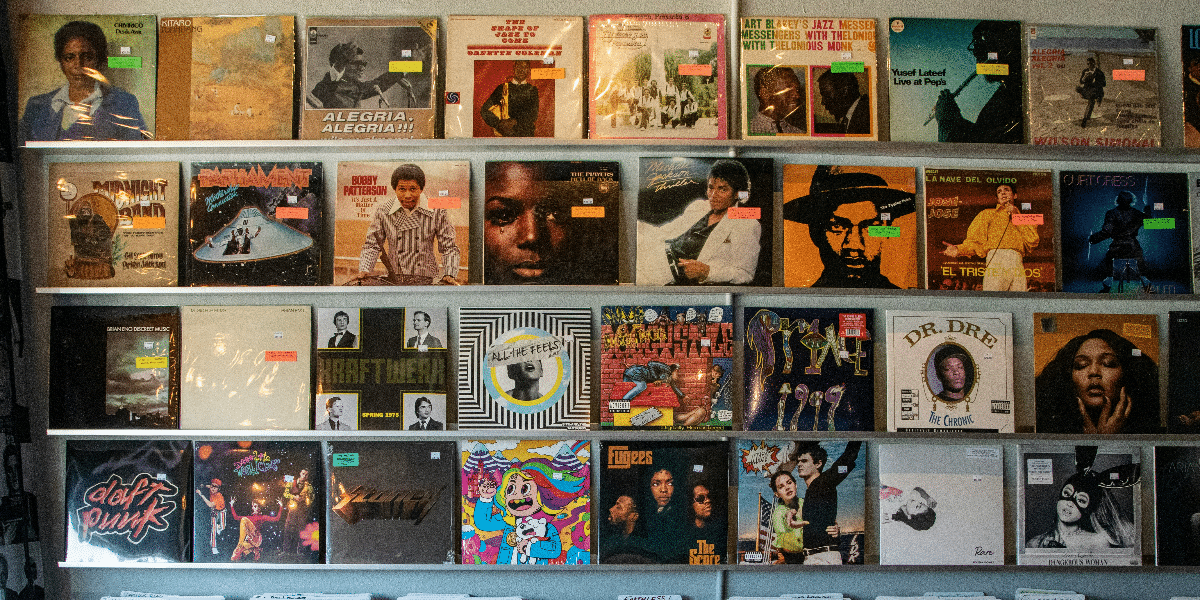
Music streaming has completely reshaped the way people discover and enjoy their favorite songs. With platforms like Spotify, Apple Music, and Tidal, listeners can access millions of tracks instantly, anytime, anywhere. This accessibility has created a shift from owning music to simply enjoying it on-demand.

Gone are the days of building collections of CDs or vinyl records. Instead, users curate playlists tailored to every mood, occasion, or genre preference. The convenience of streaming allows listeners to discover new artists through recommendations and algorithm-driven playlists, broadening musical horizons like never before.

Streaming has also made music a shared experience. Playlists can be created and shared with friends, while social media integrations let users show off their favorite songs. For younger audiences, music has become more than entertainment—it’s a way to connect and express identity.

However, this evolution hasn’t come without challenges. As streaming services dominate the industry, traditional album sales and physical formats have declined. Artists now face the need to adapt to this new landscape, which emphasizes constant engagement and frequent releases to remain relevant. Despite these challenges, streaming continues to redefine how music fits into daily life, making it more accessible and integrated than ever before.

Why Is Fair Compensation for Artists Still an Issue?

While streaming has opened doors for many artists, it has also brought significant challenges when it comes to fair compensation. For every play on a platform, artists earn a fraction of a cent, making it difficult for many to sustain their careers.

The issue lies in the structure of royalty payments. Streaming services distribute revenue based on the total number of streams, with a significant portion going to record labels and platform operators. This leaves artists, especially independent ones, with a smaller share. For an artist to earn a living wage, their songs need millions of streams—a threshold most struggle to reach.

Independent musicians face additional hurdles. Without the backing of major labels, many rely on self-promotion and grassroots efforts to get their music heard. Platforms like Bandcamp and SoundCloud offer alternatives, providing artists with direct-to-consumer options. However, these platforms lack the reach of the big streaming players, making it a balancing act for creators.

The debate over fair compensation has led to industry-wide discussions. Artists are calling for more transparent payment systems and equitable revenue sharing. Some have started exploring blockchain-based platforms that promise fairer royalty distribution by eliminating intermediaries.

Fair compensation is not just about money—it’s about recognizing the value of creative work. As the industry evolves, finding a balance between streaming’s convenience and artist sustainability remains one of its biggest challenges.

What Does the Future of Digital Distribution Look Like?

The future of digital music distribution is poised to become even more innovative, fueled by new technologies and changing consumer habits. While streaming will likely remain the dominant form of music consumption, the way music is distributed and monetized is set to evolve.

Emerging technologies like blockchain are gaining traction in the music industry. Blockchain offers a transparent way to track music rights and royalties, ensuring fairer compensation for artists. Platforms using this technology allow artists to upload their work directly, bypassing traditional record labels and intermediaries. This not only empowers creators but also builds trust with listeners.

Another trend is the rise of niche platforms catering to specific genres or communities. As listeners seek more personalized experiences, smaller platforms with unique offerings may carve out spaces alongside giants like Spotify. These platforms often emphasize artist support, offering higher payouts or exclusive features.

Subscription models might also diversify. While monthly fees dominate now, future platforms may experiment with pay-per-play or artist-specific subscriptions. These options give fans more control while allowing artists to directly benefit from their most loyal supporters.

Live streaming and interactive music experiences are becoming increasingly popular. From virtual concerts to artist Q&A sessions, digital platforms are bringing fans and artists closer together. These innovations blur the line between music consumption and engagement, offering new ways for creators to connect with their audience.

As digital distribution continues to evolve, it’s clear that technology and creativity will shape the future. The industry will likely focus on balancing accessibility with sustainability, ensuring both listeners and artists thrive in the changing landscape.

Major Sports Leagues That Define US Culture

National Football League (NFL)

The National Football League (NFL) is one of the most popular and influential sports leagues in the United States. Established in 1920, the NFL has grown to become a cornerstone of American sports culture, with millions of fans tuning in each week to watch their favorite teams compete. The league consists of 32 teams divided into two conferences: the American Football Conference (AFC) and the National Football Conference (NFC).

One of the most iconic events in the NFL is the Super Bowl, the annual championship game that determines the league’s champion. The Super Bowl is not just a sporting event; it is a cultural phenomenon that attracts massive viewership and features high-profile halftime performances. The NFL has produced legendary players such as Joe Montana, Jerry Rice, and Tom Brady, whose performances have left an indelible mark on the sport.

The NFL’s impact extends beyond the field, with its influence seen in various aspects of American life, including fashion, entertainment, and community engagement. The league has also been at the forefront of social issues, promoting initiatives like the NFL’s “Inspire Change” program, which focuses on education, economic advancement, and police-community relations.

National Basketball Association (NBA)

The National Basketball Association (NBA) is another major sports league in the US, known for its fast-paced games and global appeal. Founded in 1946, the NBA has grown into an international powerhouse, with a fan base that spans the globe. The league comprises 30 teams divided into two conferences: the Eastern Conference and the Western Conference.

The NBA is famous for its high-flying dunks, three-point shooting, and superstar athletes. Players like Michael Jordan, LeBron James, and Kobe Bryant have become household names, known for their incredible skills and contributions to the game. The NBA Finals, the culmination of the league’s postseason, is one of the most-watched sporting events each year.

In addition to its on-court action, the NBA is recognized for its commitment to social justice and community service. The league and its players have been vocal advocates for racial equality, education, and health initiatives. Programs like NBA Cares have made significant contributions to communities around the world, reflecting the league’s dedication to making a positive impact beyond basketball.

Major League Baseball (MLB)

Major League Baseball (MLB) holds a special place in American history and culture as the oldest of the major professional sports leagues. Founded in 1869, MLB has a rich heritage and has played a significant role in shaping the national pastime. The league consists of 30 teams divided into two leagues: the American League (AL) and the National League (NL).

MLB is known for its storied franchises, such as the New York Yankees, Boston Red Sox, and Los Angeles Dodgers, which have produced some of the greatest players in baseball history. Legends like Babe Ruth, Jackie Robinson, and Hank Aaron have left a lasting legacy on the sport. The World Series, MLB’s championship series, is a highlight of the baseball season and a beloved tradition for fans.

Baseball’s influence extends beyond the diamond, with its presence felt in movies, literature, and popular culture. The sport has also been a platform for social change, with historic moments like Jackie Robinson breaking the color barrier in 1947. MLB continues to evolve, embracing new technologies and initiatives to enhance the fan experience and promote the game to new generations.

National Hockey League (NHL)

The National Hockey League (NHL) is the premier professional ice hockey league in North America, known for its intense action and passionate fan base. Established in 1917, the NHL comprises 32 teams, with 25 based in the United States and 7 in Canada. The league is divided into two conferences: the Eastern Conference and the Western Conference.

The NHL is renowned for its physical play, speed, and skill. Iconic players like Wayne Gretzky, Mario Lemieux, and Sidney Crosby have become legends in the sport, setting records and thrilling fans with their performances. The Stanley Cup, awarded to the NHL’s champion, is one of the most prestigious trophies in professional sports and has a rich history dating back to 1893.

Hockey’s popularity continues to grow in the US, with youth and amateur leagues expanding across the country. The NHL has also made significant strides in promoting diversity and inclusion within the sport through initiatives like Hockey Is For Everyone. These efforts aim to ensure that hockey is accessible and welcoming to people of all backgrounds.

Major League Soccer (MLS)

Major League Soccer (MLS) is the top professional soccer league in the United States, rapidly growing in popularity since its inception in 1993. The league features 29 teams, with plans for further expansion. MLS is divided into two conferences: the Eastern Conference and the Western Conference.

Soccer’s popularity in the US has surged in recent years, with MLS attracting top talent from around the world. Stars like David Beckham, Zlatan Ibrahimović, and Josef Martínez have brought excitement and attention to the league. The MLS Cup, the league’s championship match, is a major event that draws significant viewership and fan engagement.

MLS is also known for its commitment to community outreach and environmental sustainability. Programs like MLS WORKS focus on health and wellness, education, and environmental initiatives, reflecting the league’s dedication to positive social impact.

The major sports leagues in the US, including the NFL, NBA, MLB, NHL, and MLS, play a crucial role in American culture and entertainment. Each league has its unique history, iconic players, and impact on society, making them integral parts of the sports landscape. By staying engaged with these leagues, fans can enjoy thrilling athletic performances and contribute to the positive influence sports have on communities.