Active Weekly

Keep Moving Forward

Keep Moving Forward

Keep Moving Forward

How to Use an Eyeshadow Palette Like a Pro

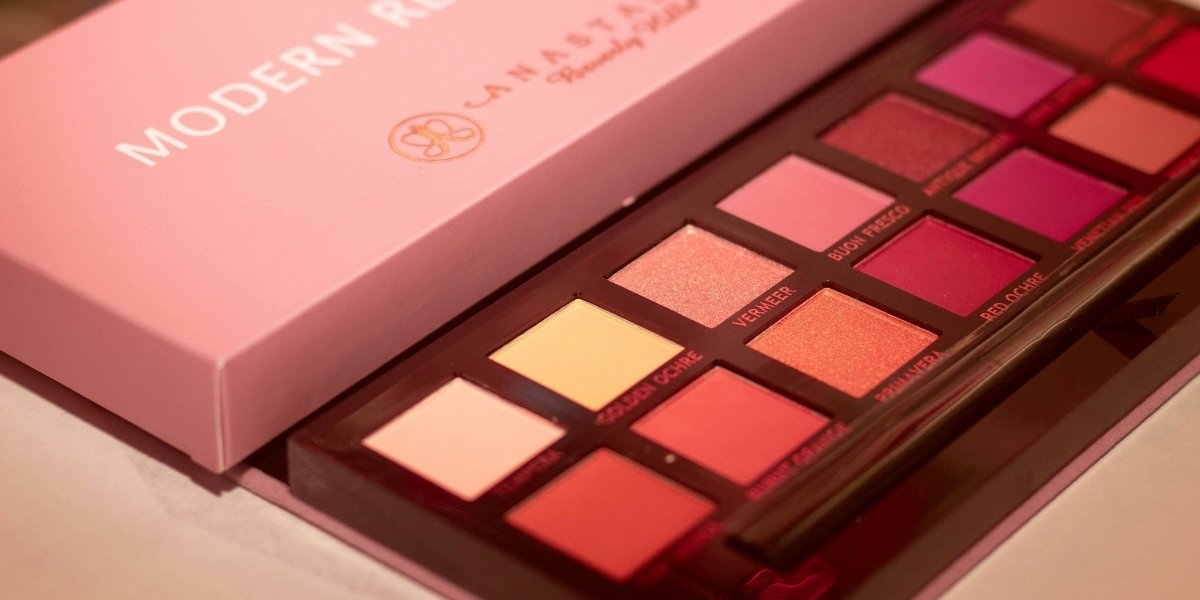
Makeup has the power to transform, enhance, and boost confidence. Whether aiming for a soft, everyday look or a bold, dramatic finish, an eyeshadow palette is an essential tool. With so many shades and finishes available, knowing how to use them correctly can elevate any makeup routine.

Read Also: AI-Powered Cameras: A Game-Changer in Modern Technology

What Makes an Eyeshadow Palette Essential for Makeup?

An eyeshadow palette offers versatility, allowing users to create multiple looks with a single product. From neutral tones for subtle definition to vibrant hues for artistic expression, the right combination can define, highlight, and enhance the eyes. Makeup artists and enthusiasts alike value palettes for their ability to blend seamlessly and complement different skin tones.

Professional-grade formulas provide highly pigmented, long-lasting color payoff, while beginner-friendly options focus on smooth application and easy blending. Matte, shimmer, satin, and glitter finishes add dimension, making an eyeshadow palette a fundamental element in beauty routines.

How Do You Choose the Right Eyeshadow Palette?

Selecting the perfect eyeshadow palette depends on factors like skin tone, eye color, and personal style. Neutral palettes featuring browns, taupes, and golds work well for everyday wear, while vibrant palettes with blues, greens, and purples cater to bold, experimental looks.

Texture also plays a significant role. Matte shades are ideal for defining the crease and creating depth, while shimmer and metallic shades enhance brightness. Those with dry eyelids may prefer cream-based formulas, while powder-based shadows blend effortlessly on most skin types.

High-quality palettes often include a mix of light, medium, and dark shades, allowing seamless transitions between colors. Investing in a palette with well-coordinated hues ensures a professional finish, regardless of experience level.

What Are the Best Techniques for Applying Eyeshadow?

Using an eyeshadow palette effectively requires mastering a few techniques. Blending is key to achieving a polished look, ensuring there are no harsh lines between shades. A fluffy blending brush softens edges, while a dense brush packs pigment onto the eyelid for maximum impact.

Layering enhances color payoff, starting with a light base shade and building up intensity with deeper tones. The crease defines eye shape, making it essential to apply a medium-toned shade slightly above the eyelid for added dimension. Shimmer shades pop when applied with a damp brush or fingertip, intensifying their reflective quality.

For a seamless transition, transition shades bridge the gap between light and dark colors. Placing a neutral shade between the brow bone and crease ensures a gradient effect, preventing harsh demarcations.

How Can You Make Your Eyeshadow Last Longer?

Longevity depends on proper preparation. Applying an eyeshadow primer creates a smooth base, preventing creasing and enhancing pigment adherence. Setting the primer with a light dusting of translucent powder ensures a crease-free application.

Using high-quality formulas with long-wearing properties also improves durability. Some eyeshadow palettes feature waterproof or smudge-proof formulations, making them ideal for long hours of wear.

For intensified results, layering a cream eyeshadow beneath powder-based shadows enhances vibrancy. A setting spray further locks in the look, ensuring colors remain fresh throughout the day.

How Can You Experiment With Different Eyeshadow Styles?

Makeup allows creativity, and an eyeshadow palette serves as a canvas for expression. A soft, natural look involves neutral shades blended seamlessly, enhancing features without overpowering them. A smoky eye requires a gradient of deep shades, focusing on blending for a sultry effect.

Cut-crease techniques create a sharp contrast between lid and crease shades, emphasizing precision and definition. Halo eyes center light shades on the middle of the eyelid, creating an illusion of depth and roundness. Graphic liner and bold color combinations push creative boundaries, allowing users to showcase individuality.

Adapting techniques based on eye shape enhances the final result. Hooded eyes benefit from extended crease application, while monolids achieve depth through gradient layering. Experimenting with placement and blending techniques tailors the look to each unique feature.

How Do You Maintain and Store an Eyeshadow Palette?

Proper maintenance ensures longevity and hygiene. Cleaning brushes regularly prevents product buildup, which can affect application. Storing a palette in a cool, dry place away from direct sunlight preserves pigment quality and prevents damage.

For pressed powder formulas, occasional sanitization with alcohol wipes minimizes bacteria. Avoiding moisture exposure keeps textures intact, preventing hardening or crumbling.

Read Also: Unlock Your Radiance: Tailored Skincare Routines for Every Skin Type, Tackling Acne, Dryness, and Aging Concerns

How Can Beginners Improve Their Eyeshadow Skills?

Practice and patience are essential for mastering makeup techniques. Watching instructional videos provides guidance, breaking down complex techniques into manageable steps. Following experienced makeup artists helps refine blending and color placement skills.

Starting with basic looks and gradually experimenting with bolder styles builds confidence. Using a high-quality eyeshadow palette enhances the learning process, ensuring smooth application and consistent results.

Published by Drake M.
Deodorant vs. Antiperspirant: How to Pick the Right Underarm Product

What to Use for Your Underarm Care?

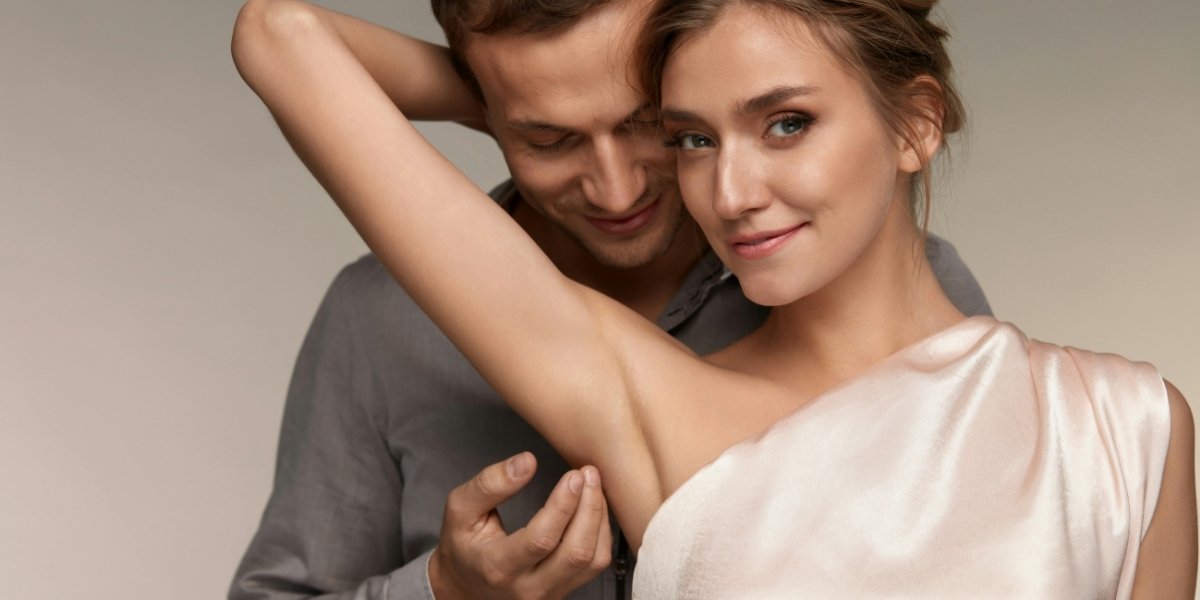
When it comes to underarm hygiene, one of the most common questions people ask is whether to use deodorant or antiperspirant. Both products serve distinct functions, but they are often confused. Understanding the differences can help you make the right choice for your needs, whether you’re concerned with odor, sweat, or both. This article will break down the key differences between deodorants and antiperspirants, helping you decide which is best for you.

Read Also: Meteorology: Exploring the Science of Weather and Climate

What Is the Difference Between Deodorant and Antiperspirant?

At their core, deodorants and antiperspirants serve different purposes. Deodorants are designed to mask or eliminate body odor caused by bacteria. They typically contain antibacterial ingredients that prevent the growth of odor-causing bacteria under the arms. On the other hand, antiperspirants are designed to reduce sweat production. They often contain aluminum-based compounds that temporarily block sweat glands to prevent perspiration.

While deodorants can help you smell fresh, they do not stop you from sweating. Antiperspirants, however, aim to keep you dry by preventing perspiration. Depending on your specific needs, you may find one more suitable than the other.

When Should You Use Deodorant?

If your primary concern is odor, deodorants may be the best option for you. These products typically contain antimicrobial agents that fight bacteria, which is the main cause of underarm odor. Deodorants can be helpful for people who don’t sweat excessively or those who want to maintain freshness throughout the day without blocking natural perspiration.

There are also many natural deodorants on the market that use ingredients like baking soda, coconut oil, or essential oils to combat odor. These alternatives often appeal to those looking for products without synthetic chemicals, aluminum compounds, or fragrances.

When Should You Use Antiperspirant?

Antiperspirants are better suited for individuals who want to control both odor and sweat. If you’re someone who experiences excessive sweating, using an antiperspirant might be a good choice. Antiperspirants work by using aluminum salts, such as aluminum chloride or aluminum zirconium, to temporarily block the sweat glands. This prevents sweat from reaching the surface of your skin, helping you stay dry.

These products are particularly useful for people with hyperhidrosis (a condition that causes excessive sweating), as they can significantly reduce sweat production. For everyday use, if you want to feel dry and odor-free, antiperspirants provide a dual benefit.

Are There Any Health Risks Associated with Deodorants and Antiperspirants?

There has been some debate over the safety of ingredients found in both deodorants and antiperspirants. One of the most common concerns is the presence of aluminum-based compounds in antiperspirants. Some studies have raised questions about the potential link between aluminum and diseases like Alzheimer’s or breast cancer, though the evidence remains inconclusive. Health authorities, including the U.S. Food and Drug Administration (FDA), have stated that there is no clear evidence that aluminum in antiperspirants poses a significant health risk.

For people with sensitive skin, certain deodorants and antiperspirants can cause irritation, especially those containing alcohol or artificial fragrances. If you have sensitive underarm skin, you may want to opt for fragrance-free or hypoallergenic products to minimize the risk of irritation.

Can You Use Both Deodorant and Antiperspirant?

Some people choose to use both deodorant and antiperspirant in tandem. This can be effective if you’re trying to control both odor and sweat throughout the day. For example, you might use an antiperspirant at night before bed when your sweat glands are less active, allowing the product to work more effectively. In the morning, you could apply a deodorant to maintain a fresh scent during the day.

It’s important to note, however, that layering multiple products on your skin may increase the risk of irritation, particularly if you have sensitive skin. If you experience discomfort, it might be best to simplify your routine and choose one product that meets your needs.

How to Choose the Right Product for Your Underarm Care?

When deciding whether to use deodorant or antiperspirant, consider your lifestyle, sweat levels, and skin sensitivity. If you’re active and sweat a lot, an antiperspirant may be the better choice. If you don’t sweat excessively but want to stay fresh, deodorant might be sufficient.

For those with sensitive skin, look for deodorants or antiperspirants that are free from alcohol, parabens, or synthetic fragrances. Natural deodorants with ingredients like shea butter or tea tree oil can be a gentler option for those with irritation-prone skin.

Read Also: How Proper Handwashing Can Prevent Germs and Illness

Finding the Right Underarm Solution

Ultimately, the decision between deodorant and antiperspirant depends on your personal preferences and needs. Whether you’re looking to reduce sweat, eliminate odor, or find a more natural solution, there’s a product out there to suit your specific underarm care routine. It’s important to consider any health concerns, your skin type, and how much you sweat to make the best choice.

Both deodorants and antiperspirants can effectively help with underarm care, so understanding the difference and choosing the right product for your lifestyle is key. Whether you choose to stay fresh with deodorant or stay dry with antiperspirant, both options are designed to keep you feeling confident and comfortable.

Makeup Trends: Bold Graphic Liner, “Clean Girl” Makeup Aesthetic, Euphoria-Inspired Makeup, and the Resurgence of 90s Makeup Trends

Bold Graphic Liner

The world of makeup is constantly evolving, with new trends emerging and old favorites making a comeback. In recent years, several distinct makeup trends have captured the attention of beauty enthusiasts and professionals alike. These trends include bold graphic liner, the “clean girl” makeup aesthetic, Euphoria-inspired makeup, and the resurgence of 90s makeup trends. Each of these styles offers a unique way to express individuality and creativity through makeup. This article explores these popular makeup trends, their characteristics, and how to achieve these looks.

Bold graphic liner is a striking trend that focuses on creating dramatic, eye-catching designs with eyeliner. This trend goes beyond the traditional cat-eye or winged liner, incorporating geometric shapes, lines, and patterns to make a bold statement. Bold graphic liner allows for endless creativity, making it a favorite among makeup artists and enthusiasts who love to experiment with their looks.

To achieve the bold graphic liner look, start with a high-quality, long-lasting eyeliner. Liquid liners are ideal for creating precise lines, while gel liners can offer more control for intricate designs. Begin by outlining the desired shape or pattern on your eyelid, and then fill in the design with the liner. Popular designs include double wings, negative space liner, and abstract shapes. For added impact, consider using colored liners or incorporating metallic shades.

Practice is key to mastering bold graphic liner, as it requires a steady hand and precision. Experiment with different shapes and styles to find what works best for your eye shape and personal style. Bold graphic liner can be paired with minimal makeup on the rest of the face to let the eyes take center stage.

“Clean Girl” Makeup Aesthetic

The “clean girl” makeup aesthetic emphasizes a natural, fresh-faced look that highlights healthy, glowing skin. This trend focuses on minimal makeup, enhancing natural features rather than covering them up. The goal is to achieve a polished yet effortless appearance, perfect for everyday wear.

To create the “clean girl” makeup look, start with a good skincare routine to ensure your skin is well-hydrated and prepped. Use a lightweight, dewy foundation or tinted moisturizer to even out your skin tone without masking your natural complexion. Conceal any blemishes or under-eye circles with a light-coverage concealer.

For the eyes, opt for neutral shades that enhance your natural eye color. A soft, neutral eyeshadow, a coat of mascara, and well-groomed brows are all you need. For the cheeks, choose a cream blush in a natural, rosy shade to add a subtle flush of color. Highlight the high points of your face with a cream highlighter to achieve a luminous glow.

Finish the look with a natural lip color, such as a tinted lip balm or a nude lipstick. The “clean girl” makeup aesthetic is all about enhancing your natural beauty with minimal products, making it a quick and easy routine for everyday wear.

Euphoria-Inspired Makeup

Euphoria-inspired makeup is a trend that gained popularity from the hit television show “Euphoria,” known for its bold and artistic makeup looks. This trend embraces vibrant colors, glitter, rhinestones, and unconventional designs to create a dramatic and expressive appearance. Euphoria-inspired makeup is perfect for those who love to push the boundaries and make a statement with their makeup.

To achieve a Euphoria-inspired makeup look, start by choosing a bold color palette. Bright eyeshadows, neon liners, and glitter are key elements of this trend. Experiment with different color combinations and blending techniques to create a unique and eye-catching look.

Incorporate glitter and rhinestones to add sparkle and dimension to your makeup. Apply glitter eyeshadow or loose glitter to your eyelids, and use lash glue to adhere rhinestones around your eyes or on your face. Don’t be afraid to get creative with the placement and design of the rhinestones.

Finish the look with dramatic lashes and a bold lip color. Euphoria-inspired makeup is all about expressing your individuality and having fun with your makeup, so don’t be afraid to experiment and try new things.

The Resurgence of 90s Makeup Trends

The resurgence of 90s makeup trends has brought back some iconic looks from the decade, with a modern twist. Key elements of 90s makeup include brown lip liner, frosted eyeshadow, matte skin, and thin brows. This trend has been embraced by both nostalgic individuals who lived through the 90s and younger generations looking to recreate the iconic looks of the era.

To achieve a 90s-inspired makeup look, start with a matte foundation to create a flawless base. Use a matte bronzer to contour your face and add definition. For the eyes, choose frosted eyeshadows in shades of silver, blue, or lavender. Apply the eyeshadow all over your eyelids and blend it up to the brow bone.

Thin, well-defined brows are a hallmark of 90s makeup. If you have naturally thick brows, consider using a brow gel to tame and shape them, or carefully pluck them to achieve a thinner look. For the lips, use a brown lip liner to outline your lips and fill them in with a matching brown or nude lipstick. For an authentic 90s look, opt for a matte lip finish.

Another popular 90s trend making a comeback is the use of dark lip colors, such as deep reds and burgundies. These shades can add a bold and dramatic touch to your makeup look, perfect for evening wear or special occasions.

Makeup trends are constantly evolving, with new styles emerging and old favorites making a comeback. The current trends of bold graphic liner, the “clean girl” makeup aesthetic, Euphoria-inspired makeup, and the resurgence of 90s makeup trends offer a variety of ways to express individuality and creativity through makeup. Whether you prefer a natural, fresh-faced look or enjoy experimenting with bold and dramatic designs, there is a trend to suit every style and preference. By understanding and incorporating these trends into your makeup routine, you can stay on top of the latest beauty fashions and create looks that make you feel confident and beautiful.

No Makeup Makeup Look Tips for a Naturally Polished Face

What Makes the No Makeup Makeup Look So Coveted?

Effortless beauty has long been admired, and few styles embody that aesthetic better than the No Makeup Makeup Look. At first glance, it appears as though no product has touched the skin—yet the overall effect is polished, radiant, and refreshed. This approach isn’t about hiding imperfections or reshaping features; it’s about letting natural beauty lead, using minimal techniques to create maximum impact. The appeal lies in its subtlety. It’s not about looking done—it’s about looking like yourself on your best day.

Read Also: The Powerful Link Between Joy and Immune Health

Why Is Subtlety the Heart of the No Makeup Makeup Look?

The guiding philosophy behind this look is simple: enhance, don’t conceal. It encourages working with your existing features, not against them. Unlike heavier styles that rely on contouring, baking, and full-coverage products, the No Makeup Makeup Look begins with acceptance. The aim is not to mask, but to reveal. It calls for noticing the nuances in your own face—the softness of your skin tone, the shape of your brows, the flush in your cheeks—and gently amplifying them.

Subtlety also demands intention. Every product has a purpose, and every step is meant to serve the end goal of natural beauty. This is not a routine of shortcuts; it’s a refined process that emphasizes restraint and awareness.

What Products Are Essential to Create the Look?

Each product used in the No Makeup Makeup Look serves a specific and minimal role. Heavy foundations are swapped out for tinted moisturizers or lightweight skin tints that even out skin tone without obscuring texture. When coverage is needed, concealer is applied precisely—only where required—such as under the eyes or around the nose.

Cream-based products dominate this routine. Cream blushes and bronzers melt into the skin, leaving behind a soft warmth instead of bold definition. Brow gels, either clear or lightly tinted, groom brows into place while keeping them natural-looking. For the eyes, a swipe of brown mascara or clear lash gel adds structure without drama. On the lips, tinted balms and sheer colors provide hydration and just enough pigment to enhance the natural hue.

Each product supports the goal: fresh, barely-there, believable beauty.

How Do You Build a Natural-Looking Base?

The key to a convincing No Makeup Makeup Look starts with how the base is applied. Instead of layering on foundation, the focus shifts to creating a breathable, skin-like finish. Skin tints or sheer coverage formulas should be blended in with fingers, brushes, or damp sponges to avoid heavy buildup. If uneven spots remain, targeted concealing keeps the overall look light and airy.

Creating a dewy or satin finish adds life to the skin. A matte base can read flat or artificial, while a luminous finish mimics the appearance of healthy, hydrated skin. Light reflection should appear subtle—not sparkly—and strategic, often across high points like the cheekbones and bridge of the nose. The end goal is to blur imperfections without erasing the character of the skin.

How Can Features Be Defined Without Looking Made Up?

Definition within the No Makeup Makeup Look is gentle and intentional. For the brows, this means brushing them upward and slightly outward, maintaining their natural shape while enhancing their texture. Brows should frame the face, not dominate it.

Eyes benefit from just a touch of emphasis. A single coat of mascara or a trace of soft brown liner close to the lash line can enhance the eyes without appearing obvious. Lashes look fuller, not false. Cheekbones and jawlines can be softly sculpted using cream bronzers one shade warmer than the skin, diffused so no lines are visible.

The blush should resemble a natural flush—applied where warmth naturally shows: across the apples of the cheeks, blending slightly upward. A soft, barely-there lip completes the look, ideally matching the lips’ own color but just a bit richer.

Why Does Skin Health Matter More Than Products?

One of the most overlooked truths about the No Makeup Makeup Look is that it begins before makeup even enters the picture. Skincare is the real foundation. When the skin is well-hydrated, smooth, and balanced, less coverage is needed, and every product applied on top performs better.

A good skincare routine focuses on gentle cleansing, regular exfoliation, and consistent moisture. Ingredients like hyaluronic acid, niacinamide, and vitamin C can improve brightness and texture over time. Skin that is cared for reflects light more evenly, holds product longer, and appears more vibrant—even with minimal enhancement.

Investing in skin health means that makeup becomes the finishing touch rather than the main event.

Read Also: Makeup Trends: Bold Graphic Liner, “Clean Girl” Makeup Aesthetic, Euphoria-Inspired Makeup

Can This Look Be Adapted for Different Skin Tones and Occasions?

Absolutely. The No Makeup Makeup Look is highly adaptable and inclusive. For deeper skin tones, it’s about finding base products that match undertones and using blush and bronzer shades that complement warmth and depth. For fairer complexions, soft peaches and pinks can enhance the skin’s natural flush without overpowering it.

This look can also shift with context. During the day, it’s perfect for casual settings or professional environments. At night, a touch of additional glow or a richer lip balm can elevate the look without departing from its principles. It’s a versatile style that allows the wearer’s features—not the makeup—to remain the center of attention.

Whether you’re attending a brunch or stepping into a meeting, this aesthetic fits seamlessly.