Active Weekly

Keep Moving Forward

Keep Moving Forward

Keep Moving Forward

Hydration Hero: Science Behind Hyaluronic Acid Skincare

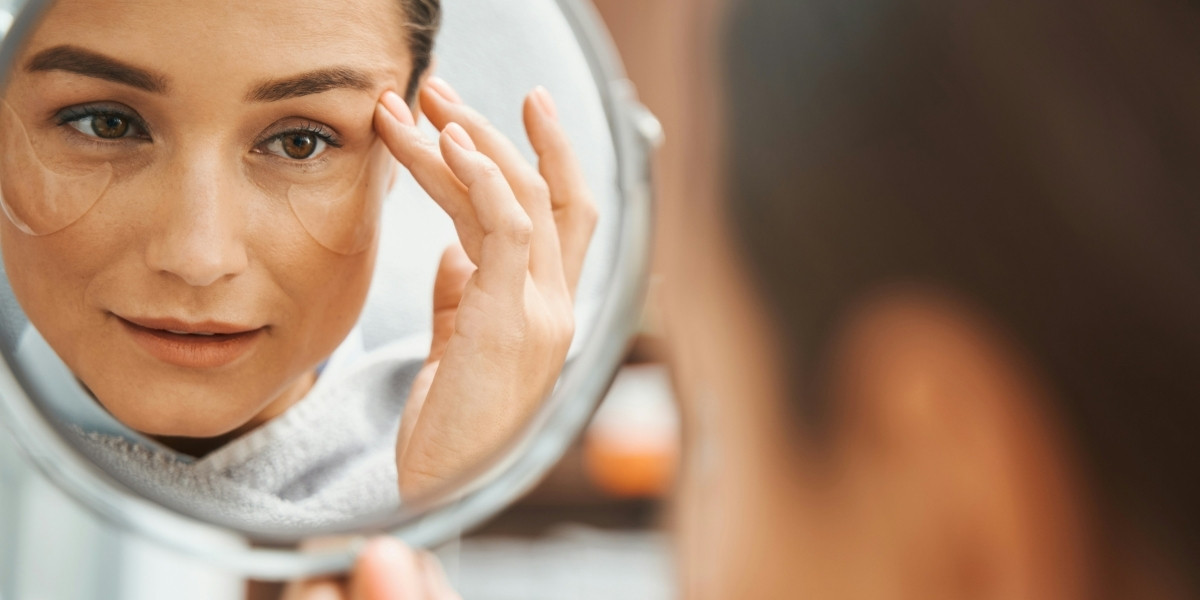
The Science of Smooth Skin: How Hyaluronic Acid Transforms Your Complexion

In the vast and ever-evolving landscape of skincare, certain ingredients emerge as true game-changers, and among them, hyaluronic acid stands out as a veritable powerhouse. Often lauded as a “moisture magnet,” this remarkable substance is naturally occurring within the human body, playing a crucial role in maintaining skin hydration, lubrication of joints, and tissue repair. Its ability to hold an astonishing amount of water—up to 1,000 times its weight—makes it an indispensable component in achieving and maintaining a smooth, plump, and youthfully radiant complexion. Understanding the fundamental science behind its action is key to appreciating its transformative effects.

Read Also: Green Beauty: Embracing Eco-Friendly Practices for a Sustainable Routine

The quest for smooth, supple skin is a universal pursuit, and modern dermatology continually seeks ingredients that deliver tangible results. Hyaluronic acid (HA), whether naturally present or applied topically, directly addresses one of the most critical aspects of skin health: hydration. When the skin is adequately hydrated, its barrier function is strengthened, making it more resilient against environmental aggressors and less prone to dryness, flakiness, and fine lines. This intrinsic connection between hydration and skin vitality underscores why HA has become a cornerstone of effective skincare routines worldwide.

Indeed, the widespread adoption of hyaluronic acid in serums, moisturizers, and even injectable fillers is a testament to its proven efficacy. Its scientific backing, combined with its gentle nature suitable for almost all skin types, has propelled it to the forefront of dermatological recommendations. By delving into how this potent molecule interacts with the skin, we can truly grasp its transformative potential, unlocking the secrets to a complexion that feels as good as it looks—smooth, supple, and vibrantly healthy.

What Exactly Is Hyaluronic Acid, and How Does It Hydrate Skin?

Hyaluronic acid is a glycosaminoglycan, a long, unbranched carbohydrate molecule composed of repeating disaccharide units. Unlike some other acids, it isn’t an exfoliant; rather, its primary biological function in the skin is to attract and bind water molecules, forming a jelly-like substance that fills the spaces between collagen and elastin fibers. This creates volume, cushions tissues, and keeps the skin well-lubricated and pliable. Its unique molecular structure allows it to act like a sponge, drawing moisture from the environment and deeper skin layers to the surface, where it’s most needed.

Photo Credit: Unsplash.com

Within the skin’s dermal layer, hyaluronic acid is abundant in the extracellular matrix, the intricate network of molecules that provides structural support to cells. Here, it maintains tissue hydration and contributes to skin turgor, which is the firmness and elasticity of the skin. As we age, the natural production of HA in the body significantly decreases, leading to a reduction in the skin’s ability to retain moisture. This decline contributes directly to common signs of aging, such as dryness, loss of plumpness, and the formation of fine lines and wrinkles, highlighting its crucial role in youthful skin.

Topical application of hyaluronic acid, found in various skincare products, works by forming a breathable, hydrating layer on the skin’s surface. Depending on its molecular weight (HA can come in different sizes, from high molecular weight, which sits on the surface, to low molecular weight, which can penetrate deeper), it delivers moisture to the outermost layers of the epidermis, creating an immediate plumping effect. This surface hydration smooths the skin’s texture, reduces the visibility of fine lines, and imparts a dewy, radiant glow, effectively enhancing the skin’s appearance from the outside in, mimicking its natural hydrating function.

How Does Hyaluronic Acid Transform Skin Texture and Appearance?

One of the most immediate and noticeable effects of incorporating hyaluronic acid into a skincare routine is a dramatic improvement in skin hydration. By drawing moisture into the stratum corneum, the outermost layer of the skin, HA effectively quenches thirsty skin, alleviating dryness and flakiness. This deep hydration results in a visibly smoother and softer texture, as the skin cells become plumped with water, reducing the appearance of rough patches and creating a more uniform surface that reflects light beautifully, contributing to a healthy glow.

Beyond basic hydration, the plumping action of hyaluronic acid plays a crucial role in minimizing the appearance of fine lines and wrinkles. When the skin is well-hydrated, the cells swell with moisture, causing the skin to appear fuller and firmer. This temporary plumping effect helps to “fill in” shallow lines and creases, making them less noticeable. While it doesn’t eliminate deep wrinkles permanently, consistent use can significantly improve the skin’s overall smoothness and elasticity, creating a more youthful and refreshed look without invasive procedures.

Hyaluronic acid strengthens the skin’s natural barrier function. A healthy skin barrier is essential for protecting against environmental aggressors, such as pollutants and irritants, and preventing transepidermal water loss (TEWL), which leads to dehydration. By enhancing moisture retention, HA helps to fortify this protective shield, making the skin more resilient, less susceptible to irritation, and better able to heal itself. This robust barrier function translates to a healthier, more vibrant complexion that feels smooth and comfortable, laying the groundwork for long-term skin vitality.

How Can You Effectively Integrate Hyaluronic Acid into Your Skincare Routine?

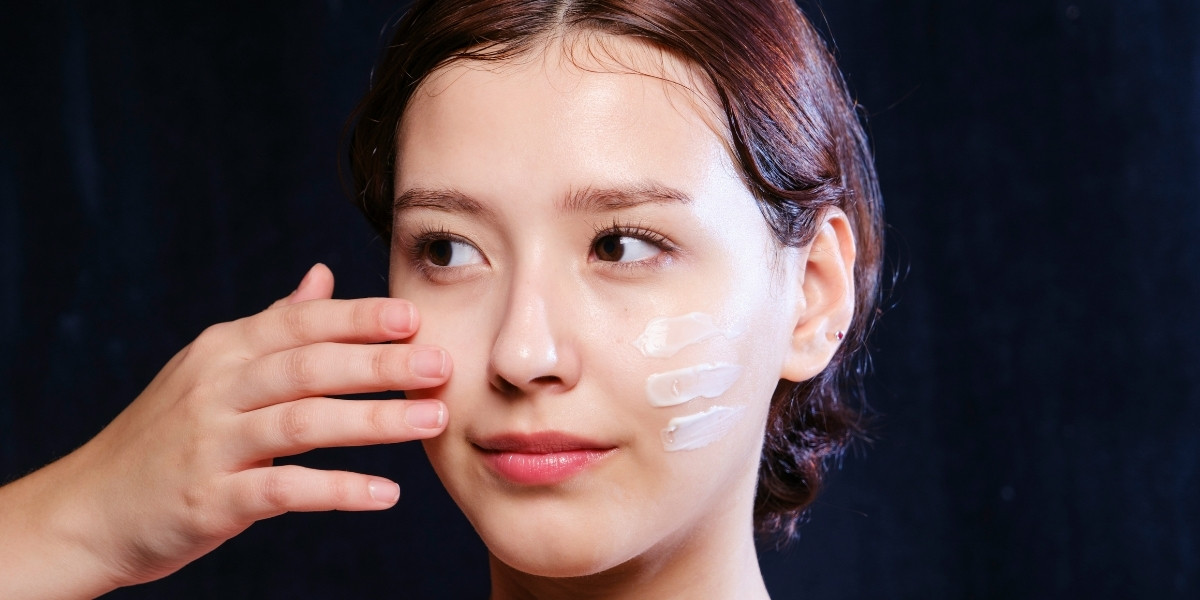
Incorporating hyaluronic acid into your daily skincare routine is remarkably simple, given its versatile and gentle nature. The most common and effective way to use it is in serum form, applied to damp skin after cleansing and toning. Applying HA to damp skin is crucial because it gives the molecule existing moisture to bind to, allowing it to draw water into the skin rather than potentially pulling moisture out from deeper layers in very dry environments. A few drops are typically sufficient to cover the entire face and neck, providing a lightweight yet powerful boost of hydration.

Following your hyaluronic acid serum, it is essential to seal it in with a moisturizer. This step is critical because while HA attracts water, it doesn’t create an occlusive barrier on its own. A good moisturizer acts as a protective layer, preventing the attracted moisture from evaporating off the skin’s surface, ensuring that the hydration provided by the HA remains locked in. This layering technique maximizes the benefits of hyaluronic acid, keeping your complexion plump, smooth, and dewy throughout the day or night, creating an ideal moisture sandwich.
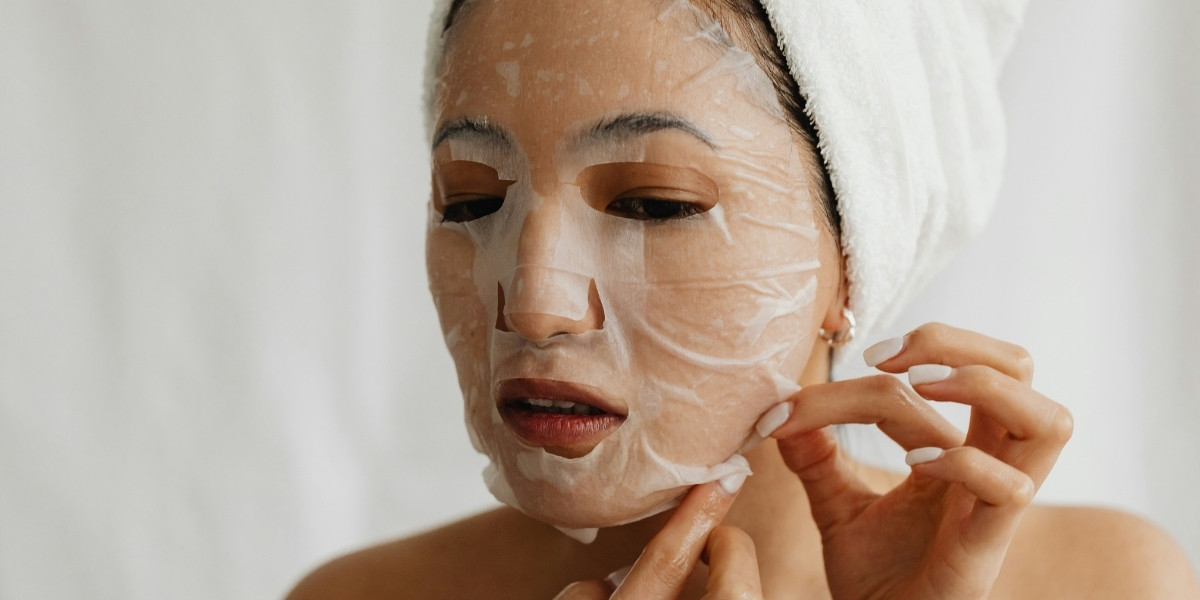
Photo Credit: Unsplash.com

Hyaluronic acid is well-tolerated by most skin types, including sensitive and acne-prone skin, due to its natural presence in the body. It can be safely used both morning and night, and it pairs well with almost all other active ingredients, from retinoids and Vitamin C to niacinamide. For an added boost, look for moisturizers or even cleansers that also contain HA. However, always ensure your chosen product contains a blend of molecular weights for comprehensive hydration, providing benefits across different layers of the epidermis for optimal results and a truly transformed complexion.

What Are the Advanced Uses of Hyaluronic Acid Beyond Topical Products?

The versatility of hyaluronic acid extends beyond topical skincare products, playing a significant role in advanced dermatological and cosmetic treatments. Dermal fillers, widely used for facial rejuvenation, are primarily composed of cross-linked hyaluronic acid gels. These injectable fillers are expertly administered by dermatologists to restore lost volume, smooth deep wrinkles and folds (such as nasolabial folds), enhance lips, and contour facial features. The HA gel works by directly plumping the skin from within, mimicking the body’s natural HA to provide immediate and noticeable results that can last for several months to over a year, depending on the specific product and area treated.

Another advanced application is mesotherapy, where small amounts of uncross-linked hyaluronic acid (sometimes combined with vitamins and minerals) are injected superficially into the skin. This technique aims to deeply hydrate the skin from the inside out, improving its overall quality, elasticity, and radiance. Unlike dermal fillers, which provide volume, mesotherapy focuses on intense hydration and revitalization, resulting in a healthier, more luminous complexion. It is often used to improve skin texture, reduce fine lines, and enhance overall skin tone across the face, neck, and décolletage.

Read Also: Bad Pimple Pricking: Why Self-Extraction Harms Skin

Hyaluronic acid is an integral component in many professional skincare treatments, such as hydrating facials and certain types of peels, where its inclusion boosts moisture levels and aids in recovery. Its biocompatibility and powerful hydrating properties make it a go-to ingredient for dermatologists seeking to deliver both immediate aesthetic improvements and long-term skin health benefits. From daily serums to transformative injectables, the scientific understanding of hyaluronic acid continues to unlock new possibilities for achieving and maintaining smooth, supple, and radiant skin across various levels of care.

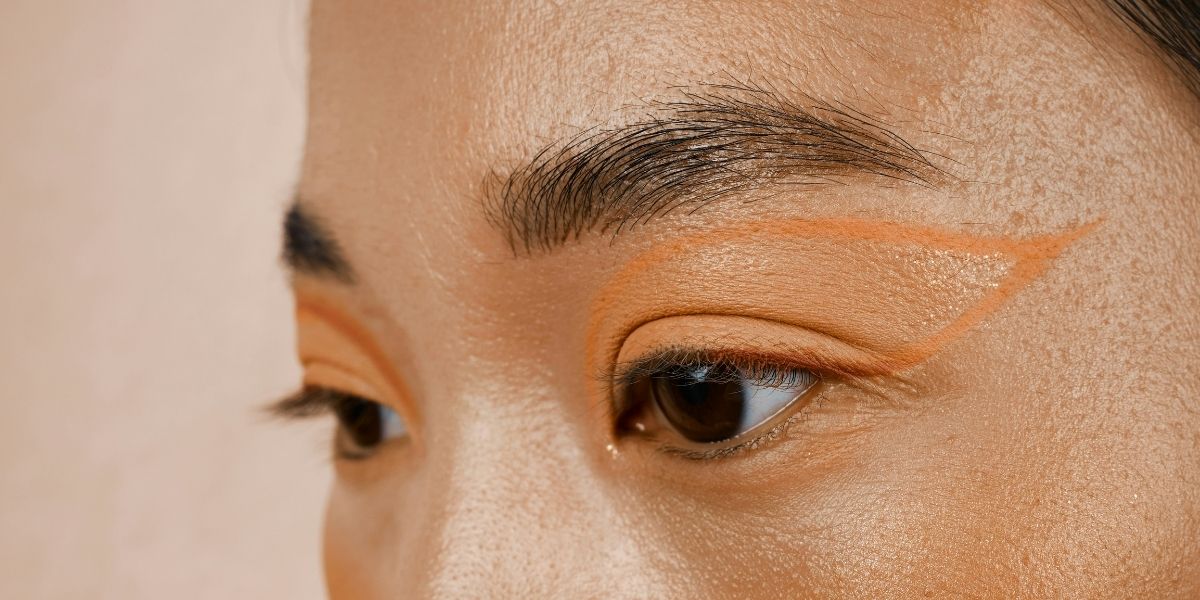
From Makeup to Surgery: The Fox Eye Trend

The concept of beauty and its trends is always evolving, shaped by everything from film to social media. In recent years, one aesthetic has gained significant traction: the fox eye trend. This look is characterized by a subtle lift and elongation of the outer eye, creating a sleek, almond-shaped gaze. What began as a makeup technique to create a lifted effect has since expanded into the world of cosmetic procedures. The trend’s popularity has been fueled by its presence across social media platforms, with countless tutorials and before-and-after photos showcasing its effects. It represents a broader fascination with achieving a more lifted and refreshed appearance, inviting people to explore both temporary and more permanent ways to change their look. The fox eye trend is a powerful example of how a beauty aesthetic can quickly transition from a stylistic choice to a demand for cosmetic solutions.

Read Also: Makeup Trends: Bold Graphic Liner, “Clean Girl” Makeup Aesthetic, Euphoria-Inspired Makeup, and the Resurgence of 90s Makeup Trends

The history of this aesthetic can be traced to various fashion and beauty movements, but its recent viral popularity is a modern phenomenon. This particular look, a straight brow and an elongated eye, became highly sought after, with many people seeking to replicate it. The rise of visual social media platforms allowed this trend to spread globally, with people from different backgrounds adopting the style. As with many beauty trends, its surge in popularity has not been without discussion. The trend, and particularly the gesture of using a hand to pull back the temples to mimic the look, has been seen by some as a form of cultural appropriation. This viewpoint highlights how a seemingly new aesthetic can have roots in features that people of Asian descent have historically been mocked for. This context is important for understanding the full scope of the trend beyond just its aesthetic appeal.

How Is the Fox Eye Look Achieved with Makeup?

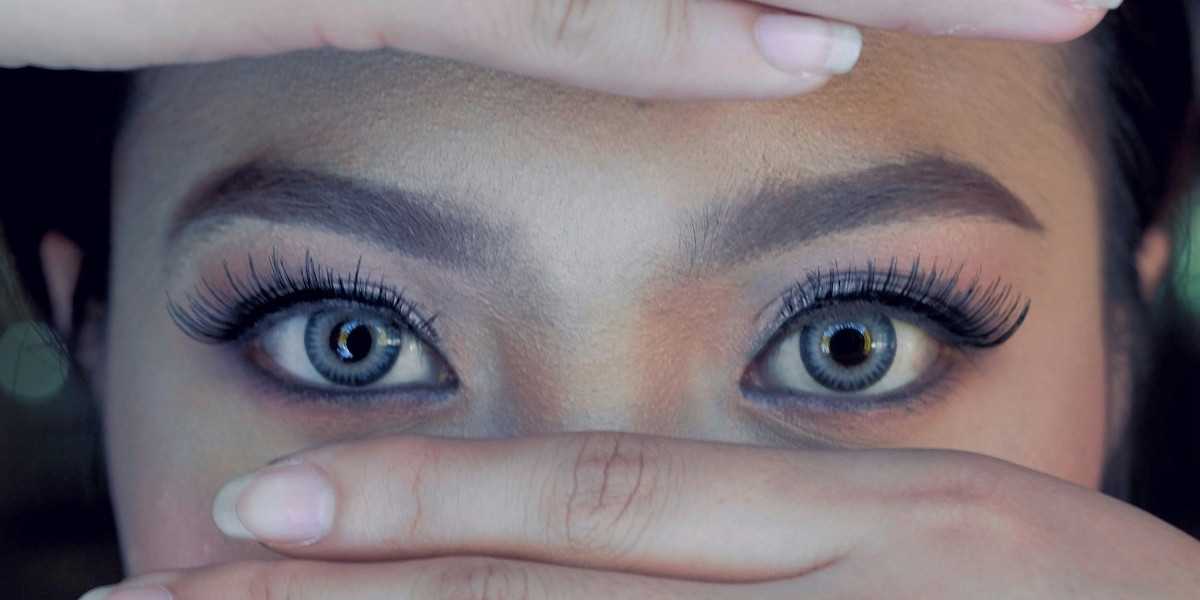
For many, the first step into exploring the fox eye trend is through makeup. This approach uses the art of illusion to create the desired lifted effect without any permanence. The core of the look involves a careful application of eyeliner and eyeshadow to manipulate the eye’s shape. The goal is not to create a dramatic cat eye with a sharp, upward curve, but rather a subtle, straight wing that extends outward and slightly upward toward the temple. This creates a straighter line from the inner corner to the outer corner, making the eye appear more elongated. This technique often involves keeping the eyeliner line as thin as possible on the lid, focusing the drama on the wing.

Photo Credit: Unsplash.com

Beyond just eyeliner, makeup artists also use eyeshadow to further enhance the look. By applying a dark, neutral shade to the outer corner of the eye and blending it upward and outward, the artist can create a soft, smoky effect that gives the eye a lifted appearance. This blending helps to blur any harsh lines and makes the transition from the wing to the rest of the eye more natural. Another key aspect is the inner corner, where a small, sharp point of eyeliner is often added to elongate the eye from the front as well. Completing the look often involves a strategic application of mascara, focusing on the outer lashes to further emphasize the winged shape.

What Are the Non-Surgical Options for the Fox Eye Trend?

For those who want a longer-lasting effect than makeup provides but are not ready for surgery, non-surgical cosmetic procedures offer an alternative. One of the most popular of these is the thread lift. During this minimally invasive procedure, temporary, dissolvable threads are inserted under the skin near the outer brow and temple area. These threads have tiny barbs that grip the skin, allowing a professional to physically lift the brow and the outer corner of the eye to achieve the desired effect. The procedure is relatively quick, often performed with a local anesthetic, and offers immediate results.

Another non-surgical approach involves the use of cosmetic injectables. Professionals can use dermal fillers to add subtle volume to the brow area, which can help to create a lifted appearance. Similarly, a small amount of an injectable muscle relaxer can be used to relax the muscles that pull the brow downward, allowing the brow to naturally lift and open up the eye area. These injectable methods offer a way to achieve a more rested and lifted look without the downtime associated with surgery. The results from these procedures are not permanent and typically last for several months, requiring maintenance treatments to sustain the effect.

What Does Fox Eye Surgery Entail?

For those seeking a permanent change, the fox eye trend has led to an interest in specific surgical procedures. These are often a more complex version of a brow lift, with a focus on raising and elongating the outer part of the eye. One procedure involves making a small incision in the hairline, often near the temple, and then lifting the skin and tissue to a higher position. The underlying tissues are then secured to an anchor point, which creates a more permanent upward slant and a lifted brow. This is a more involved procedure than non-surgical alternatives and requires a longer recovery period.

Photo Credit: Unsplash.com

A surgical approach to the fox eye aesthetic is intended to provide a long-lasting and dramatic change. This type of surgery is not a simple outpatient treatment and should be considered with full knowledge of the process and its implications. The procedure is typically performed by a surgeon who specializes in the delicate area around the eye. Unlike makeup or injectables, the results of surgery are not reversible, making the decision to undergo the procedure a significant and permanent choice. A consultation with a medical professional is crucial to determine if a person is a good candidate for this type of surgery and to understand the full scope of the process.

Are There Risks Associated with the Fox Eye Trend Procedures?

As with any cosmetic procedure, whether surgical or non-surgical, there are potential risks and side effects to consider. Non-surgical options like thread lifts and injectables carry risks such as swelling, bruising, and discomfort at the injection site. There is also a possibility of asymmetrical results, where one side may not look the same as the other. For thread lifts, there is a small risk of infection or the threads becoming visible under the skin. While these side effects are often temporary, they are part of the process and can be an inconvenience during recovery.

Read Also: Radiant Beauty From Natural Food Power

For surgical procedures, the risks are more significant. These can include a longer recovery period, pain, swelling, and potential for scarring. There is a risk of asymmetry, with the final results on each side of the face not being perfectly symmetrical. In rare cases, more serious complications can occur, such as a reaction to anesthesia or damage to nerves. The permanence of surgery means that any undesirable outcome is not easily corrected. For this reason, it is always recommended that people seeking to undergo any cosmetic procedure, especially a surgical one, do their research and only consult with qualified and reputable professionals.

Radiant Beauty From Natural Food Power

Nature’s Glow: Harnessing Fruits and Vegetables for Radiant Beauty

The quest for radiant beauty often leads us to a myriad of topical creams and elaborate routines. Yet, the most profound and sustainable path to a healthy glow begins not in a cosmetic jar, but on our plates. Nature’s pantry, particularly an abundance of fruits and vegetables, holds the key to nourishing our skin, strengthening our hair, and fortifying our nails from within. The science is clear: what we consume directly influences our external appearance, making fruits and vegetables for beauty an essential foundation for lasting radiance.

Read Also: The Clean Beauty Movement: A Deep Dive into Transparency, Indie Brands, and Demystifying Labels

Our skin, the body’s largest organ, is constantly regenerating and battling environmental stressors. It requires a steady supply of vitamins, minerals, and antioxidants to maintain its integrity, elasticity, and youthful vibrancy. Similarly, strong, lustrous hair and resilient nails are indicators of good internal health, reflecting a diet rich in the necessary building blocks. Relying solely on external applications is akin to watering a plant only on its leaves while neglecting its roots; true vitality comes from deep nourishment.

Embracing a diet rich in a diverse array of colorful produce is therefore a powerful strategy for enhancing natural beauty. These plant-based powerhouses deliver a symphony of nutrients that combat oxidative stress, promote collagen production, and support cellular repair, all vital processes for a glowing complexion and healthy appendages. This approach emphasizes beauty as a reflection of inner wellness, providing a sustainable and holistic pathway to a more radiant you.

The Science of Nutrients for Skin Health

The scientific understanding of how specific nutrients in fruits and vegetables for beauty impact skin health is extensive. Antioxidants, in particular, are at the forefront of this interaction. Vitamins C and E, along with beta-carotene, are potent defenders against free radicals, unstable molecules generated by UV radiation, pollution, and stress. Free radicals damage skin cells, leading to premature aging, wrinkles, and a dull complexion. Consuming foods rich in these antioxidants helps neutralize these damaging agents, preserving youthful skin.

Vitamin C, abundant in citrus fruits, bell peppers, and strawberries, is not only an antioxidant but also a crucial co-factor in collagen synthesis. Collagen is the primary protein providing structure and elasticity to the skin. Without adequate Vitamin C, collagen production falters, leading to sagging skin and fine lines. Eating enough Vitamin C supports the skin’s natural scaffolding, maintaining its firmness and smoothness.

Vitamin A, or its precursor beta-carotene found in carrots, sweet potatoes, and leafy greens, plays a vital role in cell turnover and repair. It helps regulate the growth of skin cells, preventing clogged pores and promoting a smooth texture. Omega-3 fatty acids, though more prevalent in flaxseeds and walnuts, can also be found in some leafy greens, offering anti-inflammatory benefits that soothe irritated skin conditions like acne or eczema. These specific components highlight the profound impact of fruits and vegetables for beauty.

Fruits and Vegetables for Hair and Nail Strength

The adage “you are what you eat” extends profoundly to the health and vitality of your hair and nails. These appendages, often overlooked in beauty regimens, are clear indicators of nutritional status. A diet rich in specific fruits and vegetables for beauty provides the essential building blocks for strong, shiny hair and resilient nails.

Biotin, a B-vitamin, is well-known for its role in hair and nail strength. While present in many foods, bananas, avocados, and sweet potatoes contribute to your biotin intake, supporting keratin production. Keratin is the protein that forms the primary structure of hair and nails. Deficiencies can lead to brittle nails and thinning hair.

Iron, found abundantly in dark leafy greens like spinach and kale, is critical for oxygen transport throughout the body, including to hair follicles. Insufficient iron can lead to hair loss and dull, brittle hair. Similarly, zinc, present in pumpkin seeds (often used with fruit in smoothies) and some vegetables, is essential for cell growth and repair, which is vital for both hair follicle health and nail plate formation. Silicon, though often less discussed, is found in cucumbers and bell peppers and contributes to the strength of connective tissues, including those in hair and nails. These components demonstrate the comprehensive benefits of fruits and vegetables for beauty.

Incorporating Nature’s Bounty into Your Beauty Routine

Integrating fruits and vegetables for beauty into your daily routine is simple and can be deliciously rewarding. The key is diversity and consistency. Aim for a wide spectrum of colors on your plate, as different colors often signify different nutrient profiles. For instance, red and orange produce (carrots, tomatoes, bell peppers) are rich in carotenoids, while dark leafy greens offer a powerhouse of vitamins K, A, and C.

Smoothies and juices are excellent ways to pack a concentrated dose of nutrients. Blending spinach, kale, berries, and a banana can create a potent elixir for skin and hair. Snacking on apples, oranges, or cucumbers provides easy access to hydrating vitamins throughout the day. Incorporating a colorful salad with every meal ensures a consistent intake of essential phytonutrients.

Beyond consumption, some fruits and vegetables can also be used topically for immediate benefits. Cucumber slices can reduce eye puffiness, avocado masks can moisturize dry skin, and a papaya enzyme mask can gently exfoliate. While these external applications offer temporary relief, it is the sustained internal nourishment from consistent intake of fruits and vegetables for beauty that cultivates lasting, truly radiant glow from the inside out.

The Holistic Path to Radiant Beauty

The holistic path to radiant beauty transcends mere aesthetics; it embodies a commitment to overall well-being, where fruits and vegetables for beauty play a pivotal role. This approach acknowledges that external radiance is a mirror of internal health, emphasizing nourishment over superficial fixes. It is a sustainable strategy that supports both individual vitality and a healthier planet.

Embracing this philosophy means viewing food not just as fuel, but as medicine and a beauty tonic. It encourages mindful eating, appreciation for natural ingredients, and a deeper connection to the source of our sustenance. The benefits extend beyond skin deep, contributing to improved energy levels, better digestion, and enhanced mood, all of which reflect positively on one’s appearance.

Read Also: The Complete Guide to Delicious Vegan Chips and Snacks

As research continues to unveil the intricate connections between diet and dermatological health, the wisdom of consuming a plant-rich diet for beauty becomes increasingly clear. It’s an accessible, affordable, and incredibly effective strategy for anyone seeking a natural, vibrant glow. By choosing to harness the power of fruits and vegetables for beauty, we invest in a radiance that truly comes from within and sustains us for life.

Gut Harmony: Cultivating a Healthy Microbiome for Detoxification

In recent years, the conversation surrounding gut health has moved to the forefront of wellness discussions. The microbiome, which consists of trillions of bacteria, fungi, and other microorganisms residing in the digestive tract, plays a crucial role in maintaining overall health. Beyond aiding digestion, the microbiome is integral to our immune system, mental health, and even our body’s ability to detoxify. Gut harmony—a balanced and healthy microbiome—has become a vital focus for those looking to maintain optimal health, improve detoxification, and support long-term vitality. This article delves into how cultivating a healthy microbiome can enhance detoxification processes, promoting overall wellness.

Read Also: Healing Through the Ages: Discovering Ancient Health Traditions

What is the Microbiome and How Does it Support Detoxification?

The microbiome is a complex ecosystem that exists within our digestive tract, comprising a diverse range of microorganisms that interact with one another and our body. These microorganisms play an essential role in digesting food, synthesizing vital nutrients, and protecting the body from harmful pathogens. More importantly, the microbiome also plays a critical role in the detoxification process.

Detoxification involves the body’s natural ability to remove toxins, waste, and harmful substances. The liver and kidneys play well-known roles in this process, but the microbiome has also been found to influence detoxification pathways, especially in the gut. A balanced microbiome helps regulate the breakdown and elimination of toxins, ensuring that the body effectively flushes out waste. Beneficial bacteria assist in metabolizing toxins and promoting their excretion, while a healthy gut lining prevents harmful substances from leaking into the bloodstream.

A well-maintained microbiome can support the gut-liver axis, which refers to the communication between the gut and liver that plays a crucial role in the body’s detoxification process. When the microbiome is out of balance, it can compromise this system, leading to inefficient detoxification and a buildup of harmful substances in the body.

How Can We Cultivate a Healthy Microbiome?

Maintaining a healthy and balanced microbiome involves a combination of lifestyle, diet, and environmental factors. A diverse diet rich in fiber, prebiotics, and probiotics is foundational to supporting gut health. Prebiotics, found in foods like garlic, onions, bananas, and oats, act as food for beneficial bacteria, encouraging their growth and activity. Probiotics, found in fermented foods such as yogurt, kefir, and sauerkraut, introduce beneficial bacteria to the gut and help replenish the microbiome with helpful microorganisms.

Fermented foods are particularly beneficial for cultivating a healthy microbiome. They contain live bacteria that can help enhance gut diversity, which is vital for a resilient and balanced microbiome. Regularly consuming these foods can promote gut harmony, improving the gut’s ability to detoxify and absorb essential nutrients. Similarly, fiber-rich foods like fruits, vegetables, and whole grains help feed the microbiome, ensuring that the beneficial bacteria thrive and perform their detoxifying roles effectively.

Beyond diet, lifestyle choices such as regular physical activity, stress management, and adequate sleep are essential for promoting a balanced microbiome. Exercise, for example, has been shown to positively influence the diversity of gut bacteria, while chronic stress and poor sleep can lead to dysbiosis—a state of microbial imbalance that can impair detoxification and overall health.

What Role Does Gut Health Play in Chronic Detoxification?

Detoxification is not a one-time event but a continuous process that occurs every day. A healthy gut microbiome supports the body’s ongoing detoxification processes by assisting in the breakdown and elimination of waste. When the microbiome is in harmony, the body can naturally remove toxins from food, environmental pollutants, and even metabolic byproducts more efficiently.

In contrast, an imbalanced microbiome can lead to chronic toxin buildup, contributing to conditions such as chronic fatigue, digestive issues, skin problems, and even autoimmune disorders. Inflammatory conditions within the gut, often caused by an unhealthy microbiome, can compromise the intestinal barrier, allowing toxins and pathogens to leak into the bloodstream, a phenomenon known as leaky gut. This triggers an immune response and contributes to systemic inflammation, which can further hinder detoxification and lead to chronic health problems.

A healthy microbiome supports the liver’s role in detoxification by promoting the proper digestion and absorption of nutrients, which are essential for liver function. The liver relies on a steady supply of nutrients like vitamins and minerals, which can be optimally absorbed when the gut is functioning well. By fostering a healthy microbiome, individuals can help support their liver’s detoxifying role, making detoxification processes more effective and sustainable.

How Does Gut Harmony Influence Overall Health and Well-Being?

Gut harmony extends beyond just detoxification; it is integral to a wide range of health benefits, including immune function, mental health, and metabolic balance. A balanced microbiome plays a significant role in regulating the immune system by preventing harmful pathogens from taking hold while promoting the growth of beneficial microbes that protect the gut lining and the body as a whole.

The connection between the gut and brain is often referred to as the gut-brain axis, and research continues to uncover how the health of the microbiome can influence mood, mental clarity, and cognitive function. An imbalanced microbiome has been linked to conditions like anxiety, depression, and brain fog. By fostering gut harmony through proper diet and lifestyle choices, individuals can improve both their physical and mental health, enhancing their overall well-being.

A well-functioning microbiome plays a role in weight management and blood sugar regulation. An imbalanced microbiome has been associated with metabolic disorders, including obesity and insulin resistance. By supporting gut health, individuals can optimize their metabolism and reduce the risk of chronic conditions such as diabetes and heart disease.

Read Also: Gut Feeling Great: Nurturing Your Gut Health for a Happier You

What Are the Emerging Trends in Gut Health and Detoxification?

As scientific understanding of the microbiome continues to evolve, new trends are emerging in the way we approach gut health and detoxification. One of the most exciting areas of research is personalized nutrition, which involves tailoring dietary interventions based on an individual’s unique microbiome composition. This approach holds great promise for more effective detoxification strategies, as it takes into account the specific needs of an individual’s gut ecosystem.

In addition, microbiome testing is becoming more accessible, allowing individuals to gain insight into their gut health and make informed decisions about their diet and lifestyle. These tests can identify imbalances in the microbiome and help guide targeted interventions to restore gut harmony and support detoxification.

Gut microbiome transplants are being explored as a potential therapeutic option for restoring a healthy microbiome. This emerging treatment involves transferring a donor’s healthy gut bacteria into the recipient’s digestive system, which may help restore balance and improve detoxification and overall health.

How to Tan Naturally While Protecting Your Skin

The Art and Science of Healthy, Natural Sun Tanning: Achieving a Golden Glow Safely and Responsibly

Achieving a natural sun-kissed glow is a beauty goal cherished by many. The radiant warmth of a golden tan is often associated with vitality, confidence, and a relaxed lifestyle. However, with the growing awareness of the harmful effects of ultraviolet (UV) radiation, it has become crucial to approach sun tanning with care and responsibility. The art and science of tanning involve understanding the skin’s response to sunlight, adopting safe practices, and balancing the desire for color with long-term skin health. This article provides a comprehensive guide on how to enjoy natural tanning safely and effectively.

Read Also: From Kohl to Contour: The Wild Ride of Women’s Beauty Through the Ages

Understanding the Science Behind Natural Sun Tanning

Natural sun tanning occurs when the skin is exposed to ultraviolet radiation from the sun. Two types of UV rays are primarily responsible: UVA and UVB. UVB rays stimulate the production of melanin, the pigment in skin cells that gives skin its color. Melanin serves as a protective barrier, absorbing UV radiation to reduce damage to deeper skin layers. This increase in melanin results in the darkening of the skin, producing the desired tan.

However, the process is delicate. While moderate exposure allows melanin to build up gradually, excessive UV exposure overwhelms the skin’s defenses, causing sunburn, DNA damage, and increasing the risk of skin cancers. UVA rays penetrate deeper, contributing to skin aging and wrinkling. Understanding this balance between beneficial tanning and harmful exposure is the foundation of responsible sun habits.

The rate at which individuals tan also depends on skin type. Fair-skinned individuals with less melanin are more prone to burning and should approach sun exposure cautiously. Conversely, those with darker skin tones may tolerate longer exposure but still require protection.

Choosing the Best Time and Environment for Safe Sun Exposure

Timing plays a critical role in safe sun tanning. UV radiation intensity varies throughout the day, with the strongest rays between 10 a.m. and 4 p.m. During these peak hours, the risk of skin damage is highest. For safer tanning, it is advisable to limit exposure during this window and opt for early morning or late afternoon sun sessions when UV levels are milder.

Environmental factors also affect UV exposure. Higher altitudes and proximity to the equator increase radiation intensity. Water, sand, and concrete reflect UV rays, effectively increasing exposure. Individuals tanning at the beach or poolside should be particularly vigilant about session lengths and protection.

Weather conditions can be misleading; UV rays penetrate clouds, so overcast days still require protection. Being aware of the UV index forecast allows for better planning of sun exposure, ensuring tanning is achieved without unnecessary risk.

Implementing Protective Measures to Safeguard Skin Health

Healthy tanning does not mean neglecting protection. Sunscreen is an essential tool in minimizing harmful effects while allowing the skin to tan gradually. Using a broad-spectrum sunscreen that guards against both UVA and UVB rays with a minimum SPF of 30 helps prevent sunburn and long-term damage. Sunscreen should be applied generously at least 15 minutes before sun exposure and reapplied every two hours, or immediately after swimming or sweating. Choosing water-resistant formulas enhances protection during outdoor activities.

Beyond sunscreen, physical barriers such as wide-brimmed hats, UV-protective clothing, and sunglasses guard sensitive areas from overexposure. Seeking intermittent shade during sun sessions further reduces cumulative UV doses. Hydration is another important aspect of sun safety. Drinking plenty of water maintains skin moisture and helps the body cope with heat stress. Consuming antioxidant-rich foods supports skin repair and defense mechanisms against oxidative stress induced by UV rays.

Preparing and Caring for Skin Before, During, and After Sun Tanning

Proper skin preparation enhances tanning results and reduces the risk of irritation. Exfoliating the skin gently removes dead skin cells, promoting even melanin absorption and a uniform tan. Using moisturizers before tanning keeps the skin hydrated and supple, improving comfort and the longevity of the tan.

During sun exposure, practicing moderation is vital. Gradual, shorter sessions encourage the skin to build melanin steadily without overwhelming damage. Moving or changing positions during sunbathing ensures an even distribution of rays and prevents localized burns.

After sun tanning, skin care continues to be important. Applying soothing lotions containing aloe vera or natural anti-inflammatory ingredients calms any redness or irritation. Moisturizing replenishes lost hydration and supports skin repair. Taking cool showers and avoiding harsh soaps prevents further dryness. Regularly moisturizing after sun exposure helps maintain the tan longer and keeps skin looking healthy and radiant.

Balancing Natural Tanning with Safe Alternatives and Moderation

While natural sun tanning offers a beautiful glow, it is important to balance this desire with safety considerations. For individuals who want to avoid UV risks or cannot expose their skin to sunlight, cosmetic alternatives provide safe options. Self-tanning products containing dihydroxyacetone (DHA) react with skin proteins to produce a temporary bronze effect without UV exposure. These products range from lotions and mousses to sprays and gradual tanners, offering customizable color intensities.

Using self-tanners in combination with limited sun exposure can help maintain a year-round glow safely. It is essential to choose high-quality products and apply them evenly for a natural look. Most importantly, moderation is the key to healthy tanning—avoiding burns, limiting daily sun time, and listening to the skin’s signals ensures enjoyment without harm.

Read Also: How Cosmetic Extensions Are Changing Beauty Standards

Long-Term Considerations: Maintaining Skin Health and Monitoring Changes

The cumulative effect of sun exposure influences not just tanning but long-term skin health. Over time, repeated UV damage leads to photoaging—characterized by wrinkles, sagging, and pigmentation changes. More seriously, it increases the risk of skin cancers, including melanoma. Regular skin examinations, both self-checks and professional dermatological screenings, are vital for early detection of abnormalities. Recognizing suspicious moles or lesions and seeking prompt evaluation can be life-saving.

Incorporating sun protection habits year-round, even on cloudy days or during winter months, preserves skin integrity. Nourishing the skin with antioxidants, vitamins, and a healthy lifestyle complements external protection. By respecting the skin’s limits and practicing responsible tanning, individuals can enjoy a beautiful glow while safeguarding their future health.

How Cosmetic Extensions Are Changing Beauty Standards

The Booming World of Cosmetic Extensions: Trends, Techniques, and the Evolving Aesthetics of Personal Enhancement

Cosmetic extensions have become a defining feature of modern beauty culture, offering transformative ways for individuals to express themselves and enhance their natural features. From luxurious eyelash extensions and versatile hair enhancements to artistic nail designs, this industry has experienced exponential growth in recent years. The demand reflects not only evolving aesthetic preferences but also advances in technology, shifting cultural attitudes, and a desire for personalized beauty solutions. Understanding current trends, innovative techniques, and the broader social impact of cosmetic extensions reveals how this booming market is shaping the future of personal enhancement.

Cosmetic extensions refer to artificial additions applied to enhance features like eyelashes, hair, and nails. These enhancements provide individuals with customizable options to achieve fuller lashes, longer hair, or perfectly manicured nails without permanent alteration. Unlike invasive surgical procedures, cosmetic extensions offer relatively low-risk, reversible options that fit into busy lifestyles.

Read Also: Protective Hairstyles: More Than Meets the Eye

Popularity has skyrocketed due to several factors. Social media platforms showcase flawless beauty looks that inspire audiences globally. Celebrity endorsements further normalize and glamorize extensions. Additionally, technological improvements have made application processes safer, more comfortable, and longer-lasting, increasing accessibility. Consumers appreciate how extensions boost confidence and convenience—reducing daily makeup routines, allowing for instant style changes, and enhancing natural beauty. This flexibility and immediacy contribute to the sector’s rapid expansion.

Emerging Trends in Eyelash Extensions: Volume, Texture, and Customization

Eyelash extensions are among the most sought-after cosmetic enhancements. They range from subtle lengthening to dramatic volume and have evolved significantly in style and technique. Classic lash extensions involve attaching a single synthetic lash to each natural lash for a natural look. Volume lashes, on the other hand, use ultra-fine fibers applied in fans to create dense, fluffy effects. Hybrid lashes combine these techniques for a tailored finish. Recent trends highlight textured and colored lashes that add depth and vibrancy. Magnetic lashes offer reusable alternatives, appealing to those wary of adhesives.

Customization plays a central role. Technicians consider eye shape, natural lash condition, and desired aesthetic to craft looks that complement each individual. This personalized approach fosters client satisfaction and repeat business. Safety and training standards have improved to minimize risks like allergic reactions or lash damage, reassuring consumers.

Innovations in Hair Extensions: Techniques That Preserve Hair Health

Hair extensions remain a staple of personal transformation, allowing instant changes in length, volume, and color. Modern techniques focus increasingly on maintaining natural hair health while offering seamless integration.

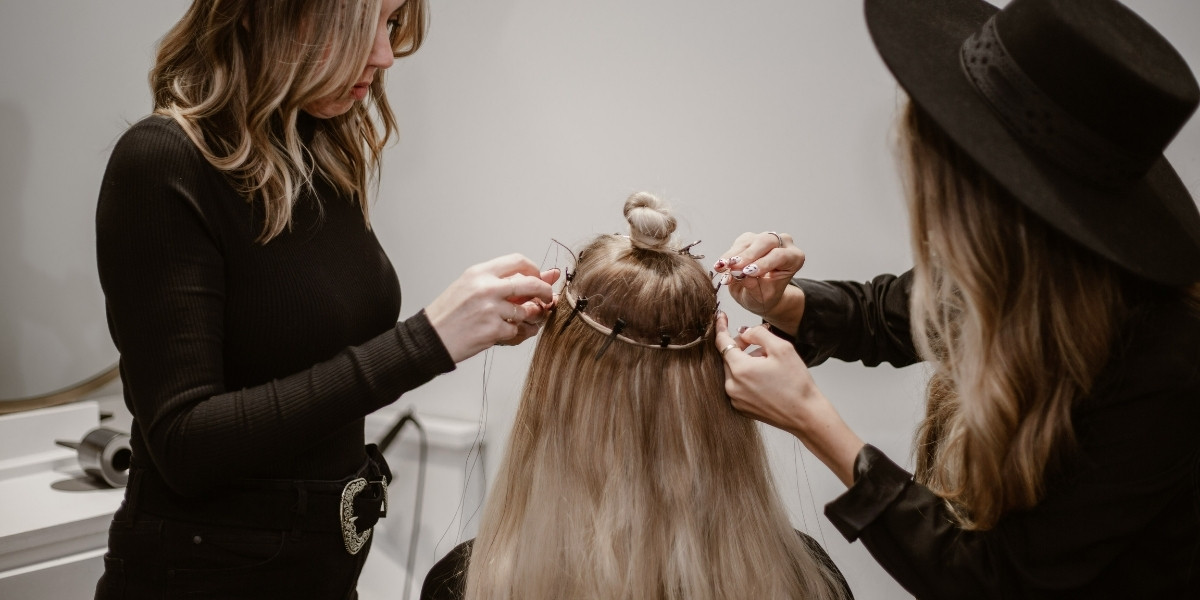
Popular methods include tape-in extensions, clip-ins for temporary use, micro-link bonding, and fusion techniques that adhere strands with keratin glue. Each has unique benefits regarding durability and application time. Innovations emphasize damage reduction. New adhesive formulas and lighter extension fibers decrease strain on natural hair. Professional blending techniques ensure a natural appearance.

Ethical sourcing of extension hair and sustainable practices are gaining attention, reflecting consumer demand for responsible beauty. Extensions also serve therapeutic purposes, helping individuals facing hair thinning or loss rebuild confidence.

Nail extensions and enhancements combine artistry with durability, providing an important outlet for self-expression. Acrylic nails paved the way by offering strong, customizable enhancements. Today, gel polish and dip powder systems have gained popularity due to their longevity and less damaging application. Trends emphasize intricate nail art—from minimalist designs to elaborate 3D creations—reflecting fashion and cultural influences. Health-conscious clients seek formulations free of harsh chemicals like formaldehyde and toluene. Salons now offer tailored services accommodating natural nail conditions, allergies, and personal style. The nail industry continues to innovate with colors, textures, and application techniques that elevate client experience.

The Role of Safety, Quality, and Professionalism in Industry Growth

As the cosmetic extension market expands, consumer safety and service quality have become paramount. Industry associations promote standardized training, certification, and hygiene protocols. This professionalism protects clients from infections, allergic reactions, and poor results.

Material improvements, such as hypoallergenic adhesives and high-quality synthetic fibers, reduce risks and improve comfort. Proper aftercare guidance ensures longevity and preserves natural features. Consumers increasingly research providers, emphasizing transparency, experience, and reviews. Salons that prioritize client education and ethical practices build trust and loyalty. This focus on safety and quality underpins sustainable growth, distinguishing reputable businesses in a competitive landscape.

Read Also: Nailing Style: Dive into Nail Art and Manicure Ideas – Unveiling Trendy Designs, DIY Tips, and At-Home Nail Care Wisdom

Cosmetic extensions influence cultural beauty standards by broadening definitions of enhancement and self-expression. They empower individuals to craft looks aligned with personal identity rather than conforming solely to traditional norms. Social media has amplified this impact, creating communities around extension styles and techniques that celebrate diversity and creativity. Extensions offer accessible ways to experiment, boosting confidence and individuality. However, the industry also faces criticism regarding environmental impact from synthetic materials and product waste. Increasingly, brands and professionals explore sustainable options and recycling programs.

Looking ahead, advancements in bioengineered materials, augmented reality try-ons, and personalized extension customization will shape the next generation of cosmetic enhancements. The balance between innovation, safety, ethical responsibility, and cultural sensitivity will define the sector’s continued evolution.

How Niacinamide Supports Healthy and Glowing Skin

What Is Niacinamide and Why Is It Popular in Skincare?

Niacinamide, also known as vitamin B3 or nicotinamide, has become a staple ingredient in skincare routines worldwide. It is a water-soluble vitamin essential for cellular health and metabolism. Skincare experts praise niacinamide for its versatility and suitability for nearly all skin types, making it a popular choice in serums, moisturizers, and treatments.

Unlike some trendy ingredients that promise quick fixes, niacinamide’s benefits are backed by science. It plays a crucial role in enhancing the skin’s barrier function and regulating oil production. Its gentle nature means it rarely causes irritation, unlike stronger acids or retinoids, so even sensitive skin types often tolerate it well.

As more consumers seek effective, multi-functional products, niacinamide’s reputation has grown beyond dermatologists’ offices into mainstream beauty culture. However, with popularity comes misinformation. Understanding the science behind niacinamide helps separate fact from common skincare myths.

Read Also: The Rise of Discoloration Serums: How to Achieve Even Skin Tone

How Does Niacinamide Benefit the Skin?

Niacinamide offers a broad spectrum of benefits due to its interaction with cellular processes. Research indicates it improves the skin barrier by stimulating the production of ceramides, which are lipids that keep moisture locked in and external irritants out. This leads to better hydration and resilience.

Additionally, niacinamide has anti-inflammatory properties, making it useful for calming redness and irritation, especially in conditions like acne, rosacea, and eczema. Studies show it can reduce sebum production, which helps manage oily skin and prevent clogged pores.

Another significant advantage is its role in evening out skin tone. Niacinamide inhibits the transfer of melanin within the skin, which may reduce hyperpigmentation and dark spots caused by sun damage or inflammation. While it is not a bleaching agent, consistent use can improve overall skin brightness and clarity.

Niacinamide is also known to support collagen synthesis. Collagen, the protein responsible for skin’s firmness and elasticity, naturally declines with age. By promoting collagen production, niacinamide helps reduce the appearance of fine lines and wrinkles over time.

What Does Scientific Research Say About Niacinamide’s Effectiveness?

Clinical studies have repeatedly validated niacinamide’s benefits. In a controlled trial, participants using topical niacinamide experienced significant improvements in skin hydration and elasticity within four weeks. Another study reported a reduction in acne lesions and skin redness after eight weeks of daily niacinamide application.

Research also highlights niacinamide’s safety profile. It is considered non-sensitizing and compatible with other common skincare actives like hyaluronic acid, peptides, and antioxidants. Unlike some ingredients, it does not increase photosensitivity, meaning it can be used safely during the day with sunscreen.

Experts suggest concentrations between 2% and 5% niacinamide offer effective results with minimal risk of irritation. Products with higher concentrations exist but may not provide significantly greater benefits and could increase the chance of mild side effects such as redness or itching.

What Are Common Misconceptions About Niacinamide?

Despite its scientific backing, niacinamide is often misunderstood. One common myth is that it cannot be used with vitamin C. Some believe these ingredients neutralize each other, reducing effectiveness. However, recent studies demonstrate that using niacinamide and vitamin C together is safe and can even offer complementary benefits, combining antioxidant protection with skin barrier support.

Another misconception is that niacinamide bleaches or lightens skin drastically. In reality, niacinamide works by gently regulating pigment distribution rather than bleaching. It improves skin tone gradually and naturally without the harsh effects of some lightening agents.

Some users also expect immediate results from niacinamide, but skincare benefits typically emerge over weeks or months of consistent use. Patience is key, as with many skincare ingredients.

How Should Niacinamide Be Incorporated Into a Skincare Routine?

Niacinamide’s versatility allows it to fit into various steps of a skincare routine. It is commonly found in serums due to its potency and lightweight texture but also appears in moisturizers and toners.

For best results, cleanse the skin thoroughly before applying niacinamide. It can be used both morning and night and generally pairs well with most other ingredients. Applying it before heavier creams or oils maximizes absorption.

When combining niacinamide with vitamin C, layering or mixing in the same routine is acceptable, although some prefer to use vitamin C in the morning and niacinamide at night to optimize stability.

Sunscreen remains essential when using niacinamide, especially since it supports skin barrier function and overall skin health. No ingredient should replace daily sun protection.

Are There Any Risks or Side Effects Associated With Niacinamide?

Niacinamide is well-tolerated by most skin types, but like any active ingredient, it can cause mild irritation in some individuals. Signs of irritation may include redness, itching, or a slight burning sensation, particularly when starting a new product or using high concentrations.

To minimize risk, patch testing is advisable before fully incorporating niacinamide into a routine. Starting with lower concentrations and gradually increasing use frequency can help the skin build tolerance.

Those with very sensitive or compromised skin should consult a dermatologist before adding new actives to their regimen. However, niacinamide’s gentle profile often makes it a recommended ingredient for sensitive or reactive skin.

What Trends Are Emerging Around Niacinamide in Skincare?

The skincare industry continues to innovate with niacinamide formulations, combining it with other beneficial ingredients like peptides, ceramides, and hyaluronic acid for enhanced effects. There is also a rising trend in “clean beauty” products featuring niacinamide as a natural, science-backed ingredient free from harsh chemicals.

Brands are developing niacinamide-infused products targeting specific concerns such as anti-aging, acne, and hyperpigmentation. Customizable skincare routines incorporating niacinamide are becoming popular, reflecting consumers’ desire for tailored solutions.

Read Also: How to Prevent Rosacea by Managing Your Triggers

Why Is Understanding Niacinamide Important for Skincare Consumers?

In a market flooded with beauty products and bold claims, understanding the science behind niacinamide empowers consumers to make informed choices. Recognizing its benefits and limitations helps set realistic expectations and promotes long-term skin health.

Experts recommend focusing on consistency and choosing products with appropriate niacinamide concentrations rather than chasing quick fixes. Skincare is a gradual journey, and niacinamide serves as a reliable ally in maintaining balanced, healthy skin.

How to Prevent Rosacea by Managing Your Triggers

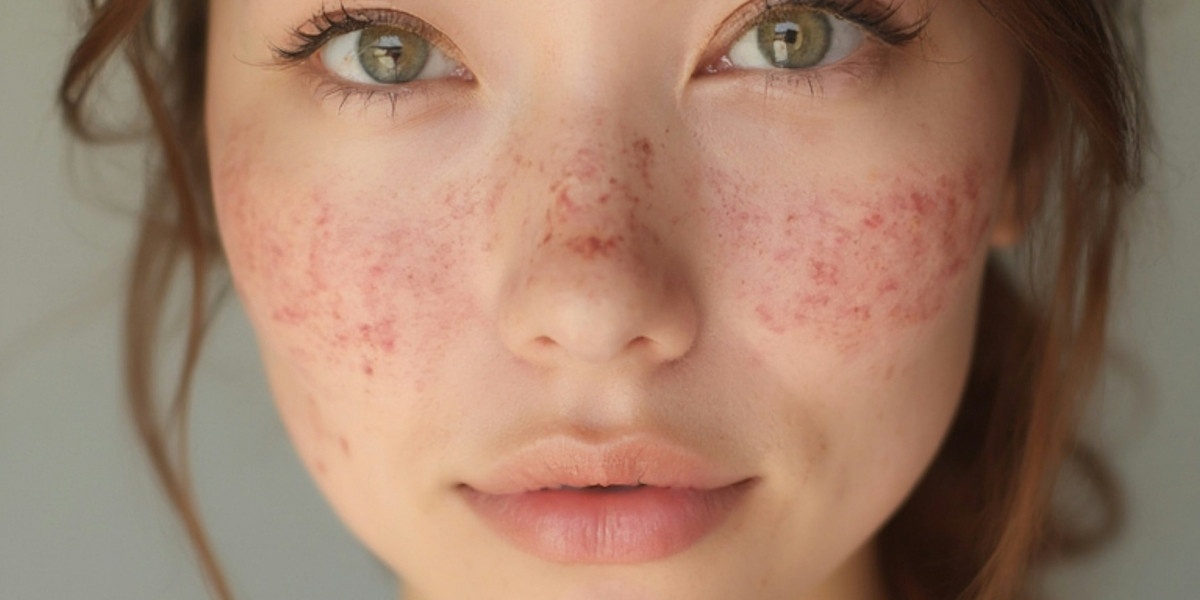
The journey of rosacea prevention involves understanding and managing the triggers that can worsen this common skin condition. Rosacea is a chronic disorder characterized by facial redness, visible blood vessels, and sometimes acne-like bumps. While its exact cause remains unclear, many people experience flare-ups linked to specific environmental, lifestyle, or dietary factors. Learning to identify and control these triggers is key to maintaining clear, comfortable skin and improving quality of life.

Read Also: No Makeup Makeup Look Tips for a Naturally Polished Face

What Are Common Triggers That Worsen Rosacea?

Recognizing what sparks rosacea flare-ups is the first step in effective prevention. Several triggers are well-documented, though they can vary from person to person. Among the most common are:

  • Sun exposure: Ultraviolet (UV) rays often cause redness and irritation.

  • Heat and temperature changes: Hot weather, cold winds, and sudden temperature shifts can provoke symptoms.

  • Spicy foods and alcohol: Both can dilate blood vessels, intensifying redness.

  • Stress and emotional factors: Anxiety and stress hormones may trigger flushing.

  • Certain skincare products: Ingredients like alcohol, fragrance, and exfoliants can irritate sensitive skin.

  • Exercise and physical exertion: Increased blood flow from workouts may worsen symptoms.

Identifying individual triggers requires careful observation and sometimes professional guidance.

How Does Sun Exposure Affect Rosacea and How Can It Be Prevented?

Sun exposure is one of the most significant triggers for rosacea flare-ups. UV rays damage the skin barrier, promote inflammation, and cause dilation of superficial blood vessels, leading to redness and discomfort.

To prevent this, regular and diligent sun protection is essential. Using broad-spectrum sunscreens with at least SPF 30 every day, even when indoors, helps minimize UV damage. Wearing wide-brimmed hats and seeking shade during peak sun hours further reduces exposure.

It’s also important to choose sunscreens formulated for sensitive skin—those free of fragrances, oils, and irritants. Some people find mineral-based sunscreens containing zinc oxide or titanium dioxide gentler and more effective for rosacea-prone skin.

Can Temperature Control Help in Managing Rosacea Triggers?

Both extreme heat and cold can aggravate rosacea. Hot baths, saunas, or spicy foods that raise body temperature may cause facial flushing. Similarly, cold winds and dry air strip moisture from the skin, weakening its barrier and increasing irritation.

Preventive strategies include avoiding prolonged exposure to heat and cold, using moisturizers to maintain skin hydration, and protecting the face with scarves or masks in chilly weather.

Adjusting indoor environments with humidifiers or air conditioning can also help maintain stable temperatures and humidity levels, reducing flare risks.

What Role Does Diet Play in Rosacea Prevention?

Dietary habits influence rosacea symptoms significantly. Foods that cause blood vessel dilation, such as spicy dishes, hot beverages, and alcohol, are often culprits. While individual sensitivities vary, many find relief by limiting or avoiding these items.

A balanced diet rich in anti-inflammatory foods—such as leafy greens, berries, and fatty fish—may support skin health. Some studies suggest that probiotics and omega-3 fatty acids improve inflammation control, although more research is needed.

Keeping a food diary can assist in tracking what causes flare-ups, enabling more personalized dietary adjustments.

How Does Stress Impact Rosacea, and What Can Be Done?

Stress is a common but sometimes overlooked trigger. Emotional stress triggers the release of cortisol and other hormones that can dilate blood vessels and provoke inflammation. For many people with rosacea, stressful events lead to visible flare-ups.

Stress management techniques like mindfulness meditation, yoga, deep breathing exercises, and regular physical activity can reduce the frequency and severity of these episodes. Building healthy sleep routines also supports stress resilience and skin recovery.

Seeking support from therapists or counselors may benefit those struggling with chronic stress.

Why Is Skincare Important in Rosacea Prevention?

Choosing the right skincare products is vital for those prone to rosacea. Irritating ingredients—like alcohol, menthol, fragrances, and harsh exfoliants—can weaken the skin barrier and promote inflammation.

Gentle, fragrance-free cleansers and moisturizers designed for sensitive skin are recommended. Products containing soothing ingredients like niacinamide, ceramides, and aloe vera may help strengthen the skin’s defenses.

Sun protection products tailored for rosacea-prone skin are equally important. Avoiding frequent washing or scrubbing of the face prevents irritation.

Consulting a dermatologist for personalized skincare advice ensures a routine that supports skin health without triggering symptoms.

How Does Physical Activity Affect Rosacea Symptoms and What Precautions Help?

Exercise increases blood flow and body temperature, both of which can lead to facial flushing in people with rosacea. However, staying physically active is important for overall health, so it’s about finding balance.

Preventive measures include exercising in cool environments, using fans, and wearing moisture-wicking clothing. Cooling the face with water or cold towels post-workout can reduce redness.

Low-impact activities like walking, swimming, or yoga may be better tolerated than high-intensity workouts for some individuals.

What Is the Importance of Medical Treatment in Rosacea Prevention?

While managing triggers is crucial, many people with rosacea also benefit from medical treatment to control inflammation and redness. Prescription topical agents, oral antibiotics, or laser therapies may be recommended by dermatologists depending on severity.

These treatments do not cure rosacea but can minimize symptoms and improve skin appearance, making prevention strategies more effective. Regular follow-up with healthcare providers helps tailor management plans.

Why Is Tracking Triggers Essential for Effective Rosacea Prevention?

Because rosacea triggers can vary widely, keeping a detailed record of flare-ups alongside lifestyle, diet, and environmental factors helps identify individual patterns. Journaling symptoms and exposures allows for more targeted avoidance strategies.

Digital apps now assist in tracking skin health, dietary intake, weather conditions, and emotional stress, offering personalized insights. Combining this data with professional advice improves prevention and control.

How Can Lifestyle Changes Support Long-Term Rosacea Prevention?

Beyond avoiding triggers, adopting a healthy lifestyle supports overall skin resilience. Staying hydrated, eating nutrient-rich foods, avoiding smoking, and maintaining a consistent skincare routine all contribute to healthier skin less prone to flare-ups.

Balancing work and relaxation, engaging in regular physical activity, and nurturing social connections help reduce stress, indirectly benefiting skin health.

Read Also: Why Sleep Deprivation Is a Silent Health Risk

What Role Does Patient Education Play in Managing Rosacea?

Educating those affected by rosacea about their condition empowers them to make informed choices. Awareness of triggers, prevention tactics, and available treatments encourages proactive management.

Support groups, dermatology consultations, and reputable online resources provide valuable information and community, reducing feelings of isolation.

How Red and Blue Light Therapy Can Transform Your Skin

Illuminating Your Skin: A Comprehensive Guide to Red and Blue Light Therapy

Red and blue light therapy have emerged as popular non-invasive treatments for a variety of skin concerns, offering a natural and gentle way to rejuvenate and heal the skin. These therapies use specific wavelengths of light to stimulate skin cells, reduce inflammation, and combat bacteria, resulting in clearer, healthier-looking skin. Whether you are struggling with acne, signs of aging, or skin irritation, understanding how red and blue light therapy works can help you decide if this innovative approach fits your skincare routine. This comprehensive guide explores the benefits, mechanisms, and best practices of red and blue light therapy for skin health.

Read Also: Proven Strategies for Personal and Professional Growth

What Is Red and Blue Light Therapy?

Red and blue light therapy are forms of phototherapy that use different wavelengths of light to penetrate the skin and promote cellular activity. Red light therapy typically uses wavelengths between 620 to 750 nanometers, which can penetrate deeper layers of the skin. Blue light therapy uses shorter wavelengths, around 405 to 420 nanometers, targeting the surface of the skin.

Both therapies are painless and non-invasive, often delivered through LED devices in clinics or at home. The distinct wavelengths mean they affect the skin differently, making them suitable for specific skin concerns.

How Does Red Light Therapy Work?

Red light therapy stimulates mitochondria in skin cells, which are responsible for producing energy. This increase in cellular energy promotes skin repair, collagen production, and improved circulation. As a result, red light therapy can reduce wrinkles, fine lines, and skin sagging by encouraging the skin to regenerate and maintain its elasticity.

Benefits of Red Light Therapy

  • Boosts collagen and elastin production, essential for youthful skin texture.

  • Reduces inflammation, making it useful for sensitive or irritated skin.

  • Accelerates wound healing and improves skin tone.

  • Can help reduce the appearance of scars and sun damage.

Red light therapy is often recommended for individuals seeking anti-aging benefits or those with skin conditions that involve inflammation.

How Does Blue Light Therapy Work?

Blue light therapy targets the outer layers of the skin, specifically aiming at the bacteria known as Propionibacterium acnes that contribute to acne. The light causes a photochemical reaction that kills these bacteria, reducing breakouts and preventing future acne formation.

Benefits of Blue Light Therapy

  • Effectively kills acne-causing bacteria.

  • Reduces oil production in the skin.

  • Helps decrease inflammation and redness associated with acne.

  • Non-invasive alternative or complement to traditional acne treatments.

Blue light therapy is ideal for individuals dealing with mild to moderate acne and seeking a gentle, medication-free option.

Combining Red and Blue Light Therapy: A Holistic Approach

Many skincare professionals recommend combining red and blue light therapies for a comprehensive treatment. This dual approach simultaneously combats acne-causing bacteria while promoting skin healing and reducing inflammation, making it effective for acne-prone skin with signs of aging or irritation.

The combined therapy is often used in clinical settings but is increasingly available through at-home devices, allowing users to tailor treatments to their specific needs.

What to Expect During Treatment

Red and blue light therapies are painless and generally require no downtime. Sessions can last anywhere from 10 to 30 minutes, depending on the device and treatment plan.

During treatment, you may feel a slight warmth or tingling sensation, but it is typically comfortable. Consistency is key—multiple sessions are usually needed to see significant results, often spaced over several weeks.

Safety and Considerations

Both red and blue light therapies are considered safe for most skin types when used appropriately. However, some precautions should be noted:

  • Avoid excessive exposure to prevent skin irritation.

  • Protect your eyes during treatment by wearing goggles.

  • Consult a dermatologist if you have photosensitive conditions or are using photosensitizing medications.

It’s important to follow manufacturer guidelines or professional advice to ensure safe and effective use.

Incorporating Light Therapy Into Your Skincare Routine

Light therapy can complement existing skincare regimens. For acne-prone skin, blue light can be used alongside topical treatments, while red light is beneficial for those seeking anti-aging effects or enhanced skin repair. Using light therapy consistently, paired with gentle cleansing and moisturizing, maximizes benefits.

Read Also: Understanding the Struggles of Working Single Mothers in America

Illuminating the Path to Healthy Skin

Red and blue light therapy offer promising solutions for various skin concerns, combining science and technology in a non-invasive format. Whether aiming to reduce acne, calm inflammation, or restore youthful radiance, understanding these therapies empowers individuals to make informed skincare choices.

By embracing the healing power of light, you can illuminate your skin’s natural beauty and health with treatments that are safe, effective, and tailored to your unique needs.

The Role of Diet in Reducing Cellulite

What Makes Certain Foods Effective Against Cellulite?

Foods that fight cellulite work from the inside out. They provide nutrients that support skin structure, regulate fat storage, and reduce inflammation. These effects are subtle but meaningful over time. Unlike creams or treatments that focus on the surface, dietary choices influence the underlying systems that affect skin texture.

Cellulite forms when fat pushes against connective tissue, creating a dimpled appearance. Hormones, circulation, hydration, and skin thickness all play a role. That’s why a targeted diet can support clearer, smoother skin.

Read Also: How to Stay Active: Tips for Fitness and Wellness

Which Nutrients Help Combat Cellulite?

The body uses specific nutrients to maintain skin elasticity, collagen levels, and healthy circulation. These processes are essential in reducing visible cellulite.

Vitamin C strengthens skin by promoting collagen production. It also acts as an antioxidant, defending against damage that weakens connective tissues. Citrus fruits, kiwis, and bell peppers are excellent sources.

Omega-3 fatty acids reduce inflammation and improve blood flow. Found in fatty fish and some seeds, these fats keep skin supple and hydrated.

Polyphenols and antioxidants from berries, green tea, and vegetables fight free radicals. These compounds help protect collagen and elastin, two proteins responsible for skin strength.

Amino acids in lean protein help rebuild tissue and produce keratin, which keeps skin resilient. These proteins also support muscle tone, which can improve the appearance of cellulite.

Hydrating foods like cucumbers, watermelon, and leafy greens support detoxification. Proper hydration plumps skin and aids in flushing out excess fluids that can worsen the dimpled look.

How Do Dietary Habits Influence Cellulite?

Eating foods that fight cellulite consistently gives your body the tools it needs to maintain healthy skin. Poor dietary habits, on the other hand, can slow circulation, increase inflammation, and weaken collagen structure.

Refined sugars and processed foods can damage skin by promoting glycation—a process where sugar molecules stick to collagen and weaken it. Excess salt may cause water retention, making cellulite appear more prominent. Saturated fats from processed snacks can also contribute to inflammation.

A diet rich in fresh vegetables, fruits, lean proteins, and healthy fats helps regulate blood sugar, supports tissue repair, and improves skin tone.

Can Food Alone Reduce Cellulite?

Diet plays a major role, but food alone doesn’t eliminate cellulite. It’s part of a larger picture that includes hydration, exercise, and overall wellness.

Staying active increases circulation and tones muscles. That alone can reduce the appearance of cellulite. When combined with a diet full of foods that fight cellulite, the results can be more noticeable and sustainable.

Hydration is essential. Drinking enough water helps the body process nutrients efficiently and remove waste. This keeps tissues healthy and reduces puffiness under the skin.

Rest and stress management also matter. Lack of sleep and high cortisol levels can interfere with collagen production and skin repair.

Which Everyday Foods Support Cellulite Reduction?

Focusing on whole foods makes it easier to nourish skin from within. The following items can be part of an effective daily routine:

Berries support collagen with antioxidants and vitamin C. Their bright color signals the presence of skin-protecting compounds.

Fatty fish like salmon and sardines provide essential fats that reduce dryness and improve elasticity. These omega-3s also help reduce inflammation.

Leafy greens such as spinach and kale offer hydration, antioxidants, and minerals that support blood flow and detoxification.

Nuts and seeds like almonds, walnuts, and flaxseeds contribute zinc, vitamin E, and healthy fats. These nutrients protect skin cells and reduce damage from oxidative stress.

Avocados are rich in healthy fat and contain compounds that help repair skin tissue and reduce inflammation.

Green tea contains catechins that improve circulation and break down fat cells. A daily cup may support skin firmness when paired with a balanced diet.

Why Is a Long-Term Approach More Effective?

Visible results from foods that fight cellulite take time. Skin regenerates gradually. Collagen rebuilds slowly. But small changes compound. Over weeks and months, consistent nutrition leads to firmer, more elastic skin.

This approach avoids harsh chemicals or temporary fixes. It prioritizes cellular health and supports the body’s natural ability to repair itself.

Food affects every layer of wellness. It supports hormone balance, detoxification, and inflammation control. All of these systems influence the appearance of cellulite.

When lifestyle, hydration, and nutrition work together, they create an environment where healthy skin thrives.

Read Also: Why Dark Chocolate is a Delicious Superfood

How Can Someone Start a Cellulite-Friendly Diet Today?

The simplest step is to add more color to your plate. Choose vegetables and fruits with deep hues. Eat whole grains instead of refined starches. Swap processed snacks for nuts or yogurt.

Focus on consistency. One meal won’t change skin texture, but daily habits will. Over time, the nutrients from foods that fight cellulite become part of how your body repairs and maintains tissue.

Cooking meals at home allows for better ingredient control. Using herbs, spices, and lemon juice instead of salt or heavy sauces can reduce water retention and support skin health.

It’s not about restriction—it’s about intention. Choosing foods that support your skin is an investment in beauty and wellness.