Active Weekly

Keep Moving Forward

Keep Moving Forward

Keep Moving Forward

Clear Skin Diet: Foods to Avoid & Embrace

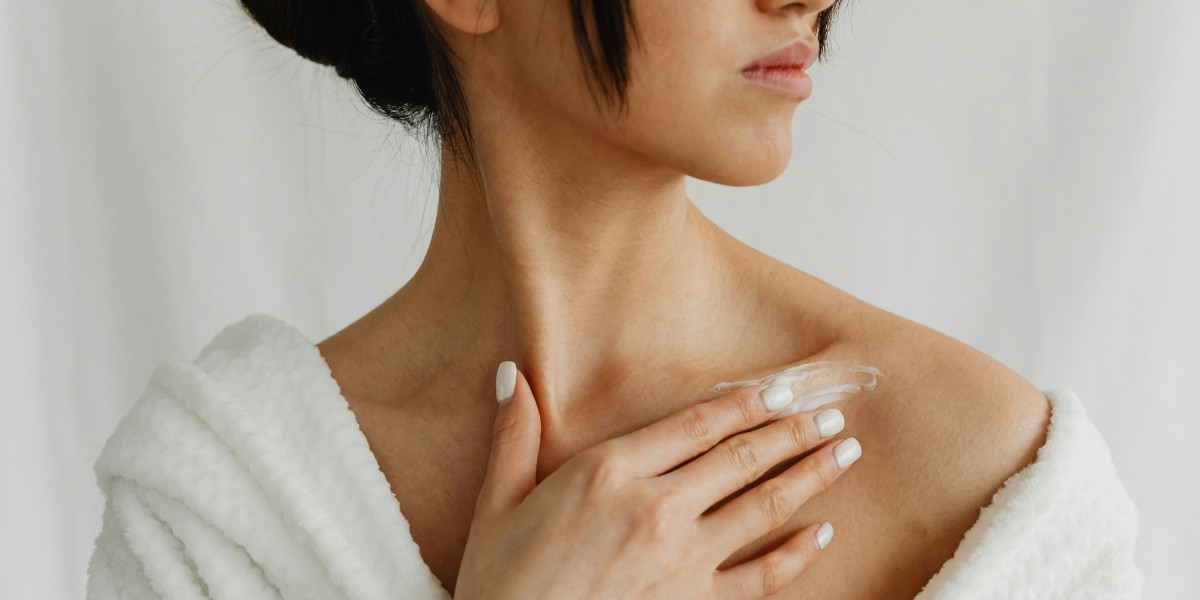
Achieving and maintaining clear skin goes beyond just external skincare routines. A well-balanced diet plays a significant role in how your skin looks and feels. Many people struggle with skin issues such as acne, dryness, or dullness, and while skincare products can help, the food you consume can also make a huge difference. The key lies in knowing which foods to embrace and which to avoid to support healthy, glowing skin.

Read Also: Why Dark Chocolate is a Delicious Superfood

Which Foods Contribute to Clear Skin?

Certain foods are packed with nutrients that can help support clear, healthy skin. By incorporating these foods into your diet, you can promote hydration, reduce inflammation, and improve skin elasticity. These nutrient-rich foods can also help balance oil production and reduce the likelihood of breakouts.

1. Fatty Fish: Fatty fish, such as salmon, mackerel, and sardines, are rich in omega-3 fatty acids. These healthy fats help keep the skin moisturized, reduce inflammation, and protect against sun damage. Omega-3s also play a crucial role in keeping your skin’s cell membranes healthy, which helps maintain the skin’s barrier function.

2. Avocados: Avocados are packed with healthy fats and vitamins E and C, which help keep the skin nourished and hydrated. Vitamin E is a powerful antioxidant that protects the skin from oxidative stress, while vitamin C promotes collagen production, which is essential for maintaining skin elasticity.

3. Berries: Berries like blueberries, strawberries, and raspberries are rich in antioxidants, particularly vitamin C, which supports collagen production and helps fight skin aging. Antioxidants in berries also protect the skin from harmful free radicals, reducing oxidative stress that can contribute to acne and other skin problems.

4. Leafy Greens: Vegetables like spinach, kale, and Swiss chard are packed with vitamins A and C, which are essential for skin repair and regeneration. These vitamins also help maintain skin hydration and protect against premature aging.

5. Nuts and Seeds: Walnuts, almonds, chia seeds, and flaxseeds are great sources of omega-3s, zinc, and vitamin E. Zinc, in particular, is essential for reducing inflammation and promoting skin healing. Omega-3s help maintain skin moisture, preventing dryness and irritation.

What Are the Foods You Should Avoid for Clear Skin?

While certain foods can nourish your skin, others can trigger breakouts, inflammation, or contribute to skin problems. The following foods should be limited or avoided if you’re striving for clear, healthy skin.

1. Sugary Foods and Beverages: High sugar intake, especially from processed snacks, sugary drinks, and sweets, can increase insulin levels in the body. This triggers the production of sebum, the skin’s natural oil. Excessive sebum production can clog pores and lead to acne. Additionally, sugar contributes to glycation, a process that damages collagen and elastin, essential proteins for skin structure.

2. Dairy Products: Dairy has been linked to an increase in acne, particularly in individuals who are sensitive to it. The hormones present in milk and other dairy products may stimulate oil production and contribute to clogged pores, resulting in breakouts. If you’re struggling with acne, consider reducing dairy intake and observe if your skin improves.

3. Processed and Fried Foods: Processed and fried foods, such as fast food and packaged snacks, are often high in unhealthy fats and refined carbohydrates. These foods can cause inflammation in the body, leading to skin issues like acne, puffiness, and redness. Additionally, these foods lack the essential nutrients needed for healthy, glowing skin.

4. Refined Carbohydrates: Refined carbs like white bread, pasta, and pastries can cause spikes in blood sugar, leading to increased insulin production. This insulin surge can, in turn, trigger inflammation and the overproduction of sebum, contributing to acne. Opt for whole grains instead, as they provide steady energy and contain skin-supporting nutrients like vitamin B.

5. Alcohol: Alcohol can dehydrate the body, leading to dry and dull skin. It also increases inflammation and may worsen conditions like rosacea or acne. If you enjoy drinking, try to limit your alcohol intake and drink plenty of water to counteract its dehydrating effects on the skin.

How to Maintain a Clear Skin Diet?

Maintaining a clear skin diet requires making mindful food choices that prioritize skin health. Incorporate a variety of nutrient-dense foods into your daily meals and stay hydrated by drinking plenty of water throughout the day. Avoiding processed foods and reducing your intake of sugar and dairy can help reduce inflammation and breakouts. A balanced diet with plenty of fruits, vegetables, lean proteins, and healthy fats will provide the essential nutrients your skin needs to stay clear and vibrant.

Consistency is key when it comes to diet and skincare. While dietary changes may take time to show results, the long-term benefits for your skin will be worth the effort. By focusing on anti-inflammatory foods, antioxidants, and healthy fats, you can nourish your skin from the inside out, promoting a healthier, clearer complexion.

Read Also: Understanding the Frequency of Chiropractic Treatment

Is the Clear Skin Diet the Answer?

A clear skin diet that focuses on nourishing, anti-inflammatory foods can be incredibly beneficial for maintaining healthy, glowing skin. Foods like fatty fish, avocados, berries, leafy greens, and nuts provide essential nutrients and antioxidants that support skin health, reduce inflammation, and promote hydration. On the other hand, limiting sugar, dairy, processed foods, and refined carbs can prevent breakouts and help improve skin tone and texture.

While diet alone may not be the sole solution for clear skin, it plays a significant role in achieving and maintaining a healthy complexion. By making mindful food choices and embracing a skin-friendly diet, you can give your skin the nutrition it needs to thrive.

Why Dark Chocolate is a Delicious Superfood

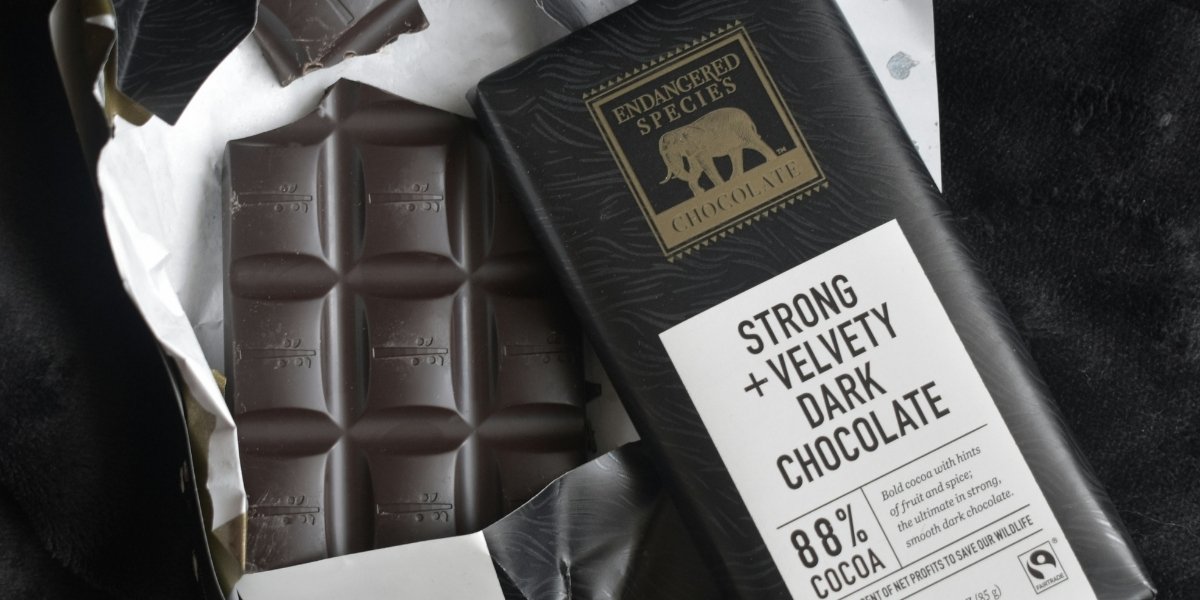
Dark chocolate, often enjoyed as a sweet treat, is also widely recognized for its health benefits. While many people indulge in it for its rich taste and smooth texture, dark chocolate is also an excellent source of antioxidants. These powerful compounds play a significant role in promoting health by neutralizing harmful free radicals in the body. With its impressive nutrient profile, dark chocolate has become a popular choice for those looking for a flavorful way to boost their health.

Read Also: How Sculptural Aesthetics Influence Beauty and Power

How Does Dark Chocolate Act as an Antioxidant?

Dark chocolate is packed with flavonoids, which are a type of antioxidant known for their ability to protect cells from oxidative stress. Oxidative stress occurs when there is an imbalance between free radicals and antioxidants in the body, leading to potential cell damage and inflammation. The flavonoids found in dark chocolate, particularly in high-quality varieties, help neutralize these free radicals, reducing the risk of chronic diseases.

The primary antioxidant compounds in dark chocolate are flavonoids called flavanols, specifically epicatechin and catechin. These flavanols have been shown to have positive effects on heart health, brain function, and even skin health. The concentration of these antioxidants is higher in dark chocolate than in milk chocolate, making dark chocolate the healthier choice for those seeking antioxidant benefits.

What Are the Health Benefits of Dark Chocolate?

The antioxidants in dark chocolate provide a variety of health benefits, from improving heart health to enhancing cognitive function. Studies suggest that moderate consumption of dark chocolate can help lower blood pressure, improve blood flow to the brain, and protect against heart disease. Additionally, dark chocolate has been linked to a reduction in the risk of stroke due to its positive effects on circulation and vascular health.

Dark chocolate is also known to improve cognitive function by increasing blood flow to the brain. Research has shown that the flavonoids in dark chocolate can enhance memory, learning, and overall brain performance. Some studies even suggest that dark chocolate can help improve mood and reduce stress due to the release of endorphins, the body’s natural “feel-good” chemicals.

How Does Dark Chocolate Improve Heart Health?

One of the most well-known benefits of dark chocolate is its positive impact on heart health. The flavonoids in dark chocolate help improve blood vessel function by promoting the production of nitric oxide, a molecule that helps relax and dilate blood vessels. This process can lead to better circulation and lower blood pressure.

Additionally, dark chocolate has been shown to have anti-inflammatory properties, which can reduce the risk of cardiovascular diseases. Studies have found that consuming small amounts of dark chocolate regularly can lower levels of bad cholesterol (LDL) while increasing good cholesterol (HDL), contributing to better overall heart health.

What Should You Consider When Choosing Dark Chocolate?

While dark chocolate offers numerous health benefits, not all dark chocolate is created equal. The key to reaping the full antioxidant benefits is to choose dark chocolate that contains at least 70% cocoa. The higher the cocoa content, the more antioxidants and flavonoids the chocolate contains. Additionally, it’s important to check the ingredients list for added sugars, as excess sugar can offset the health benefits of dark chocolate.

When selecting dark chocolate, look for varieties with minimal processing and without added artificial ingredients or preservatives. Organic, fair-trade chocolate is often a good option, as it tends to contain higher-quality cocoa beans and is produced with ethical standards in mind.

How Much Dark Chocolate Should You Eat?

While dark chocolate has health benefits, moderation is key. Consuming too much dark chocolate can lead to excess calorie intake, especially if it contains added sugars. Experts recommend enjoying dark chocolate in small portions—about 1 to 2 ounces per day. This is enough to experience the benefits without overindulging.

It’s also important to remember that dark chocolate should be part of a balanced diet, rather than a substitute for healthy foods. Enjoying dark chocolate alongside a variety of nutrient-dense foods will help you maximize the health benefits while maintaining overall well-being.

Read Also: Hair Straightener Use: Get Sleek Styles Without Breakage

Can Dark Chocolate Be Part of a Healthy Lifestyle?

Incorporating dark chocolate into a healthy lifestyle can be a flavorful and enjoyable way to boost your intake of antioxidants. The key is to choose high-quality dark chocolate with minimal added sugars and to consume it in moderation. By doing so, you can indulge in a delicious treat while supporting your heart health, brain function, and overall well-being.

How Sculptural Aesthetics Influence Beauty and Power

The Enduring Allure of Sculpted Forms

The allure of sculpted forms has captivated humanity for centuries. From the monumental statues of ancient civilizations to modern representations in art, fashion, and even the human body, the “statuesque” quality embodies grace, stillness, and timeless beauty. This guide explores the elements that contribute to the statuesque aesthetic and delves into its cultural and historical significance, shedding light on why we are drawn to these forms and how they continue to influence contemporary ideas of beauty and power.

Read Also: Understanding ADHD: Beyond the Stereotypes and into Neurodiversity

What Makes a Form “Statuesque”?

The term “statuesque” refers to a quality that evokes the stillness, strength, and elegance of statues. It often describes individuals, objects, or even architectural designs that have a majestic or sculptural quality. But what exactly gives a form this statuesque appeal?

Key elements such as strong lines, balanced proportions, striking poses, and poised confidence come together to create a statuesque figure. These characteristics contribute to an aura of grace and power, suggesting both physical strength and emotional composure. A statuesque form is not simply about beauty; it exudes a sense of permanence and timelessness, much like the statues created throughout history.

The Influence of Sculptural Aesthetics in Fashion

Fashion has long drawn inspiration from the sculptural forms seen in classical art. Designers often incorporate the concept of the statuesque into their creations, using structured lines, well-balanced silhouettes, and dramatic poses to evoke the elegance and grace of ancient statues. Clothing can be crafted to enhance the natural form of the body, emphasizing strong, defined lines and proportions that mirror the structure of classical sculptures.

The use of tailored fabrics and architectural designs in fashion helps create looks that suggest strength and poise. A well-constructed garment can mold and shape the body, enhancing its natural statuesque qualities. For example, the draped gowns seen in ancient Greek and Roman sculptures are often referenced in modern haute couture collections, highlighting the ongoing influence of sculptural aesthetics on contemporary fashion.

Statuesque Beauty in Photography and Visual Art

Photography, like sculpture, has the power to capture stillness and evoke the timeless beauty of sculpted forms. Portrait photography, in particular, often employs poses that resemble those found in classical statues. The way a subject stands or sits, the lines created by their body, and the way light and shadow interact all play a role in achieving that statuesque quality. Photographers may ask their subjects to hold poses that emphasize strength and grace, using the human form to convey power, elegance, and poise.

In visual art, sculptural beauty is often idealized in representations of the human body. Whether through the work of renowned artists like Michelangelo or through modern interpretations, the human form is frequently portrayed in ways that emphasize symmetry, balance, and strength. These qualities are integral to the concept of statuesque beauty, as they suggest not only physical beauty but also a sense of timelessness and permanence.

The Human Form: A Living Sculpture

One of the most powerful ways the statuesque aesthetic manifests is in the human body itself. Throughout history, the human form has been celebrated as a living sculpture, with artists and sculptors seeking to capture its beauty in stone, bronze, and other materials. The idea that the body can evoke the same grace and power as a statue is central to the concept of statuesque beauty.

In contemporary contexts, individuals often strive to cultivate this statuesque quality through fitness, posture, and body awareness. Strong, balanced physiques that are the result of consistent effort in fitness and wellness can be seen as modern-day sculptures. Similarly, those who exhibit poised confidence and move with purpose can embody the timeless elegance associated with classical statues.

Statues as Symbols of Power and Beauty

Historically, statues have been used to represent power, divinity, and beauty. Statues of gods, rulers, and heroes were often created to convey ideals of strength, leadership, and grace. In ancient cultures, such as those of Greece and Rome, statues were not just artistic representations; they were symbols of social, political, and spiritual significance. These monumental works of art served to immortalize the powerful figures they depicted, offering a sense of permanence and reverence.

Today, the cultural and historical significance of statues continues to influence our understanding of beauty and power. The classical ideals of proportion and symmetry that are inherent in these statues remain central to our perception of what is considered aesthetically pleasing and authoritative. As a result, the statuesque quality remains an enduring symbol of both external beauty and inner strength.

The Cultural Legacy of Statuesque Beauty

The cultural legacy of statuesque beauty is deeply ingrained in our understanding of art and aesthetics. From the detailed statues of gods and emperors in ancient civilizations to the elegant forms depicted in Renaissance art, statues have long been symbols of human achievement and divine beauty. These representations of beauty, power, and grace continue to shape our ideas of what is “perfect” in the human form.

In modern times, the statuesque aesthetic is often associated with an idealized form of beauty—one that is unattainably perfect. However, there is also a growing recognition that statuesque beauty can be found in a diversity of bodies, postures, and expressions. Rather than adhering to a single standard of beauty, the concept of statuesque form has evolved to embrace a broader, more inclusive definition that celebrates different types of strength, grace, and confidence.

Read Also: Why Sleep Deprivation Is a Silent Health Risk

The Timeless Appeal of Sculpted Forms

The enduring appeal of sculpted forms lies in their ability to evoke timeless beauty, elegance, and power. Whether through the artistic interpretation of the human body in fashion and photography or the reverence for statues in historical and cultural contexts, the statuesque quality remains a powerful symbol of strength, grace, and permanence. As we continue to appreciate these forms in both artistic and everyday contexts, it becomes clear that the allure of sculpted beauty transcends time and continues to shape our perceptions of the ideal.

Why Sleep Deprivation Is a Silent Health Risk

The Far-Reaching Consequences of Insufficient Sleep

In today’s fast-paced world, sleep is often seen as a luxury rather than a necessity. With busy schedules, demanding work, and the distractions of modern life, many individuals sacrifice sleep in the name of productivity. However, insufficient sleep has far-reaching consequences, not just in the short term but also in the long term. This guide explores how sleep deprivation impacts various aspects of cognitive function, mood regulation, physical performance, and overall health.

Read Also: How Proper Handwashing Can Prevent Germs and Illness

How Does Sleep Deprivation Affect Cognitive Function?

Sleep plays a crucial role in cognitive processes like memory, attention, and decision-making. When you don’t get enough sleep, even for a single night, your brain’s ability to process information diminishes. Studies have shown that sleep deprivation can impair focus, reduce your capacity to solve problems, and make it harder to retain new information. This can lead to decreased productivity at work or school and increase the likelihood of making mistakes.

In fact, a lack of sleep can affect short-term memory, making it more difficult to recall facts or details. This is because sleep is essential for consolidating memories formed during the day. Without adequate rest, your brain struggles to organize and store the information you’ve learned.

Mood Regulation and Sleep: A Delicate Balance

Sleep is intrinsically tied to emotional health. Insufficient sleep can severely affect mood regulation, leading to heightened irritability, stress, and anxiety. When you’re sleep-deprived, your emotional responses become more intense, and your ability to handle frustration is significantly reduced. This can result in feeling overwhelmed by situations that you would normally find manageable.

Moreover, chronic sleep deprivation has been linked to mood disorders, including depression. Inadequate sleep can interfere with the brain’s ability to regulate neurotransmitters like serotonin and dopamine, which are crucial for maintaining a stable mood. Over time, this can contribute to mental health issues that may require professional intervention.

Physical Performance and Sleep

One of the most immediate effects of insufficient sleep is a decline in physical performance. Whether you are an athlete or someone who simply engages in regular exercise, poor sleep can reduce endurance, strength, and coordination. Studies have shown that even short-term sleep loss can lead to decreased reaction times, lower energy levels, and reduced motivation to engage in physical activity.

Athletes, in particular, are vulnerable to the negative effects of insufficient sleep. Sleep is essential for muscle recovery, and a lack of it can slow down the healing process after intense physical activity. Over time, this can hinder performance and increase the risk of injury.

Long-Term Health Implications of Sleep Deprivation

While the immediate effects of insufficient sleep are concerning, the long-term consequences are even more alarming. Chronic sleep deprivation has been linked to a variety of serious health conditions that can impact both physical and mental well-being.

Cardiovascular Health

One of the most significant long-term effects of inadequate sleep is an increased risk of cardiovascular disease. Studies suggest that people who consistently get less than the recommended amount of sleep are at a higher risk of developing conditions like high blood pressure, heart disease, and stroke. Sleep is vital for heart health as it helps regulate blood pressure and reduces inflammation. When sleep is disrupted, these processes are thrown off balance, leading to cardiovascular issues over time.

Metabolic Disorders and Obesity

Sleep deprivation has a direct impact on metabolism, influencing factors like insulin sensitivity and appetite regulation. Lack of sleep can cause an imbalance in hormones that control hunger, leading to increased cravings for unhealthy foods, particularly those high in sugar and fat. This can contribute to weight gain and an increased risk of metabolic disorders such as diabetes and obesity.

Moreover, insufficient sleep can reduce the body’s ability to process glucose effectively, making it more difficult to regulate blood sugar levels. Over time, this can increase the likelihood of developing type 2 diabetes.

Weakened Immune Function

Sleep is also essential for maintaining a strong immune system. During sleep, the body produces cytokines—proteins that help fight off infections and inflammation. When you don’t get enough rest, your immune function is compromised, making you more susceptible to illnesses like the flu, colds, and other infections.

Studies have shown that people who are chronically sleep-deprived have a weakened immune response, which means it takes longer for the body to fight off infections. This increases the likelihood of prolonged sickness and can significantly affect your quality of life.

Mental Health Challenges

Chronic sleep deprivation is closely tied to various mental health challenges, including anxiety, depression, and cognitive decline. The relationship between sleep and mental health is complex: lack of sleep can exacerbate existing mental health conditions, while mental health issues can also interfere with sleep quality.

In addition to mood disorders, sleep deprivation can impair cognitive function over time, leading to issues with memory, learning, and attention. In extreme cases, chronic sleep deprivation has even been linked to an increased risk of developing neurodegenerative diseases like Alzheimer’s disease.

Prioritizing Sleep for Optimal Health

Given the significant impact that sleep has on both short-term performance and long-term health, it’s clear that prioritizing sufficient and restorative sleep is essential for overall well-being. Experts recommend that adults get between seven and nine hours of sleep per night, though individual needs can vary.

Incorporating healthy sleep habits, such as maintaining a consistent sleep schedule, creating a comfortable sleep environment, and avoiding stimulants like caffeine before bedtime, can help improve sleep quality. Additionally, reducing screen time before bed and practicing relaxation techniques can promote deeper and more restful sleep.

Read Also: The Powerful Link Between Joy and Immune Health

The far-reaching consequences of insufficient sleep cannot be overstated. From impaired cognitive function and mood regulation to increased risks of cardiovascular disease, metabolic disorders, and weakened immune function, sleep deprivation takes a toll on nearly every aspect of health. To optimize both physical and mental well-being, it is crucial to prioritize adequate and restful sleep. By understanding the critical role sleep plays in our lives, we can make informed choices that lead to healthier, more fulfilling daily experiences.

How to Stay Active: Tips for Fitness and Wellness

How to Stay Beautifully Active Always: Embracing Fitness and Wellness as Part of Your Lifestyle

Staying beautifully active is not just about maintaining a fit body, it’s about embracing a holistic approach to wellness that nurtures both physical and mental well-being. Regular physical activity doesn’t just improve health—it also enhances your natural beauty, boosts confidence, and helps you maintain an overall sense of happiness and vitality. Whether you’re balancing a busy schedule, navigating life’s challenges, or simply looking to improve your fitness levels, staying active in a way that complements your lifestyle is key to long-lasting health and beauty.

In this guide, we’ll explore how to integrate fitness into your daily routine, choose activities that promote well-being, and maintain a beauty-enhancing active lifestyle that supports your physical, emotional, and mental health.

Read Also: Choosing the Best Honeymoon: Romance vs. Adventure

Make Fitness a Part of Your Daily Routine

The first step to staying beautifully active is making fitness a consistent habit. Finding ways to incorporate physical activity into your daily routine doesn’t require drastic changes; small adjustments can lead to big results. The goal is to make movement a natural part of your life, so it feels as effortless as brushing your teeth or getting dressed.

Start with Simple Movements

You don’t need to engage in long, intense workouts to be active. Simple activities such as walking, taking the stairs instead of the elevator, or stretching throughout the day can make a significant difference. Start with 10-15 minutes of light exercise in the morning or during breaks at work. Over time, these small efforts can add up and become an essential part of your daily routine.

Set Achievable Goals

To stay motivated, set achievable fitness goals. Whether it’s a certain number of steps each day, completing a specific number of workout sessions per week, or holding a plank for a minute longer, setting tangible goals helps you track progress and stay focused. Start small and gradually increase the challenge to avoid burnout and keep things enjoyable.

Choose Activities You Love

Finding physical activities that you enjoy is key to maintaining an active lifestyle. When you love what you do, it becomes a fun and rewarding part of your day, rather than a chore. Whether it’s dancing, hiking, yoga, cycling, or team sports, the possibilities are endless.

Mix Things Up

Variety is important for keeping things interesting. Mix up your fitness routine by incorporating different activities throughout the week. This not only prevents boredom but also ensures that you work different muscle groups, improving overall strength and endurance. Try a mix of cardio (such as running or swimming), strength training (with weights or bodyweight exercises), and flexibility (through activities like yoga or Pilates) to build a well-rounded fitness plan.

Listen to Your Body

Pay attention to what your body is telling you. If you’re feeling tired or sore, take it easy and opt for a gentler form of exercise. On the other hand, when you feel energized, push yourself to challenge your body and try something new. Self-awareness is essential for staying active in a way that feels good.

Nourish Your Body for Optimal Performance

Exercise and beauty go hand in hand, and fueling your body with the right nutrition can enhance both your fitness levels and your natural glow. Healthy eating supports active living by providing energy for workouts and encouraging faster recovery.

Focus on Whole Foods

Choose whole, nutrient-dense foods that support your active lifestyle. Prioritize fruits, vegetables, whole grains, lean proteins, and healthy fats. These foods provide the vitamins, minerals, and energy your body needs to function optimally and look its best. Stay hydrated by drinking plenty of water, as hydration plays a crucial role in maintaining healthy skin and preventing fatigue.

Pre- and Post-Workout Nutrition

Fuel your body before workouts with complex carbohydrates and a small amount of protein, such as a banana with almond butter or a smoothie with spinach and protein powder. After exercising, aim to refuel with a protein-rich meal to aid muscle recovery and replenish energy stores. Foods like grilled chicken, salmon, or chickpeas are great options for post-workout nutrition.

Prioritize Rest and Recovery

Incorporating rest into your routine is just as important as staying active. Recovery time allows your muscles to rebuild, and it helps prevent overtraining and burnout. When your body has sufficient time to repair and regenerate, you’re more likely to feel energized and ready for the next workout.

Get Quality Sleep

Sleep is essential for overall well-being and recovery. Aim for 7-9 hours of quality sleep each night. When you sleep, your body works to repair muscles, improve energy levels, and restore the body’s natural balance. Sleep is also a great time for the body to rejuvenate, helping you maintain a youthful appearance.

Rest Days Are Vital

In addition to quality sleep, make sure to take rest days throughout the week. Rest allows your body to recharge, reduces the risk of injury, and gives your muscles time to recover. On rest days, try gentle movements such as stretching, walking, or meditation to stay active without putting undue strain on your body.

The Mental and Emotional Benefits of Staying Active

Regular physical activity has significant benefits for mental and emotional well-being. Exercise stimulates the release of endorphins, which improve mood, reduce stress, and foster a sense of happiness and positivity.

Combat Stress and Improve Mood

Engaging in physical activity is a great way to combat daily stress. Whether it’s a yoga session, a run through the park, or a dance class, moving your body releases endorphins, the brain’s natural mood elevators. As you become more active, you’ll notice a greater sense of well-being and emotional resilience.

Boost Your Confidence

Staying active can significantly improve self-esteem and confidence. As you get stronger, healthier, and more in tune with your body, your confidence in your physical appearance and abilities will naturally increase. This boost in self-confidence often extends to other aspects of life, helping you tackle challenges with a positive mindset.

Embrace Consistency, Not Perfection

Staying beautifully active doesn’t mean you need to be perfect every day. It’s about consistency and creating a routine that works for you. Life will have its ups and downs, but making movement a regular part of your lifestyle is the key to long-term success.

Read Also: Renewal of Vows: A Celebration of Love and Commitment

Small Steps Lead to Big Results

Remember, every small step towards active living counts. Whether you walk for 30 minutes, do a 20-minute workout at home, or simply stretch during a break, these actions contribute to your overall wellness and beauty. Consistency is far more important than perfection when it comes to fitness.

Staying beautifully active is about embracing fitness and wellness as a part of your lifestyle, focusing on consistent movement, nourishing your body, and prioritizing mental health. By choosing activities that you enjoy, nurturing your body with nutritious food, getting enough rest, and staying consistent with your workouts, you can enhance both your physical health and natural beauty. Remember, fitness is a journey, not a destination, and making small, positive changes each day will lead to a happier, healthier, and more beautiful you.

Unlocking Radiant Skin: The Science and Benefits of Retinol

The Science of Retinoids

Retinoids are a group of compounds derived from Vitamin A that play a vital role in skincare. They are known for their ability to stimulate collagen production, accelerate cell turnover, and promote a healthier, more youthful complexion. There are several forms of retinoids, including retinyl esters, retinol, retinaldehyde, and tretinoin. Each of these forms has a different level of potency and requires conversion within the skin to become active.

For example, retinol is the most commonly used form in over-the-counter products. It must be converted into retinaldehyde and then into retinoic acid (the active form), while tretinoin is already in its active form and is therefore more potent. The conversion process determines the strength and effectiveness of the product. This section will delve deeper into how retinoids work on a cellular level, enhancing skin health and appearance.

Read Also: What Is Bakuchiol Cream and How Does It Work?

Key Benefits for Skin Health

Retinol is known for its wide range of skin benefits, addressing several concerns to create a more youthful, radiant complexion. Here are some of its key benefits:

Reduce Fine Lines and Wrinkles

Retinol stimulates collagen production, which helps to reduce the appearance of fine lines and wrinkles. By accelerating skin cell turnover, it encourages the growth of new skin, leaving the skin looking firmer and more youthful.

Improve Skin Texture and Tone

Retinol promotes the shedding of dead skin cells and the generation of fresh skin cells, resulting in smoother skin with improved texture and tone. This exfoliation process helps to create a healthier and more even complexion.

Minimize the Appearance of Pores

By unclogging pores and preventing the buildup of dead skin cells and sebum, retinol helps to reduce the size and visibility of pores, making skin appear smoother and more refined.

Treat and Prevent Acne

Retinol helps prevent acne by keeping pores clear, reducing inflammation, and controlling excess sebum production. By encouraging skin cell turnover, it prevents clogged pores, which are a primary cause of acne breakouts.

Fade Hyperpigmentation

Retinol accelerates cell turnover, which helps to fade dark spots and hyperpigmentation. It inhibits melanin production, making it effective in addressing sunspots, melasma, and post-inflammatory hyperpigmentation.

Incorporating Retinol into Your Routine

Introducing retinol into your skincare routine requires a gradual approach to allow the skin to adjust to its potency. For beginners, it is recommended to start with low concentrations (e.g., 0.25% or 0.5%) and use it only a few times per week to minimize the risk of irritation. This initial adjustment period is often referred to as the “retinol uglies”—when the skin may experience dryness, flaking, or redness as it adapts.

To safely incorporate retinol:

  • Start with gentle formulations.

  • Use it at night, as retinol increases skin’s sensitivity to the sun.

  • Apply a moisturizer to help soothe the skin after retinol use.

  • Gradually increase the frequency as your skin becomes accustomed.

Choosing the Right Retinol Product

There are many retinol products available, ranging in formulations, concentrations, and delivery systems. When choosing a retinol product, it’s important to consider your skin type and specific concerns.

For sensitive skin, start with milder formulations and lower concentrations. For those with oily or acne-prone skin, a stronger formulation or retinoid derivative like tretinoin might be more effective. Look for products that contain encapsulated retinol or time-release systems for a gentler experience, as they release the active ingredient more slowly, reducing the likelihood of irritation.

Important Considerations and Precautions

While retinol offers numerous benefits, it can also cause side effects, particularly during the initial stages of use. Dryness, redness, and irritation are common, especially for those with sensitive skin. To minimize these effects, start slow, use a moisturizer, and ensure that your skin is properly hydrated.

It’s also essential to be cautious of contraindications. Retinol should be avoided during pregnancy and breastfeeding due to potential risks to the baby. Additionally, sun protection is critical when using retinol, as it can make the skin more susceptible to sunburn and UV damage.

Debunking Common Myths

There are several misconceptions about retinol use that can cause confusion or deter individuals from incorporating it into their routines. One common myth is that retinol causes permanent skin damage. In fact, when used correctly, retinol can significantly improve skin health and texture. Another myth is that retinol is only for aging skin—however, it can be beneficial for younger skin as well, particularly for those with acne or hyperpigmentation.

Addressing these myths with evidence-based information can help ensure that retinol is used safely and effectively, making it an invaluable addition to any skincare regimen.

Read Also: Unlock Your Radiance: Tailored Skincare Routines for Every Skin Type, Tackling Acne, Dryness, and Aging Concerns

The Future of Retinoids

Research on retinoids is ongoing, and new developments continue to enhance their effectiveness while reducing irritation. Advances in retinol formulations and delivery methods aim to increase their stability and potency while minimizing side effects. Microencapsulation and nanotechnology are some of the most exciting advancements, allowing for more targeted and controlled release of retinol.

These innovations will continue to expand the potential benefits of retinoids, providing even more personalized solutions for a wide range of skin concerns.

Hair Straightener Use: Get Sleek Styles Without Breakage

Hair Straightener: How to Use It Without Damaging Hair?

Many people rely on a hair straightener to achieve sleek, smooth styles, but frequent use can lead to dryness, breakage, and long-term damage. Understanding the best practices for straightening hair safely is essential for maintaining healthy, vibrant strands. Experts in hair care emphasize that the right technique, temperature settings, and heat protection make all the difference.

Read Also: Beyond Just Color: The Alluring History and Power of a Red Lip

How Does a Hair Straightener Work?

A hair straightener uses heated plates, typically made of ceramic, titanium, or tourmaline, to break down the hydrogen bonds in the hair shaft. These bonds are responsible for the hair’s natural shape. Once altered by heat, the hair becomes temporarily straight until it is exposed to moisture or washed.

Temperature plays a crucial role in how effective and safe straightening is. Thin or chemically treated hair is more prone to damage and should be styled at lower temperatures, while coarse, curly textures require more heat.

What Are the Risks of Using a Hair Straightener?

Excessive heat exposure can weaken the hair shaft, leading to split ends, frizz, and long-term structural damage. Experts warn that straightening hair daily without proper protection can strip natural moisture, making hair dry and brittle. Signs of heat damage include rough texture, breakage, and difficulty holding styles.

Certain habits, such as using a straightener on wet or damp hair, significantly increase the risk of damage. Without proper precautions, heat can boil the water inside the hair cuticle, causing it to weaken from the inside out.

What Are the Best Practices for Safe Hair Straightening?

Hair specialists recommend preparing the hair properly before applying heat. Clean, dry, and conditioned hair is less prone to damage, making it essential to incorporate moisturizing products and protective treatments before straightening.

Applying a heat protectant spray creates a barrier that minimizes direct heat exposure. Many products contain silicones and conditioning agents that help lock in moisture while reducing the risk of burning or overdrying.

Choosing the right temperature setting is equally important. Fine or chemically treated hair should be straightened at 250°F to 300°F, while thicker textures can handle 350°F to 400°F. Going above these levels can cause irreversible damage.

Using slow, controlled movements while straightening prevents excessive heat exposure on any single section. Holding the flat iron in one place for too long can scorch the hair shaft, leading to permanent weakening.

Which Hair Straightener Is Best for Different Hair Types?

The material and plate type of a hair straightener determine how well it works for different textures.

  • Ceramic straighteners distribute heat evenly, making them ideal for fine or fragile hair.
  • Titanium plates heat up quickly and are best suited for thick, coarse hair.
  • Tourmaline-infused straighteners reduce static and frizz, making them a great option for dry or damaged hair.

A wider plate size is recommended for long or thick hair, as it covers more surface area and reduces the number of passes needed. Narrow plates work better for short or fine hair since they allow for better precision and control.

How Often Should You Use a Hair Straightener?

Experts suggest limiting heat styling to two or three times a week to prevent cumulative damage. Giving hair a break between sessions allows it to recover while maintaining its natural elasticity and moisture balance.

Regular use of deep conditioning treatments helps restore hydration, reducing the negative effects of heat styling. Incorporating weekly masks containing keratin, argan oil, or shea butter helps reinforce the hair structure.

What Are Some Alternatives to Heat-Based Hair Straightening?

For those looking to reduce heat exposure, several alternative straightening methods offer smoother hair without excessive heat damage.

  • Blow-drying with a round brush provides a sleek finish using minimal heat.
  • Silk or satin wrapping overnight helps maintain straight styles without daily heat application.
  • Chemical treatments, such as keratin treatments or hair rebonding, offer longer-lasting straightening effects but require professional application and maintenance.

Can a Hair Straightener Be Used on Wet Hair?

Using a hair straightener on wet hair is highly damaging unless it is designed for wet-to-dry styling. Applying heat directly to damp strands causes moisture inside the hair shaft to turn into steam, which can lead to breakage and weak spots.

Before straightening, it’s best to air dry or use a blow-dryer on a low-heat setting to remove excess moisture. If time is limited, using a heat protectant with anti-humidity properties can help minimize frizz and safeguard the hair’s structure.

Read Also: How to Achieve Beautiful Curls with Heatless Curlers: A Healthier Alternative

How Can You Maintain Straightened Hair for Longer?

To extend the life of straightened styles, avoiding humidity, excessive sweating, and harsh environmental conditions is essential. Sleeping on a silk or satin pillowcase helps reduce friction and prevents frizz.

Using a lightweight serum or finishing spray can lock in the straightened look while providing additional protection against external moisture. If needed, a quick touch-up at a lower heat setting can refresh the style without overexposing the hair to excessive heat.

A hair straightener is a valuable tool for creating sleek, polished looks, but improper use can weaken the hair over time. Following heat protection strategies, choosing the right straightener, and using controlled techniques can minimize damage while ensuring healthy, smooth results. Experts recommend occasional breaks from heat styling and moisture-rich treatments to keep hair strong and resilient.

Published by Drake M.

What Is Bakuchiol Cream and How Does It Work?

Bakuchiol cream is quickly becoming a staple in skincare routines, particularly for those seeking a natural alternative to retinol. Derived from the seeds and leaves of the Psoralea corylifolia plant, bakuchiol has been used for centuries in traditional medicine, but it’s only recently gained attention in the beauty world. This gentle yet effective ingredient offers a range of benefits, particularly in anti-aging and acne treatment, without the irritation often associated with retinol.

So, what exactly is bakuchiol cream, and how does it work? Bakuchiol is a plant-based compound that mimics the effects of retinol, which is widely known for its ability to boost collagen production and accelerate cell turnover. These processes are essential for reducing fine lines, improving skin texture, and treating acne. However, bakuchiol is much gentler on the skin, unlike retinol, which can cause dryness, redness, and irritation. This makes it an excellent option for those with sensitive skin or those who have had adverse reactions to retinol.

When applied as a cream, bakuchiol penetrates the skin and works its magic by promoting cell renewal and collagen production. It helps to diminish the appearance of fine lines and wrinkles, giving the skin a smoother, more youthful look. Additionally, bakuchiol has antioxidant properties, which help protect the skin from environmental stressors like pollution and UV rays, further preventing the signs of aging.

Bakuchiol cream is also highly effective in treating acne. Its anti-inflammatory and antibacterial properties help reduce breakouts and prevent future ones without the harsh effects that some acne treatments can have. For those struggling with acne-prone skin, bakuchiol offers a soothing solution that can clear the skin while also providing anti-aging benefits. This dual action makes bakuchiol cream a versatile addition to any skincare routine.

Why Is Bakuchiol Cream Gaining Popularity in Skincare?

Bakuchiol cream is gaining popularity for several reasons, not least its natural origin. In an era where consumers are increasingly conscious of the ingredients in their skincare products, bakuchiol stands out as a plant-based alternative that delivers impressive results without the drawbacks of synthetic chemicals. This has made it especially appealing to those who prefer clean beauty products and are looking for practical, non-toxic options for their skincare regimen.

Another reason for the surge in bakuchiol’s popularity is its compatibility with various skin types. Retinol, while effective, is notorious for irritating, particularly for those with sensitive skin or conditions like rosacea and eczema. Bakuchiol, on the other hand, is much gentler and less likely to cause these unwanted side effects. This makes it accessible to a broader audience, including those who have previously had to avoid retinol due to its harshness.

The growing body of research supporting bakuchiol’s efficacy has also contributed to its popularity. Studies have shown that bakuchiol is not only effective in reducing the appearance of wrinkles and fine lines but also in improving skin firmness, elasticity, and overall texture. Moreover, its ability to fight acne while being kind to the skin has made it a go-to ingredient for those dealing with both aging and acne concerns simultaneously. As more people share their positive experiences with bakuchiol cream, word of its benefits continues to spread.

Bakuchiol cream’s versatility further adds to its appeal. Unlike retinol, which can increase skin sensitivity to the sun and is often recommended for nighttime use, bakuchiol does not make the skin more vulnerable to UV damage. This means it can be used both day and night, providing continuous care and making it easier to incorporate into existing skincare routines. Additionally, bakuchiol can be combined with other active ingredients, such as hyaluronic acid, vitamin C, and peptides, enhancing its effectiveness and allowing users to tailor their skincare regimen to their specific needs.

Another factor driving its popularity is Bakuchiol’s eco-friendly aspect. Bakuchiol is a naturally derived ingredient that aligns with the growing demand for sustainable beauty products. Consumers are increasingly aware of the environmental impact of their purchases, and bakuchiol’s plant-based origin makes it an attractive option for those looking to reduce their ecological footprint while still achieving their skincare goals.

How Can You Incorporate Bakuchiol Cream Into Your Skincare Routine?

Incorporating bakuchiol cream into your skincare routine is simple and can provide noticeable benefits with regular use. Whether you’re looking to combat the signs of aging, reduce acne, or improve your skin’s overall health, bakuchiol is a versatile ingredient that can be used alongside your favorite products.

To start, you can use bakuchiol cream in place of retinol or alongside other skincare treatments. Since bakuchiol doesn’t cause the same sensitivity as retinol, it can be applied both in the morning and at night. Simply apply the cream after cleansing and toning for daytime use, then follow up with your usual moisturizer and sunscreen. Sunscreen is still essential, even though bakuchiol doesn’t increase sun sensitivity, as protecting your skin from UV damage is crucial for maintaining healthy, youthful skin.

You can apply bakuchiol cream after cleansing and toning and any serums you may use at night. This will allow the bakuchiol to penetrate deeply and work its magic while you sleep. Because it’s gentle on the skin, you don’t have to worry about the irritation that can sometimes occur with retinol, making it a great option for nightly use.

If you’re new to bakuchiol, consider starting with a patch test to ensure your skin reacts well to the ingredients. Although it’s generally well-tolerated, everyone’s skin is different, and it’s always best to test new products on a small area before applying them to your entire face.

For those who use multiple active ingredients in their skincare routine, bakuchiol cream can be easily integrated without causing interactions or overwhelming the skin. It pairs well with hydrating ingredients like hyaluronic acid and brightening agents like vitamin C. This makes it easy to create a comprehensive skincare routine that addresses multiple concerns simultaneously.

Bakuchiol cream is a natural, effective, and gentle alternative to retinol that offers various skin types a wide range of benefits. Whether you’re looking to reduce wrinkles, clear up acne, or simply enhance your skin’s overall appearance, bakuchiol cream is a versatile addition to any skincare routine. Its rising popularity is well-deserved, and incorporating it into your daily regimen could be the key to achieving the healthy, glowing skin you’ve been striving for.

Nurturing Your Skin Through Every Stage of Life

Timeless Beauty: A Skincare Journey for All Ages

In the journey of life, our skin goes through different phases, and each stage deserves some special care. Whether you’re in your twenties or enjoying your golden years, here’s an easy guide to skincare that keeps your natural beauty shining through.

1. Twenties: The Foundation Phase

In your twenties, your skin is like a canvas waiting to be painted. It’s the foundation phase where prevention is key.

Simple Steps:

  • Sunscreen Daily: Protect your skin from the sun’s rays to prevent damage.
  • Hydrate: Drink water to keep your skin hydrated and fresh.
  • Gentle Cleansing: Cleanse to remove dirt without stripping natural oils.

2. Thirties: Nourishing and Preparing

As you enter your thirties, it’s time to nourish your skin and prepare it for the years ahead.

Easy Tips:

  • Antioxidant Boost: Include antioxidants in your routine to fight free radicals.
  • Eye Cream: Consider an eye cream for early signs of aging.
  • Moisturize: Keep your skin moisturized to maintain elasticity.

3. Forties: Addressing Changing Needs

In your forties, your skin might show signs of aging. It’s about addressing those changes with care.

Everyday Practices:

  • Retinol Usage: Consider retinol for fine lines and wrinkles.
  • Regular Exfoliation: Gently exfoliate to remove dead skin cells.
  • Hydration Emphasis: Focus on hydrating products for plumpness.

4. Fifties and Beyond: Embracing Radiance

As you embrace your fifties and beyond, radiance becomes the goal. It’s about celebrating the beauty of every age.

Simple Routines:

  • Moisturize Thoroughly: Opt for richer moisturizers for added hydration.
  • Serum Inclusion: Use serums for targeted concerns like age spots.
  • Sun Protection Continues: Keep up with sun protection; it’s timeless.

General Tips for Every Age:

1. Healthy Lifestyle: A good skincare routine works hand in hand with a healthy lifestyle. Eating well, staying active, and managing stress contribute to radiant skin.

2. Regular Check-ins: Pay attention to changes in your skin. If you notice something unusual, consult with a dermatologist.

3. Adequate Sleep: Beauty sleep is real. Aim for a good night’s rest to let your skin rejuvenate.

4. Hydration Matters: Drink enough water throughout the day. Hydrated skin is happy skin.

5. Tailor to Your Needs: There’s no one-size-fits-all. Customize your skincare routine based on your skin’s unique needs and quirks.

Skincare is not about defying age; it’s about embracing and enhancing your natural beauty at every stage of life. With these simple and down-to-earth tips, you can nurture your skin, allowing it to glow with timeless radiance. Remember, your skin tells a story, and each chapter is beautiful in its own way. So, let your skincare routine be a celebration of the wonderful journey your skin takes with you.

Green Beauty: Embracing Eco-Friendly Practices for a Sustainable Routine

Choose Sustainable Packaging:

In a world where taking care of our planet is more crucial than ever, extending our commitment to eco-friendly choices even to our beauty routines can make a positive impact. Let’s explore some simple and down-to-earth tips for incorporating sustainable practices into your beauty regimen without the need for complex terminology.

Opt for products with packaging that’s kind to the environment. Look for options with recyclable or biodegradable materials. It’s like giving a little love to Mother Earth while pampering yourself.

Consider products that come in refillable containers. It’s an easy way to cut down on waste and reduce the need for constant repurchasing. Plus, it’s like a budget-friendly and eco-friendly two-in-one deal.

DIY Beauty Recipes:

Get creative in your kitchen and whip up some homemade beauty treatments. Using simple, natural ingredients like honey, yogurt, or coconut oil is like a kitchen spa day that’s kind to your skin and the planet.

Be conscious of your water consumption while washing your face or hair. Turning off the tap when not needed is a small step that adds up to water conservation – good for both your wallet and the environment.

Look for Cruelty-Free Labels:

Choose products that proudly display the cruelty-free label. It means the product wasn’t tested on animals. Supporting such brands is like voting for a world where beauty doesn’t come at the expense of innocent lives.

Simplify your routine with multipurpose products. Items that can serve multiple functions mean less packaging and fewer products overall. It’s like streamlining your beauty routine while being a friend to the planet.

Seek out products with simple, natural ingredients. It’s like going back to basics – choosing items with ingredients you can pronounce and understand. Mother Nature has a lot to offer for your beauty needs.

Consider using tools that are biodegradable, like wooden combs or brushes. When it’s time to replace them, they won’t contribute to the never-ending cycle of plastic waste.

Sustainable Salon Choices:

If you frequent salons, inquire about their sustainability practices. Some salons focus on using eco-friendly products and minimizing waste. It’s like supporting businesses that share your commitment to a greener world.

Embrace a minimalist approach to your beauty routine. Having fewer products means less clutter and less environmental impact. It’s like decluttering not just your space but your ecological footprint too.

Stay informed about the brands you support. Understand their commitment to sustainability and ethical practices. Being an informed consumer is like holding the compass to guide your beauty choices in an eco-friendly direction.

Upcycling Beauty Containers:

Before tossing empty containers, consider if they can be upcycled. Reusing containers for storage or crafts is like giving them a second life and reducing the need for additional purchases.

Adopting eco-friendly practices in your beauty routine doesn’t have to be complicated or expensive. Small, mindful choices can contribute to a more sustainable and greener lifestyle. By incorporating these simple tips into your daily routine, you’re not just caring for yourself but also showing love and care for the planet we all call home. It’s a beautiful way to enhance your beauty while leaving a positive mark on the environment.