Active Weekly

Keep Moving Forward

Keep Moving Forward

Keep Moving Forward

How Glitter Makeup Transforms Modern Beauty Looks

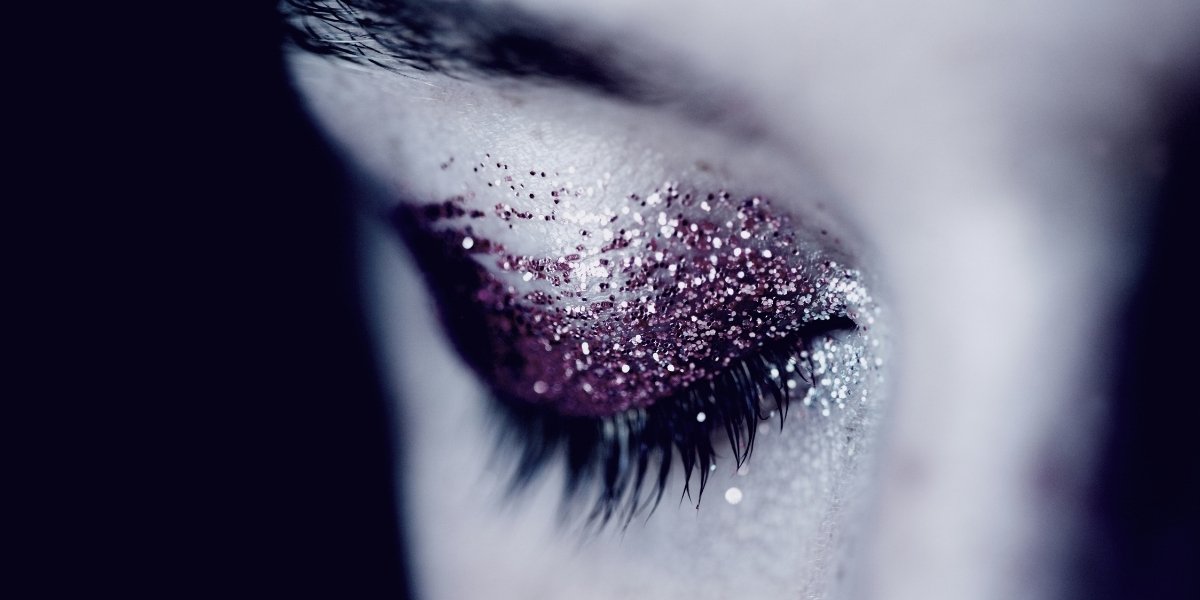
How Is Glitter Makeup Defining a New Beauty Renaissance?

The beauty industry is experiencing a glitter renaissance, with glitter makeup, glitter eyeshadow, and micro-glitter becoming the centerpiece of bold and expressive beauty trends. Once associated with nostalgic looks from past decades, glitter is making a modern comeback—more refined, versatile, and innovative than ever before. From subtle micro-glitter accents to full-on shimmering eyeshadows, this dazzling trend is redefining self-expression and artistic makeup.

Read Also: Silver Strands and Style: Embracing Gray Hair with Confidence

Why Is Glitter Makeup Back in the Spotlight?

Glitter has always been a symbol of playfulness and creativity, but recent innovations in formulation, application, and sustainability have brought it back to mainstream beauty. Today’s glitter makeup isn’t just about adding sparkle—it’s about enhancing dimension, texture, and light reflection in makeup looks.

Social media platforms, fashion runways, and celebrity makeup artists have fueled the glitter resurgence, showcasing unique ways to incorporate glitter eyeshadow and micro-glitter into daily and event-ready looks. From editorial makeup to red-carpet glam, the beauty industry is embracing glitter as a statement rather than just a finishing touch.

What Makes Glitter Eyeshadow a Must-Have Trend?

Among all glitter-infused beauty products, glitter eyeshadow has taken center stage. This trend allows for a range of looks—from soft, diffused shimmer for daytime wear to dramatic, high-impact metallics for nightlife and special occasions.

The appeal of glitter eyeshadow lies in its ability to enhance eye shape, add depth, and create multi-dimensional effects. Advances in micro-glitter technology have made formulations smoother, easier to blend, and more comfortable to wear. Unlike older chunky glitter formulas, today’s fine-particle glitters adhere better to the skin, minimizing fallout while maximizing brilliance.

Makeup artists recommend using cream-based glitter eyeshadows or glitter-infused liquid formulas for long-lasting shimmer that stays in place throughout the day. Meanwhile, pressed glitter shadows provide high-impact pigment payoff, ideal for editorial or runway-inspired makeup.

How Is Micro-Glitter Elevating Beauty Trends?

The rise of micro-glitter has shifted the way people use glitter makeup, making it more refined and wearable. Unlike traditional glitter, which can sometimes feel heavy or overly dramatic, micro-glitter delivers an ultra-fine sparkle that enhances features without overwhelming them.

One of the most popular uses of micro-glitter is on lashes and brows, creating an ethereal, futuristic effect. Makeup artists apply tiny flecks of glitter to lash tips for a subtle, twinkling effect that catches the light with every blink. Glitter-infused brow gels are also making waves, allowing for a soft, shimmering brow look that adds a touch of glam to minimal makeup.

Additionally, micro-glitter highlighters have gained popularity for their ability to amplify natural radiance without looking overly glittery. These highlighters use finely milled shimmer to create a dewy, light-reflecting glow, perfect for modern beauty trends that focus on luminosity and skin-like finishes.

What’s Next for Glitter Makeup in Beauty Trends?

The glitter renaissance shows no signs of slowing down, with beauty brands continuing to experiment with new textures, formulas, and application techniques. As sustainability becomes a priority, many companies are developing biodegradable glitter options that offer the same shimmer without contributing to environmental concerns.

Read Also: Forget Escapism; It’s Time for Beauty as Self-Care Rituals: How Self-Care Transforms Your Skin and Soul

Innovations such as gel-based glitters, holographic pigments, and color-shifting particles are making their way into everyday beauty products. Expect to see glitter makeup infused into lip glosses, blushes, and even complexion products, proving that glitter is no longer reserved for just the eyes.

Whether worn as a delicate shimmer or a bold statement, glitter makeup, glitter eyeshadow, and micro-glitter continue to define a new era of beauty that celebrates creativity, individuality, and unapologetic self-expression.

Sustainable Fashion: Women Leading the Change

Who Are the Women Leading the Sustainable Fashion Movement?

Women are at the forefront of the sustainable fashion movement, driving significant changes within the industry. Female designers, entrepreneurs, and activists are promoting eco-friendly practices and raising awareness about the environmental impact of fashion. These trailblazing women are not only transforming how fashion is produced and consumed but are also inspiring a broader shift toward sustainability across various sectors.

Many female designers are creating innovative fashion lines that prioritize sustainability. They use eco-friendly materials, such as organic cotton, recycled fabrics, and plant-based dyes, to reduce the environmental footprint of their products. These designers are also focusing on ethical production practices, ensuring fair wages and safe working conditions for garment workers. By integrating sustainability into their core business models, they are setting new standards for the fashion industry.

Entrepreneurial women are launching sustainable fashion brands that challenge the traditional fast fashion model. These brands emphasize quality over quantity, offering timeless pieces designed to last. By promoting the concept of “buy less, choose well,” these entrepreneurs encourage consumers to make more thoughtful and sustainable fashion choices. Their efforts are reshaping consumer behavior and driving demand for more responsible fashion options.

Activists and influencers are also playing a crucial role in the sustainable fashion movement. They use their platforms to educate the public about the environmental and social issues associated with conventional fashion. Through social media campaigns, public speaking, and collaboration with sustainable brands, these women are amplifying the message of sustainability and motivating others to join the cause.

How Are Female Designers Promoting Eco-Friendly Practices?Female designers are pioneering innovative approaches to eco-friendly fashion. They are experimenting with sustainable materials and production techniques that minimize environmental impact. For example, some designers are using upcycled materials, transforming textile waste into beautiful, new garments. Others are incorporating biodegradable fabrics, which break down naturally and reduce landfill waste.

Designers are also focusing on creating versatile and durable clothing. By designing pieces that can be worn in multiple ways and for various occasions, they extend the lifecycle of their garments. This approach not only promotes sustainability but also offers consumers more value for their money. Additionally, many designers are adopting made-to-order and small-batch production methods, which help reduce overproduction and waste.

Transparency is another key aspect of sustainable fashion promoted by female designers. They are committed to providing consumers with information about the origins of their materials and the production processes used. This transparency builds trust and allows consumers to make informed decisions about their purchases. By prioritizing ethical sourcing and production, these designers are leading the way in creating a more sustainable fashion industry.

What Impact Do Female Entrepreneurs Have on Sustainable Fashion?

Female entrepreneurs are revolutionizing the fashion industry with their sustainable business models. They are challenging the status quo and demonstrating that it is possible to run successful fashion businesses while prioritizing environmental and social responsibility. These entrepreneurs are not only creating eco-friendly products but are also fostering a culture of sustainability within their companies and the wider industry.

Many sustainable fashion brands founded by women focus on circular fashion principles. They design products with the end of their lifecycle in mind, promoting recycling and reuse. Some brands offer take-back programs, where customers can return worn items to be repaired, recycled, or upcycled into new products. This circular approach helps reduce waste and promotes a more sustainable consumption cycle.

Female entrepreneurs are also leveraging technology to drive sustainability in fashion. They are using digital platforms to streamline production, reduce waste, and improve supply chain transparency. By incorporating data analytics and blockchain technology, these entrepreneurs can track the environmental impact of their products and provide consumers with detailed information about their sustainability efforts.

Community engagement is another significant impact area for female entrepreneurs in sustainable fashion. Many of these business leaders are involved in advocacy and education, working to raise awareness about sustainable practices and inspire others to adopt them. They collaborate with environmental organizations, participate in industry panels, and use their brands as platforms for promoting sustainability.

How Are Influencers Shaping the Sustainable Fashion Narrative?

Female influencers are crucial in shaping the narrative around sustainable fashion. They use their voices and platforms to highlight the urgent need for change in the fashion industry. Through blogs, social media, and public speaking, they educate their audiences about the environmental and social impacts of fashion and advocate for more sustainable practices.

These women are often involved in campaigns and initiatives that promote sustainable fashion. They collaborate with brands to create eco-friendly collections, participate in awareness-raising events, and support legislative efforts to improve industry standards. Their influence extends beyond fashion, as they often address broader issues of sustainability and social justice.

By sharing their sustainable fashion journeys, influencers inspire others to make more conscious choices. They provide practical tips on how to build a sustainable wardrobe, from choosing eco-friendly brands to adopting minimalism and second-hand shopping. Their authenticity and passion resonate with their audiences, making the message of sustainability more relatable and actionable.

Women are leading the charge in the sustainable fashion movement, driving significant changes in how fashion is produced, consumed, and perceived. Female designers, entrepreneurs, and activists are promoting eco-friendly practices and inspiring a shift toward sustainability in the fashion industry. Their efforts are creating a more ethical and environmentally responsible fashion landscape, proving that style and sustainability can go hand in hand.

Silver Strands and Style: Embracing Gray Hair with Confidence

Forget hiding those grays! Silver hair is no longer a sign of aging, it’s a statement of confidence and sophistication. More and more people are ditching the dye and embracing their natural gray hair. But the transition can be daunting. How do you grow out the color? How do you care for those new silver strands? And most importantly, how do you rock gray hair with style? Worry not, because this guide will turn your silver transition into a smooth (and stylish) ride.

The first step to embracing gray hair is accepting the in-between stage. Growing out dyed hair means dealing with a temporary root situation. For some, it might be a stark contrast, while others might have more of a blended look. “The key is to be patient and find creative styling techniques to manage those roots,” says a hairstylist specializing in gray hair. Headbands, hats, or strategic hair parting can camouflage roots while you wait for the color to grow out.

Gray Hair Care: Hydration is Your Best Friend

Gray hair is prone to dryness. It can feel wiry, coarse, and lack the natural luster it once had. The key? Replenishing moisture every step of your hair care routine.

  • Shampoo & Condition with Care: Swap out your regular shampoo and conditioner for formulas designed specifically for gray hair. Look for labels touting benefits like “hydrating,” “moisturizing,” or “smoothing.” These products are packed with ingredients that combat dryness and keep your strands feeling soft. Ingredients like argan oil, hyaluronic acid, and shea butter are your friends – they add moisture, smooth frizz, and leave your hair feeling silky.
  • The Magic of Purple Shampoo: Yellow tones are the enemy of cool, bright silver hair. But what causes them? Sun exposure, mineral deposits in water, and even pollution can leave an unwelcome warm tint. Purple shampoo is your secret weapon. The purple pigments counterbalance any yellow or brassy tones. However, don’t overdo it – using it once or twice a week, alternating with your hydrating shampoo, is generally enough. Overuse can give your hair a bluish tint.
  • Deep Conditioning: Your Weekly Hair Treat – Think of deep conditioning masks as a big drink of water for your hair. Gray hair is naturally more brittle, making it prone to breakage. A weekly deep conditioning treatment is essential for restoring moisture and elasticity. Look for masks labeled for gray or silver hair as they often contain extra nourishment. Apply generously all over your hair, leave on as directed (usually 5-20 minutes), and rinse well. Your hair will thank you with increased softness and manageability!

Styling Silver Hair: Let Your Locks Shine

When it comes to styling gray hair, the only limit is your imagination! Here’s why those silver locks are a stylist’s dream:

Think of gray hair as a blank canvas. Its natural tones work beautifully with a variety of styles. A classic pixie cut is truly timeless, especially with a touch of silver shine. The short, cropped style frames your face and looks incredibly chic. And who says edgy hairstyles are reserved for younger folks? With gray hair, the contrast is even more striking, giving the pixie an extra dose of personality.

If you’re a bob enthusiast, your gray hair will adore the style! The length and versatility of bobs are unmatched. You can go with a short, chin-length bob for a sleek, sophisticated look, perfect for showcasing that salt and pepper color. Want something with a bit more texture? Ask your stylist for choppy layers in a longer bob. This adds a youthful touch and a bit of playful movement that’s fabulous with silver hair.

Contrary to popular belief, gray hair can look absolutely stunning when left long! While it does require extra maintenance to keep those long locks healthy, the results are worth it. Silky, long gray hair with a natural sheen is a striking statement. To avoid looking flat, consider adding some layers to give your hair dimension and movement. It’s all about finding that balance between embracing the natural thickness and texture of your mature hair while adding a touch of styling magic!

Embracing gray hair is a journey of liberation. It’s saying goodbye to societal expectations about how you “should” look and fearlessly stepping into your most authentic self. Think of those silver strands as a badge of honor, a sign of experience, wisdom, and a life well-lived.

When you let your natural gray hair shine, you’re not just changing your hair color – you’re shifting your mindset. It’s about accepting yourself, flaws and all, and embracing every stage of life with grace and power. The confidence that comes with rocking your gray hair radiates outwards, affecting how you present yourself to the world.

Ditching the dye is liberating on multiple levels. No more stressful root touch-ups, harsh chemicals, or time wasted at the salon. Instead, you get to use that time and energy for things that truly matter. Plus, think of how much healthier your hair will feel when it’s not constantly being processed! So, celebrate those silver strands, own your unique beauty, and let the world see your confidence shine!

Makeup for Beginners: Essential Guide to Getting Started

Entering the world of makeup can feel overwhelming, especially with the countless products and techniques out there. But don’t worry! Whether you’re looking to enhance your natural beauty or experiment with bold, new looks, makeup is all about expressing yourself and having fun. This essential guide will walk you through the basics, helping you build a solid foundation for your makeup routine—no prior experience necessary.

Read Also: How to Achieve Beautiful Curls with Heatless Curlers: A Healthier Alternative

What Are the Must-Have Makeup Products for Beginners?

As a beginner, it’s important to start with the essentials. You don’t need a makeup bag full of products to get started—just a few key items will do the trick. Here’s a simple list of must-have products to build your starter makeup kit:

  1. Primer: The first step to achieving a smooth makeup look is applying a primer. Primers help to create a barrier between your skin and makeup, ensuring better application and longer-lasting wear.

  2. Foundation or BB Cream: Foundation helps even out your complexion and provides a flawless base. For beginners, a BB cream is a lighter option that still provides coverage and can double as sunscreen.

  3. Concealer: A good concealer helps hide blemishes, dark circles, and redness. Choose one that’s a shade lighter than your foundation for brightening areas like under the eyes.

  4. Blush: Add a healthy flush of color to your cheeks with blush. Cream blushes are easy to apply and blend, but powder blushes are also a beginner-friendly choice.

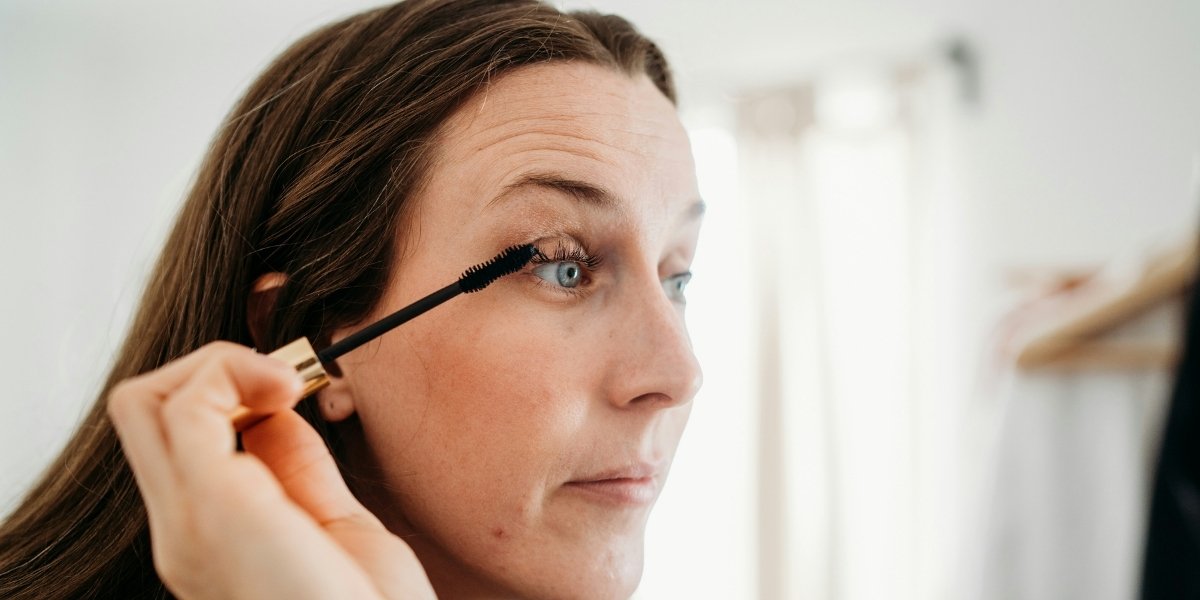
  5. Mascara: Mascara is a game-changer for making your eyes pop. It’s quick, easy, and instantly opens up the eyes, making you look more awake.

  6. Lipstick or Lip Gloss: Whether you’re into bold lip color or prefer a subtle gloss, lip products are an easy way to elevate your look.

These essential products are all you need to start building your makeup skills, and you can always expand your collection as you gain more confidence.

How Do You Choose the Right Foundation?

Finding the right foundation is one of the most important steps in any makeup routine. Foundation helps create an even canvas for the rest of your makeup and can make or break your look. Here’s how to choose the right one for you:

  1. Know Your Skin Type: Is your skin oily, dry, or a combination? If you have oily skin, look for matte foundations that help control shine. For dry skin, opt for a hydrating foundation that provides moisture.

  2. Determine Your Undertone: Your skin’s undertone (warm, cool, or neutral) plays a big role in choosing the right foundation shade. Warm undertones work well with golden or yellow-based foundations, while cool undertones match pink or red-based shades.

  3. Test Before You Buy: Always test foundation in natural light. Apply a small amount on your jawline to see if it blends seamlessly with your neck.

Remember, your foundation should match your natural skin tone, not your tan. You can always add bronzer for a sun-kissed glow later!

How Do You Apply Makeup for a Natural Look?

If you’re new to makeup, you might prefer a more natural look that enhances your features without feeling too heavy. Here’s how to create a simple, everyday makeup look:

  1. Start with a Fresh Base: Apply a primer to prep your skin, followed by your foundation or BB cream. Use a concealer to brighten under your eyes and cover any blemishes.

  2. Add Subtle Color: Use a light blush to give your face a healthy glow. A cream blush is easy to apply with your fingers, and it blends into the skin for a natural finish.

  3. Enhance Your Eyes: Use a neutral eyeshadow shade to define your eyelids. A soft beige or light brown shade works well for a natural look. Finish with a coat of mascara to lengthen and define your lashes.

  4. Define Your Lips: Choose a nude or pink lip color that enhances your natural lip shade. Lip gloss or a sheer lipstick is perfect for a fresh, natural look.

This simple makeup routine enhances your features and keeps you looking natural and polished, perfect for everyday wear.

What Are the Best Tips for Beginner Makeup Application?

While makeup is about creativity, it’s always good to follow a few tips and tricks to make your application easier and more precise:

  1. Start Light and Build: When applying makeup, start with a light layer and build up as needed. It’s easier to add more product than to remove excess.

  2. Blend, Blend, Blend: Blending is key to achieving a natural look. Use a beauty sponge or makeup brush to blend foundation, concealer, and blush into your skin seamlessly.

  3. Set Your Makeup: To make your makeup last longer, set it with a translucent powder or setting spray. This helps to reduce shine and keep everything in place throughout the day.

  4. Don’t Skip Skincare: Makeup sits best on healthy, hydrated skin. Make sure to cleanse, moisturize, and apply sunscreen daily to keep your skin looking fresh and smooth.

  5. Practice Makes Perfect: Don’t be discouraged if your makeup doesn’t look perfect at first. Practice is the key to improving your skills. Take your time and experiment with different looks to see what works best for you.

Read Also: Silver Strands and Style: Embracing Gray Hair with Confidence

How Do You Expand Your Makeup Skills as a Beginner?

Once you’re comfortable with the basics, it’s time to have some fun with your makeup! Here are a few ways to expand your skills:

  1. Experiment with Eyeshadow: Once you’ve mastered the natural look, try experimenting with eyeshadow. Start with neutral shades and gradually work your way up to more bold colors.

  2. Add Eyeliner: If you want to define your eyes even more, try adding eyeliner. A simple line along your top lash line can make a big difference.

  3. Learn Contouring: Contouring can help define your features, but it doesn’t have to be dramatic. Light contouring around the cheeks, jawline, and nose can subtly enhance your face shape.

  4. Watch Tutorials: There are countless makeup tutorials online, from YouTube to Instagram, that offer tips and tricks for every skill level. Learning from others can help you improve your technique and try new looks.

Remember, makeup is all about expressing yourself, so there’s no “right” way to do it. Take your time, have fun, and enjoy the process!

How to Use Nail Art Brushes for Perfect Nail Designs

Nail Art Brushes: Essential Tools for Creative Designs and Techniques

Nail art has evolved into a sophisticated form of self-expression, with intricate designs and creative techniques shaping the beauty industry. A crucial element in achieving flawless designs is using the right nail art brushes. These specialized tools allow for precision, detail, and artistic versatility, helping both professionals and enthusiasts bring their nail art visions to life.

Read Also: Small Steps, Big Impact: Your 2025 Health Plan

What Are Nail Art Brushes and Why Are They Important?

Nail art brushes are precision tools designed for painting, detailing, and enhancing nail designs. Unlike standard nail polish brushes, these tools come in various shapes and sizes, each catering to specific techniques. The right brush ensures better control, smoother application, and more intricate details, making it essential for achieving professional-looking nail art.

What Are the Different Types of Nail Art Brushes?

Each nail art brush serves a distinct purpose, and understanding their functions helps in selecting the right tool for the desired design.

  1. Striping Brush

    • A thin, long brush ideal for creating straight lines, geometric patterns, and intricate striping effects.
  2. Detail Brush

    • A fine-tipped brush designed for small, intricate details, including flowers, lacework, and delicate designs.
  3. Flat Brush

    • Useful for one-stroke techniques and shading effects, commonly used in floral and gradient designs.
  4. Angled Brush

    • Helps in creating precise strokes, sharp edges, and French tips.
  5. Fan Brush

    • Used for blending, feathering effects, and creating soft gradient designs.
  6. Dotting Tool

    • Though not a traditional brush, it is a must-have for creating polka dots, marbling, and accents.

How to Choose the Right Nail Art Brushes?

Selecting the best nail art brushes depends on the design complexity, skill level, and personal preference. Consider the following factors:

  • Brush Bristle Quality: Synthetic or natural bristles impact the brush’s durability and precision.
  • Handle Comfort: A comfortable grip is essential for maintaining steady hands during intricate designs.
  • Bristle Length and Shape: The length and flexibility of the bristles affect the stroke’s precision and smoothness.
  • Ease of Cleaning: Brushes that resist staining and clean easily ensure longevity and performance.

How to Use Nail Art Brushes for Different Techniques?

Mastering nail art brushes involves understanding various techniques that enhance creativity.

  1. Fine Detailing

    • Use a detail brush for creating intricate floral patterns, lace effects, and delicate swirls.
  2. Gradient Blending

    • A fan brush blends multiple colors seamlessly, creating soft ombré and feathered effects.
  3. Marbling Effects

    • Combining a dotting tool with swirling motions results in elegant marbled nail designs.
  4. Striping and Lining

    • A striping brush helps create clean, crisp lines, perfect for geometric and modern designs.
  5. One-Stroke Painting

    • A flat or angled brush is ideal for floral patterns, using two colors to achieve a realistic petal effect.

How to Care for Nail Art Brushes?

Proper maintenance extends the life of nail art brushes and ensures consistent performance.

  • Clean Brushes After Every Use: Use brush cleaner or acetone to remove leftover polish and gel.
  • Avoid Harsh Chemicals: Overuse of acetone may damage bristles; opt for gentle cleaners when possible.
  • Store Brushes Properly: Keep them in a protective case to prevent bristle damage and deformation.
  • Reshape Bristles After Cleaning: Gently reshape them while wet to maintain precision.

Are Nail Art Brushes Suitable for Beginners?

Absolutely! Nail art brushes cater to all skill levels, from beginners experimenting with simple designs to professionals crafting intricate masterpieces. Starting with a basic brush set and gradually incorporating advanced tools allows beginners to refine their skills and explore new techniques.

Read Also: Maximize Muscle Growth with These Workout Splits

How Are Nail Art Brushes Transforming the Beauty Industry?

The rise of nail art trends, social media influence, and professional innovations have pushed nail art brushes to the forefront of beauty tools. More brands are developing high-quality brushes tailored to specific techniques, enabling artists to push creative boundaries. The demand for precision tools has led to increased accessibility, allowing enthusiasts to experiment with salon-quality designs at home.

Mastering nail art brushes is essential for achieving professional and artistic nail designs. Whether creating fine details, blending colors, or painting intricate patterns, the right brush transforms an ordinary manicure into a work of art. Investing in high-quality tools and proper techniques ensures a smooth, flawless application every time.

Hair Transplant: Restoring Confidence with Modern Restoration

Hair loss affects millions of people worldwide, and for many, it can have a profound impact on self-esteem and confidence. Fortunately, hair transplant surgery has provided a permanent solution, helping individuals restore their natural hairline and regain their youthful appearance. This article will explore the science, techniques, patient considerations, and technological advancements in hair restoration.

Read Also: Space Exploration and AI: The Future of U.S. Technology

Understanding Hair Loss

Hair loss can result from a variety of causes, each affecting different groups of people. The most common form is androgenetic alopecia, or male and female pattern baldness, which is influenced by genetic and hormonal factors. Other causes include scarring alopecia, which damages hair follicles, and factors such as stress, nutritional deficiencies, and medical conditions.

Surgical Techniques

There are two main techniques used in hair transplant surgery: Follicular Unit Transplantation (FUT) and Follicular Unit Extraction (FUE).

Follicular Unit Transplantation (FUT)

FUT, also known as strip harvesting, involves removing a strip of scalp from the donor area, typically the back of the head. This strip is then dissected into individual follicular units, which are transplanted into the recipient area. This technique is well-suited for individuals who require a large number of grafts, as it allows for the harvesting of a greater number of follicles.

Follicular Unit Extraction (FUE)

FUE is a more advanced technique where individual hair follicles are extracted directly from the donor area using a small, specialized tool. These follicles are then implanted into the recipient area. FUE leaves minimal scarring and is less invasive, making it a popular choice for many patients.

Patient Selection and Consultation

Selecting the right candidate for a hair transplant is crucial for achieving optimal results. During the consultation, several factors are considered, including:

  • Severity of Hair Loss: Assessing the extent of hair loss helps determine the appropriate treatment.

  • Donor Hair Availability: A sufficient amount of healthy hair in the donor area is essential for a successful transplant.

  • Scalp Laxity: The flexibility of the scalp can influence the choice of surgical technique.

  • Managing Expectations: It’s important to discuss realistic goals and outcomes with the patient, ensuring they have a clear understanding of the process.

Post-Operative Care and Recovery

After the surgery, proper post-operative care is crucial for ensuring the transplanted follicles take root and begin to grow. This includes:

  • Wound Care: Keeping the scalp clean and following the surgeon’s instructions to promote healing.

  • Medications: Using prescribed medications to reduce inflammation and prevent infection.

  • Avoiding Stress on the Grafts: Patients must avoid touching or disturbing the transplant site for several days to allow the grafts to settle.

Hair regrowth typically begins within a few months, with full results visible in about a year.

Technological Advancements

Hair transplantation has evolved with advancements in technology, improving precision and outcomes. Some of the latest innovations include:

  • Robotic-Assisted FUE: Robotic technology helps with the extraction and implantation of follicles, increasing the accuracy of graft placement.

  • Platelet-Rich Plasma (PRP) Therapy: This therapy uses the patient’s own blood to stimulate hair growth and improve transplant results.

  • Stem Cell Treatments: Emerging treatments using stem cells aim to regenerate hair follicles and promote growth in areas of thinning hair.

Psychological Impact and Quality of Life

The psychological benefits of hair transplant surgery are significant. Many individuals report improvements in their self-esteem and confidence after the procedure. Restoring a natural hairline can lead to better social interactions, enhanced professional opportunities, and an overall improvement in emotional well-being.

Ethical Considerations and Potential Risks

As with any surgical procedure, there are potential risks and ethical considerations to take into account:

  • Scarring: Although both FUT and FUE leave minimal scarring, it is still important for patients to be aware of the possibility.

  • Infection: Proper post-operative care is critical to reduce the risk of infection.

  • Unrealistic Expectations: Patients must have a clear understanding of what can and cannot be achieved through hair transplantation.

It is essential to choose an experienced and qualified surgeon to ensure the best results and minimize complications.

Read Also: Fun Couple Activities to Strengthen Your Relationship

Hair transplant surgery has revolutionized the treatment of hair loss, offering a permanent and effective solution. By understanding the procedures, advancements, and patient care involved, individuals can make informed decisions about whether hair restoration is right for them. With modern techniques, careful patient selection, and ongoing advancements in technology, hair transplants can help restore not only hair but also confidence and quality of life.

Healthy Skin: Natural Skincare Tips for Women

Achieving healthy, radiant skin doesn’t always require expensive products or complicated routines. Natural skincare offers effective, affordable, and gentle ways to care for your skin using ingredients that are often already in your kitchen. Here are some natural skincare tips for women to help you maintain healthy, glowing skin.

Why Choose Natural Skincare?

Natural skincare uses ingredients derived from nature, free from synthetic chemicals, fragrances, and dyes. Here are a few benefits of choosing natural skincare:

Gentle on the Skin Natural ingredients are generally gentler on the skin compared to synthetic chemicals, reducing the risk of irritation and allergic reactions.

Environmentally Friendly Using natural products supports eco-friendly practices by minimizing the use of harmful chemicals that can damage the environment.

Cost-Effective Many natural skincare remedies use ingredients you likely already have at home, making them a budget-friendly option.

How Can You Cleanse Your Skin Naturally?

Proper cleansing is the foundation of any skincare routine. Here are some natural ways to cleanse your skin:

Honey Cleanser Honey is a natural antibacterial agent and gentle cleanser. It helps remove impurities without stripping your skin of its natural oils.

  • How to Use: Apply raw honey to your face, gently massage it in, and rinse with warm water.

Oil Cleansing Using natural oils like coconut, olive, or jojoba oil can effectively remove makeup and impurities while keeping your skin moisturized.

  • How to Use: Massage a small amount of oil onto your face, let it sit for a minute, then wipe off with a warm, damp cloth.

What Are Natural Exfoliation Methods?

Exfoliating removes dead skin cells, revealing smoother, brighter skin underneath. Here are some natural exfoliants:

Sugar Scrub Sugar is a natural exfoliant that gently removes dead skin cells and promotes circulation.

  • How to Use: Mix equal parts sugar and olive oil, gently scrub your face in circular motions, then rinse off with warm water.

Oatmeal Scrub Oatmeal is soothing and suitable for sensitive skin. It gently exfoliates and reduces inflammation.

  • How to Use: Mix ground oatmeal with water or yogurt to form a paste, apply to your face, gently scrub, and rinse off.

How to Moisturize Naturally?

Keeping your skin hydrated is crucial for maintaining its elasticity and glow. Here are natural ways to moisturize your skin:

Aloe Vera Aloe vera is known for its hydrating and healing properties. It soothes the skin and provides moisture without feeling greasy.

  • How to Use: Apply pure aloe vera gel directly to your skin and let it absorb.

Coconut Oil Coconut oil is a natural moisturizer rich in fatty acids that nourish and hydrate the skin.

  • How to Use: Apply a small amount of coconut oil to your face and body, massaging it in until fully absorbed.

What Natural Ingredients Can Brighten Your Skin?

Certain natural ingredients can help brighten your complexion and reduce the appearance of dark spots:

Lemon Juice Lemon juice is rich in vitamin C and has natural bleaching properties that can lighten dark spots.

  • How to Use: Dilute lemon juice with water and apply to dark spots with a cotton ball. Leave on for 10-15 minutes, then rinse off. Use sparingly and avoid sun exposure afterward.

Turmeric Turmeric has anti-inflammatory and brightening properties that can improve your skin’s overall tone.

  • How to Use: Mix turmeric powder with honey or yogurt to form a paste, apply to your face, and leave on for 10-15 minutes before rinsing off.

How to Treat Acne Naturally?

Natural ingredients can help reduce acne and prevent future breakouts:

Tea Tree Oil Tea tree oil has antibacterial properties that make it effective against acne-causing bacteria.

  • How to Use: Dilute tea tree oil with a carrier oil (like jojoba oil) and apply to acne spots using a cotton swab.

Apple Cider Vinegar Apple cider vinegar balances the skin’s pH and has antibacterial properties.

  • How to Use: Dilute apple cider vinegar with water and use as a toner. Apply with a cotton ball and leave on for 5-10 minutes before rinsing off.

How Can You Protect Your Skin Naturally?

Protecting your skin from environmental damage is essential for maintaining its health and appearance:

Sunscreen While natural sunscreens can be beneficial, ensure they provide broad-spectrum protection with a sufficient SPF.

  • Natural Options: Look for sunscreens with zinc oxide or titanium dioxide as active ingredients.

Antioxidants Antioxidants protect your skin from free radical damage caused by environmental factors like pollution and UV rays.

  • Natural Sources: Include antioxidant-rich foods in your diet, such as berries, green tea, and nuts. Topically, you can use products containing vitamins C and E.

Natural skincare offers a gentle, effective, and eco-friendly approach to maintaining healthy, radiant skin. By incorporating natural ingredients into your daily routine, you can achieve a glowing complexion without relying on synthetic products. Remember to cleanse, exfoliate, moisturize, and protect your skin using these natural methods, and enjoy the benefits of a more natural approach to skincare.

How to Apply Concealer Like a Makeup Pro

Concealer: The Ultimate Guide to Flawless Makeup Application

Makeup enthusiasts of all skill levels rely on concealer to perfect their looks. Whether covering blemishes, brightening the under-eye area, or creating a sculpted effect, this essential beauty product plays a key role in achieving a polished finish. Understanding how to choose, apply, and blend concealer correctly ensures a seamless and natural appearance.

Read Also: How to Use an Eyeshadow Palette Like a Pro

What Is Concealer and Why Is It Essential?

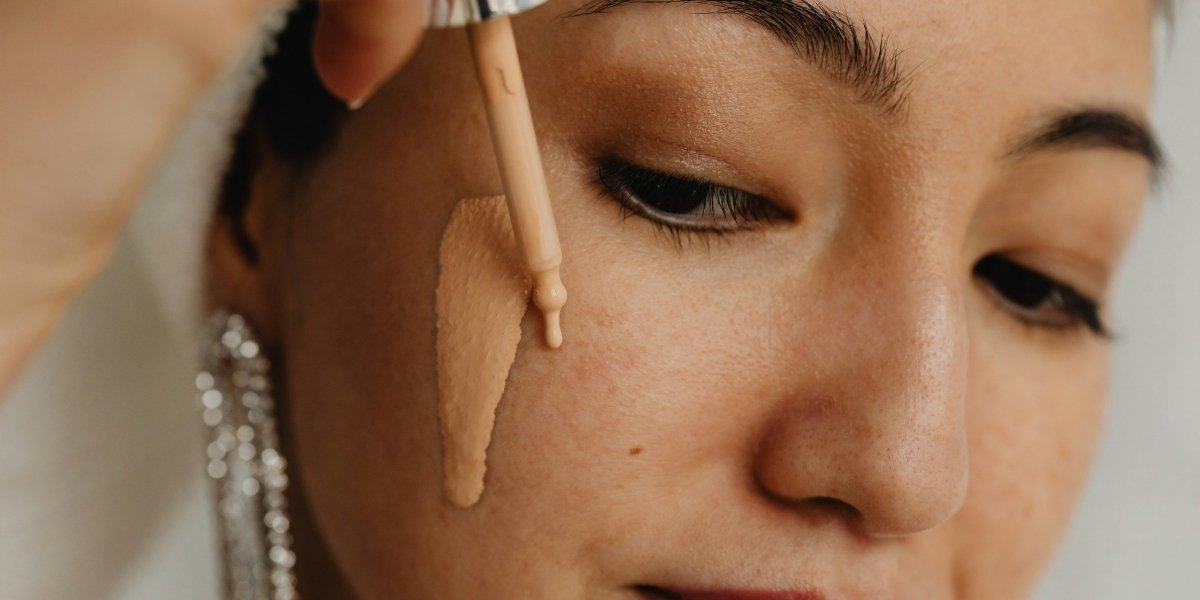
Concealer is a cosmetic product designed to camouflage imperfections, correct discoloration, and enhance facial features. Unlike foundation, which provides an overall base, concealer targets specific areas, offering additional coverage where needed. Available in various formulations, it serves multiple purposes, from minimizing dark circles to defining facial contours.

How to Choose the Right Concealer for Your Skin Type?

Selecting the perfect concealer depends on skin type, coverage needs, and desired finish:

  • For Oily Skin – Matte, long-wearing formulas prevent excess shine and maintain a smooth look.
  • For Dry Skin – Hydrating, creamy textures prevent creasing and keep the skin looking fresh.
  • For Combination Skin – Lightweight, buildable concealers allow flexibility based on different facial areas.
  • For Sensitive Skin – Hypoallergenic, fragrance-free options reduce irritation and discomfort.

Understanding these factors ensures concealer complements the skin while enhancing makeup longevity.

What Are the Different Types of Concealer?

Concealer comes in multiple formulations, each offering unique benefits:

  • Liquid Concealer – Ideal for light to full coverage, suitable for most skin types.
  • Cream Concealer – Offers medium to full coverage with a hydrating finish, great for dry skin.
  • Stick Concealer – Convenient for quick touch-ups and precise application.
  • Color-Correcting Concealer – Available in green, peach, and lavender shades to neutralize specific skin concerns.

Choosing the right type depends on coverage preference and targeted skin concerns.

How to Apply Concealer for a Natural Finish?

Proper application techniques help achieve a flawless, crease-free look:

  1. Prep the Skin – Cleanse, moisturize, and apply primer to create a smooth base.
  2. Use the Right Shade – Match skin tone for blemishes, go a shade lighter for under-eyes, and choose contouring shades strategically.
  3. Apply in Thin Layers – Build coverage gradually to avoid a cakey effect.
  4. Blend Seamlessly – Use a damp sponge, brush, or fingertips for even application.
  5. Set with Powder – Lightly dust translucent powder to lock in the concealer.

Following these steps ensures concealer enhances the complexion without looking heavy.

What Are the Best Concealer Hacks for a Long-Lasting Look?

To maximize the wear of concealer, these expert tricks come in handy:

  • Apply Concealer After Foundation – Prevents excessive product usage and maintains balance.
  • Use Color Correctors First – Neutralizes discoloration before layering on concealer.
  • Mix with Eye Cream – Keeps the under-eye area hydrated and prevents creasing.
  • Use a Setting Spray – Extends wear time and prevents product breakdown.

Incorporating these hacks ensures concealer remains fresh throughout the day.

How to Choose the Right Concealer for Different Makeup Styles?

Makeup styles vary based on personal preferences, and concealer adapts to different techniques:

  • Natural Makeup – Lightweight, dewy-finish concealer for an effortless glow.
  • Glamorous Looks – Full-coverage formulas for sculpted contours and brightened under-eyes.
  • Minimalist Aesthetic – Sheer, breathable concealer for subtle correction.
  • Editorial Makeup – High-pigment concealers for bold, artistic effects.

Selecting the appropriate concealer enhances the overall look while maintaining harmony with the chosen aesthetic.

Read Also: Hair Straightener Use: Get Sleek Styles Without Breakage

Mastering concealer application transforms makeup routines, ensuring a flawless, long-lasting finish. By selecting the right formula, shade, and technique, achieving a perfected complexion becomes effortless. Whether refining everyday makeup or crafting bold beauty statements, concealer remains a versatile and indispensable tool.

Hair Color Trends for Spring That Are Turning Heads

Why Is Hair Color the Ultimate Spring Reset?

As seasons shift, so do personal styles—and nothing signals a fresh start like a bold change in hair color. Spring invites a kind of optimism that people often channel through new looks. Colorists say hair color becomes more than beauty; it’s emotional renewal.

After months of winter tones and covered heads, spring opens space for expression. The sunlight hits differently, and so does the way hair reflects it. People want brightness, softness, and movement in their appearance, and color becomes the fastest way to get there.

Read Also: How Education Shapes Lives and Transforms Societies

What Shades Are Stylists Recommending This Season?

The conversation around hair color this spring is centered on warmth and dimension. Clients are leaning into tones that feel soft and lived-in, yet striking. Stylists report a rise in requests for buttery blondes, copper browns, and muted pastels. These shades offer a natural glow while still making a statement.

Golden honey blonde is especially popular, blending lighter strands with deeper undertones for a result that flatters without overwhelming. It’s a shade that catches the sun, offering movement and softness. Another standout is auburn with bronze accents, which adds warmth to the complexion and looks effortless across different hair textures.

Color trends also include creative blends like smoky lavender and rose beige. These muted pastels bring personality without crossing into high-maintenance territory. They’re easy to adapt and fade gracefully between salon visits.

How Are Hair Color Techniques Evolving?

It’s not just about the shade—application matters. Stylists are embracing techniques that create dimension and fluidity. Balayage continues to lead because it offers softness and grows out beautifully. Unlike older foil methods, balayage lets color melt into natural strands, which means fewer harsh lines and longer-lasting wear.

Another rising method is reverse balayage. This approach darkens the roots while keeping ends lighter. It creates a shadowy base that grounds the look and requires less upkeep. It’s perfect for spring because it allows vibrant ends to pop without constant root touchups.

Root smudging and gloss toners are also key tools this season. They help blend regrowth and maintain the richness of tone between appointments. These techniques show that low-effort doesn’t have to mean low-impact.

What Role Does Hair Health Play in Seasonal Color Changes?

Hair health is shaping how people approach color decisions. Spring doesn’t just mean fresh shades—it means rebuilding strength after dry winter months. Clients are more selective with processes that might cause breakage. That’s why many salons now focus on semi-permanent or ammonia-free options that preserve texture and shine.

Experts suggest that pre-color conditioning treatments are just as important as the dye itself. Healthy hair absorbs and reflects color more evenly, which means better results and less damage. It’s a shift in thinking—color is no longer a one-time act but part of an overall care routine.

There’s also more awareness around maintaining vibrancy at home. Clients now use sulfate-free shampoos, UV-protective sprays, and hydrating masks to extend color life. This makes hair color more sustainable and less reliant on constant salon refreshes.

Are Personalized Shades the Future of Hair Color?

Personalization is the direction everything is heading. This spring, it’s less about trends in isolation and more about how they meet individual style. Stylists take into account skin tone, eye color, and lifestyle before suggesting a shade. The goal is not just to follow a trend but to own it in a way that feels authentic.

Digital consultations are also becoming more common. Clients upload photos, answer lifestyle questions, and get tailored color plans. This approach makes customization more accessible and helps clients walk in with clarity, ready for something that works just for them.

Even within popular trends, the outcome varies widely. A rose gold might lean more peach on one person and more champagne on another. This flexibility is what makes seasonal trends feel fresh every time—they’re shaped around the person, not just the palette.

Read Also: Mindful Parenting: Taking Care of Your Child with Love and Attention

Is Spring the Right Time for a Major Hair Color Change?

Spring is ideal because the environmental conditions are more forgiving. Unlike summer, which comes with sun and chlorine, or winter, which dries hair out, spring allows color to settle in with fewer external stresses. That’s why many stylists see it as the perfect season for transformation.

There’s also a psychological element. Coming out of the colder months, people look for ways to feel renewed. A change in hair color offers that visible shift—a small but powerful move toward personal reinvention. It’s no surprise that spring appointments book out fast as people prepare to greet the season with a look that matches their mood.

Mastering Hair Care Tips and Trends for Healthy Locks, Stylish Hairstyles, and Common Hair Woes

Understanding Your Hair: The Basics

Your hair is your crowning glory, and taking care of it can be a delightful journey of self-care and style. Let’s dive into the world of hair care, exploring the best practices to keep your mane healthy, trendy hairstyles that turn heads, and simple tips to tackle everyday hair issues.

Before we embark on this hair care adventure, it’s crucial to understand your hair type. Is it straight, wavy, curly, or somewhere in between? Knowing your hair type helps you choose the right products and treatments that cater to its specific needs.

Healthy Habits for Happy Hair

Just like your body, your hair loves some TLC. Regular washing, conditioning, and gentle drying are fundamental steps in any hair care routine. Use a shampoo and conditioner that suit your hair type, and don’t forget to indulge in a deep conditioning treatment occasionally to keep your locks hydrated and shiny.

Hairstyles are a fantastic way to express your personality and stay on trend. From sleek bobs to beachy waves, the options are endless. Consider your face shape and lifestyle when choosing a style that suits you. And don’t be afraid to experiment – hair grows back, after all!

The Battle Against Common Hair Woes

We’ve all been there – frizz, split ends, and the dreaded bad hair day. Fear not! There are simple tricks to combat these common hair woes. A silk pillowcase can reduce frizz, regular trims prevent split ends, and a trusty hat or scarf can be a stylish solution for a bad hair day.

Give your hair a spa day with DIY masks and treatments. Ingredients from your kitchen, like coconut oil, honey, and avocado, can work wonders. These natural treatments nourish your hair, leaving it soft, shiny, and thanking you for the pampering session.

The Lowdown on Hair Coloring

Considering a new hue for your hair? Whether it’s a bold change or just covering some grays, understanding the basics of hair coloring is essential. Choose a shade close to your natural color for a subtle change or go bold with vibrant tones. Remember to use color-protecting products to maintain that fresh-from-the-salon look.

Elevate your hairstyle with accessories! From headbands to hair clips and scarves, the options are limitless. Not only do they add a touch of glamour, but they’re also practical solutions for keeping your hair in place on windy days or during workouts.

Heat Styling Safely

Curling irons, straighteners, and blow dryers – heat styling tools can be your hair’s best friend or worst enemy. Use them wisely by applying a heat protectant before styling, and opt for lower heat settings when possible. Let your hair air-dry occasionally to give it a break from the heat.

Your hair is a canvas for self-expression and care. With the right habits, trendy styles, and a bit of experimentation, you can achieve healthy, gorgeous locks that make you feel confident and fabulous every day. Embrace your hair journey, enjoy the process, and remember that each strand tells a unique story of beauty and individuality.