Active Weekly

Keep Moving Forward

Keep Moving Forward

Keep Moving Forward

Tips and Hacks for Organizing Your Hobby Supplies

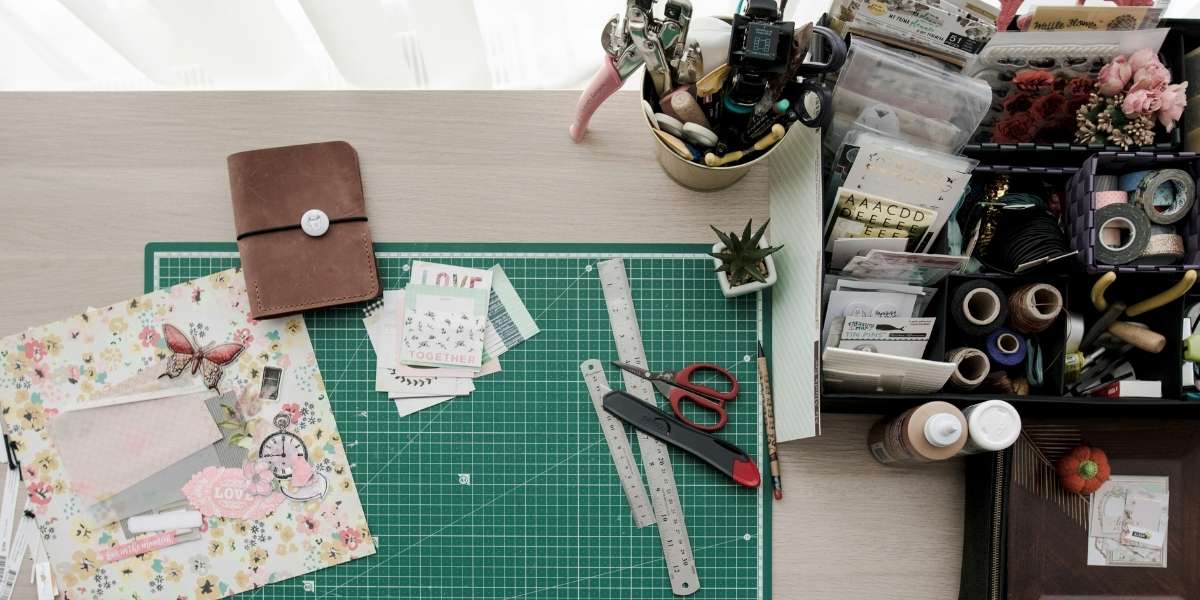
Whether you’re into knitting, painting, or model-building, organizing your hobby supplies can be a game changer. A clutter-free workspace allows for creativity to flow freely, saving you time and frustration. If you’ve been struggling with piles of supplies taking up space, it’s time to tackle the mess and create a system that works. Organizing your hobby supplies isn’t just about tidying up—it’s about improving your efficiency and enhancing your enjoyment of your hobby.

Read Also: How AI is Revolutionizing Healthcare from Diagnosis to Treatment

Why Is Organizing Your Hobby Supplies Important?

Keeping your hobby supplies organized can make a significant difference in how you approach your creative activities. It not only saves time but also reduces stress. When everything is in its place, you can easily access the materials you need, preventing interruptions and the frustration of searching through a disorganized space. Industry experts suggest that an organized workspace can also improve focus, allowing you to dive deeper into your hobby without distractions.

How Can Storage Containers Help with Organization?

One of the easiest and most effective ways to organize your hobby supplies is by using storage containers. Whether you need something small for beads or larger bins for fabrics, storage containers come in various shapes and sizes, making it easy to store items of all kinds. Clear plastic containers are particularly useful as they allow you to see the contents, reducing the time spent searching for supplies.

For those with a lot of small items like buttons, thread, or paintbrushes, divided organizers are ideal. You can sort your items by color, size, or type, making it easier to find what you need. Stackable containers also save space and can be stored on shelves, making them both practical and efficient.

How Can Labels Improve Organization?

Using labels is a simple but highly effective way to keep your supplies organized. Labels not only make it easier to identify your materials but also help you maintain order over time. For example, labeling containers for different colors of yarn, brushes, or tools helps you immediately spot what you need. The process of labeling also forces you to categorize and sort your materials, which will naturally keep your supplies more organized.

Experts in organizational systems recommend using a label maker for a neat and professional finish, but even handwritten labels on masking tape can be just as effective. By labeling drawers, boxes, or shelves, you’ll never have to waste time figuring out where things belong again.

Can Drawer Organizers Maximize Space?

For those with limited space, drawer organizers are a fantastic solution. You can transform any drawer into a well-organized workspace with dividers that separate smaller items like pens, brushes, and fabric scraps. Drawer organizers maximize space by ensuring that items stay contained, and you can easily access what you need without making a mess.

Many hobbyists also find that adjustable drawer inserts are helpful for keeping items like sewing tools or craft supplies neat. These organizers can be adjusted to fit different drawer sizes, making them a versatile addition to your organizing system.

How About Using Wall Storage?

If you’re short on space, utilizing wall storage options can free up valuable surface area. Wall-mounted shelves, pegboards, or hooks are great for storing tools and supplies that are often used. For example, hanging scissors, brushes, or scissors on a pegboard keeps them within easy reach while saving space on your work surface.

Storage experts recommend using pegboards with hooks to store larger items like spools of thread, scissors, and rulers. This system is especially effective for those who work on multiple projects at once, as it keeps everything visible and easily accessible. Wall storage is also a great way to display some of your favorite tools or materials as a source of inspiration.

Can You Create a Hobby Supply Station?

Another effective way to organize your hobby supplies is by creating a hobby supply station. This station can serve as a dedicated area where all of your tools and materials are neatly arranged. Consider using a combination of shelves, bins, and pegboards to create an all-in-one space for your supplies. This allows you to have everything you need in one place, minimizing clutter and making it easier to access your materials.

A well-planned hobby supply station can also inspire creativity. Seeing your supplies neatly organized and displayed can help you feel motivated to dive into your next project. Plus, having everything in one spot means you won’t waste time hunting down materials when you’re ready to start creating.

What About Digital Organization for Craft Ideas?

For those who like to keep track of craft ideas, digital organization can complement your physical space. Apps and digital tools like Pinterest, Evernote, or a simple spreadsheet can help you organize ideas, projects, and inspirations. This digital approach allows you to store photos, links, or descriptions of your materials, making it easy to refer back to ideas when you need them.

By using digital tools, you can also plan future projects and keep track of what materials you already have, which prevents purchasing duplicates. This combination of physical and digital organization can elevate your hobby experience and streamline your creative process.

How Do You Maintain an Organized Space?

Once you’ve put in the effort to organize your supplies, it’s essential to keep your space tidy. Maintaining organization is just as important as the initial setup. Set aside a few minutes after each project to clean up and put things back in their designated places. Over time, this small habit will become second nature, and your workspace will stay neat without requiring too much effort.

Professional organizers often suggest scheduling regular cleaning sessions to review your storage and reorganize as needed. As you acquire more supplies or shift to different projects, your organizational system may need to be updated. Regularly assessing your system will ensure that your hobby space remains functional and clutter-free.

Read Also: Deep Learning and AI’s Impact on Everyday Life

What Are the Benefits of Organizing Your Hobby Supplies?

The benefits of organizing your hobby supplies are numerous. A well-organized space fosters creativity, reduces stress, and makes your projects more enjoyable. It also increases your efficiency, saving time by allowing you to easily find what you need. An organized space also improves focus, helping you stay in the zone as you work on your projects.

When you have an organized workspace, you can also feel more accomplished. The act of creating a dedicated, clutter-free environment can help you feel more confident and motivated to dive into your next project, ultimately enhancing your overall hobby experience.


How to File Taxes Accurately and Stress-Free

Filing your taxes can feel like a daunting task, but it doesn’t have to be. With the right approach, anyone can navigate the process smoothly and efficiently. Tax filing is a critical part of managing your finances, and knowing the steps involved can help reduce stress and ensure you file correctly. Let’s walk through how to file your taxes like a professional, ensuring you avoid common mistakes and get the most out of your return.

Read Also: How Local Restaurants Build Community Through Food

What Documents Are Needed for Tax Filing?

Before diving into tax filing, it’s important to gather all the necessary documents. Tax filing requires several forms to report your income, deductions, and credits. Common documents include your W-2 (for employees), 1099 forms (for independent contractors or freelancers), and receipts for deductions like medical expenses, charitable contributions, and education costs.

Tax professionals recommend organizing these documents ahead of time. Having everything in order will make the tax filing process go smoothly, and it will help prevent errors or delays.

How Can You Choose the Right Tax Filing Method?

When it comes to tax filing, you have a few options: filing by yourself, using tax software, or hiring a tax professional. Each option has its pros and cons, and the right choice depends on your tax situation.

For individuals with simple returns, using tax software can be an affordable and effective way to file. These tools often offer step-by-step guidance and check for errors automatically. If your financial situation is more complex, such as having multiple income sources or owning a business, hiring a professional may be the best route. Tax professionals can navigate complex deductions and ensure everything is filed accurately.

What Are Common Tax Deductions and Credits?

One of the main reasons people seek tax filing assistance is to take advantage of deductions and credits that can reduce their tax liability. Tax deductions reduce your taxable income, while credits directly reduce the amount of tax you owe.

Common deductions include those for mortgage interest, student loan interest, and medical expenses. There are also credits, such as the Earned Income Tax Credit (EITC) and Child Tax Credit, which can significantly reduce the amount you owe or increase your refund. Tax professionals often recommend reviewing all available deductions and credits to ensure you don’t miss out on any potential savings.

How Can You Avoid Common Tax Filing Mistakes?

Even experienced filers make mistakes, so it’s essential to be thorough. Common errors include forgetting to sign your return, entering incorrect Social Security numbers, or miscalculating deductions. Inaccurate information can lead to delays or penalties.

Tax filing experts suggest double-checking all forms and calculations before submitting your return. Additionally, be mindful of deadlines. Filing late can result in penalties and interest, so ensure you submit your return on time or file for an extension if needed.

Why Is It Important to Keep Tax Records?

Keeping accurate tax records is vital for future reference and audits. While you might not need to keep every document indefinitely, it’s a good idea to hold on to key forms for several years. The IRS typically allows a three-year window for audits, so maintaining records for at least that long is recommended.

Tax experts recommend keeping copies of your tax returns, supporting documents like receipts and 1099 forms, and any correspondence with the IRS. This way, if you need to file an amended return or provide additional information, you’ll have everything readily available.

What to Do If You Owe Taxes

Sometimes, after completing tax filing, you may find that you owe money to the IRS. If this happens, it’s important to address the situation promptly. Ignoring the issue can lead to interest, penalties, or even legal action.

Tax professionals recommend paying what you owe as soon as possible to avoid additional charges. If you can’t pay the full amount right away, the IRS offers payment plans to help ease the burden. It’s always better to make arrangements rather than letting the debt grow.

Read Also: Historical Cities That Will Take You on a Journey Through Time

Keep Your Tax Filing Process Stress-Free with These Tips

Tax filing doesn’t have to be overwhelming. By staying organized, choosing the right filing method, and avoiding common mistakes, you can complete your taxes like a pro. Keeping good records and understanding deductions and credits will help ensure you get the best possible outcome. If your tax situation is complex, don’t hesitate to reach out to a professional. They can guide you through the process and help you avoid costly mistakes.

AI-Powered Cameras: A Game-Changer in Modern Technology

Why Are AI-Powered Cameras Becoming the New Standard?

The evolution of camera technology has reached a new milestone with AI-powered cameras taking center stage. These advanced systems go beyond traditional image capturing, integrating artificial intelligence to enhance accuracy, efficiency, and real-time decision-making. From smart security systems to automated photography enhancements, AI-powered cameras are redefining how people interact with visual technology.

Read Also: Mastering Small Talk for Professional Success

Businesses, governments, and individuals are adopting AI-powered cameras for security, automation, and data analysis. The ability to detect, track, and process visual information in real time is making these devices a necessity rather than a luxury.

How Do AI-Powered Cameras Work?

Unlike conventional cameras that simply capture images, AI-powered cameras analyze and interpret visual data. Built-in machine learning algorithms enable these cameras to identify objects, recognize faces, and even predict behaviors.

Facial recognition, motion detection, and automatic image enhancement are just a few capabilities that set AI-powered cameras apart. Neural networks process thousands of images in seconds, allowing for quick decision-making in surveillance, photography, and industrial applications.

What Are the Key Applications of AI-Powered Cameras?

The integration of artificial intelligence into cameras has led to significant advancements across multiple industries.

Smart Security and Surveillance

AI-powered cameras are revolutionizing security. Facial recognition, anomaly detection, and automated alerts provide enhanced protection for businesses, homes, and public spaces. These cameras can distinguish between suspicious activity and normal behavior, reducing false alarms and improving response times.

Photography and Image Enhancement

Professional and smartphone cameras now utilize AI to adjust lighting, focus, and colors automatically. AI-powered cameras identify subjects, enhance backgrounds, and even recommend framing techniques, making photography effortless and precise.

Retail and Smart Shopping

Retail stores are integrating AI-powered cameras for customer analytics, theft prevention, and checkout automation. These systems analyze shopping patterns, detect unattended items, and streamline self-checkout experiences.

Traffic Monitoring and Smart Cities

AI-powered cameras play a crucial role in traffic management by analyzing congestion, detecting violations, and improving urban planning. These systems help reduce accidents and optimize traffic flow, contributing to smarter and safer cities.

Healthcare and Medical Imaging

Medical professionals are utilizing AI-powered cameras for diagnostic imaging, patient monitoring, and surgical assistance. AI enhances image clarity, detects abnormalities, and provides real-time insights for accurate diagnoses.

How Do AI-Powered Cameras Improve Daily Life?

AI-powered cameras are no longer confined to commercial use. Their integration into daily life enhances security, convenience, and efficiency.

Home Security and Automation

Homeowners benefit from AI-powered doorbell cameras, motion sensors, and smart locks. These devices detect and differentiate between guests, intruders, and package deliveries, ensuring enhanced safety.

Personalized Digital Assistants

AI-powered cameras in smart devices recognize users, personalize settings, and assist with daily tasks. From unlocking phones using facial recognition to suggesting outfit combinations based on visual preferences, AI is making life more convenient.

Fitness and Health Monitoring

Smart mirrors and fitness apps integrate AI-powered cameras to analyze posture, track movements, and provide workout recommendations. These innovations help users improve exercise techniques and prevent injuries.

What Are the Ethical and Privacy Concerns of AI-Powered Cameras?

While AI-powered cameras offer undeniable advantages, they also raise concerns about privacy, data security, and surveillance ethics.

Data Privacy Risks

Many AI-powered cameras store and process facial recognition data. Without proper encryption and security measures, sensitive information may be vulnerable to cyber threats.

Surveillance Overreach

The widespread use of AI-powered cameras in public spaces has sparked debates over mass surveillance and individual privacy rights. Striking a balance between security and ethical concerns remains a challenge.

Bias in AI Algorithms

Machine learning models in AI-powered cameras may exhibit biases based on the datasets they are trained on. Inaccuracies in facial recognition, especially concerning gender and racial diversity, can lead to errors in identification.

Read Also: Meteorology: Exploring the Science of Weather and Climate

Are AI-Powered Cameras the Future of Visual Technology?

AI-powered cameras are rapidly becoming an essential part of modern technology. Their ability to enhance security, automate photography, and analyze real-time data makes them a transformative tool in various industries.

As advancements continue, developers must ensure transparency, ethical implementation, and enhanced security measures to prevent misuse. With responsible development, AI-powered cameras have the potential to redefine the way people interact with the digital world.

Published by Drake M.

Mindful Parenting: Taking Care of Your Child with Love and Attention

What is Mindful Parenting?

Being a parent is a big job with happy times and sometimes hard moments. Mindful parenting is a way to make those moments better. Let’s talk about how you can take care of your child using simple and easy ideas, without using big words.

Being with Your Child:

Mindful parenting means being with your child and paying attention to what they need. It’s about listening and being there, both for them and for yourself.

Being Here and Now:

When you’re with your child, try to be here and now. It means giving all your attention to them, whether you’re playing, talking, or helping with things.

Easy Ways to be a Mindful Parent:

1. Listen and Talk:

Listen when your child wants to tell you something. Put away phones and things that can distract you. Talking together is a good way to understand each other.

2. Take Deep Breaths:

Sometimes, taking a deep breath helps you stay calm, especially when things get tough. You can also teach your child to take deep breaths when they feel upset.

3. Enjoy Everyday Moments:

Make everyday things, like meals or bedtime, special. Pay attention to how things feel, taste, or smell. Turning these moments into fun routines helps make your child feel good.

4. Say Good Things:

When your child does something good, say good things about it. Focusing on good moments helps make your home a happy place.

5. Less Time on Screens:

Think about how much time your child spends on screens. Setting limits and doing activities without screens helps you and your child connect better.

6. Teach About Feelings:

Help your child understand and deal with their feelings. Let them express how they feel and show them good ways to handle tough times.

Why Mindful Parenting is Good:

1. Strong Bond with Your Child:

Mindful parenting makes your connection with your child stronger. Being there for them helps them feel safe and happy.

2. Better Talking and Sharing:

When you listen and talk, it makes it easier for you and your child to understand each other. It helps create a space where you can share thoughts and feelings.

3. Less Stress for Everyone:

Mindful parenting helps reduce stress for both you and your child. Taking moments to breathe and be present creates a calmer and happier home.

4. Helps Your Child Feel Good:

Mindful parenting helps your child feel good about themselves. Saying good things and being positive creates a happy environment for them.

5. Being a Good Example:

Your child learns from you. When you show them how to be mindful, they learn good ways to behave and handle things in their own life.

Dealing with Challenges:

1. Be Patient:

Learning mindful parenting takes time. Be patient with yourself and remember it’s okay to keep learning.

2. Adjust to Your Child:

Every child is different. What works for one may not work for another. Adjust your mindful practices based on your child’s age and personality.

3. Do It Regularly:

Make mindful practices a regular part of your routine. Doing it often helps it become a natural and easy way of parenting.

Mindful parenting is about being there for your child and making moments special. It’s not about being perfect but about trying your best. By using these simple ideas, you can make your time with your child happy and create a loving environment where they can grow and be their best selves.

Mastering Small Talk for Professional Success

Networking events can be intimidating, especially if you’re unsure how to start a conversation. Small talk is the bridge that connects strangers, building rapport and trust. Whether you’re attending a professional gathering, social event, or casual meet-up, mastering the art of small talk can help you form meaningful connections and leave a lasting impression.

Why Small Talk Matters at Networking Events

Small talk is often underestimated, but it plays a critical role in making connections. At its core, it’s a way to break the ice and set a friendly tone. For many, the first few moments of interaction can determine whether the conversation feels natural or awkward. By engaging in thoughtful, light-hearted conversations, you demonstrate approachability, which is key to creating a positive first impression.

Professionals who excel at small talk are often seen as confident and personable. These qualities not only make networking easier but also enhance career opportunities. Small talk helps build bridges, opening the door to deeper conversations and potential collaborations.

How to Start a Conversation with Ease

Beginning a conversation at a networking event doesn’t have to be complicated. One effective approach is to observe your surroundings and comment on something relevant. For example, you might mention the venue, the speaker, or the event itself. A simple observation like, “This event has such a great energy,” can invite the other person to share their thoughts.

Asking open-ended questions is another powerful tool. Questions like, “What brought you to this event?” or “How did you hear about this group?” give people the chance to share more about themselves. Most people enjoy talking about their experiences, so showing genuine curiosity encourages engagement.

Body language also matters. A warm smile, eye contact, and a relaxed posture signal that you’re approachable and interested. Even before you speak, these nonverbal cues can make others feel at ease.

How to Keep the Conversation Flowing

Once the conversation starts, keeping it going is essential. Active listening is one of the best ways to do this. Pay attention to what the other person is saying and respond thoughtfully. For example, if they mention a recent project, follow up with, “That sounds fascinating—how did you approach it?” This not only shows interest but also keeps the dialogue dynamic.

Another strategy is to share relatable experiences. When someone shares a story or opinion, find common ground and offer your perspective. For instance, if they talk about a challenge at work, you could say, “I’ve faced something similar before—here’s what worked for me.” This exchange fosters connection by showing empathy and mutual understanding.

Be mindful of conversational balance. While it’s important to share about yourself, avoid dominating the discussion. A good rule of thumb is to aim for a natural exchange, giving the other person ample opportunity to speak.

Topics to Avoid and Embrace

The best small talk is light, engaging, and positive. Safe topics include the event, professional interests, hobbies, and current trends in your industry. These areas provide neutral ground for discussion without veering into sensitive territory.

Avoid controversial topics such as politics, religion, or personal finances. These can lead to discomfort or disagreement, which can derail the conversation. Similarly, steer clear of overly personal questions until you’ve built trust.

A simple but effective trick is to prepare a few go-to topics in advance. This could include interesting news, recent books or podcasts you’ve enjoyed, or an exciting project you’re working on. Having these in your conversational toolkit ensures you’re never at a loss for words.

How to Exit a Conversation Gracefully

Networking events often require you to move between conversations. Knowing how to exit a discussion gracefully is just as important as starting one. One approach is to express gratitude for the conversation before signaling the need to connect with others. For example, you could say, “It’s been wonderful chatting with you—I’d love to exchange contact information so we can stay in touch.”

Another tactic is to introduce the person to someone else. If you notice someone standing alone, you might say, “You should meet my colleague—she’s also passionate about [topic].” This not only provides a natural exit but also leaves a positive impression by facilitating another connection.

If you feel the conversation has naturally run its course, a polite closing remark works well. Phrases like, “I’ve really enjoyed our chat—hope you enjoy the rest of the event!” end things on a friendly note.

Why Small Talk Is a Skill Worth Mastering

Mastering small talk isn’t just about networking; it’s a life skill that enhances both personal and professional relationships. By practicing regularly, you’ll develop confidence, improve communication, and open doors to new opportunities.

Small talk helps establish trust, fosters mutual respect, and creates a foundation for deeper connections. In the fast-paced world of networking, these qualities make a lasting impact. With practice and preparation, anyone can become a natural conversationalist, turning every event into an opportunity for growth.

Ways to Give Back to a Cause You Care About

Contribute to a Cause or Charity That Aligns with Your Values

In today’s world, many people are looking for ways to give back. Whether through volunteering, donating money, or raising awareness, contributing to a cause or charity that aligns with your values can be one of the most fulfilling experiences. But how do you find the right cause to support? This article will guide you on how to contribute to a charity that reflects your personal beliefs and passions, making a meaningful impact on both the cause and your life.

Read Also: Stories of Charity: Everyday Heroes Making a Difference

Why Is Contributing to a Charity Important?

Helping others is an act that has deep emotional and societal benefits. Supporting a charity that aligns with your values not only helps the cause but also offers a sense of purpose and fulfillment. It allows you to make a tangible difference in the world while staying true to what matters most to you.

Research indicates that people who contribute to causes they care about tend to experience greater happiness and satisfaction. By supporting a cause, you’re also building a sense of community and connection, which enhances your mental and emotional well-being. When you give, whether through time or resources, you create a ripple effect that extends far beyond the initial act of generosity.

How Do You Choose the Right Charity for You?

Choosing the right charity is a personal journey. It’s important to reflect on your values, passions, and the causes that resonate with you. Some individuals are drawn to environmental conservation, while others may feel a stronger connection to human rights, education, or healthcare. No matter what you care about, there’s likely a charity that aligns with those beliefs.

Start by researching charities that focus on your areas of interest. Look for organizations with a proven track record and a transparent way of using donations. Industry experts suggest checking out third-party evaluators like Charity Navigator or GuideStar, which can help assess a charity’s effectiveness and financial transparency. This ensures that your contribution will make the most impact.

What Are the Different Ways You Can Contribute?

There are several ways to get involved with a charity, depending on how much time, energy, or financial resources you can invest. Here are a few common ways to contribute:

Volunteering

One of the most powerful ways to make a difference is by donating your time. Volunteering gives you the opportunity to connect with others in your community and learn more about the work that the charity does. Whether it’s helping at a local food bank, assisting with fundraising events, or providing pro bono services, volunteering provides invaluable support to the cause.

For many people, volunteering is also a way to gain new skills and network with like-minded individuals. It’s an excellent way to build personal connections and even find career opportunities while giving back.

Donating Money

While time is invaluable, donations of money often provide the funds that charities need to carry out their essential work. Charitable donations help organizations continue their programs, support staff, and purchase materials needed for their initiatives. It’s one of the most common ways people contribute to causes they care about.

If you’re not sure how much to give, start small. Even a modest donation can make a huge difference, and it’s often possible to make recurring monthly contributions to create long-term impact. Many charities also provide the option to donate in honor of someone else, such as in the case of a birthday or memorial.

Fundraising and Advocacy

Fundraising and advocacy are other powerful ways to contribute to a charity. Whether you’re organizing a charity run, hosting a fundraising dinner, or using social media to raise awareness, these efforts can help increase the visibility of a cause and inspire others to get involved.

Advocacy goes beyond just donating money; it’s about speaking out for a cause and encouraging others to join the effort. By sharing information, attending events, or contacting lawmakers, you can help amplify the impact of a charity’s work and create broader change.

How Can You Ensure Your Contribution Is Truly Making a Difference?

It’s crucial to verify that your contributions are being used effectively. Before donating to a charity, ensure they have a clear mission and accountability in place. As mentioned earlier, use resources like Charity Navigator or GuideStar to evaluate an organization’s performance and transparency.

Professionals recommend staying informed about how your donations are being used. Many charities publish annual reports or impact statements that highlight how donations are spent and the results achieved. These reports can give you peace of mind, knowing that your contribution is being used for its intended purpose.

How Do Charitable Contributions Impact Your Life?

Contributing to a cause can deeply influence your personal growth. It offers opportunities for learning, self-reflection, and emotional connection. Engaging with people who are passionate about the same cause often leads to deeper friendships and a shared sense of purpose. The fulfillment that comes from making a positive difference in the lives of others can lead to improved mental and emotional well-being.

Studies show that giving, whether in the form of time or money, can actually increase feelings of happiness. When you help others, it triggers the release of endorphins, often referred to as the “helper’s high.” This creates a sense of satisfaction, contributing to a more positive outlook on life.

Read Also: Enjoy the Magic of Vienna’s Holiday Concerts and Culinary Scene

How Can You Stay Involved Long-Term?

Once you’ve found a charity or cause that aligns with your values, staying involved long-term can amplify your impact. Many people choose to continue supporting a charity by setting up recurring donations, offering their expertise, or helping the charity reach its goals.

Staying engaged in the cause allows you to witness the ongoing progress and feel the satisfaction of knowing that your involvement is helping bring about change. It also deepens your connection to the community and reinforces your commitment to making a difference.

How to Organize Scrapbook Layouts with This Clever Tip

Organize Scrapbooking Layouts Effectively with This Clever Tip

Scrapbooking is an art form that allows you to preserve precious memories while unleashing creativity. Whether you’re a seasoned scrapbooker or just starting, organizing your layouts can sometimes feel overwhelming. With so many elements—photos, embellishments, and papers—it’s easy for the process to become chaotic. However, there is a clever tip that can help you organize your scrapbook layouts efficiently, ensuring your projects stay neat, manageable, and enjoyable.

Read Also: Enjoy the Magic of Vienna’s Holiday Concerts and Culinary Scene

Why Is Organization Key to Scrapbooking Success?

One of the biggest challenges in scrapbooking is keeping track of your materials and layouts. When you’re working with multiple photos, stickers, and papers, it’s easy to lose track of which elements belong together. A well-organized workspace is essential for creating cohesive and visually appealing layouts without unnecessary stress.

Proper organization not only helps with efficiency but also fosters creativity. When everything is in its place, you can focus on designing and embellishing your pages rather than searching for supplies. By keeping your materials organized, you’ll reduce clutter, save time, and increase your chances of finishing a layout in one sitting.

The Clever Tip: Organizing by Themes

One of the most effective ways to organize your scrapbook layouts is by sorting materials based on themes. Themes could be based on specific events, seasons, holidays, or even color schemes. By grouping items that relate to a particular theme, you’ll make it easier to assemble your layouts when inspiration strikes.

Start by categorizing your photos, embellishments, and papers by theme. For instance, you might have a section for family vacations, a collection of holiday-themed items, or a grouping of floral designs for springtime layouts. When you organize your materials in this way, you’ll quickly be able to find everything you need to create a cohesive layout without wasting time hunting through piles of miscellaneous items.

Additionally, creating a theme-based system can help you tell a more powerful visual story. By pairing relevant photos and embellishments together, you enhance the narrative of your scrapbook pages and make the process of layout creation more intuitive.

How to Implement This Tip: Step-by-Step

If you’re unsure how to get started with theme-based organization, follow these simple steps to get your scrapbook supplies in order:

  1. Sort Photos by Event or Theme: Go through your photo collection and categorize them by theme. For example, group family vacation photos together, separate birthday photos, or create a set for holiday memories.

  2. Organize Papers and Embellishments: Once your photos are sorted, begin organizing your scrapbook papers and embellishments. Use folders or binders to store materials by theme. For example, keep all holiday-themed papers and stickers in one folder, while placing floral patterns in another.

  3. Create Storage Solutions: Invest in clear storage bins, photo boxes, or drawer organizers to keep everything visible and easily accessible. Label each container with the theme it holds to avoid confusion later on.

  4. Make a Layout Plan: As you start working on a new layout, take a moment to review the themed materials you’ve organized. Choose the items that best match your photos and start designing your page around the theme you’ve selected.

  5. Maintain Your System: Regularly update your organizing system as you accumulate new photos and supplies. By keeping everything grouped by theme, you’ll find it much easier to stay on top of your projects and keep your creative space tidy.

The Benefits of Organizing Scrapbook Layouts by Theme

By organizing your scrapbook materials in this manner, you’re setting yourself up for success in several key ways. First, it saves time, as you don’t have to search for the right materials each time you start a new project. You’ll also reduce decision fatigue because the materials you need will already be grouped together, making it easier to assemble layouts that fit your theme.

Moreover, organizing by theme encourages creative thinking. When you pull out a set of vacation-themed supplies, for example, you may feel inspired to add travel-related embellishments or journal about your favorite memories from the trip. This thematic approach allows you to build a deeper connection with your photos and create layouts that feel more personal and meaningful.

Read Also: The Power of Financial Literacy for a Better Future

Unlock the Power of Organized Scrapbooking

Organizing your scrapbook layouts doesn’t have to be complicated. By using the clever tip of sorting materials by theme, you can streamline your creative process and make scrapbooking more enjoyable and productive. Not only will you save time and reduce stress, but you’ll also find that your layouts come together more naturally, telling a compelling story with every page. So, take the time to get organized, and you’ll discover a more rewarding and fulfilling scrapbooking experience.

Transform Failures into Success: Life’s Lessons You Need

Reflect on Failures as Lessons Rather Than Setbacks

Life is full of challenges, and everyone experiences moments of failure. Whether in personal life, career, or relationships, failure often feels discouraging. However, life’s lessons are often hidden in those moments of difficulty. Instead of seeing failure as a permanent roadblock, it’s important to view it as a stepping stone toward growth and success. Reflecting on failures as lessons rather than setbacks can change your perspective and propel you toward a brighter future.

Read Also: Ways to Give Back to a Cause You Care About

Why Should Failures Be Seen as Life’s Lessons?

The conventional view of failure is negative: it’s something to be avoided or feared. However, experts argue that life’s lessons are often embedded in those very failures. Instead of treating failure as a reason to quit, viewing it as an opportunity to learn and grow offers a powerful mindset shift. Failures can teach resilience, creativity, and persistence—qualities that are essential for personal development.

When we reflect on failures through the lens of life’s lessons, we’re able to identify what went wrong and what we could do differently next time. This process is not only humbling but empowering. Each failure becomes a chance to refine our approach and become better equipped to handle future challenges. Rather than allowing setbacks to define us, we can use them as fuel for progress.

How Do Failures Teach Us Resilience?

Resilience is one of the most important qualities that failure can help cultivate. When facing failure, it can feel as if the world is against us. However, this is often the moment when true life’s lessons emerge. Resilience is not built through easy victories but through the ability to bounce back after disappointment.

Each time we fail and rise again, we grow stronger. This process teaches us that setbacks are not permanent and that we have the power to continue moving forward. Industry experts suggest that resilience, built through failure, leads to greater success in the long run. It’s not the failures themselves but how we respond to them that defines our ultimate success.

What Can We Learn About Patience from Failure?

Failure also teaches us the value of patience. Achieving goals, whether personal or professional, takes time. Failures remind us that progress is often slow and requires sustained effort. Life’s lessons often come in the form of delayed gratification, teaching us to be patient with our journeys.

When things don’t go as planned, the urge to rush through the process can be strong. However, failure provides the perfect opportunity to slow down and reflect. It teaches us that there are no shortcuts to success. Patience, built through repeated failures, allows us to stay committed to our long-term goals, even when immediate results aren’t visible.

How Can Failure Improve Our Problem-Solving Skills?

Failure forces us to think critically and creatively. When things don’t go as expected, we are compelled to reflect and adjust our strategies. Life’s lessons often lie in the moments when we have to find a new way to solve a problem. Those who embrace failure tend to develop stronger problem-solving skills, as they must think outside the box to overcome obstacles.

For example, entrepreneurs often experience failure before finding success. The process of trial and error helps them refine their ideas, products, or services. Industry experts recommend using failure as an opportunity to hone critical thinking skills. Instead of being defeated, they suggest focusing on finding solutions and adjusting strategies.

What Role Does Failure Play in Building Character?

Failure isn’t just about learning specific skills—it’s also about building character. It’s through failure that we learn humility, gratitude, and perseverance. These are the qualities that define strong character. When we fail and reflect on the experience, we begin to understand ourselves better. We realize our weaknesses, recognize our strengths, and grow emotionally.

The process of grappling with failure and continuing despite it teaches us self-discipline and emotional control. Life’s lessons, in this sense, go beyond tangible outcomes—they shape who we are as individuals. Overcoming failure with grace and determination is often what builds character the most.

How Can We Turn Failure into Fuel for Future Success?

Turning failure into a source of motivation requires a shift in mindset. Instead of focusing on the negative aspects of failure, focus on the life’s lessons it offers. This change in perspective can turn failure into a stepping stone rather than a stumbling block. Each failure becomes a lesson that brings you closer to achieving your goals.

Success rarely comes without setbacks. The difference between those who succeed and those who give up is often how they respond to failure. By reflecting on failures, learning from them, and using them as fuel for future growth, you can turn every setback into an opportunity.

How Can We Embrace Failure for Growth?

To embrace failure for growth, it’s important to understand that failure is an inevitable part of life. Life’s lessons are embedded in the challenges we face, and our ability to grow depends on how we respond to these challenges. Instead of resisting failure, we must accept it as part of the process and use it to our advantage.

Read Also: How to Organize Scrapbook Layouts with This Clever Tip

When you embrace failure as an opportunity to learn, you open yourself up to greater possibilities. It may not always be easy, but over time, this approach can lead to profound personal growth and success. Reflecting on failures helps you make more informed decisions, reduces the fear of trying new things, and builds confidence.

How Luxury Bags Go Beyond Functionality to Symbolize Status

In the world of fashion, few items capture the essence of sophistication, style, and exclusivity quite like luxury bags. These handbags, often seen as symbols of status, go beyond their primary function of carrying personal belongings—they represent craftsmanship, heritage, and a lifestyle. The allure of luxury bags is not just about their price tags; it’s about the stories they tell, the artistry they embody, and the emotional connection they foster between wearer and designer.

Read Also: The Science Behind Earth’s Age: 4.54 Billion Years

What Makes a Bag ‘Luxury’?

A luxury bag is distinguished by a combination of factors, including high-quality materials, meticulous craftsmanship, and a legacy of design excellence. Unlike mass-produced handbags, luxury bags are often made from premium materials such as calfskin leather, exotic animal skins, or custom fabrics. These materials are not only durable but are carefully selected to convey a sense of exclusivity and timeless beauty.

The craftsmanship that goes into a luxury bag is nothing short of extraordinary. Skilled artisans handcraft each piece with attention to detail, ensuring that the stitching, hardware, and finish meet the highest standards. It’s not unusual for a single bag to take hours or even days to complete, reflecting the dedication to quality that defines true luxury.

How Do Luxury Bags Serve as Symbols of Status?

Beyond their beauty and utility, luxury bags are symbols of status and personal achievement. Owning a high-end handbag from a prestigious brand like Louis Vuitton, Chanel, or Hermès often signifies success, sophistication, and an elevated sense of taste. These bags are not just accessories; they are statements. The iconic Birkin bag, for example, is renowned for being both a symbol of wealth and a piece of art, with its high price often tied to its rarity and exclusivity.

The symbolism of luxury bags is particularly evident in the fashion industry and among celebrities. When a star is seen carrying a designer bag, it often becomes an instant trend, further cementing the bag’s association with a certain level of affluence and cultural relevance. This creates a unique dynamic where the bag itself becomes a reflection of the owner’s personality, status, and social standing.

The Craftsmanship Behind Luxury Bags

One of the defining characteristics of luxury bags is their craftsmanship. Each designer brand has its own unique approach to creating bags, but all share a commitment to excellence. Brands like Chanel, Gucci, and Fendi often employ highly skilled artisans who specialize in specific aspects of bag making, from leatherworking to intricate hand-embellishments.

For instance, Hermès is known for its meticulous construction of the Birkin and Kelly bags, which are made by skilled artisans using traditional techniques passed down through generations. The leather is carefully selected and treated, while each stitch is done by hand to ensure precision and durability. In fact, many of these bags are created by a single artisan, underscoring the importance of craftsmanship in luxury design.

This commitment to quality and precision ensures that luxury bags not only look exquisite but are made to last. They are designed to withstand the test of time, both in terms of style and durability. The longevity of these bags often leads to a sense of investment, where the bags themselves become heirlooms, passed down through generations.

Why Do Luxury Bags Hold Such Allure?

The allure of luxury bags is tied to a combination of factors, including exclusivity, craftsmanship, and the emotional connection they foster with their owners. The scarcity of certain bags, particularly limited-edition releases or bespoke creations, enhances their desirability. When a designer brand produces a limited number of bags, the anticipation and desire to own one can make it even more coveted.

Additionally, the emotional connection people have with their luxury bags plays a significant role in their allure. These bags often represent more than just an accessory—they symbolize personal achievement, moments of celebration, and milestones in life. Whether it’s the purchase of a first designer bag as a symbol of independence or the gift of a luxury bag to commemorate a special occasion, these items carry sentimental value that extends beyond their aesthetic appeal.

The Intersection of Fashion and Investment: Are Luxury Bags a Good Investment?

In recent years, luxury bags have also become an investment, with certain models appreciating in value over time. The resell market for high-end handbags has grown exponentially, particularly for iconic bags like the Birkin, which has been known to increase in value due to its rarity and desirability. Some collectors view these bags as a form of wealth preservation, much like fine art or real estate.

This shift has led to a rise in “bag collectors,” who treat luxury bags as an asset, purchasing them not only for their beauty but for their potential to increase in value. In fact, some limited-edition bags have sold for many times their original retail price at auctions or on resale platforms, making them not just fashionable but financially lucrative.

Read Also: No Makeup Makeup Look Tips for a Naturally Polished Face

The Future of Luxury Bags in Fashion

As fashion evolves, the luxury bag industry continues to adapt, blending tradition with modern innovation. While the classic designs of brands like Chanel and Louis Vuitton remain timeless, newer designers are making waves by introducing fresh concepts, materials, and sustainability initiatives. The demand for eco-friendly luxury bags is on the rise, with brands exploring vegan leathers, upcycled materials, and ethical production methods.

Despite these shifts, the fundamental allure of luxury bags remains unchanged. They continue to represent more than just fashion; they embody craftsmanship, status, and an ongoing connection to a storied tradition of design excellence. For fashion enthusiasts and collectors alike, the luxury bag will remain a symbol of beauty, luxury, and investment for years to come.

How Restorative Yoga Helps Heal Mind and Body

As the pace of modern life continues to accelerate, more and more individuals are searching for ways to relieve stress, heal their bodies, and restore mental clarity. Restorative yoga, a practice focused on deep relaxation and gentle movement, has emerged as a popular solution. This form of yoga offers a sanctuary for those in need of rest and rejuvenation, helping practitioners reconnect with their bodies and minds. In this article, we explore the benefits of restorative yoga and why it’s gaining traction among people of all ages and fitness levels.

What Is Restorative Yoga and How Does It Work?

Restorative yoga is a gentle, soothing practice that focuses on relaxation rather than exertion. Unlike more physically demanding styles of yoga, restorative yoga uses props such as bolsters, blankets, and blocks to support the body in comfortable poses. The goal is to encourage deep relaxation by holding each posture for an extended period, allowing the body to fully relax and release tension.

This practice is designed to activate the parasympathetic nervous system, the body’s natural “rest and digest” mode. By slowing down the breath and engaging in long-held postures, restorative yoga promotes healing by reducing the effects of chronic stress, anxiety, and physical discomfort. It’s a practice that nurtures the body through stillness and support, allowing the muscles and mind to soften completely.

Why Is Restorative Yoga Gaining Popularity?

The appeal of restorative yoga is rooted in the need for self-care in today’s fast-paced world. Many people are drawn to it because it offers a break from the constant demands of work, family, and daily life. Research indicates that prolonged exposure to stress can lead to physical ailments, including muscle tension, headaches, and digestive issues. Restorative yoga provides an antidote to these challenges by encouraging the body to release stored tension and achieve a state of deep relaxation.

The practice is accessible to almost anyone. Whether someone is new to yoga or has been practicing for years, restorative yoga can be modified to suit their needs. It’s especially beneficial for individuals recovering from illness or injury, as well as those who may feel intimidated by more intense forms of exercise. Restorative yoga offers a safe and inclusive space where anyone can feel supported and nurtured.

The Mental and Physical Benefits of Restorative Yoga

One of the key reasons restorative yoga is gaining popularity is due to its comprehensive benefits for both the mind and body. On a physical level, the practice improves flexibility, promotes better posture, and supports muscle recovery. By holding restorative poses for an extended period, the muscles are able to fully relax and release chronic tension, which can be particularly beneficial for individuals who suffer from muscle stiffness or lower back pain.

On a mental level, restorative yoga helps reduce the effects of stress and anxiety. Studies have shown that regular practice can lower levels of the stress hormone cortisol, promoting a sense of calm and mental clarity. The practice encourages mindfulness by focusing on the breath, helping practitioners stay present in the moment and reduce feelings of overwhelm. Additionally, the long-held postures allow individuals to cultivate a deeper connection to their bodies, fostering a sense of peace and relaxation that can last well beyond the practice itself.

How to Get Started with Restorative Yoga

For beginners, restorative yoga can feel unfamiliar, but it is incredibly easy to start with just a few basic tools and an open mind. Unlike traditional yoga, which may require a strong mat or advanced poses, restorative yoga uses props to create comfort and support. A bolster, a blanket, and a yoga block are usually sufficient to begin practicing at home or in a class setting.

In a typical restorative session, the instructor will guide practitioners through a series of gentle poses, with each one being held for anywhere from 5 to 20 minutes. Poses such as supported child’s pose, reclining bound angle, and legs-up-the-wall are common and effective for promoting deep relaxation. Practitioners are encouraged to focus on the breath, allowing their body to soften with each inhale and exhale.

Whether attending a class or practicing at home, it’s important to approach restorative yoga with patience and a sense of self-compassion. The aim is not to push the body, but to simply be present and allow the body to rest in supported postures. It’s a practice that invites the mind and body to take a break, letting go of the constant pressure to perform or achieve.

The Future of Restorative Yoga

As the world becomes increasingly aware of the importance of mental health and self-care, restorative yoga’s popularity will likely continue to grow. More yoga studios are offering restorative classes, and online platforms are making it easy for people to access restorative sessions from the comfort of their homes. This shift toward accessible, healing practices is a positive reflection of society’s growing emphasis on well-being and mental clarity.

The benefits of restorative yoga are being embraced by a broader audience, including athletes, seniors, and even individuals recovering from surgery or injury. It’s a practice that supports physical healing, mental clarity, and emotional balance—all of which are essential for leading a fulfilling life in today’s busy world.