Active Weekly

Keep Moving Forward

Keep Moving Forward

Keep Moving Forward

How to Choose Scenic Destinations for Travel Photography


For photography enthusiasts, travel is more than just an opportunity to explore new places—it’s a chance to capture stunning, one-of-a-kind moments that tell a story. Whether it’s the tranquil beauty of a sunrise over a mountain range, the vibrant hustle of a busy street, or the serene calm of an isolated beach, travel photography allows you to freeze time and preserve the essence of diverse locations. With the rise of social media and the demand for visually captivating content, travel photographers are now more important than ever in showcasing the world’s beauty in fresh, creative ways.

What Makes Travel Photography Unique?

Unlike other forms of photography, travel photography goes beyond simply taking pictures—it’s about telling a story through visuals. Travel photographers strive to capture the culture, environment, and emotions that make each location special. Whether you are photographing a landscape, a local tradition, or an architectural wonder, the goal is to convey a sense of place that resonates with the viewer.

A key factor in travel photography is the ability to capture authenticity. In a world full of filters and digital enhancements, travel photographers aim to present places as they truly are—raw, unfiltered, and beautiful in their natural state. From the colorful markets of Morocco to the snow-covered peaks of the Alps, authenticity is what sets great travel photographs apart from ordinary snapshots.

Travel photography also requires a deep understanding of light, perspective, and composition. Photographers must adjust to changing environments, from bright midday sun to the soft glow of golden hour. It’s about finding the right angle, framing the shot, and knowing when to press the shutter to capture the perfect moment.

How Do You Choose Scenic Destinations for Travel Photography?

The beauty of travel photography lies in its versatility. You don’t have to go to famous landmarks to get amazing photos. Sometimes, the most stunning shots are taken in lesser-known destinations, where the landscape is untouched, and the atmosphere is still unspoiled by mass tourism. For photography enthusiasts, finding unique and scenic destinations is part of the excitement of the craft.

When planning a photography trip, consider locations that offer diverse subjects—whether it’s a combination of nature, culture, or architecture. For example, destinations like the Norwegian Fjords, with their dramatic landscapes, offer endless opportunities to capture stunning natural scenes. Alternatively, urban destinations like Tokyo provide a fascinating mix of modernity and tradition, perfect for capturing both street life and architectural marvels.

Don’t overlook the power of local culture either. One of the most powerful aspects of travel photography is the ability to showcase the people and culture of a destination. Participating in local customs, visiting traditional markets, and interacting with residents can lead to some of the most meaningful and evocative shots. Whether it’s a portrait of a smiling local vendor or a bustling street festival, these images can tell powerful stories of human connection.

What Are Some Key Tips for Capturing Stunning Travel Photos?

Travel photography can be incredibly rewarding, but it’s not without its challenges. To help ensure you capture the best moments, here are some tips for getting the most out of your photography adventures:

Plan Your Shots: While spontaneity can yield incredible results, it’s important to plan ahead. Research the location before you travel to identify the best spots for photography. Make note of iconic landmarks, but don’t forget to explore lesser-known areas for hidden gems.

Use Natural Light: Natural light is often your best tool for creating stunning photos. Early mornings and late afternoons, also known as the golden hours, provide a soft and flattering light that can add a magical touch to your photos. Avoid harsh midday sun, which can create unwanted shadows and overexposed images.

Experiment with Angles and Perspectives: A great photo often comes from an unexpected angle. Don’t be afraid to experiment with different perspectives—shoot from above, below, or at unusual angles to give your photos a fresh, dynamic feel.

Capture the Details: While sweeping landscapes are often the stars of travel photography, don’t forget about the smaller details that tell a story. Close-up shots of textures, patterns, and objects can provide a different perspective on the destination.

Incorporate People: While landscapes are beautiful, adding human elements to your photographs can bring them to life. Whether it’s a local resident, a traveler, or even yourself, human presence can make your images more relatable and evocative.

Tell a Story: Great travel photos often have a narrative behind them. Whether you’re documenting an adventure or capturing the daily life of locals, try to think of your images as a story rather than just isolated moments. What does your photo say about the place or the people? What emotions does it evoke?

Why is Editing Important in Travel Photography?

After capturing the perfect shot, editing plays a crucial role in enhancing the image and bringing out its true beauty. Editing allows you to adjust the exposure, contrast, saturation, and other aspects to create a final image that reflects your vision.

It’s important to maintain authenticity during the editing process. While it’s tempting to heavily alter photos with filters, the best travel photos often showcase the natural beauty of the location. Subtle adjustments, such as enhancing the colors of a sunset or adjusting the sharpness of a landscape, are often more effective than dramatic edits.

Using editing software like Adobe Lightroom or Photoshop allows you to make these adjustments with precision, ensuring your photos look professional while staying true to the essence of the destination.

How Can Social Media Help Promote Travel Photography?

Social media has become an essential tool for travel photographers to showcase their work and connect with a wider audience. Platforms like Instagram, Pinterest, and Facebook allow photographers to share their images with people from all around the world. In fact, many travel photographers have built successful careers through social media by gaining a loyal following.

When sharing travel photos on social media, it’s important to use the right hashtags, captions, and geotags to help your photos reach the right audience. Using hashtags like #TravelPhotography, #Wanderlust, or #ExploreTheWorld can help attract followers who are interested in photography or travel. Engaging with your audience by responding to comments and sharing behind-the-scenes stories can also help build a community around your work.

Maximize Your Grocery Store Visit with Smart Tips

How Can You Transform Your Grocery Store Visits into Efficient Experiences?

Grocery shopping is a regular chore for many, yet it often feels like a daunting task. Between navigating crowded aisles and sticking to a budget, making the most of your trip can seem challenging. However, with the right approach, a visit to the grocery store can become more efficient, cost-effective, and even enjoyable.

The key to maximizing your grocery store visit lies in planning, strategic shopping, and using the resources available to you. Whether you’re shopping at Whole Foods, your local farmer’s market, or a neighborhood supermarket, these tips will help you save time and money while ensuring you get everything you need.

Why Is Planning Essential for Successful Grocery Shopping?

Planning is the cornerstone of a productive grocery store visit. Before stepping out, start with a detailed grocery list. A well-organized list helps you stay focused, reducing the chances of impulse buying and forgotten essentials. Divide your list into categories such as produce, dairy, pantry staples, and frozen goods. This organization mirrors the layout of most stores, making your trip more streamlined.

Another essential step is meal planning. By deciding on your weekly meals in advance, you can purchase only the ingredients you’ll need, cutting down on waste and overspending. For example, if you plan to cook pasta on Tuesday and tacos on Thursday, your list will reflect these specific meals, ensuring you avoid unnecessary items.

Check your pantry and fridge before heading out. Knowing what you already have prevents buying duplicates, saving you money and storage space. Apps like AnyList or Mealime can assist in tracking inventory and planning meals effectively.

How Can Smart Shopping Tactics Save You Time and Money?

Once at the store, smart shopping strategies come into play. Start by shopping the perimeter. Most grocery stores place fresh produce, dairy, and meats along the outer aisles, while processed and packaged foods dominate the center aisles. By focusing on the perimeter first, you prioritize fresh and nutritious options.

Take advantage of sales and discounts, but only on items you genuinely need. Many stores offer loyalty programs or apps, such as Kroger’s Rewards or Safeway’s Just for U, which provide personalized deals and digital coupons. Signing up for these programs can result in significant savings over time.

When choosing products, don’t overlook store-brand items. These often offer comparable quality to name brands but at a lower price. For example, Trader Joe’s and Aldi are known for their affordable, high-quality private label products that rival major brands.

Shopping at the right time can also make a difference. Early mornings or late evenings tend to be less crowded, allowing for a quicker and more relaxed experience. Additionally, stores often restock overnight, ensuring fresher produce and fully stocked shelves during these times.

How Do You Make Healthy and Sustainable Choices at the Grocery Store?

Grocery shopping isn’t just about filling your cart—it’s also about making choices that benefit your health and the environment. Focus on purchasing whole foods like fresh vegetables, fruits, whole grains, and lean proteins. These items are not only more nutritious but also often less expensive when bought in bulk.

Sustainability is another important consideration. Bring your own reusable bags to reduce plastic waste and opt for locally sourced or organic produce when possible. Supporting local farmers or brands that prioritize sustainable practices, like Newman’s Own or Nature’s Path, can have a positive impact on both your community and the planet.

Avoid the trap of misleading labels. Terms like “natural” or “low-fat” can sometimes be deceptive. Instead, focus on the ingredient list and nutritional information to make informed decisions. Products with fewer ingredients, especially recognizable ones, are often the healthier choice.

Consider reducing food waste by buying only what you need and properly storing perishables. Using freezer-friendly containers or airtight bags can extend the life of your groceries and save money in the long run.

How Can You Enjoy Grocery Shopping as a Weekly Ritual?

While grocery shopping is a necessity, it doesn’t have to feel like a chore. Turn it into a routine that you look forward to by setting aside a specific time each week. Pair your trip with enjoyable activities, like listening to your favorite podcast or playlist while you shop.

Explore the store to discover new ingredients or products. Many supermarkets, such as Wegmans or Sprouts Farmers Market, offer specialty items or unique international foods that can inspire creativity in the kitchen. Trying something new keeps your routine exciting and broadens your culinary horizons.

Shopping with a partner or family member can also make the experience more enjoyable. It’s an opportunity to bond while dividing responsibilities to make the trip faster and more efficient.

Reward yourself for sticking to your list and budget. Treating yourself to a small indulgence, like a favorite snack or beverage, can make the experience feel more rewarding.


Interactive World Maps for Kids: A Guide to Fun Learning

When it comes to teaching children about geography, a world map for kids is one of the most valuable tools in any educational setting. Whether used in schools, homes, or online platforms, these maps provide an engaging way for children to discover the world around them. By offering a visual and interactive learning experience, world maps help kids understand complex geographical concepts, from countries and continents to oceans and landmarks. This article explores how world maps can be a fun, educational resource that encourages kids to explore geography in an engaging way.

Why Are World Maps Important for Teaching Geography?

World maps are more than just colorful illustrations of the Earth’s surface; they serve as foundational tools for teaching geography to children. A map can be the gateway to a child’s curiosity about different countries, cultures, and natural features. They offer a visual representation that makes abstract concepts like distances, locations, and political boundaries much easier to grasp.

For kids, learning about geography can often feel like trying to understand a huge, unfamiliar puzzle. A world map helps break that down into smaller, manageable pieces. By pointing out continents, oceans, and countries, children begin to form a mental picture of the world and its geography. Interactive maps, in particular, allow children to explore and learn by actively engaging with the content, fostering both curiosity and critical thinking skills.

Using a world map is an effective way to introduce children to basic geographic concepts. It helps them understand where they live in relation to other countries and continents, providing context for their own place in the world. Teachers and parents can use the map to initiate discussions about global cultures, environmental issues, and world history, making learning more comprehensive and connected to real-world events.

How Can World Maps Be Made Fun and Interactive for Kids?

For many children, geography can feel like a dry and distant subject. To keep them engaged, it’s crucial to introduce world maps in a fun and interactive way. Fortunately, there are numerous ways to make maps more enjoyable and approachable for younger audiences.

One of the best ways to engage kids with world maps is through interactive games. Many online educational platforms now offer digital world maps that come with quizzes, puzzles, and challenges that can make learning feel like a game. These platforms use interactive features like clickable countries, drag-and-drop puzzles, and animated content to make the map come to life. Kids can test their knowledge by identifying countries, capitals, or landmarks, which makes the learning process feel dynamic and exciting.

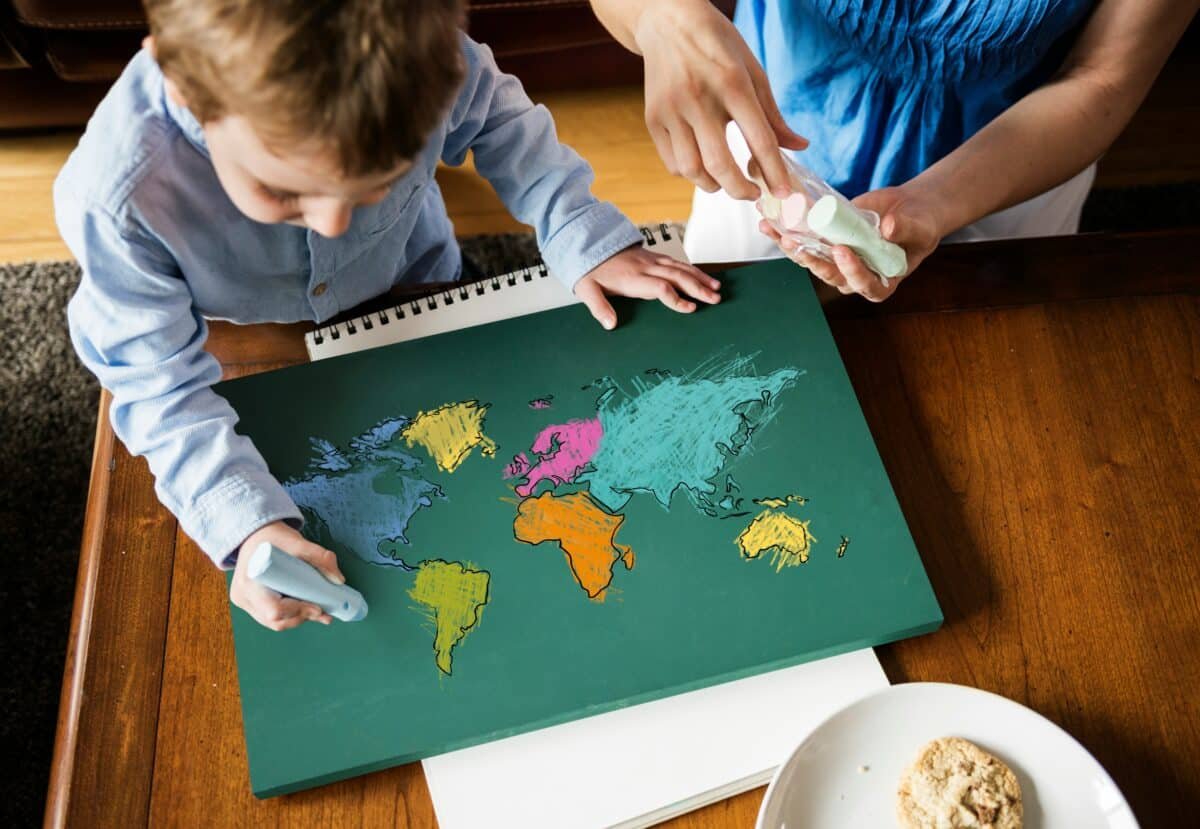
Additionally, physical world maps, especially scratch-off maps or colored maps, are a hit with young learners. These maps often include fun, colorful illustrations of animals, monuments, and other thematic visuals that relate to each region of the world. Kids can also use stickers or markers to identify places they’ve learned about, creating a hands-on, personalized map of their own.

Parents and educators can also encourage storytelling with maps. For example, they can ask kids to imagine they are explorers or adventurers and use the map to “travel” to different countries. This approach helps children engage emotionally with the content, making the world feel like a place full of stories and adventures. In this way, world maps aren’t just educational—they also spark the imagination.

What Are the Key Features of a World Map for Kids?

When selecting a world map for children, there are several key features to look for that will make it both educational and enjoyable. A good world map for kids should be visually appealing while also providing accurate and age-appropriate information.

Bright Colors and Clear Labels: A map that uses bright, contrasting colors can capture a child’s attention while making it easier to differentiate between countries and continents. Large, clear labels for countries, capitals, and landmarks will help children quickly identify key locations.

Simplified Layout: Since kids are still learning basic geography, a world map designed for them should have a simple layout that isn’t too overwhelming. Fewer details and a clean, uncluttered design help kids focus on the essential information, such as country names and major bodies of water.

Interactive Features: As mentioned earlier, interactive maps are a great way to keep children engaged. Maps that allow kids to click on different regions or play games while learning are incredibly effective. Some maps even include pop-up facts about the geography, culture, and wildlife of each area.

Educational Themes: Many world maps for kids include additional educational features, such as pictures of animals native to each region, famous landmarks, or fun facts about different cultures. These themes make the map more engaging and provide context for the geography being learned.

Adaptability: The map should be suitable for a variety of learning levels, from young children just starting to explore the world to older kids who can handle more detailed information. For instance, a map that grows with the child—starting with basic outlines and later expanding to include more intricate details like time zones, geographical features, and political borders—can be a great investment for long-term use.

How Can World Maps Foster Global Awareness in Kids?

One of the most significant benefits of teaching kids about geography through world maps is the opportunity to foster global awareness. By learning about other countries, cultures, and geographical regions, children gain a broader perspective on the world. A world map encourages curiosity about global issues such as climate change, world history, and the importance of cultural diversity.

When children engage with a world map, they are not just memorizing locations—they are developing an understanding of the interconnectedness of countries and continents. They start to see how events in one part of the world can impact other regions, whether it’s through trade, culture, or politics. This understanding can shape their worldview and create more open-minded individuals who appreciate and respect different cultures.

World maps also provide a powerful tool for parents and educators to teach about important global issues. For example, educators can highlight regions affected by natural disasters, discuss the geography of endangered species, or even use maps to track global events. This kind of global learning helps children become informed citizens who understand the world beyond their own borders.

The Power of Music in Connecting Cultures

How Music Bridges Cultural Divides

Music is a universal language, transcending boundaries and uniting people from diverse backgrounds. Its melodies, rhythms, and lyrics have the unique ability to connect individuals, foster understanding, and promote peace. In a world often divided by cultural, political, and social differences, music acts as a powerful bridge, creating common ground where dialogue and harmony flourish.

Throughout history, music has served as a tool for cultural exchange, allowing traditions, values, and stories to travel across borders. By exploring how music bridges cultural divides, we can better understand its profound impact on humanity and its role in shaping a more inclusive world.

How Does Music Foster Connection Across Cultures?

Music creates shared emotional experiences that transcend linguistic and cultural barriers. A melody or rhythm can evoke similar feelings—joy, sadness, excitement—regardless of where a listener is from. This emotional resonance builds a sense of empathy and connection, even among people who may not share a common language.

Take, for instance, the global popularity of Latin music genres like reggaeton and salsa. Artists such as Bad Bunny and Shakira have introduced Spanish-language music to audiences worldwide, demonstrating how compelling rhythms and melodies can unite listeners across cultural divides. Similarly, K-pop, with its vibrant performances and catchy tunes, has captivated fans from all corners of the globe, proving that music can foster cultural curiosity and appreciation.

In live performances, the unifying power of music becomes even more evident. Festivals like Coachella or Glastonbury bring together artists and audiences from different cultural backgrounds, creating spaces where diversity is celebrated through shared musical experiences. These events highlight how music transcends personal and cultural differences, uniting people in collective joy and celebration.

How Does Music Promote Cultural Exchange?

Music acts as a vehicle for cultural storytelling, allowing communities to share their traditions, histories, and values with others. When we listen to traditional or folk music from another culture, we gain insights into their way of life, beliefs, and identity. This exchange fosters mutual respect and understanding, breaking down stereotypes and prejudices.

The rise of Afrobeats has introduced global audiences to African musical traditions. Artists like Burna Boy and Wizkid infuse their tracks with rhythmic patterns and themes rooted in African culture, showcasing its richness and diversity. Through their music, listeners gain a deeper appreciation of Africa’s heritage, inspiring cross-cultural collaboration and dialogue.

Jazz is a prime example of cultural fusion. Originating in African American communities, jazz blended African rhythms with European harmonic structures, creating a genre that appealed to diverse audiences. As jazz spread globally, it adapted to local influences, giving rise to variations such as Latin jazz and Gypsy jazz. This adaptability underscores how music evolves through cultural exchange, creating new forms of expression that reflect our interconnected world.

Can Music Heal Cultural Divides?

In times of conflict and division, music often becomes a tool for reconciliation and healing. Its ability to convey emotions and stories makes it a powerful medium for addressing societal tensions and fostering understanding. Many artists use their platforms to advocate for peace and unity, addressing issues of racism, inequality, and cultural divides.

The genre of hip-hop, for instance, has become a global movement for social justice. Born in the Bronx, New York, hip-hop has grown into a platform for marginalized voices worldwide. Artists like Tupac Shakur and Kendrick Lamar have used their music to shed light on systemic issues, encouraging listeners to reflect on shared struggles and advocate for change. By amplifying stories of resilience and solidarity, hip-hop connects communities and promotes global awareness.

Another example is the role of protest songs in uniting movements across cultures. Tracks like Bob Marley’s “One Love” and John Lennon’s “Imagine” have become anthems of peace, resonating with audiences regardless of cultural background. These songs remind us of our shared humanity, inspiring hope and collective action during challenging times.

Music also plays a crucial role in cultural preservation. For indigenous communities, traditional songs are more than entertainment—they are repositories of knowledge, history, and identity. By sharing these songs with the world, indigenous musicians build bridges of understanding, ensuring their cultures are respected and valued in an increasingly globalized society.

Why Does Music Continue to Unite Us?

The enduring ability of music to bridge cultural divides lies in its universal appeal. Regardless of our differences, music connects us through shared emotions, experiences, and aspirations. It encourages us to celebrate diversity while recognizing the common threads that unite us all.

Modern technology has further amplified music’s reach, making it easier than ever to explore sounds from different cultures. Streaming platforms like Spotify and YouTube allow listeners to discover genres, artists, and traditions from around the globe, fostering curiosity and appreciation for other cultures. This accessibility has created a global musical community, where collaboration and exchange thrive.

As the world becomes increasingly interconnected, the role of music in bridging cultural divides will only grow. By embracing the diversity of musical traditions and recognizing the stories they tell, we can create a more inclusive and harmonious society.

How Biomedical Research Advances Human Health and Innovation

Biomedical research is the cornerstone of innovation in medicine, playing a vital role in improving human health, advancing treatments, and understanding diseases. From groundbreaking drug development to cutting-edge biotechnology, the field explores complex questions that impact millions of lives. By investing in research, scientists push the boundaries of knowledge, providing hope for a healthier future.

Why Biomedical Research Matters

At its core, biomedical research seeks to uncover the mechanisms of diseases, develop effective treatments, and enhance preventive measures. This research bridges the gap between basic science and clinical application, turning laboratory discoveries into real-world solutions.

One area of focus is combating chronic illnesses, such as diabetes, cardiovascular disease, and cancer. Scientists investigate the underlying causes, identify biomarkers, and design targeted therapies to treat these conditions more effectively. These advances are not just about extending life—they’re about improving its quality.

Biomedical research also plays a critical role in addressing global health challenges. For example, during the COVID-19 pandemic, researchers rapidly developed vaccines and treatments that saved millions of lives. This remarkable achievement highlights the importance of collaboration between researchers, pharmaceutical companies, and governments.

How Drug Development Transforms Medicine

Drug development is one of the most impactful outcomes of biomedical research. The process begins with identifying potential compounds, testing their effects in the lab, and advancing promising candidates through clinical trials. While this journey is often lengthy and expensive, the rewards are transformative.

One of the most notable examples is the development of mRNA vaccines. Originally studied as a platform for cancer therapies, mRNA technology became instrumental in creating highly effective COVID-19 vaccines. This breakthrough not only showcased the potential of innovative research but also set the stage for future advancements in treating infectious diseases and even certain cancers.

Personalized medicine has emerged as a game-changer in drug development. By analyzing a patient’s genetic profile, researchers can tailor treatments to individuals, improving outcomes and reducing side effects. This approach is particularly promising in areas like oncology, where targeted therapies are transforming cancer care.

The Role of Biotechnology in Health Innovation

Biotechnology lies at the heart of many biomedical breakthroughs. By leveraging biological systems and processes, scientists can develop cutting-edge solutions that address pressing health challenges. Biotechnology encompasses a wide range of applications, including genetic engineering, regenerative medicine, and diagnostic tools.

For example, CRISPR-Cas9, a revolutionary gene-editing technology, has opened new possibilities for treating genetic disorders. Researchers are now exploring its potential to cure conditions like sickle cell anemia and muscular dystrophy. This level of precision was once unimaginable but is becoming increasingly feasible thanks to advancements in biotechnology.

Another significant contribution of biotechnology is in the field of diagnostics. Early detection of diseases can save lives, and innovations like liquid biopsies and wearable health monitors are making this possible. These tools provide real-time data, enabling healthcare providers to intervene earlier and more effectively.

Challenges and the Future of Biomedical Research

While biomedical research holds immense promise, it is not without challenges. Funding remains a significant barrier, particularly for early-stage research that may not have immediate commercial applications. Additionally, regulatory hurdles and the high cost of clinical trials can slow progress.

Ethical considerations also play a central role in shaping the future of the field. As technologies like gene editing and artificial intelligence become more prevalent, researchers must navigate complex questions about privacy, consent, and the potential misuse of innovations.

Despite these obstacles, the future of biomedical research is bright. Areas like regenerative medicine, which focuses on repairing damaged tissues and organs, hold tremendous potential. Scientists are also making strides in understanding the human microbiome and its impact on health, opening doors to novel treatments for various conditions.

Collaboration will be key to unlocking the full potential of biomedical research. Partnerships between academic institutions, private companies, and governments can accelerate innovation and ensure that breakthroughs reach the people who need them most.

Why Biomedical Research Impacts Everyone

Whether it’s through the development of a life-saving drug or the creation of a diagnostic tool, biomedical research impacts us all. By investing in this critical field, society can address existing health challenges and prepare for future ones. The innovations born from research not only improve individual lives but also contribute to healthier communities and a more sustainable healthcare system.

The continuous pursuit of knowledge in biomedical research ensures that humanity remains resilient in the face of health crises. It is a testament to the power of science and the collective will to build a better future for all.

The Role of the Internet in Natural Disaster Response

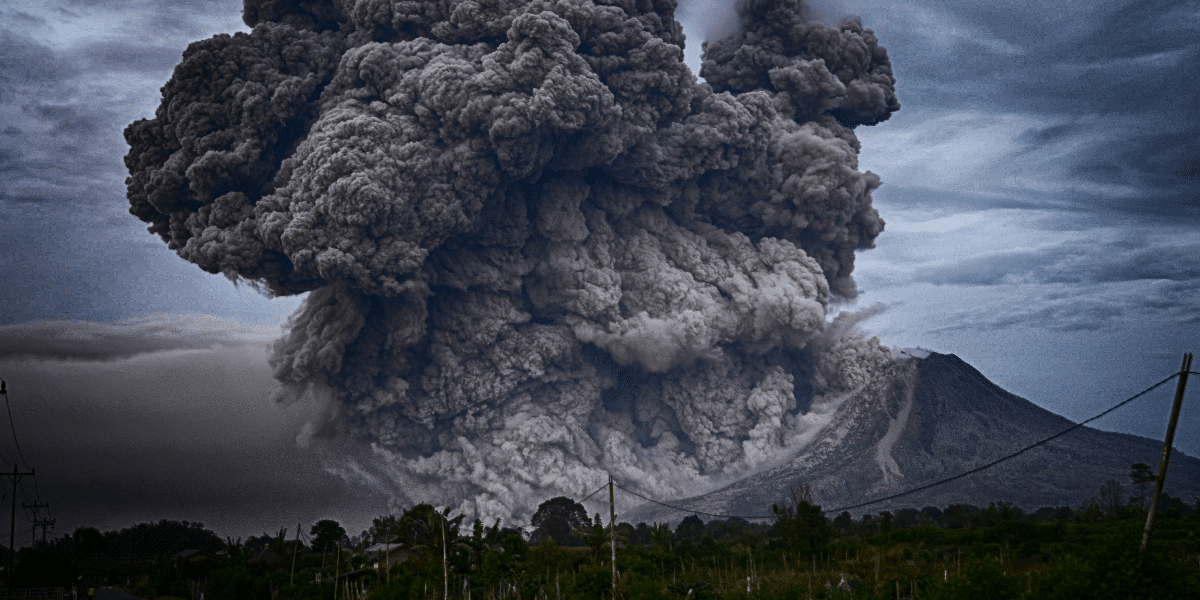
Natural disasters such as wildfires, earthquakes, and tropical storms have a profound impact on communities and the environment. But beyond the immediate physical destruction, these events often lead to a surge in online activity. People turn to the internet to gather information, seek safety tips, or find news updates. In recent years, this surge in online searches has become a notable trend, with search engines flooded with questions about how to stay safe, what areas are affected, and how to help those in need.

Why Do Search Volumes Increase During Wildfires, Earthquakes, and Storms?

Natural disasters evoke strong emotional reactions, and when they occur, people instinctively seek out information that might offer guidance. During wildfires, for example, search terms related to evacuation routes, air quality, and shelter options often spike. In the case of earthquakes, searches for aftershock predictions, safety protocols, and damaged areas tend to rise. The same pattern can be seen with tropical storms, where people search for the storm’s path, emergency kits, and the impacts on their community.

This surge in searches can be attributed to several factors:

Immediate Need for Information: When a disaster strikes, people need immediate guidance on how to protect themselves and their loved ones. Whether it’s understanding the best way to shelter during an earthquake or the latest wildfire containment progress, the internet becomes an urgent resource.

Fear and Uncertainty: The unknown elements of a natural disaster can lead to anxiety. People want to know if they are in danger, what areas are impacted, and when they can expect the disaster to end. This uncertainty often drives up search volumes as individuals attempt to make sense of their circumstances.

Access to Local Updates: As news stations may not always provide real-time information, people turn to search engines to find local updates about evacuation orders, shelters, and road closures. Social media also plays a role in this, further driving search behaviors.

How Does This Surge Impact Search Engines and Online Content?

The spike in searches during environmental disasters influences both search engine algorithms and content creation. Google Trends, for example, reflects a dramatic uptick in certain keywords related to the disaster. This spike often leads to SEO professionals, news outlets, and humanitarian organizations quickly updating their websites to provide the most relevant and up-to-date information.

Search engines often prioritize the most trusted sources during these high-volume periods. News websites, government agencies, and official relief organizations are typically ranked higher due to their credibility and authority. This is crucial, as people are looking for reliable information in times of crisis, and search engines aim to provide the best possible results.

For instance, during a wildfire in California, search terms like “California wildfire evacuation” and “wildfire air quality warnings” can cause local news and emergency response pages to rank higher, while social media platforms may also experience increased traffic related to hashtags such as #wildfire2024 or #earthquakehelp.

How Are People Using the Internet for Assistance During Disasters?

The internet has become a key tool for both practical advice and emotional support during disasters. Beyond simply seeking information about the event itself, people are turning to online resources for various needs:

Disaster Relief: People often search for ways to help those affected by the disaster. Fundraisers, donation links, and calls for volunteers flood social media and websites. This surge in searches highlights the increased interest in community support and humanitarian aid during crises.

Finding Shelters and Safety: During a wildfire, earthquake, or storm, people urgently need to find nearby shelters or safer locations. Websites and apps offering real-time location-based data can help direct individuals to safety.

Medical Assistance and First Aid: In the aftermath of a disaster, there is often a rise in searches related to first aid tips, injury treatment, and medical clinics. In extreme cases, this can also extend to mental health resources as people seek counseling and emotional support following a traumatic event.

Tracking Loved Ones: With the advent of digital communication, many people search for ways to track missing family members or friends during natural disasters. Social media platforms and special apps like Google’s Person Finder have become valuable tools for helping individuals reconnect.

What Are the Implications of These Search Trends for Organizations?

The surge in online searches during environmental disasters offers several insights for both emergency response teams and businesses:

Need for Preparedness: Organizations can leverage these search trends to prepare their digital infrastructure for increased traffic. Websites can be optimized to handle spikes in visitors and ensure that users can access timely information quickly. Moreover, providing resources on disaster preparedness or offering tips on what to do during an emergency can establish an organization as a trusted source in times of crisis.

Timely Content Creation: Content creators, both in the nonprofit and for-profit sectors, can use data from search trends to create relevant articles, blog posts, and social media content. By offering real-time updates or helpful tips, they can position themselves as valuable sources of information during an emergency.

Government and Non-Profit Collaboration: With the increased demand for accurate, timely information, government agencies and nonprofits play a crucial role in filling the knowledge gaps. By collaborating with these agencies, organizations can ensure that their content is accurate and in line with public safety protocols.

What Can Be Done to Improve Online Resources During Disasters?

While there has been significant improvement in online resources available during natural disasters, there are still areas for improvement. Mobile optimization for users who may not have access to desktop devices is essential. In addition, the accuracy and speed of updates can make a big difference during a crisis. Leveraging AI-based technologies to instantly update information, such as real-time evacuation notices or shelter availability, can help reduce confusion and stress for individuals affected by the disaster.

Accessibility should be a priority, ensuring that digital content is available to people with disabilities, including options for visually or hearing-impaired users. Providing information in multiple languages and focusing on inclusivity will ensure that no community is left behind when disaster strikes.

What’s Next for Disaster-Related Online Searches?

As climate change and other environmental factors continue to escalate, the frequency and intensity of natural disasters may increase. This could lead to even more significant surges in online searches. Websites, organizations, and government bodies must continue to innovate to meet these growing needs.

At the same time, artificial intelligence and machine learning technologies are becoming more advanced, making it easier for search engines to provide hyper-relevant, real-time information. Chatbots, automated notifications, and more personalized search results are becoming commonplace, and these tools could play a crucial role in disaster response efforts.

World Sports: Top International Events and Competitions

What Makes Global Sports Events So Captivating?

International sports events captivate audiences by bringing together athletes from all over the world, showcasing unmatched skill, passion, and camaraderie. Events like the Olympic Games and the FIFA World Cup not only highlight athletic excellence but also foster a sense of global unity. These competitions transcend cultural and geographical boundaries, offering moments of inspiration and unforgettable memories.

The Olympic Games, for instance, have stood as a beacon of sportsmanship since their modern inception in 1896. Featuring a vast array of disciplines, the games celebrate diversity and inclusivity. Similarly, the FIFA World Cup, held every four years, captivates billions of fans worldwide with its high-stakes matches and electrifying atmosphere. Both events have become benchmarks for international sporting excellence and cultural exchange.

Beyond these mega-events, smaller-scale competitions like the Rugby World Cup, Cricket World Cup, and Tennis Grand Slams continue to grow in global appeal. These tournaments attract dedicated fans who eagerly follow their favorite teams and athletes, further solidifying sports as a universal language of unity and passion.

How Do International Competitions Shape Global Sports Culture?

World sports competitions have a profound impact on global culture, influencing everything from fashion to technology. Events like the Tour de France and the Formula 1 World Championship introduce cutting-edge equipment, innovative strategies, and groundbreaking trends that often permeate into everyday life. For example, advancements in cycling gear seen in the Tour de France frequently inspire consumer-grade innovations in the fitness and transportation industries.

Additionally, international events serve as platforms for promoting inclusivity and diversity. The Paralympic Games, for example, shine a spotlight on athletes with disabilities, breaking down stereotypes and expanding the definition of athleticism. Similarly, women’s competitions such as the FIFA Women’s World Cup and the Women’s Tennis Association (WTA) Tour have significantly elevated the visibility of female athletes, fostering gender equality in sports.

These events also act as economic powerhouses for host countries. Cities like Tokyo, London, and Rio de Janeiro have leveraged global tournaments to boost tourism, infrastructure development, and local businesses. The cultural exchanges that occur during these events leave lasting legacies, enriching the global sports community and creating opportunities for cross-cultural collaboration.

Why Are Emerging Sports Events Gaining Worldwide Attention?

While traditional events like the Olympics and World Cup dominate headlines, emerging sports competitions are carving out their own space on the global stage. Sports like eSports, skateboarding, and climbing have seen explosive growth in popularity, particularly among younger audiences. Their inclusion in prestigious events such as the Olympics reflects the changing landscape of sports and its appeal to diverse demographics.

eSports, in particular, has grown from niche competitions to multi-million-dollar global tournaments like the League of Legends World Championship and The International (Dota 2). With professional teams, massive sponsorships, and dedicated fanbases, eSports has become a cultural phenomenon, blending traditional athletic competition with digital innovation.

Adventure sports such as Ironman Triathlons, freestyle skiing, and X Games competitions are also attracting international attention. Their high-energy, visually striking nature captivates audiences and introduces new levels of athleticism. The global popularity of these events underscores the appetite for fresh and exciting sporting experiences.

Uniting the World Through Sports

Global sports competitions are far more than mere athletic contests; they represent powerful cultural phenomena that bring people together from all walks of life. These events transcend national boundaries and linguistic barriers, creating a common ground where individuals can celebrate the universal human spirit. Whether it’s cheering for a home team or applauding the skills of an international underdog, these moments foster a shared sense of belonging and mutual respect.

The grandeur of the Olympic Games, for example, epitomizes the unifying power of sports. With athletes from over 200 nations competing under one banner, the Olympics remind the world of our collective humanity, showcasing stories of perseverance, triumph over adversity, and moments of historic significance that echo far beyond the stadiums. Similarly, the rise of eSports has introduced a new dimension of connectivity, where millions of fans across continents engage in virtual arenas, proving that shared passions can unite communities, whether physical or digital.

For fans, international competitions are a chance to immerse themselves in the cultural richness that accompanies these events. From the chants and traditions of stadium crowds to the unique cuisines and celebrations of host nations, sports provide a lens through which people can experience and appreciate global diversity. Whether it’s the rhythmic samba of Brazilian football fans or the meticulously organized fanfare of Japanese baseball supporters, these interactions create bonds that transcend the game itself.

On a broader level, these competitions inspire hope and drive progress. They spotlight stories of athletes breaking barriers—whether gender, racial, or socioeconomic—reminding us of the potential for growth and change. Events like the FIFA Women’s World Cup or the Paralympic Games highlight milestones in equality and representation, motivating future generations to pursue their dreams regardless of challenges.

As sports continue to evolve and adapt to modern times, their role as unifiers remains steadfast. With each new competition, these events contribute to a shared global identity, proving that amidst our differences, we can all rally behind the values of teamwork, dedication, and respect. The lasting impact of global sports is not just in the medals won or records broken but in the connections forged and the inspiration ignited across the world.

How Gamification Enhances Learning Experiences

Learning has undergone significant transformations in recent years, with educators and trainers exploring innovative ways to engage learners effectively. Among these methods, gamification has emerged as a powerful tool to enhance learning experiences. By integrating game-like elements into educational settings, gamification transforms traditional instruction into dynamic, interactive journeys. It engages learners on a deeper level, making the process of acquiring knowledge more enjoyable, motivating, and impactful.

What Makes Gamification Effective in Learning?

Gamification taps into the natural human inclination for achievement, competition, and play. By incorporating elements such as rewards, progress tracking, and challenges, it fosters motivation and engagement. Learners often feel a sense of accomplishment when they unlock levels, earn badges, or climb leaderboards, reinforcing their commitment to the learning process.

Research highlights that active participation leads to better retention of information. When learners are engaged in gamified tasks, they are more likely to absorb and apply new concepts. For example, instead of passively reading about mathematical equations, a student might solve interactive puzzles that simulate real-world problems. This hands-on approach bridges the gap between theory and application, making learning more meaningful.

Gamification encourages persistence. Failure in a game-like setting is often perceived as an opportunity to try again rather than a dead end. This resilience translates into a growth mindset, which is critical for success in academic and professional environments.

How Does Gamification Cater to Diverse Learning Styles?

One of gamification’s greatest strengths is its ability to accommodate a wide range of learning styles. Visual learners, for instance, benefit from vibrant graphics and animations that illustrate complex concepts. Kinesthetic learners thrive in interactive environments where they can manipulate objects or experiment with scenarios. Meanwhile, auditory learners may engage with narrations, sound effects, or musical cues integrated into the gamified experience.

Take language learning apps as an example. Platforms like Duolingo use gamified techniques, such as streaks and point systems, to motivate users to practice daily. The app provides visual cues, interactive exercises, and spoken dialogues, ensuring that learners with varied preferences find the experience enjoyable and effective.

Additionally, gamification introduces personalization. Learners can often customize their avatars, set individual goals, or progress at their own pace. This flexibility ensures that each participant feels in control of their journey, fostering a sense of ownership and autonomy.

How Does Gamification Impact Classroom Dynamics?

In classrooms, gamification has the potential to transform the traditional teacher-student dynamic. Rather than acting solely as authority figures, educators become facilitators of a shared quest for knowledge. Collaborative challenges, team-based activities, and group competitions foster camaraderie among students, encouraging peer learning and cooperation.

Consider a classroom scenario where students work together to solve a mystery using clues hidden in their course material. Such activities not only reinforce subject knowledge but also build soft skills like communication, teamwork, and problem-solving. Friendly competition sparks motivation, while collective goals promote inclusivity and shared success.

Gamification can also level the playing field for students with varying abilities. While traditional assessment methods often highlight disparities, gamified tasks provide multiple paths to success. A student who struggles with written tests might excel in interactive simulations or creative storytelling challenges, boosting their confidence and enthusiasm for learning.

What Are the Challenges and Solutions in Implementing Gamification?

Despite its benefits, implementing gamification effectively requires careful planning. One challenge lies in striking a balance between entertainment and education. If the gamified elements overshadow the learning objectives, students may focus solely on achieving rewards without grasping the core concepts.

To address this, educators and instructional designers must ensure that gamified activities align closely with learning goals. For instance, a history teacher designing a trivia game must frame questions that encourage critical thinking and contextual understanding, rather than rote memorization.

Another challenge is accessibility. Not all learners have equal access to devices, internet connectivity, or software required for gamified learning. To mitigate this, educators can adopt low-tech gamification strategies, such as point systems, role-playing scenarios, or card-based games, ensuring inclusivity.

Gamification demands ongoing monitoring and adaptation. What works for one group of learners may not resonate with another. Educators must remain flexible, gathering feedback and iterating on their designs to maintain relevance and effectiveness.

Why Is Gamification the Future of Learning?

As the world becomes increasingly digital, traditional learning methods are giving way to more interactive, student-centered approaches. Gamification sits at the heart of this transformation, offering a bridge between engagement and education. Its ability to motivate learners, cater to diverse preferences, and foster collaboration makes it an indispensable tool for educators and trainers alike.

Beyond the classroom, gamification is revolutionizing professional training and lifelong learning. Corporate onboarding programs now use gamified simulations to familiarize new employees with company policies. Healthcare professionals practice surgical techniques through virtual reality games, while environmental organizations gamify conservation efforts to raise awareness and inspire action.

The future of gamification lies in its adaptability. As technology evolves, so too will the possibilities for creating immersive, impactful learning experiences. By embracing this approach, educators can ensure that learning remains not only relevant but also exciting and inspiring for generations to come.

How Local Getaways Can Revitalize Your Weekend

A weekend getaway is more than just a brief escape—it’s an opportunity to recharge, explore, and find balance amid a hectic schedule. While exotic trips and far-flung destinations often capture the imagination, local attractions can offer a surprisingly fulfilling experience. These closer-to-home options are not only convenient but can also uncover hidden gems that are often overlooked.

What Makes Local Attractions Ideal for Weekend Escapes?

Local attractions bring unique advantages to the table when planning a weekend getaway. The convenience factor is undeniable—without the need for long flights or extensive planning, you can maximize your relaxation time. Shorter travel distances also mean less stress, allowing you to begin unwinding the moment you leave home.

Exploring nearby attractions often reveals cultural and natural wonders that go unnoticed in daily routines. A scenic park, historic landmark, or bustling farmer’s market can provide the perfect backdrop for a rejuvenating experience. Choosing local destinations also supports nearby businesses, which can foster a sense of connection to your community.

Local trips are budget-friendly. With lower transportation costs, you can focus your resources on indulging in premium accommodations, dining, or activities that enhance the overall experience. This affordability allows for more frequent escapes, making it easier to integrate weekend getaways into your lifestyle.

Do Local Getaways Offer the Variety Needed to Rejuvenate?

The misconception that local attractions lack excitement or variety often deters people from exploring their own regions. However, local destinations can cater to diverse interests, offering options for adventure, relaxation, or cultural enrichment.

For nature lovers, nearby hiking trails, lakes, or botanical gardens provide an opportunity to disconnect from technology and reconnect with the outdoors. The calming effect of nature has been shown to reduce stress and enhance overall well-being, making it a perfect choice for those seeking tranquility.

If your interests lean toward cultural experiences, local museums, art galleries, or live performances can provide an enriching escape. These experiences often reveal the history and creative pulse of your area, adding depth to your weekend.

For thrill-seekers, outdoor adventures such as zip-lining, kayaking, or biking can bring a rush of excitement to your getaway. Many local attractions offer activities that rival those of distant destinations, proving that proximity doesn’t equate to predictability.

Even food enthusiasts can find joy in nearby culinary tours, winery visits, or tasting experiences. Discovering the local flavor not only tantalizes the taste buds but also provides insight into the traditions and specialties of your region.

Can Local Attractions Truly Offer a Refresh?

The essence of a successful weekend getaway lies in its ability to break monotony and refresh the mind. Local attractions can fulfill this purpose by offering new perspectives on familiar surroundings. Exploring your area with a sense of curiosity and adventure can transform the ordinary into something extraordinary.

The change of pace and environment—whether it’s a serene beach, bustling city, or quaint countryside—creates the mental reset often associated with travel. By stepping away from daily responsibilities, even if only for a short time, you can gain clarity, reduce stress, and return to your routine with renewed energy.

Shorter trips allow you to maintain balance. Instead of feeling the pressure to pack too much into limited time, local getaways encourage relaxation and mindfulness. There’s freedom to enjoy moments without rushing, making the experience more fulfilling.

How to Make the Most of a Local Weekend Getaway

Planning ahead is key to maximizing the benefits of a local getaway. Start by identifying your goals—whether it’s relaxation, adventure, or exploring something new. Research your region’s attractions and choose destinations that align with your interests.

Creating an itinerary can help streamline the experience while leaving room for spontaneity. A balance between structured activities and downtime ensures that your weekend feels both productive and refreshing. For example, schedule a morning hike followed by a leisurely afternoon at a cozy café or spa.

Traveling light is another advantage of staying local. With shorter trips, there’s no need to overpack, allowing for a hassle-free experience. Bring only the essentials so you can focus on enjoying your time away.

Approach the getaway with an open mind. Even familiar places can offer surprises when explored with fresh eyes. Treat your weekend as an opportunity to rediscover your surroundings, connect with loved ones, and indulge in simple pleasures.

Local attractions have the power to create meaningful and rejuvenating experiences, proving that great adventures don’t always require great distances. Whether it’s discovering a hidden gem, embracing nature, or savoring local culture, a nearby destination can provide the refresh you need to face the week ahead with renewed enthusiasm.

How Space Medicine is Transforming Astronaut Health

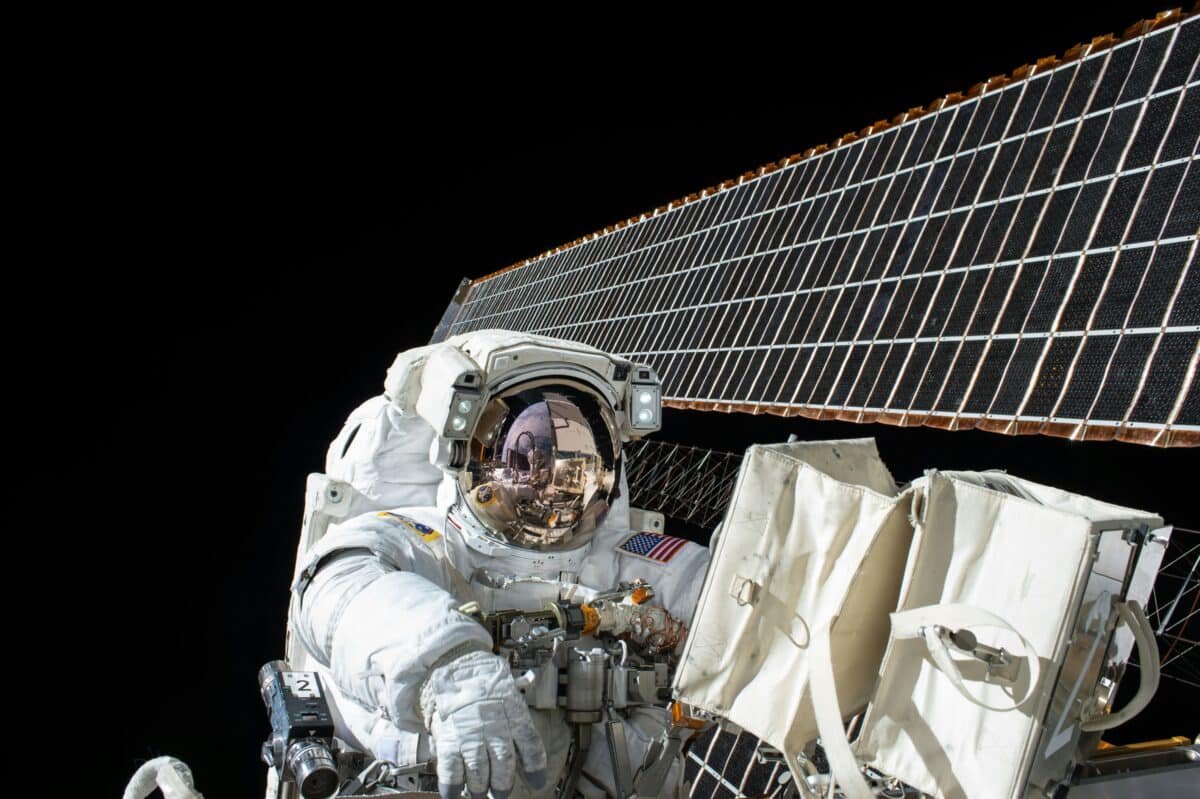
Space medicine has become a crucial area of study as human space exploration extends further into deep space and long-term missions. The health challenges astronauts face in space require innovative solutions, as the conditions of microgravity, radiation, and confinement present unique and complex issues. Addressing these concerns not only supports the safety and well-being of astronauts, but also provides valuable insights into how the human body responds to extreme environments.

The Unique Health Challenges of Space Travel

Space travel introduces several health challenges that terrestrial medicine cannot adequately address. In a microgravity environment, bones and muscles experience a significant reduction in mass and strength, as they are no longer required to support the body against gravity. This leads to musculoskeletal atrophy and bone density loss, conditions that could severely impact astronauts’ health during extended missions.

Another significant concern is the cardiovascular system. Microgravity affects the way blood circulates through the body. In the absence of gravity, fluids in the body shift toward the upper body and head, leading to facial puffiness and increased intracranial pressure. This change can cause discomfort and, in some cases, more serious complications, such as vision problems. The heart itself also undergoes changes in space, potentially leading to deconditioning and reduced efficiency.

Radiation exposure is another major concern. Astronauts are exposed to higher levels of cosmic radiation while in space, which can damage cells and increase the risk of cancer. Space medicine researchers are actively working to develop effective radiation shielding, but the current technology still leaves astronauts vulnerable to this ongoing threat.

Addressing Health Challenges Through Research and Technology

Researchers in space medicine focus on developing countermeasures to mitigate the effects of these challenges. To combat musculoskeletal atrophy, astronauts engage in daily exercise regimens using specialized equipment designed for the weightless environment. These exercises help maintain muscle strength and bone density during long missions. Resistance training and cardiovascular workouts are essential for keeping the muscles and bones in good condition while in space.

Innovations in cardiovascular care also play a key role in maintaining astronauts’ health. Monitoring tools allow real-time tracking of heart health, helping to detect any irregularities. Telemedicine has also become an essential tool, enabling doctors on Earth to consult with astronauts and adjust medical treatments if necessary. Advances in wearable technology that measure blood pressure, heart rate, and other vital signs are also improving the ability to detect potential issues before they become critical.

Radiation protection remains one of the most difficult challenges in space medicine. Current spacecraft are equipped with basic shielding, but long-term missions, such as those aimed at Mars, require more advanced solutions. Pharmaceuticals that protect cells from radiation damage are being studied, but no definitive solution has yet been found. In the meantime, mission planners are researching ways to optimize the amount of time astronauts spend outside of spacecraft and habitats to limit radiation exposure.

Psychological and Social Factors of Long-Term Space Missions

Health issues in space are not just physical. Psychological challenges can be just as significant for astronauts who spend extended periods isolated in small, confined spaces. The psychological strain of isolation, separation from loved ones, and limited social interaction can lead to mental health concerns, including depression, anxiety, and stress. Research into space psychology aims to develop strategies to help astronauts cope with the pressures of long-term space travel.

One method of alleviating psychological stress is the integration of social support systems. Video calls, digital communication tools, and even virtual reality (VR) can help astronauts stay connected with their families and Earth-based teams. These technologies allow them to maintain personal relationships and receive emotional support, which is crucial for mental well-being.

Another important aspect is crew cohesion. Crew members need to work together as a team under challenging conditions. Conflict resolution strategies and training in social dynamics are critical components of astronaut preparation. Effective teamwork can significantly improve the psychological experience of space travel, contributing to a healthier and more productive crew.

The Future of Space Medicine

As human space exploration moves toward missions to Mars and beyond, space medicine will play an even more critical role. The challenges faced by astronauts will only become more complex, and the need for innovative medical solutions will grow. Artificial intelligence (AI) and machine learning are expected to revolutionize space health monitoring, providing even more precise insights into astronauts’ health. AI could help predict and prevent health issues based on real-time data, and assist with the development of personalized medical countermeasures.

Researchers are also focusing on biotechnology to improve the health of astronauts during long-duration missions. This includes genetic modifications and other interventions that could make the human body more resilient to the harsh conditions of space. While such advancements are still in the early stages, they hold the promise of transforming space medicine.

The continuous study of space medicine also has implications beyond space travel. Many of the medical technologies and countermeasures developed for astronauts are finding applications on Earth. For example, exercise regimens and cardiovascular treatments originally designed for astronauts are now being adapted for people with musculoskeletal disorders or cardiovascular diseases. This cross-pollination of knowledge highlights the broader benefits of space medicine research, making it relevant not only for astronauts but for humanity at large.