
Active Weekly

Keep Moving Forward

Keep Moving Forward

Keep Moving Forward

Why Chicago Should Be Your Next Destination


Chicago, often called the Windy City, is a vibrant metropolis bursting with culture, history, and entertainment. Known for its iconic skyline and rich cultural diversity, it’s a destination that offers something for everyone. Whether you’re a first-time visitor or a long-time resident, exploring the city’s attractions and activities is always an adventure.

What Are Chicago’s Must-Visit Landmarks?

When it comes to landmarks, Chicago doesn’t disappoint. The Willis Tower (formerly Sears Tower) stands tall as one of the most recognizable structures in the world. Visitors can take in breathtaking views of the city from its Skydeck, where the glass-floored Ledge offers a unique perspective.

Another must-visit is Millennium Park, home to the famous Cloud Gate sculpture, affectionately nicknamed “The Bean.” This reflective art piece has become a symbol of the city, offering endless photo opportunities. Nearby, the Crown Fountain and Jay Pritzker Pavilion add to the park’s allure, making it a hub for public art and live performances.

For history enthusiasts, the Art Institute of Chicago is a treasure trove of masterpieces, including works by Van Gogh, Monet, and Picasso. Its stunning collection spans centuries and offers a glimpse into the evolution of art across cultures.

A trip to Chicago isn’t complete without a stroll along Navy Pier. This waterfront attraction combines family-friendly fun with scenic views of Lake Michigan. From the Centennial Wheel to the seasonal events, Navy Pier captures the spirit of the city in every corner.

What Activities Capture the Spirit of Chicago?

Beyond its landmarks, Chicago is a city that thrives on vibrant activities. Food lovers can indulge in the city’s famous deep-dish pizza, with institutions like Lou Malnati’s and Giordano’s serving up slices of cheesy perfection. Don’t forget to explore the neighborhoods, where you’ll find culinary gems representing diverse cuisines from around the world.

For sports enthusiasts, catching a game at Wrigley Field is a rite of passage. Home to the Chicago Cubs, this historic stadium offers an electric atmosphere and a deep connection to the city’s identity. If basketball or hockey is more your style, head to the United Center, where the Chicago Bulls and Blackhawks bring fans together.

Outdoor lovers can immerse themselves in the beauty of Lakefront Trail, a scenic path that stretches for miles along Lake Michigan. Whether biking, jogging, or simply taking a leisurely walk, the trail offers stunning views of the water and skyline.

For a unique cultural experience, visit Chicago’s many neighborhoods, each with its own charm and personality. From the historic architecture of Hyde Park to the vibrant nightlife of Wicker Park, exploring these areas reveals the diverse tapestry of the city.

Why Is Chicago’s Art and Music Scene Unmatched?

Chicago is a city that thrives on creativity, with its art and music scene playing a pivotal role in its identity. Jazz and blues enthusiasts flock to clubs like the Green Mill Cocktail Lounge, a legendary venue that has hosted some of the greatest names in music. The city’s contribution to these genres is undeniable, and the live performances continue to captivate audiences.

Theater lovers will find plenty to enjoy, from Broadway-caliber productions at the Chicago Theatre to experimental performances at smaller venues like Steppenwolf Theatre Company. Chicago’s theater scene is as dynamic as the city itself, offering something for every taste.

Public art is another highlight of the city. In addition to Millennium Park, murals and installations can be found throughout the neighborhoods, showcasing the talent of local and international artists. The city’s dedication to art extends to its many galleries and events, such as the annual Chicago Architecture Biennial, which celebrates innovation in design and urban planning.

What Makes Chicago an Unforgettable Destination?

Chicago’s unique blend of history, culture, and innovation makes it a city unlike any other. Its architecture tells a story of resilience and creativity, from the rebuilding efforts after the Great Chicago Fire to the modern masterpieces that define its skyline.

The city’s festivals and events are another reason to visit. The Taste of Chicago food festival celebrates the city’s culinary diversity, while Lollapalooza draws music fans from around the world. Seasonal events like the Christkindlmarket bring a festive charm to the city during the winter months.

Perhaps the most unforgettable aspect of Chicago is its people. Warm, friendly, and proud of their city, Chicagoans embody the spirit of hospitality that makes every visit memorable. Whether sharing tips on where to find the best food or offering a smile on the street, their enthusiasm is contagious.
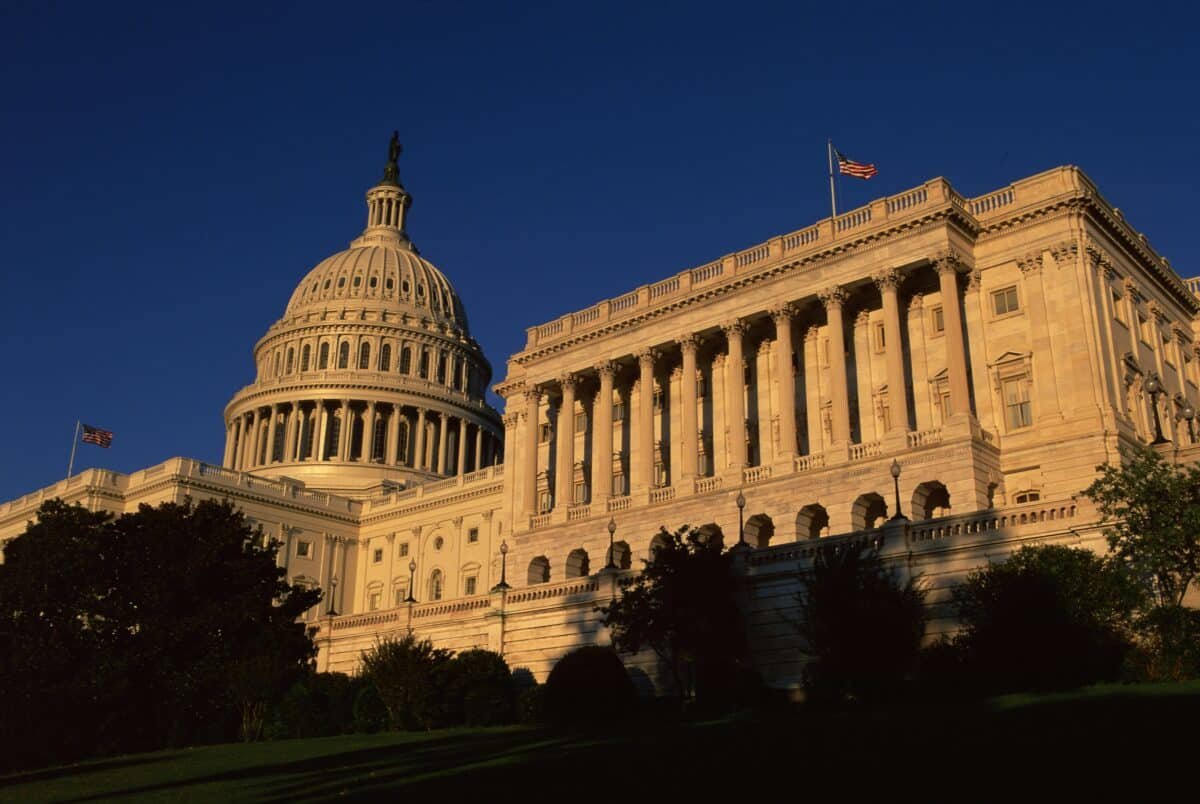

The Impact of U.S. Historical Events on Current Issues

Understanding U.S. History: How Key Events Shape Today’s Societal Issues

U.S. history is a mosaic of key events and movements that have profoundly shaped the nation’s identity, values, and policies. From the founding of the country to its struggles with civil rights, wars, and economic shifts, these pivotal moments continue to echo through today’s societal issues. Understanding this history is essential to addressing current challenges, as many contemporary debates—on race, equality, foreign policy, and economics—are rooted in past events. This article examines how historical events in U.S. history continue to influence and inform modern-day issues.

How Did the Civil War Shape America’s Race Relations?

The Civil War (1861–1865) remains one of the most transformative events in U.S. history, especially in shaping the country’s approach to race relations. While the war was fought primarily over slavery, its impact was far-reaching, creating a legacy of racial tensions that persists today.

A Nation Divided

The Civil War arose out of the debate over slavery, an institution that primarily affected African Americans in the Southern states. The conflict led to the Emancipation Proclamation in 1863, which declared that all enslaved people in Confederate states were free. However, the war’s end did not immediately erase the deep-seated racial divides in the country. The 13th, 14th, and 15th Amendments (1865-1870), which aimed to grant citizenship and voting rights to former slaves, were met with significant resistance in many parts of the country, especially in the South.

Continuing Legacy: The Civil Rights Struggle

The legacy of the Civil War and its aftermath can still be seen in systemic racism and racial inequality that persist today. The post-war period, known as Reconstruction, was supposed to usher in equality for African Americans, but the rise of Jim Crow laws in the late 19th century entrenched racial segregation, which was not fully dismantled until the Civil Rights Movement of the 1960s. The movement, spearheaded by leaders like Martin Luther King Jr., was a direct response to the country’s ongoing struggles with racism and unequal treatment.

In contemporary America, debates surrounding police brutality, voter suppression, and the Black Lives Matter movement highlight the ongoing impact of these historical divisions. The struggles for racial justice and equality in the U.S. continue to be shaped by the unresolved issues from the Civil War era.

How Did the Great Depression Influence Social Welfare Policies?

The Great Depression (1929–1939) marked a turning point in U.S. history, not only in terms of the economy but also in the evolution of the government’s role in ensuring the well-being of its citizens. The economic collapse led to widespread unemployment, poverty, and suffering, forcing the U.S. government to rethink its approach to social welfare.

The New Deal: A Turning Point in Government Intervention

In response to the Depression, President Franklin D. Roosevelt introduced the New Deal, a series of programs aimed at providing relief, recovery, and reform. The Social Security Act of 1935 was one of the most significant pieces of legislation, establishing a system of retirement benefits for the elderly, unemployment insurance, and assistance for the disabled. The creation of institutions like the Federal Deposit Insurance Corporation (FDIC) and the Securities and Exchange Commission (SEC) helped stabilize the financial system.

Modern Social Welfare Systems

The policies of the New Deal laid the foundation for the modern social safety net in the United States, which includes Medicare, Medicaid, and other programs that provide financial support to vulnerable populations. Debates over these programs continue to shape U.S. politics today. For example, discussions surrounding Universal Healthcare and universal basic income often reference the lessons learned from the Depression and the lasting effects of the New Deal on government responsibility in managing the economy and caring for its citizens.

The ongoing debate about wealth inequality and access to healthcare highlights the tension between government intervention and free-market capitalism, a theme that can be traced directly back to the Great Depression and Roosevelt’s policies.

How Did World War II Influence America’s Role in Global Politics?

World War II (1939–1945) had a profound impact on the United States’ position in the world, transforming it from a relatively isolated nation into a global superpower. The aftermath of the war reshaped international relations and cemented America’s role as a dominant force in world politics.

The Rise of U.S. Global Power

During and after World War II, the United States emerged as one of the two dominant superpowers, alongside the Soviet Union. This era marked the beginning of the Cold War, a period of geopolitical tension between the capitalist West, led by the U.S., and the communist East, led by the Soviet Union. The Marshall Plan, which provided economic aid to Western European countries to rebuild after the war, was one of the first steps in establishing the U.S.’s leadership in the post-war world.

Modern Global Influence and Military Involvement

The U.S. has continued to wield significant influence in international politics, from its role in NATO to its involvement in military interventions across the globe. The ongoing conflict in the Middle East, as well as debates about U.S. involvement in global conflicts, can be traced back to the ideological struggles and power dynamics that arose after World War II. Furthermore, the expansion of global trade and the promotion of democratic values by the U.S. has shaped many modern diplomatic relationships.

Today, issues like foreign policy, military spending, and human rights continue to be heavily influenced by the aftermath of World War II, making it one of the most enduring and impactful events in shaping contemporary American society.

How Did the Women’s Rights Movement Influence Modern Gender Equality?

The Women’s Rights Movement in the U.S. has had a profound impact on gender equality, both in terms of legal rights and societal expectations. Beginning in earnest with the Seneca Falls Convention of 1848 and culminating in landmark events in the 20th century, the struggle for women’s equality has been a central theme in American history.

From Suffrage to Equal Rights

The 19th Amendment, ratified in 1920, granted women the right to vote, a monumental achievement for the women’s suffrage movement. However, the battle for gender equality didn’t end there. The 1960s and 1970s saw the rise of the second-wave feminism movement, which pushed for legal rights in areas like employment, reproductive rights, and education.

Contemporary Gender Equality Issues

Today, the fight for gender equality continues, with issues such as the gender pay gap, reproductive rights, and sexual harassment at the forefront of political discourse. The #MeToo movement and the fight for equal pay are modern reflections of the historical struggle for women’s rights. Understanding the history of the women’s suffrage movement and later feminist waves is key to understanding the progress and ongoing challenges in achieving gender equality.

The Legacy of U.S. History in Addressing Modern Issues

The events of U.S. history continue to shape the country’s political landscape, with their impact being felt in racial justice, economic policies, foreign relations, and gender equality. By understanding the historical roots of these societal issues, we can better navigate the challenges of today and work toward a more just and equitable future.

Balancing Resource Use and Sustainability in the U.S.

The United States boasts an abundant array of natural resources that are crucial to its economy, energy production, and daily life. From fossil fuels and renewable energy to fresh water and valuable minerals, the country’s natural wealth is integral to its growth and prosperity. However, the management and sustainability of these resources remain pressing issues that require careful attention and innovative solutions.

How Does the USA’s Energy Landscape Shape Its Future?

The U.S. energy sector is diverse and continuously evolving. The country is a global leader in oil production, and the discovery of vast shale reserves has made it one of the top producers worldwide. This energy abundance allows the U.S. to reduce its dependence on foreign oil, providing greater energy security. However, the environmental impact of fossil fuels, particularly coal, remains a point of contention, driving a push toward renewable energy sources.

Wind and solar energy are two of the fastest-growing sectors in the U.S. as more states invest in clean energy. These resources are seen as crucial for reducing greenhouse gas emissions and combating climate change. States like Texas, California, and Iowa are leading the charge in harnessing wind power, while the deserts of the Southwest are home to some of the largest solar farms in the world. As technology advances and costs decline, renewable energy is expected to become an even larger part of the U.S. energy mix.

Nuclear energy also plays a significant role in the U.S. energy infrastructure, providing a low-carbon alternative to fossil fuels. While public opinion remains divided over safety concerns, nuclear energy continues to be an essential part of the conversation as the country strives to meet its energy needs while addressing environmental challenges.

Why Is Water So Vital to the U.S. Economy and Environment?

Water is another essential natural resource that the U.S. cannot afford to overlook. With its vast river systems, lakes, and aquifers, the country has historically been blessed with plentiful water supplies. However, water scarcity is becoming an increasing concern in many regions, particularly in the West and Southwest, where droughts and overuse have stressed water systems.

Agriculture is one of the largest consumers of water in the U.S., and as the demand for food increases, the pressure on water supplies intensifies. Innovations in irrigation and water conservation are helping farmers use water more efficiently, but the challenges of balancing water usage with growing demand are far from solved.

Urban areas also face water supply challenges, as aging infrastructure and population growth put additional pressure on freshwater systems. Cities across the U.S. are turning to alternative solutions, such as desalination plants and water recycling, to ensure a reliable water supply. These technologies are still in the early stages of development but hold promise for regions that are struggling with droughts and water shortages.

What Are the USA’s Most Valuable Minerals and How Are They Used?

Minerals are a fundamental part of the U.S. economy, supporting industries ranging from construction to technology. The U.S. is rich in a variety of minerals, with some of the most valuable being copper, gold, silver, and rare earth elements. These materials are crucial in the manufacturing of electronics, infrastructure, and renewable energy technologies.

Copper, for instance, is widely used in electrical wiring and renewable energy systems, including wind turbines and solar panels. The demand for copper is expected to grow as the world transitions to cleaner energy solutions. Gold remains a store of value and is essential in electronics and medicine. While the U.S. has vast gold reserves, the country relies on imports for much of its supply, with countries like China and Russia becoming dominant players in global gold markets.

Rare earth elements are a group of minerals that are critical for the production of high-tech devices such as smartphones, electric vehicles, and military equipment. Although the U.S. has some domestic reserves of these minerals, it is heavily dependent on imports, particularly from China, which controls a significant portion of the global supply. As demand for these minerals rises, there is growing interest in developing domestic sources and alternative supply chains.

The extraction of minerals also presents environmental and social challenges. Mining operations can lead to habitat destruction, water contamination, and the displacement of communities. Balancing the economic benefits of mining with its environmental costs remains a contentious issue, requiring ongoing innovation in sustainable mining practices and stronger regulatory oversight.

How Can the U.S. Balance Resource Use with Sustainability?

While the U.S. is rich in natural resources, managing these resources sustainably is essential for long-term prosperity. As the population grows and consumption increases, the pressure on these resources will only intensify. The key challenge for the country will be to balance economic growth with environmental protection.

One promising approach is the concept of a circular economy, where materials are reused, recycled, and repurposed to minimize waste and reduce the need for raw materials. In the case of energy, this could mean greater investments in energy efficiency and the development of smart grids that optimize energy distribution and reduce consumption.

For water, innovations in water purification, reuse systems, and sustainable farming practices can help ensure that this vital resource remains available for future generations. As for minerals, the U.S. is increasingly focused on recycling and reusing critical materials to reduce reliance on mining and imports.

The role of government policy in shaping resource management cannot be overstated. As the U.S. addresses the dual challenges of resource depletion and environmental degradation, it will need strong regulations, investment in research and development, and public-private partnerships to support sustainable practices.

Understanding US Education: Policies and Systems Explained

What Defines the Structure of the US Education System?

The United States education system is unique in its decentralized approach, where responsibility primarily lies with state and local governments. This structure allows for significant variability in education policies, curricula, and funding across the country. Public schools, which serve the majority of students, are primarily funded through local property taxes, leading to disparities in resources based on geographic regions.

The system is divided into three main levels: elementary, middle, and high school, followed by optional higher education. Each level builds foundational skills, preparing students for the next stage. The emphasis on standardized testing, particularly in public schools, has been a defining feature, used to measure academic achievement and allocate funding. However, debates about the effectiveness of these tests and their impact on teaching methods continue to shape policy discussions.

The United States also boasts a diverse range of private schools and homeschooling options, offering families alternatives to public education. This variety reflects the country’s emphasis on choice and flexibility in learning, though access to quality education remains a challenge in underserved communities.

How Do US Education Policies Address Current Challenges?

Education policies in the US are designed to tackle a wide array of challenges, from ensuring equitable access to addressing the changing needs of the workforce. Programs like Title I funding aim to bridge resource gaps in low-income schools, providing additional support for students who are at a disadvantage. Similarly, the Individuals with Disabilities Education Act (IDEA) ensures that students with disabilities receive tailored instruction and necessary accommodations.

Another pressing issue is the cost of higher education. Federal initiatives, such as Pell Grants and subsidized loans, aim to make college more accessible, but rising tuition fees and student debt remain significant concerns. Policymakers are exploring alternatives, including tuition-free community college proposals and income-driven repayment plans for student loans, to alleviate these burdens.

The COVID-19 pandemic also brought new challenges to light, including the digital divide. Efforts to expand broadband access and integrate technology into classrooms are now central to education policy, ensuring students can succeed in an increasingly digital world. Additionally, mental health initiatives in schools are gaining traction as the nation grapples with the emotional and psychological toll of recent events on students and educators.

Why Is US Education a Constant Topic of Reform?

The US education system is frequently a subject of reform because it must adapt to the evolving needs of society. Economic changes, technological advancements, and shifting demographics require the system to continuously innovate. For instance, the growing demand for STEM (science, technology, engineering, and math) professionals has led to an increased emphasis on STEM education in schools, supported by grants and partnerships with industries.

Equity remains a cornerstone of reform efforts. Persistent achievement gaps between students of different racial, socioeconomic, and geographic backgrounds have prompted calls for systemic changes. School choice programs, including charter schools and voucher systems, are part of the ongoing debate on how to provide quality education to all students. While these programs offer alternatives, critics argue they can drain resources from traditional public schools.

Global competition is another driving force behind education reform. As the US strives to maintain its leadership in innovation and economic growth, the need to produce a highly skilled workforce becomes more pressing. Policies that encourage bilingual education, critical thinking, and collaboration are being prioritized to prepare students for an interconnected world.

The Evolving Landscape of US Education

The US education system is a reflection of the country’s diversity and complexity, constantly adapting to meet the needs of its people. From addressing inequities to integrating new technologies, the system faces challenges that require thoughtful and collaborative solutions. By balancing tradition with innovation, policymakers, educators, and communities are shaping a future where education remains a cornerstone of opportunity and growth.

As discussions about funding, curriculum, and accessibility continue, it’s clear that the US education system will remain a dynamic and vital part of the nation’s progress. Whether focusing on early childhood programs or reimagining higher education, the goal is to equip all students with the skills they need to thrive in a rapidly changing world.

Space Exploration and AI: The Future of U.S. Technology

In recent years, U.S. science and technology have been at the forefront of a revolution. From space exploration to groundbreaking advancements in artificial intelligence and sustainable energy, the United States continues to lead the way in technological progress. With a surge in private sector involvement, government initiatives, and international collaboration, the world is witnessing a renaissance in scientific innovation. But what is driving this growth, and how are these developments shaping our future?

What is Driving the Growth of U.S. Science and Technology?

The technological boom in the United States is driven by several key factors. First, there’s a strong emphasis on research and development (R&D), which continues to receive significant funding from both the government and private sector. Institutions like NASA, the Department of Energy, and universities across the country play a pivotal role in advancing cutting-edge research.

Government policies are also playing a crucial role in fostering technological innovation. The U.S. government has prioritized funding for areas like space exploration, renewable energy, and artificial intelligence (AI). These efforts are designed to maintain the U.S.’s competitive edge in an increasingly interconnected world. For example, NASA’s Artemis Program, which aims to return astronauts to the Moon and eventually send humans to Mars, is a centerpiece of U.S. space exploration.

The private sector is significantly driving innovation, with tech giants such as SpaceX, Tesla, and Google pushing the boundaries of what’s possible in space, electric vehicles, and quantum computing. These companies are accelerating progress by taking risks and developing technologies that were once considered futuristic.

How Is Space Exploration Advancing U.S. Technological Progress?

Space exploration is one of the most exciting areas of U.S. scientific and technological development. NASA’s partnerships with private companies are making space more accessible and affordable. Companies like SpaceX and Blue Origin are revolutionizing space travel by developing reusable rockets, which drastically reduce the cost of launching satellites and transporting goods to space.

The Artemis Program, which aims to return astronauts to the Moon by 2025, is setting the stage for even more ambitious plans. This program will not only lay the groundwork for human exploration of Mars but will also support international collaborations on space research. The Lunar Gateway, a new space station that will orbit the Moon, will serve as a hub for exploration missions, including those targeting the Moon and beyond.

But it’s not just NASA leading the charge. SpaceX, founded by Elon Musk, has already achieved remarkable milestones, including launching reusable rockets and the Starship project, designed to carry humans to Mars. The SpaceX Starlink initiative, which aims to provide high-speed internet to remote areas through a network of satellites, also highlights how U.S. technology is making a global impact.

The recent James Webb Space Telescope launch, developed by NASA in collaboration with the European Space Agency, is another monumental achievement in space exploration. This telescope is capable of observing distant galaxies, giving scientists unprecedented views of the early universe and paving the way for new breakthroughs in astrophysics.

How Are Innovations in Artificial Intelligence and Sustainability Shaping U.S. Tech?

Apart from space exploration, the artificial intelligence (AI) sector is another area where the U.S. is seeing rapid innovation. AI technologies, such as machine learning, robotics, and natural language processing, are transforming industries ranging from healthcare to finance and manufacturing. Companies like Google, IBM, and Microsoft are at the forefront of AI development, using cutting-edge technology to improve everything from customer service to medical diagnoses.

For example, AI-powered tools like IBM Watson are already being used to detect patterns in healthcare data, helping doctors diagnose diseases earlier and more accurately. Additionally, AI is playing a critical role in autonomous vehicles, smart homes, and even space exploration. NASA’s Perseverance Rover on Mars uses AI to make real-time decisions about its exploration missions, including selecting rocks to analyze and navigating the Martian surface.

In the realm of sustainability, U.S. companies are leading the charge in the development of clean energy technologies. From solar power to wind energy and battery storage solutions, innovation in renewable energy is accelerating. Companies like Tesla and NextEra Energy are making strides in creating cleaner, more efficient energy systems that reduce reliance on fossil fuels. Tesla’s electric vehicles, energy storage systems, and solar products are helping drive the transition to a more sustainable future.

The U.S. government is also committed to sustainability. President Biden’s administration has set ambitious goals for carbon neutrality by 2050 and is investing heavily in green technologies to achieve this target. This includes significant funding for research in energy efficiency, carbon capture, and alternative fuels.

What Is the Future of U.S. Science and Technology?

The future of U.S. science and technology looks incredibly promising. With advancements in space exploration, artificial intelligence, renewable energy, and other critical fields, the United States is set to maintain its leadership in global innovation. However, there are challenges to consider, such as ensuring ethical AI development, addressing cybersecurity threats, and managing the social and economic impacts of new technologies.

As the U.S. continues to make strides in technological progress, collaboration between the private sector, government agencies, and international partners will be critical. The collective effort to explore the unknown in space, revolutionize AI, and build a sustainable future will shape the technological landscape for generations to come.

The rise of U.S. science and technology signals exciting developments across multiple industries. Whether it’s exploring distant galaxies, creating smarter machines, or revolutionizing energy production, the U.S. is positioning itself at the forefront of a technological age that promises to change the world in profound ways.

Explore the Best Beach Vacations Across America

Beach vacations hold a special place in the hearts of travelers, offering the perfect escape from daily routines. From serene shores to bustling boardwalks, the USA is home to some of the world’s most stunning beach destinations. Whether you’re seeking adventure, relaxation, or a mix of both, there’s a coastal paradise waiting to be explored.

What Makes the USA a Beach Lover’s Paradise?

The United States boasts an extensive coastline stretching across the Atlantic, Pacific, and Gulf shores, as well as breathtaking beaches along its lakes. This diversity means there’s a destination for every type of traveler. Families can enjoy kid-friendly beaches with gentle waves, couples can find romantic seaside getaways, and adventurers can dive into thrilling water sports.

The USA’s unique geography adds to its appeal. From the white sand beaches of Florida to the rugged cliffs of California, every beach tells a different story. Whether you’re visiting in summer for warm waters or in winter to escape the cold, the variety ensures you’ll find the perfect spot.

Which East Coast Beaches Should You Visit?

The East Coast is known for its charming beach towns and picturesque coastlines. One standout destination is Myrtle Beach, South Carolina, famous for its bustling boardwalk and family-friendly atmosphere. Visitors can enjoy amusement parks, live entertainment, and long stretches of sandy shore.

Further north, Cape Cod, Massachusetts, offers a quieter, more refined experience. With its quaint villages, fresh seafood, and scenic bike trails, Cape Cod is ideal for travelers looking to immerse themselves in New England charm. Don’t miss the opportunity to catch a sunrise over the Atlantic—it’s a breathtaking sight.

For those seeking luxury and sophistication, The Hamptons, New York, provide a mix of pristine beaches and upscale amenities. It’s a favorite among celebrities and those looking to indulge in fine dining and boutique shopping by the sea.

What About the West Coast?

The West Coast is home to some of the USA’s most iconic beaches, offering a blend of natural beauty and vibrant culture. Santa Monica Beach, California, is a prime example. Known for its lively pier, complete with a Ferris wheel and arcade games, it’s a must-visit for families and first-time visitors to Los Angeles.

For a more rugged experience, head to Cannon Beach, Oregon. Famous for the towering Haystack Rock, this beach offers dramatic views and a serene atmosphere. It’s perfect for nature lovers and photographers who want to capture the beauty of the Pacific Northwest.

Further south, La Jolla, California, combines scenic beaches with opportunities for kayaking, snorkeling, and even wildlife spotting. Seals and sea lions often bask on the shores, delighting visitors with their playful antics.

Can You Find Paradise Along the Gulf Coast?

The Gulf Coast offers a different kind of beach experience, characterized by warm waters, soft sand, and a laid-back vibe. Destin, Florida, often called the “Emerald Coast,” is a standout destination thanks to its crystal-clear waters and family-friendly attractions. Fishing enthusiasts will love the area, as Destin is also known as the “World’s Luckiest Fishing Village.”

Another gem is Orange Beach, Alabama, which combines small-town charm with big-time fun. With options for boating, paddleboarding, and fresh Gulf seafood, it’s an excellent spot for a relaxing yet activity-filled getaway.

For those seeking a touch of history with their beach trip, Galveston, Texas, offers a unique blend of coastal beauty and historic charm. Its Victorian architecture, combined with lively beaches, creates a one-of-a-kind experience.

How Can You Make the Most of Your Beach Vacation?

To maximize your beach vacation, timing is key. While summer is the most popular season, visiting during the shoulder months—spring or early fall—often means fewer crowds and pleasant weather. Planning ahead is also crucial. Research local attractions, book accommodations early, and consider packing essentials like sunscreen, beach umbrellas, and comfortable footwear.

For families, choosing destinations with lifeguards and calm waters can make a big difference. Beaches like Hilton Head, South Carolina, offer kid-friendly amenities, ensuring a safe and enjoyable experience for all ages.

If adventure is your goal, look for beaches that offer activities like surfing, paddleboarding, or jet skiing. Malibu, California, for example, is famous for its surfing culture, while Hawaii’s Oahu Island provides world-class snorkeling and diving opportunities.

Why Beach Vacations Are the Perfect Escape

The beauty of a beach vacation lies in its versatility. Whether you’re looking to relax on sun-soaked sands, explore vibrant coastal towns, or immerse yourself in water sports, there’s something for everyone. Beyond the physical benefits of being by the sea, such as fresh air and soothing waves, beaches also offer a mental retreat.

Spending time by the ocean is scientifically proven to reduce stress, enhance creativity, and improve overall well-being. The rhythmic sound of waves, combined with breathtaking views, creates an atmosphere that rejuvenates both the body and mind.

As you plan your next beach getaway, consider the diverse offerings of the USA’s coastline. Each destination provides a unique opportunity to create memories, reconnect with loved ones, and discover the magic of the sea.

How Inflation and Deflation Affect Your Wallet

As the world grapples with inflation and deflation, the economic landscape continues to shift, influencing the daily lives of consumers. Inflation, which has been steadily slowing in recent months, remains a key concern. However, even with a decrease in inflation rates, the cost of living continues to rise. This complex scenario has left many wondering how these economic forces interact and what they mean for the average person. In this article, we explore the causes and effects of inflation and deflation, and what they mean for everyday financial decisions.

How Does Inflation Impact the Cost of Living?

Inflation is a term that most people are familiar with, but its effects are often harder to pin down. Simply put, inflation is the rate at which the prices of goods and services rise over time. Typically, inflation occurs when demand outpaces supply or when the money supply increases. When inflation rises, the purchasing power of money falls, meaning consumers can buy less with the same amount of money.

While inflation rates have been slowing recently, the cost of living has remained high. For many, this means that although inflation is not rising as quickly, prices for everyday necessities like food, housing, and healthcare are still increasing. This situation, often referred to as stagflation, creates a difficult environment where wages are not keeping pace with the rising costs, leaving many feeling financially strained.

According to economic experts, the slowdown in inflation can be attributed to several factors, including lower demand for certain goods and a tightening of monetary policy. However, these factors have not been enough to significantly reduce the overall cost of living, particularly in urban areas where housing costs have seen the most significant increases.

What Is Deflation and How Does It Affect the Economy?

While inflation has been in the spotlight, deflation is an economic concept that often goes unnoticed but can be just as impactful. Deflation occurs when the prices of goods and services fall across an economy, typically due to a decrease in demand. In contrast to inflation, where the cost of living rises, deflation can lead to reduced spending, as consumers anticipate that prices will continue to drop.

The immediate effects of deflation can seem beneficial for consumers, as it lowers prices. However, deflation can have a serious long-term impact on the economy. Lower prices often signal reduced demand, which can lead businesses to cut back on production, lay off workers, and reduce investments. This creates a cycle where the economy slows down, further reducing demand and continuing the deflationary trend.

A recent example of deflationary pressure can be seen in certain consumer electronics and tech products, where prices have been falling due to oversupply and reduced demand. While these reductions may benefit consumers in the short term, they can also signal underlying weaknesses in the economy, especially if widespread across sectors.

Balancing Inflation and Deflation: A Fine Line

The delicate balance between inflation and deflation is crucial for economic stability. On one hand, moderate inflation is generally seen as a sign of a healthy economy. It encourages consumers to spend and businesses to invest, promoting growth. On the other hand, deflation can lead to economic stagnation, as it discourages spending and investing, often resulting in a recession.

Most governments and central banks aim to avoid extreme inflation or deflation. Policies such as adjusting interest rates, controlling money supply, and regulating government spending are commonly used to maintain economic stability. In the current climate, central banks in many countries have raised interest rates to combat inflation, while simultaneously trying to prevent deflationary pressures from taking hold.

For individuals, this balance is important to understand. In an environment of rising costs and slowing inflation, many consumers are finding themselves cutting back on spending and prioritizing essential goods and services. This cautious approach to spending can lead to slower economic growth, as businesses are unable to generate the demand needed to fuel further expansion.

The Future Outlook: What’s Next for Inflation and Deflation?

As of now, the future of inflation and deflation remains uncertain. Economic analysts suggest that while inflation may continue to slow, the cost of living could remain high, especially in key areas like housing and healthcare. Additionally, the potential for deflationary pressures in certain sectors—such as technology and retail—raises concerns about the long-term health of the economy.

The outlook depends largely on how governments and central banks respond to these ongoing challenges. If inflation continues to slow, but the cost of living remains unreasonably high, economic policymakers may be forced to adopt more aggressive measures to bring down prices and alleviate the strain on consumers. This may involve targeted fiscal policies, increased government intervention, or more drastic changes to interest rates.

For now, individuals are advised to remain vigilant about their spending habits, especially on non-essential items, and to budget accordingly. Keeping an eye on economic indicators, like inflation rates and interest rate changes, will help people better understand the broader economic picture and plan for the future.

How to Plan a Perfect Trip to US National Parks

US National Parks are some of the most treasured destinations in the world, offering unparalleled opportunities to connect with nature, explore breathtaking landscapes, and experience the rich history of the country. With over 400 parks, monuments, and historic sites managed by the National Park Service, there’s a unique adventure waiting for every traveler. Whether you’re drawn to the dramatic cliffs of the Grand Canyon, the geysers of Yellowstone, or the serene beauty of the Great Smoky Mountains, the national parks provide an escape from the ordinary.

Why Are US National Parks So Popular?

The popularity of US National Parks can be attributed to their diversity and accessibility. From rugged mountain ranges to lush forests and arid deserts, the parks showcase a variety of ecosystems and wildlife that appeal to nature lovers and outdoor enthusiasts alike. The parks are also an affordable way to travel, offering low-cost entrance fees and family-friendly activities that make them accessible to all.

For many, visiting a national park is about more than sightseeing—it’s about reconnecting with the environment and escaping the hustle of daily life. The parks are a haven for hiking, camping, and wildlife observation, but they also serve as places of learning. Many parks feature educational programs, ranger-led tours, and exhibits that delve into the natural and cultural significance of the area.

For example, Yellowstone National Park, the first national park in the world, is a geothermal wonderland teeming with hot springs, geysers, and diverse wildlife. On the other hand, Everglades National Park offers a unique experience of subtropical wetlands, complete with opportunities to see alligators, manatees, and exotic bird species.

How Can You Plan the Perfect Visit?

Visiting a national park is an exciting experience, but proper planning is key to making the most of your trip. Before heading out, it’s essential to research the park you’re visiting, as each one has its own unique features, weather conditions, and access requirements.

Start by identifying the activities that interest you most. Are you looking to hike, camp, or explore scenic drives? Many parks, like Yosemite National Park, have famous trails like the Mist Trail, while others, like Arches National Park, feature iconic landmarks that can be enjoyed via car. Once you’ve selected your activities, check the park’s official website for maps, guides, and safety tips.

Reservations are another crucial aspect of planning. Some parks, such as Zion National Park, now require timed entry permits during peak seasons to manage crowds. Similarly, campgrounds often fill up months in advance, especially at popular destinations. Booking ahead ensures you won’t miss out on a memorable experience.

When packing, remember to prepare for variable weather conditions, especially in mountainous or desert parks where temperatures can fluctuate dramatically. Essential items include sturdy footwear, layers of clothing, sunscreen, and plenty of water. For overnight trips, ensure you have proper camping gear and food supplies.

What Makes Each Park Unique?

Every US National Park offers something distinctive, making each visit a unique experience. Here are a few highlights of what sets some of these iconic parks apart:

Grand Canyon National Park: Known for its awe-inspiring vistas, the Grand Canyon offers miles of hiking trails and viewpoints that leave visitors speechless. Whether you choose to hike into the canyon or simply admire it from the rim, the sheer scale of this natural wonder is unforgettable.

Great Smoky Mountains National Park: Renowned for its misty mountain views and diverse wildlife, this park is perfect for those seeking tranquility. Visitors can explore its historic cabins, waterfalls, and abundant wildflowers, especially during spring and fall.

Acadia National Park: Located in Maine, Acadia combines rugged coastlines with lush forests, making it a favorite among photographers and hikers. Sunrise at Cadillac Mountain is a bucket-list experience, as it’s one of the first places in the United States to see the morning sun.

Denali National Park: Home to North America’s tallest peak, Denali is a must-visit for adventurers. Its vast wilderness offers opportunities for backcountry exploration, wildlife spotting, and breathtaking vistas of glaciers and tundra.

Joshua Tree National Park: Famous for its unique desert landscape dotted with spiky Joshua trees and giant boulders, this park is a haven for stargazers and rock climbers.

Each park tells its own story, from the ancient rock formations in Canyonlands to the volcanic landscapes of Hawai’i Volcanoes National Park. These natural wonders remind visitors of the rich geological and ecological heritage that defines the United States.

How Can You Make the Most of Your Experience?

To fully immerse yourself in the beauty of US National Parks, consider adopting a mindful approach to your visit. Spend time observing the smaller details, such as the intricate patterns of tree bark or the quiet rustle of leaves in the wind. Many parks offer ranger-led programs that deepen your understanding of the local flora, fauna, and history, making your visit both educational and enjoyable.

Another way to enhance your trip is to visit during the off-season. Parks like Yosemite and Glacier National Park are less crowded in spring or fall, allowing for a more serene experience. Off-season visits often reveal a different side of the parks, from snow-covered landscapes to vibrant fall foliage.

Respect for nature is essential. Follow the Leave No Trace principles by packing out all trash, staying on designated trails, and avoiding feeding wildlife. By preserving the parks’ natural beauty, you ensure future generations can enjoy these treasures as well.

Take advantage of the Junior Ranger Program if traveling with children. This interactive program engages kids in fun activities, encouraging them to learn about conservation and the park’s unique features. It’s a fantastic way to inspire the next generation of park enthusiasts.

Why Should You Visit US National Parks?

Exploring US National Parks is not just a journey into nature; it’s a journey into the soul of the country. These parks represent the best of America’s landscapes, history, and wildlife, offering visitors a chance to escape, recharge, and connect with something larger than themselves. Whether you’re a seasoned hiker or a first-time visitor, the parks welcome you to experience their magic.

From the towering cliffs of Zion to the serene waters of Olympic National Park, there’s no shortage of wonders to explore. As demand for outdoor experiences continues to grow, now is the perfect time to plan your adventure and create memories that will last a lifetime.

Financial Planning Strategies for the Next Generation

Wealth management is no longer just a concern for the wealthy elite. As financial challenges evolve, younger generations are increasingly seeking ways to manage their wealth and secure their financial futures. From millennials to Generation Z, these groups are facing unique financial pressures, including rising student debt, housing costs, and the unpredictable nature of the global economy. Yet, they are also more financially literate than previous generations and increasingly turning to wealth management as a strategy for financial stability.

Why Wealth Management Matters for Younger Generations

The landscape of wealth management has changed drastically over the years, and today’s young professionals are more involved in their financial planning than ever before. For many, wealth management is no longer just about saving money—it’s about making smart decisions on how to grow and protect wealth in the long term.

One of the driving forces behind this shift is the financial uncertainty that younger generations face. Many millennials and Gen Zers are saddled with student loan debt and have entered a job market that is often volatile. Rising housing costs and the uncertainty of retirement have further complicated their financial futures. As a result, managing personal finances has become more of a priority than ever before. Wealth management offers a way for younger generations to build assets, invest wisely, and develop a strategy for handling debt.

According to financial experts, younger generations are approaching wealth management with an eye toward diversification and long-term growth. They are more likely to incorporate a mix of stocks, bonds, real estate, and even cryptocurrencies into their portfolios. This holistic approach to managing wealth allows for greater flexibility and helps protect against unforeseen market shifts.

The Rise of Digital Tools and Platforms in Wealth Management

Technology has played a pivotal role in how younger generations manage their wealth. Digital tools and financial apps have revolutionized personal finance, making it easier than ever for young people to access wealth management services. Apps that allow users to track their spending, invest in index funds, or manage retirement accounts have made managing finances more accessible and efficient.

The advent of robo-advisors is another game-changer in wealth management. These automated platforms offer tailored investment advice based on algorithms, removing much of the complexity involved in investing. They are particularly appealing to younger investors who may not have the time or expertise to actively manage their portfolios.

While traditional wealth management services still exist, many younger investors prefer the flexibility and lower fees that come with digital tools. According to industry experts, younger generations are more likely to utilize robo-advisors or hybrid models that combine technology with human expertise. This reflects a broader trend of integrating technology with financial decision-making, which allows younger individuals to make smarter, data-driven choices.

Wealth Management Strategies for Long-Term Financial Health

For younger generations, wealth management is about more than just investing in stocks or saving for retirement. It involves careful debt management, budgeting, and savings strategies that align with their long-term goals. Building an emergency fund, paying down high-interest debt, and consistently contributing to retirement accounts are just a few essential steps that can help younger individuals achieve financial stability.

Experts recommend starting early, even if it means saving small amounts at first. Compound interest works best when given time, and even modest contributions to a retirement account or savings fund can grow significantly over decades. It’s also important to have a clear financial plan that takes into account goals such as purchasing a home, starting a business, or preparing for a comfortable retirement.

Another key strategy is to create a diversified portfolio that can withstand market fluctuations. By spreading investments across different asset classes—such as stocks, bonds, mutual funds, and real estate—younger investors can reduce risk while positioning themselves for long-term growth. For many, this means balancing more aggressive investments with safer, more stable assets.

The Importance of Financial Education and Planning

One of the most significant trends in wealth management among younger generations is the increased focus on financial education. Many millennials and Gen Zers are no longer relying solely on traditional financial advisors to help them make decisions. Instead, they are becoming self-educated through online resources, financial literacy courses, and even personal finance influencers on social media platforms.

Financial literacy is essential for making informed decisions and avoiding common pitfalls like credit card debt, predatory lending, and impulsive spending. Younger generations are using tools like budgeting apps, investment simulators, and financial planning software to develop a better understanding of their financial situation and make more strategic choices.

Financial planning is seen as a continuous process, not just a one-time event. As their lives change, so do their financial priorities. For example, younger individuals may start by prioritizing debt repayment, but as their careers progress, they might shift focus to building wealth or saving for retirement. As such, a personalized financial plan that evolves over time is crucial for long-term success.

How Inflation Impacts Consumer Spending Patterns

As inflation begins to stabilize, consumer confidence has shown promising signs of growth. This shift in economic conditions is influencing the way individuals approach spending, with noticeable changes in patterns emerging across various sectors. Understanding these shifts is key to recognizing the broader implications of stabilizing inflation on household budgets, business revenues, and the overall economy.

This article explores the evolving nature of consumer spending and the factors driving the renewed confidence, offering insights into how people and businesses are adapting to this new phase of economic recovery.

How Does Inflation Impact Consumer Confidence?

Inflation, characterized by rising prices, often places significant strain on consumer spending. When prices increase faster than wages, households are forced to adjust their budgets, focusing more on essentials and cutting back on discretionary purchases. Over the past few years, high inflation levels created an environment of financial uncertainty, leading many to adopt cautious spending habits.

As inflation shows signs of stabilizing, consumer confidence has begun to recover. When inflation stabilizes, it reduces unpredictability, allowing households to plan their expenditures more effectively. This newfound predictability encourages spending on items beyond necessities, such as dining out, travel, and entertainment, all of which help stimulate economic growth.

While stabilizing inflation is a positive development, it doesn’t entirely reverse the cautious behaviors learned during periods of economic stress. Instead, many consumers remain mindful of how they allocate their resources, often seeking value-driven options or balancing their budgets by prioritizing purchases that align with their current needs and goals.

What Spending Patterns Are Emerging as Confidence Grows?

One of the most striking effects of growing confidence and stabilizing inflation is the shift in spending priorities. With households feeling slightly more optimistic about their financial stability, they are beginning to diversify their expenditures, albeit cautiously. Some key patterns have emerged:

Increased Focus on Experiences: After years of limited travel and leisure activities, many consumers are choosing to spend on experiences rather than material goods. Activities such as vacations, concerts, and dining out are seeing a resurgence, as people seek to reclaim a sense of normalcy and enjoyment.

Continued Caution in Essential Spending: Despite the growing confidence, many households remain cautious about essential expenditures. Grocery shopping, for example, continues to reflect a trend toward budget-conscious purchases, with a preference for discount brands and promotions.

Shift Toward Sustainability: Consumers are increasingly mindful of how their spending aligns with personal values, particularly regarding sustainability. Items that offer long-term value, such as durable goods or eco-friendly products, are becoming popular choices.

Rise of Digital Purchases: The convenience of online shopping remains a dominant trend. Even as consumer confidence grows, digital platforms allow people to compare prices and find better deals, reinforcing a preference for e-commerce in everyday spending.

These changes reflect not only the influence of inflation stabilization but also evolving consumer values that prioritize efficiency, sustainability, and meaningful experiences.

How Are Businesses Adapting to Shifting Consumer Spending?

As consumer spending patterns shift, businesses are finding new ways to adapt and thrive. Retailers, service providers, and manufacturers are realigning their strategies to meet the demands of a cautious but increasingly optimistic market.

One area where businesses are innovating is in the pricing of goods and services. Many have introduced tiered pricing models to cater to different budget levels, ensuring accessibility for cost-conscious shoppers while still offering premium options for those willing to spend more. This approach not only broadens market reach but also helps businesses remain competitive in a challenging landscape.

Another key strategy involves personalized marketing. By leveraging data analytics and insights into spending behaviors, companies are crafting tailored campaigns that resonate with consumer needs. For example, brands promoting eco-friendly or affordable luxury items are finding ways to connect with customers who value both sustainability and indulgence.

Businesses are investing in customer experience enhancements. As consumers shift their focus to value and quality, companies are prioritizing better service, faster delivery, and improved product reliability to win over loyal customers. These efforts underscore the importance of maintaining strong relationships with customers, even as spending habits fluctuate.

The Bigger Picture: What Does Stabilized Inflation Mean for the Economy?

The stabilization of inflation is a crucial turning point for the economy. With consumer confidence growing, spending is expected to increase, albeit at a moderate pace. This balance is essential to maintaining economic recovery without triggering excessive inflationary pressures.

Stabilizing inflation also fosters a healthier environment for businesses, allowing them to forecast costs more accurately and invest in growth. As spending increases, industries such as retail, travel, and entertainment are likely to see continued recovery, further bolstering the economy.

Economists caution that the path forward remains uncertain. While consumer confidence is improving, external factors such as global supply chain disruptions or geopolitical tensions could still pose risks to economic stability. Maintaining this momentum will require a delicate balance between fiscal policies, wage growth, and continued efforts to keep inflation under control.