Active Weekly

Keep Moving Forward

Keep Moving Forward

Keep Moving Forward

Simplify Nutrition: Meal Prep Strategies for Athletes


For athletes, maintaining a proper diet is as essential as their training routine. However, daily meal preparation can be time-consuming, especially when balancing rigorous training schedules. That’s where meal prep for athletes becomes a game-changer. By planning and preparing meals ahead of time, athletes can ensure they consistently meet their nutritional goals while saving valuable time. This article explores how meal prep can help athletes stay on track with their fitness goals, enhance performance, and make healthier choices without the daily stress of cooking.

Why Is Meal Prep Essential for Athletes?

Athletes often have specific dietary needs depending on their sport, training intensity, and fitness goals. Whether it’s building muscle, enhancing endurance, or maintaining energy levels, proper nutrition is vital. Meal prepping helps athletes avoid the temptation of unhealthy food options, ensuring they consume the right balance of proteins, carbohydrates, fats, and micronutrients.

Meal prep also enables athletes to control portion sizes and reduce the risk of overeating or skipping meals, which can affect energy levels and recovery. By preparing meals in advance, athletes can ensure they always have access to nutritious food, even on busy days. This consistency not only supports training efforts but also helps in recovery, muscle growth, and overall performance.

How Does Meal Prep Help Athletes Achieve Nutritional Goals?

The main advantage of meal prep is its ability to ensure consistency. For athletes with specific dietary targets—whether it’s to gain muscle mass or lose fat—meal prep provides the foundation for sticking to their goals. By planning meals in advance, athletes can avoid impulse eating or making poor food choices when they’re in a rush.

A well-balanced meal plan typically includes proteins for muscle repair and growth, carbohydrates for sustained energy during training and recovery, healthy fats for brain function and overall health, and micronutrients like vitamins and minerals to support immune function and prevent deficiencies.

Meal prepping allows athletes to structure meals around these key nutrients, ensuring each meal aligns with their specific nutrition plan. Additionally, meal prep can be customized for various dietary preferences, such as vegan, gluten-free, or low-carb, making it adaptable to any athlete’s needs.

What Are the Benefits of Meal Prep for Time Management?

Time management is critical for athletes. Between training, competition, recovery, and other responsibilities, finding time to cook every day can be a challenge. Meal prepping addresses this problem by allowing athletes to spend just a few hours each week preparing meals in bulk. These pre-cooked meals can then be stored in the fridge or freezer and enjoyed throughout the week.

This time-saving aspect of meal prep frees up more time for other important activities, such as training, resting, and spending time with family. By eliminating the need to cook daily, athletes can streamline their routines, reduce stress, and focus more on their performance. Additionally, having meals ready to go means there’s less temptation to grab unhealthy convenience foods.

How to Start Meal Prepping for Athletic Performance?

Starting meal prep doesn’t have to be complicated. The first step is to plan meals that meet your nutritional needs and fit your schedule. It’s important to set clear nutritional goals, depending on your sport and objectives. Determine the macronutrients (protein, carbs, fats) and micronutrients you need in each meal. After that, create a meal plan with meals that are easy to prepare and store. Opt for dishes that can be made in bulk, such as grilled chicken, roasted vegetables, quinoa, or overnight oats.

Preparing a shopping list based on your meal plan ensures you avoid unnecessary purchases and have all the ingredients you need. After shopping, spend a few hours preparing meals in large quantities. For example, batch-cook grains, proteins, and vegetables that can be mixed and matched throughout the week. Store meals in portion sizes that align with your dietary needs, and label them with dates to ensure freshness and prevent food waste. Finally, stay consistent by making meal prep a weekly habit.

Common Meal Prep Mistakes to Avoid

While meal prep offers numerous benefits, there are a few common mistakes athletes should avoid to ensure they get the most out of the process. One mistake is not considering variety in meals. Eating the same meals every day can lead to boredom and nutrient gaps. Try rotating different meals or swapping out ingredients to keep things fresh.

Another mistake is overloading on carbs. While carbohydrates are important for energy, it’s essential to strike a balance. Avoid overeating carbs at the expense of protein or healthy fats. Additionally, it’s crucial to not neglect recovery foods. Post-workout meals are key for recovery. Ensure that your meal prep includes nutrient-dense options like lean proteins and carbohydrates to repair muscles and replenish glycogen stores.

A common mistake is skipping snacks. Pre-packaged snacks, such as protein bars or homemade energy bites, are great for fueling workouts or staying energized throughout the day. Don’t forget to prep healthy snacks alongside your main meals.

The Long-Term Impact of Meal Prep on Athletic Performance

Meal prep isn’t just about saving time or making healthy choices easier; it’s also about creating a sustainable routine that supports long-term athletic performance. Athletes who consistently follow a well-balanced diet have a greater chance of avoiding injuries, maintaining energy levels, and recovering faster between training sessions.

Meal prep helps athletes stay on top of their nutrition game even when life gets busy. By making food preparation part of the routine, athletes build a strong foundation for health and fitness, allowing them to perform at their best, day in and day out.


The Truth Behind Alaska’s Lost Explorers and Eerie Cryptids

Alaska, with its vast wilderness and rugged terrain, has long been a land of mystery. The state’s remote landscapes and harsh weather conditions often breed legends and ghost stories, many of which are tied to its untamed nature. From lost explorers to cryptid sightings, the cold, dark expanses of Alaska continue to inspire tales that blur the lines between fact and folklore. These eerie stories have captivated the imaginations of locals and outsiders alike for generations. Let’s dive into some of the most fascinating mysteries that have come out of Alaska’s wild frontiers.

What Are the Most Famous Lost Explorers in Alaska’s History?

Alaska’s history is filled with tales of explorers who vanished under mysterious circumstances, never to be heard from again. One of the most notable is that of the Ill-fated Franklin Expedition, where in the 19th century, a group of British explorers led by Sir John Franklin disappeared while searching for the Northwest Passage through the Arctic. Though their expedition was well-documented, their fate remained unclear for years, sparking rumors of a tragic end in the unforgiving Alaskan wilderness. Even today, some believe their ghosts still haunt the icy regions of Alaska.

Another famous case is the disappearance of Admiral Richard E. Byrd during one of his Arctic expeditions in the 1940s. Byrd, an experienced aviator and explorer, embarked on a secretive journey that included a mysterious flight over Alaska’s vast, uncharted territories. His plane was said to have crashed, but the wreckage was never found. To this day, no one knows what really happened to Byrd and his crew, fueling endless speculation and theories about their disappearance in the Alaskan wilds.

Explorers lost in Alaska’s harsh terrain have become part of the state’s dark folklore, with their stories often serving as eerie reminders of the dangerous forces that shape this unforgiving land.

Why Do Cryptid Sightings Thrive in Alaska?

Alaska’s immense wilderness is a prime breeding ground for cryptid sightings—reports of strange creatures that have yet to be scientifically verified. Among the most famous is the Alaskan Bigfoot, often referred to as the “Alaska Wildman.” Sightings of this creature have been reported across the state, particularly in the dense forests and remote mountain ranges where few people venture. Descriptions of the creature vary, but many describe it as an enormous, hairy humanoid creature resembling the Bigfoot legends that abound throughout North America.

In addition to the Wildman, Alaska is home to other cryptid creatures such as the Thunderbird, a giant bird-like creature often described as having a wingspan so large it could create thunder when it flapped its wings. Some Alaskan indigenous groups have even incorporated the Thunderbird into their myths, and sightings of the creature have persisted over the years, particularly in the remote regions of the Alaska Peninsula.

The uncharted nature of Alaska’s landscapes provides ample opportunity for mystery, and cryptids seem to flourish in this rugged environment. With vast, untouched areas, it’s easy to see how tales of elusive creatures thrive in the imaginations of those who explore the state’s remote corners.

What Role Do Ghost Stories Play in Alaskan Mysticism?

Beyond its legends of lost explorers and cryptid sightings, ghost stories are a significant part of Alaska’s mystique. Many of these tales are rooted in the state’s history of gold rushes, early settlers, and the harsh realities of frontier life. As towns expanded during the Klondike Gold Rush, many of the miners and adventurers faced untimely deaths from disease, starvation, and accidents, leaving behind restless spirits.

One particularly chilling ghost story involves the Haunted Mining Town of Kennecott, an abandoned copper mining town in the heart of the Wrangell Mountains. Legend has it that the miners who worked in the town met untimely deaths, either from accidents or unknown causes. The empty buildings and remnants of machinery are said to be haunted, with reports of eerie sounds and spectral figures seen in the twilight hours.

Another famous ghost story centers around the Nunivak Island in the Bristol Bay region, where an eerie legend tells of an old trading post that has been abandoned for decades. It’s said that the spirits of former traders and indigenous peoples still roam the island, and many claim to have seen ghostly apparitions or heard voices calling from the woods.

Alaska’s ghost stories are woven into the very fabric of its history, blending cultural legends with the eerie tales of those who have lived and died in the state’s harsh environment. These stories persist through generations, keeping alive the mysticism that surrounds the state.

Major Sports Leagues That Define US Culture

National Football League (NFL)

The National Football League (NFL) is one of the most popular and influential sports leagues in the United States. Established in 1920, the NFL has grown to become a cornerstone of American sports culture, with millions of fans tuning in each week to watch their favorite teams compete. The league consists of 32 teams divided into two conferences: the American Football Conference (AFC) and the National Football Conference (NFC).

One of the most iconic events in the NFL is the Super Bowl, the annual championship game that determines the league’s champion. The Super Bowl is not just a sporting event; it is a cultural phenomenon that attracts massive viewership and features high-profile halftime performances. The NFL has produced legendary players such as Joe Montana, Jerry Rice, and Tom Brady, whose performances have left an indelible mark on the sport.

The NFL’s impact extends beyond the field, with its influence seen in various aspects of American life, including fashion, entertainment, and community engagement. The league has also been at the forefront of social issues, promoting initiatives like the NFL’s “Inspire Change” program, which focuses on education, economic advancement, and police-community relations.

National Basketball Association (NBA)

The National Basketball Association (NBA) is another major sports league in the US, known for its fast-paced games and global appeal. Founded in 1946, the NBA has grown into an international powerhouse, with a fan base that spans the globe. The league comprises 30 teams divided into two conferences: the Eastern Conference and the Western Conference.

The NBA is famous for its high-flying dunks, three-point shooting, and superstar athletes. Players like Michael Jordan, LeBron James, and Kobe Bryant have become household names, known for their incredible skills and contributions to the game. The NBA Finals, the culmination of the league’s postseason, is one of the most-watched sporting events each year.

In addition to its on-court action, the NBA is recognized for its commitment to social justice and community service. The league and its players have been vocal advocates for racial equality, education, and health initiatives. Programs like NBA Cares have made significant contributions to communities around the world, reflecting the league’s dedication to making a positive impact beyond basketball.

Major League Baseball (MLB)

Major League Baseball (MLB) holds a special place in American history and culture as the oldest of the major professional sports leagues. Founded in 1869, MLB has a rich heritage and has played a significant role in shaping the national pastime. The league consists of 30 teams divided into two leagues: the American League (AL) and the National League (NL).

MLB is known for its storied franchises, such as the New York Yankees, Boston Red Sox, and Los Angeles Dodgers, which have produced some of the greatest players in baseball history. Legends like Babe Ruth, Jackie Robinson, and Hank Aaron have left a lasting legacy on the sport. The World Series, MLB’s championship series, is a highlight of the baseball season and a beloved tradition for fans.

Baseball’s influence extends beyond the diamond, with its presence felt in movies, literature, and popular culture. The sport has also been a platform for social change, with historic moments like Jackie Robinson breaking the color barrier in 1947. MLB continues to evolve, embracing new technologies and initiatives to enhance the fan experience and promote the game to new generations.

National Hockey League (NHL)

The National Hockey League (NHL) is the premier professional ice hockey league in North America, known for its intense action and passionate fan base. Established in 1917, the NHL comprises 32 teams, with 25 based in the United States and 7 in Canada. The league is divided into two conferences: the Eastern Conference and the Western Conference.

The NHL is renowned for its physical play, speed, and skill. Iconic players like Wayne Gretzky, Mario Lemieux, and Sidney Crosby have become legends in the sport, setting records and thrilling fans with their performances. The Stanley Cup, awarded to the NHL’s champion, is one of the most prestigious trophies in professional sports and has a rich history dating back to 1893.

Hockey’s popularity continues to grow in the US, with youth and amateur leagues expanding across the country. The NHL has also made significant strides in promoting diversity and inclusion within the sport through initiatives like Hockey Is For Everyone. These efforts aim to ensure that hockey is accessible and welcoming to people of all backgrounds.

Major League Soccer (MLS)

Major League Soccer (MLS) is the top professional soccer league in the United States, rapidly growing in popularity since its inception in 1993. The league features 29 teams, with plans for further expansion. MLS is divided into two conferences: the Eastern Conference and the Western Conference.

Soccer’s popularity in the US has surged in recent years, with MLS attracting top talent from around the world. Stars like David Beckham, Zlatan Ibrahimović, and Josef Martínez have brought excitement and attention to the league. The MLS Cup, the league’s championship match, is a major event that draws significant viewership and fan engagement.

MLS is also known for its commitment to community outreach and environmental sustainability. Programs like MLS WORKS focus on health and wellness, education, and environmental initiatives, reflecting the league’s dedication to positive social impact.

The major sports leagues in the US, including the NFL, NBA, MLB, NHL, and MLS, play a crucial role in American culture and entertainment. Each league has its unique history, iconic players, and impact on society, making them integral parts of the sports landscape. By staying engaged with these leagues, fans can enjoy thrilling athletic performances and contribute to the positive influence sports have on communities.

The Ultimate Guide to Houston’s Best Experiences

Houston is a vibrant city known for its diversity, innovation, and Southern charm. As the fourth-largest city in the United States, it offers an impressive blend of world-class attractions, culinary delights, and cultural experiences that captivate residents and visitors alike. Whether you’re exploring the city for the first time or rediscovering its many treasures, Houston promises an unforgettable experience at every turn.

What Makes Houston’s Attractions Stand Out?

Houston is home to some of the nation’s most iconic landmarks and destinations, offering something for everyone. A must-visit is the Space Center Houston, a premier attraction that brings the mysteries of the universe to life. Here, visitors can tour NASA’s Johnson Space Center, explore a replica of the Independence shuttle, and even touch a moon rock. For those fascinated by space exploration, this is a journey through history and the future.

For art enthusiasts, the Museum District is a cultural hub featuring 19 institutions within walking distance of each other. Highlights include the Museum of Fine Arts, showcasing a vast collection of artwork from around the world, and the Contemporary Arts Museum, which features cutting-edge exhibits. Families will love the Houston Museum of Natural Science, known for its dinosaur skeletons and awe-inspiring planetarium.

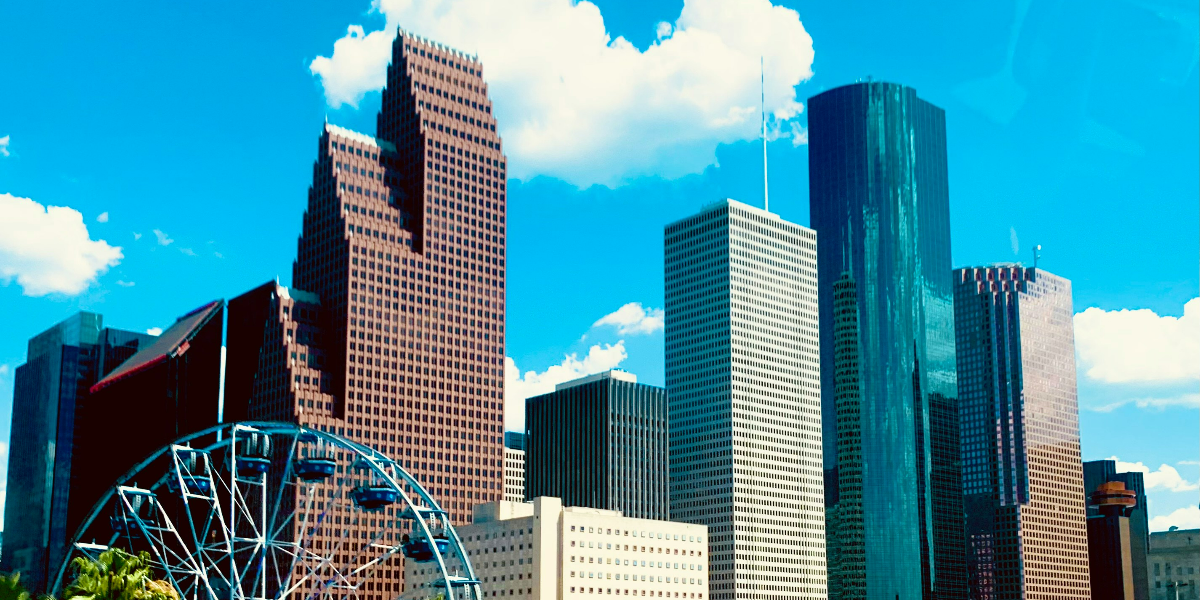
Nature lovers can find respite in the heart of the city at Hermann Park. This lush oasis offers walking trails, a serene lake, and the Houston Zoo, which is home to over 6,000 animals. Another must-see is the Buffalo Bayou Park, where you can kayak along tranquil waters, bike through scenic paths, or take in a stunning sunset view of the Houston skyline.

How Does Houston Define Dining?

Houston’s culinary scene is a melting pot of global influences, reflecting the city’s rich cultural diversity. Whether you’re craving Tex-Mex, Vietnamese pho, or authentic barbecue, the city delivers a gastronomic adventure like no other.

One standout is Ninfa’s on Navigation, often credited as the birthplace of Tex-Mex fajitas. This historic eatery serves up bold flavors that have defined Houston’s food identity for decades. For a taste of Houston’s Vietnamese community, a visit to Pho Saigon is essential. The flavorful broths and fresh herbs in their dishes showcase why the city is often called the “third coast” of Vietnamese cuisine.

Barbecue lovers can’t miss Truth BBQ, where smoked brisket and tender ribs reign supreme. Lines are long, but the payoff is worth it. For a more upscale experience, Kata Robata serves some of the finest sushi and Japanese cuisine in the region, blending traditional techniques with innovative flavors.

No trip to Houston would be complete without visiting The Original Kolache Shoppe, offering a Texas twist on the classic Czech pastry. These sweet and savory treats are perfect for a quick breakfast or mid-morning snack.

What Cultural Experiences Await in Houston?

Houston’s cultural richness is woven into the fabric of its neighborhoods, festivals, and community events. The city’s thriving theater district ranks second only to New York City in the number of theater seats, making it a premier destination for performing arts enthusiasts. The Houston Symphony, Ballet, and Opera each bring world-class productions to local audiences, while venues like the Alley Theatre showcase groundbreaking plays.

The city’s diversity is celebrated through annual events such as the Houston Livestock Show and Rodeo, a quintessential Texan experience featuring live music, rodeo competitions, and mouthwatering fair food. Meanwhile, the Houston International Festival highlights the global influences that make the city unique, with music, art, and cuisine representing cultures from around the world.

Houston’s neighborhoods also reflect its cultural diversity. A stroll through Montrose reveals eclectic art galleries and vintage shops, while Chinatown and the Mahatma Gandhi District offer authentic dining experiences and specialty markets. The East End, often referred to as the city’s cultural cradle, is home to vibrant murals, music venues, and local markets that showcase Houston’s artistic heartbeat.

Why Visit Houston Now?

Houston is a city that embraces growth and change while preserving its rich history and traditions. Its combination of world-class attractions, diverse cuisine, and cultural vibrancy makes it an ideal destination for travelers and locals alike. Whether you’re marveling at the wonders of space exploration, savoring a perfectly cooked brisket, or immersing yourself in the arts, Houston offers countless ways to connect with its dynamic spirit.

From its iconic landmarks to its hidden gems, Houston is a place where every visitor can find something to love. The city’s warmth and energy make it not just a travel destination, but a true cultural experience that lingers long after the trip ends.

How Local Communities Are Shaping Environmental Change

Local communities around the world have been at the forefront of environmental change, tackling issues that affect both their immediate surroundings and the global ecosystem. Whether it’s addressing pollution, promoting sustainability, or protecting local wildlife, environmental initiatives at the community level are proving to be powerful forces for positive change. These grassroots efforts are essential to addressing the environmental challenges we face and are paving the way for broader, more impactful national and global action.

How Are Local Communities Impacting Environmental Change?

Local environmental initiatives are a crucial part of the larger fight against climate change and environmental degradation. From small-town clean-ups to large-scale urban sustainability projects, these efforts demonstrate how communities are taking responsibility for the state of their environment. Recycling programs, urban gardening, and water conservation campaigns are just a few examples of how local initiatives can make a significant difference.

Local initiatives often inspire individuals to become more conscious of their environmental impact. For instance, many communities are focusing on reducing plastic waste, one of the biggest contributors to pollution in oceans and rivers. By encouraging the use of reusable bags, water bottles, and containers, these programs are not only reducing waste but also raising awareness about the importance of sustainable living.

Local governments and organizations are also working to promote green energy solutions at the grassroots level. In cities and rural areas alike, more municipalities are pushing for solar power installations, energy-efficient buildings, and eco-friendly public transportation systems. These projects help reduce carbon footprints and provide cleaner alternatives to fossil fuels. By creating opportunities for renewable energy at the local level, communities are showing that the shift to a greener, more sustainable future is possible.

How Are Environmental Issues Affecting Local Areas?

Environmental issues can have a significant impact on local areas, affecting everything from public health to economic stability. Air pollution, water contamination, and deforestation are just a few of the problems that can undermine the well-being of residents in affected communities. These environmental issues not only harm the local ecosystem but also contribute to broader global challenges like climate change and biodiversity loss.

Take the example of wildfires in California or the flooding in Louisiana. These events are becoming more frequent and intense due to climate change, and they devastate local communities. Homes are destroyed, wildlife habitats are lost, and many residents are left displaced. The economic toll of these disasters is immense, with local governments often struggling to recover and rebuild.

Issues like poor waste management can have long-term consequences on local ecosystems. Improper disposal of trash, plastic, and hazardous materials can contaminate soil and water, affecting both local wildlife and the health of residents. In cities, air pollution from industrial activities and transportation has led to rising health concerns, such as asthma and other respiratory illnesses, disproportionately affecting low-income neighborhoods.

These challenges highlight the urgent need for local action. As communities face the direct consequences of environmental degradation, the push for solutions becomes more critical. Whether through improved waste management systems, stricter regulations on industrial emissions, or disaster preparedness initiatives, local communities are starting to recognize that they must act now to protect their environment and quality of life.

What Are Some Successful Local Environmental Initiatives?

Around the world, there are numerous examples of local environmental initiatives that are having a lasting impact. Recycling programs in many cities have significantly reduced landfill waste, while encouraging the public to adopt more sustainable practices. In San Francisco, for instance, an ambitious zero-waste program aims to divert 100% of waste away from landfills by 2020. Though this goal has proven challenging, the program has successfully increased recycling rates and reduced overall waste generation.

Another inspiring example comes from the Dutch city of Amsterdam, which has become a global leader in promoting cycling as an eco-friendly mode of transportation. With extensive cycling infrastructure, including dedicated bike lanes and bike-sharing programs, the city has successfully reduced its carbon emissions while improving air quality. The success of Amsterdam’s cycling infrastructure is now being adopted by other cities around the world, demonstrating the power of local solutions to global environmental problems.

In Portland, Oregon, the city has implemented a variety of green initiatives, such as rainwater harvesting and green building standards. The city’s commitment to sustainability has led to widespread use of renewable energy and energy-efficient buildings, positioning Portland as one of the most environmentally progressive cities in the U.S. Similarly, Boulder, Colorado has adopted policies to promote clean energy, reduce greenhouse gas emissions, and protect local wildlife habitats, showing how even small cities can make a big difference when it comes to environmental protection.

These successful local initiatives are proof that communities, no matter their size, can take meaningful action to address environmental issues. They provide models for other areas to follow, demonstrating that local action is a critical piece in the fight against climate change and environmental degradation.

Why Are Local Environmental Initiatives More Effective?

Local environmental initiatives often have a higher success rate than larger, national projects because they are more adaptable to the unique needs and challenges of each community. These initiatives are typically driven by residents who have a personal stake in improving their environment, making them more motivated and invested in seeing their projects succeed. Local governments are also more likely to be responsive to the immediate concerns of their citizens, allowing them to implement changes quickly and effectively.

Local initiatives tend to focus on specific issues that directly impact the area. Whether it’s protecting a local river from pollution, planting trees to combat urban heat islands, or working with local businesses to reduce waste, these efforts are tailored to address the unique environmental challenges faced by each community.

The success of local environmental initiatives also comes from the strong sense of community that they foster. These projects encourage collaboration among residents, businesses, and local governments, creating a sense of shared responsibility for the environment. By working together, communities can build sustainable solutions that have lasting effects.

How Can More Local Communities Get Involved?

Getting involved in environmental initiatives can be as simple as participating in local clean-up programs, reducing household waste, or supporting policies that promote green energy. Communities can also organize educational workshops to raise awareness about environmental issues and encourage sustainable practices. Schools, businesses, and local governments can all play a role in supporting these initiatives by implementing energy-efficient technologies, creating green spaces, and fostering environmental education.

Local communities can take advantage of government incentives and grants designed to promote sustainability. Many local and regional governments offer financial support to initiatives that focus on environmental conservation, clean energy, and waste reduction. By accessing these resources, communities can fund their environmental projects and make a significant impact.

For residents, the most important thing is to stay informed and engaged. By advocating for green policies and supporting local environmental programs, individuals can help build a more sustainable future for their communities and the planet.

How Local Restaurants Build Community Through Food

Local restaurants are more than places to eat; they are vibrant hubs of connection, culture, and tradition. These establishments play a vital role in shaping a community-centered food culture, fostering relationships, and celebrating the unique flavors and stories of the regions they serve. In an era where chain restaurants dominate, local eateries remain steadfast in offering authenticity, identity, and a sense of belonging.

How Local Restaurants Preserve Cultural Identity

Every dish served in a local restaurant carries a story. Whether it’s a family recipe passed down through generations or a creative twist on traditional flavors, these establishments act as guardians of cultural identity. For many communities, food is a reflection of history, struggles, and triumphs. Local eateries preserve these narratives, keeping them alive for future generations.

Take, for example, a small family-owned Mexican restaurant that uses recipes rooted in ancient traditions. Each bite of mole or tamales connects diners to the rich history of indigenous communities and the evolution of Mexican cuisine. Similarly, a local soul food spot may not only serve delicious fried chicken and collard greens but also tell the story of resilience and innovation born out of adversity in African American history.

By maintaining cultural integrity, local restaurants become more than just dining options—they become cultural landmarks. They remind communities of their roots while welcoming newcomers to experience their traditions.

How Local Eateries Strengthen Social Bonds

Local restaurants serve as gathering places where people come together to celebrate milestones, share meals, and forge relationships. Unlike large chains, these spaces often exude warmth, familiarity, and a personal touch that makes every customer feel valued. Owners and staff of local establishments often know their customers by name, creating an atmosphere of genuine care and connection.

Think of the neighborhood diner that hosts weekly trivia nights or the corner café where friends gather over steaming cups of coffee. These places are not just about food—they’re about creating memories. Community events hosted by local restaurants often serve as platforms for fostering deeper bonds among neighbors, turning strangers into friends.

When communities face hardships, local restaurants often step up. Whether providing meals during natural disasters or organizing fundraisers for those in need, these establishments act as pillars of support. Their contributions go beyond the plate, emphasizing the role they play in maintaining the fabric of the community.

Supporting Local Farmers and Sustainability

One of the most profound ways local restaurants contribute to a community-centered food culture is through their partnerships with local farmers, fishers, and suppliers. By sourcing ingredients locally, these restaurants not only ensure fresh, high-quality meals but also promote sustainability. Supporting local agriculture reduces the carbon footprint associated with transporting goods over long distances while also boosting the regional economy.

A farm-to-table bistro, for instance, highlights seasonal produce from nearby farms, showcasing the flavors of the region while encouraging sustainable practices. These collaborations also provide opportunities for diners to learn about the origins of their food, fostering a greater appreciation for both the meal and the environment.

This synergy between local restaurants and food producers underscores the importance of interconnectedness in building a robust food culture. It ensures that both the land and the community thrive, creating a harmonious relationship between the plate and the planet.

How Local Restaurants Drive Economic Growth

Beyond their cultural and social impact, local restaurants are significant drivers of economic growth. These establishments provide jobs for chefs, servers, and countless others, contributing to the livelihoods of community members. In small towns and urban neighborhoods alike, thriving local food scenes attract visitors, stimulate tourism, and encourage further investment in the area.

For entrepreneurs, opening a local restaurant is often a way to showcase their creativity and passion while contributing to the community. These establishments also provide opportunities for aspiring chefs and hospitality professionals to hone their skills and establish themselves in the industry.

In areas undergoing revitalization, local restaurants often act as catalysts for renewal. Their success inspires the growth of complementary businesses, such as artisanal bakeries, breweries, or boutique markets. This ripple effect creates a vibrant, interconnected economy rooted in community values.

The Future of Community-Centered Food Culture

As communities continue to evolve, local restaurants remain a cornerstone of their identity. However, challenges such as rising costs, competition from large chains, and changing consumer preferences can threaten their existence. To ensure their survival, communities must rally behind these establishments, recognizing their invaluable contributions to the local fabric.

Choosing to dine at local restaurants is not just a culinary decision—it’s an investment in culture, sustainability, and community. When people support these eateries, they help preserve traditions, strengthen social bonds, and empower local economies.

By embracing their role as cultural and social hubs, local restaurants ensure that food remains a powerful unifier. These spaces celebrate diversity, inspire connection, and remind us that the heart of any community is found around the table.

NYC’s Hidden Gems: A Local’s Perspective

New York City, often called the city that never sleeps, is a global icon of culture, entertainment, and energy. Whether it’s your first visit or your fifth, the city always offers something new to discover. From its vibrant neighborhoods to its world-famous landmarks, exploring NYC like a local provides a unique and unforgettable experience.

What Are the Must-Visit Neighborhoods in NYC?

While Times Square and the Statue of Liberty are iconic, New York City’s neighborhoods are where its heart truly beats. Each area has its own charm and character, making the city feel like a mosaic of cultures and experiences.

Greenwich Village is a favorite for its bohemian roots, tree-lined streets, and charming cafes. Wander through Washington Square Park to enjoy street performers, vibrant art, and the sight of locals relaxing by the fountain. The East Village, known for its eclectic energy, is the perfect spot for vintage shopping and diverse dining options.

Brooklyn offers a more laid-back vibe with destinations like Williamsburg and DUMBO. Explore the Brooklyn Flea Market, take in breathtaking views of Manhattan from Brooklyn Bridge Park, or enjoy a craft beer at one of the area’s many breweries. Meanwhile, Harlem’s rich history and cultural contributions come to life in its jazz clubs, soul food restaurants, and the Apollo Theater.

Each neighborhood invites visitors to experience NYC beyond the tourist attractions, immersing them in the city’s unique and authentic spirit.

How Can You Maximize Your Time at NYC’s Landmarks?

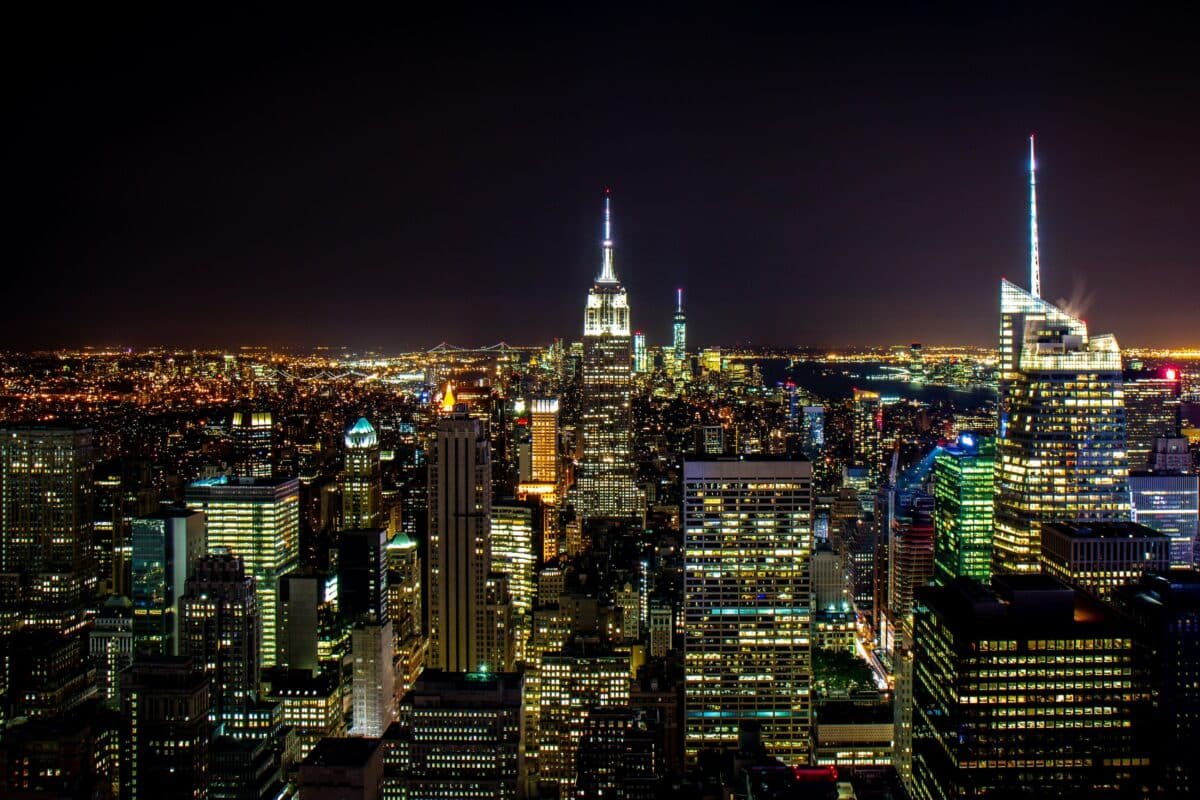
NYC’s landmarks are legendary, but locals know how to experience them with less stress. Start your day early to avoid the crowds at popular sites like the Empire State Building and the Top of the Rock. These observation decks offer unparalleled views of the city skyline.

Central Park, a sprawling green oasis in the middle of the city, is best explored on foot or by bike. Take a moment to visit hidden gems like the Bethesda Terrace, Strawberry Fields, and the Conservatory Garden. For art enthusiasts, the Metropolitan Museum of Art and the Museum of Modern Art (MoMA) are must-sees, featuring world-class collections that span centuries.

If you’re drawn to the energy of Manhattan, don’t miss the High Line, a transformed elevated railway that now serves as a stunning urban park. For a more peaceful escape, take the Staten Island Ferry for free and enjoy views of the Statue of Liberty and Ellis Island while avoiding the hustle of tourist-packed boats.

By planning strategically and seeking out lesser-known experiences, you can enjoy NYC’s landmarks without feeling overwhelmed.

Why Is NYC’s Food Scene Unmatched?

New York City’s food scene is a melting pot of global cuisines, offering something for every palate and budget. From food carts to Michelin-starred restaurants, the variety is endless.

Start your culinary journey with a classic NYC bagel and cream cheese, ideally from a local institution like Ess-a-Bagel or Russ & Daughters. For lunch, grab a slice of pizza from a neighborhood joint—Joe’s Pizza in Greenwich Village is a crowd favorite—or indulge in a pastrami sandwich at Katz’s Delicatessen.

Ethnic neighborhoods like Chinatown and Little Italy are havens for authentic dishes. Savor dim sum, hand-pulled noodles, or fresh cannoli as you wander the streets. Queens, often overlooked by visitors, boasts an unparalleled selection of international foods, from authentic Thai in Elmhurst to Colombian arepas in Jackson Heights.

End the day with something sweet. Try a slice of cheesecake from Junior’s or explore the trendy dessert spots in the Lower East Side. Whatever you choose, NYC’s food scene satisfaction.

What Makes NYC’s Culture So Captivating?

New York City’s culture and creativity are unmatched. With a rich history and dynamic art scene, the city thrives as a hub for expression.

Broadway remains a bucket-list experience. Catch a world-class musical or play, and if you’re on a budget, check out the TKTS booth for discounted same-day tickets. For live music, venues like the Bowery Ballroom and Lincoln Center host performances ranging from indie bands to symphony orchestras.

The city’s diversity is reflected in its festivals and parades. The Lunar New Year Parade in Chinatown and the West Indian American Day Carnival Parade in Brooklyn showcase vibrant traditions and communities. Art lovers can explore galleries in Chelsea or street art in Bushwick, where walls are adorned with ever-changing murals.

New Yorkers also treasure their parks and green spaces, making them an integral part of city life. The city’s commitment to culture and creativity makes every visit a discovery of something new.

Exploring New York City is about more than checking off famous sites. It’s about immersing yourself in the rhythm of the city, experiencing its neighborhoods, and embracing its diversity. Whether it’s savoring a local meal, wandering through an iconic park, or discovering a hidden gem, every moment in NYC leaves a lasting impression.

Capture Stunning Landscapes and Cityscapes in the USA

How Can You Capture the Perfect Travel Moment in the USA?

The United States offers a diverse landscape for photographers, from sprawling deserts to vibrant cityscapes. Each destination holds its own unique charm, making it a paradise for travel photography enthusiasts. But what makes a photograph truly memorable? The secret lies in preparation, perspective, and patience.

Travel photography isn’t just about snapping pictures; it’s about telling a story. Whether you’re hiking through the Grand Canyon or walking the bustling streets of New York City, the goal is to convey the essence of a place. To achieve this, photographers must consider not just the subject but also the lighting, composition, and timing.

When planning your shots, research is key. Understanding the location, its weather patterns, and the best times of day for photography can significantly impact the quality of your photos. Tools like weather apps and photography forums can help you plan ahead, ensuring you’re ready to capture the perfect moment.

What Are the Must-Have Tips for Stunning Landscape Photography?

The USA is renowned for its breathtaking landscapes, from the towering peaks of the Rockies to the serene beaches of Florida. To do justice to these scenes, mastering a few landscape photography basics is essential.

The first rule is understanding the importance of light. Early mornings and late afternoons, known as the golden hours, provide soft, diffused lighting that enhances natural beauty. Midday sunlight, on the other hand, can create harsh shadows and overexposed images.

Composition is another critical element. The rule of thirds can help you create balanced and visually appealing shots. Imagine dividing your frame into a grid of nine equal parts and placing your subject along the intersecting lines. This simple technique adds depth and interest to your photos.

Using a tripod is invaluable for sharp images, especially in low-light conditions or when shooting long exposures. It’s also essential for capturing the grandeur of landscapes like Yosemite or the rugged beauty of the Badlands, where precision can elevate your work from ordinary to extraordinary.

How Can Cityscapes and Street Photography Tell Unique Stories?

Urban areas in the USA, from San Francisco’s steep streets to Chicago’s iconic skyline, offer a different kind of beauty. Cityscapes and street photography focus on capturing the rhythm of life and the architectural marvels that define a location.

Timing is crucial for city photography. Early mornings provide an opportunity to photograph empty streets and serene cityscapes, while evenings bring the vibrancy of neon lights and bustling crowds. Incorporating movement, such as cars streaking through a long exposure shot, adds dynamism to your images.

Street photography, on the other hand, thrives on spontaneity. Observing people in their daily routines and capturing candid moments can result in images that feel authentic and engaging. Respect and sensitivity are essential when photographing strangers; a friendly smile or a quick conversation can go a long way in making people comfortable.

When shooting in cities, pay attention to reflections. Puddles, glass buildings, or even sunglasses can create stunning compositions. Reflections add layers to your images, turning ordinary scenes into intriguing works of art.

How Do You Stay Inspired on Your Travel Photography Journey?

Even the most passionate photographers can experience creative slumps. Travel photography is as much about the journey as the destination, and staying inspired is crucial to creating compelling work.

One way to fuel inspiration is to immerse yourself in the local culture. Attend festivals, visit local markets, or explore hidden gems off the beaten path. These experiences not only enrich your understanding of a place but also provide unique photo opportunities.

Experimenting with different techniques or equipment can also reignite your creativity. Try using a wide-angle lens to capture expansive scenes or a macro lens to focus on intricate details. Changing perspectives can lead to surprising results.

Connecting with other photographers can offer fresh insights and motivation. Join local photography meetups or online communities where you can share ideas, get feedback, and learn from others’ experiences.

Remember to embrace imperfection. Not every shot needs to be perfect; sometimes, the imperfections tell the most authentic stories. Your journey through the USA is as much about the moments you capture as it is about the ones you simply experience.