Active Weekly

Keep Moving Forward

Keep Moving Forward

Keep Moving Forward

Netflix, Hulu, Disney+: Streaming Showdown

The world of streaming services has revolutionized how we consume entertainment. From binge-worthy series to exclusive movies, services like Netflix, Hulu, and Disney+ offer endless choices for viewers of all ages. But with so many options, the question remains: Which streaming platform is the best for you? Let’s dive into what each service offers to help you decide where to spend your screen time.

What Makes Netflix Stand Out in the Streaming Wars?

When it comes to sheer popularity, Netflix is often considered the pioneer of the streaming era. Known for its vast library of original and licensed content, Netflix caters to a wide variety of tastes. Whether you’re into gritty crime dramas like “Stranger Things” or heartfelt comedies like “Emily in Paris,” there’s always something new to discover.

Netflix’s biggest strength lies in its original content. Over the years, it has invested heavily in producing hit series, films, and documentaries. Titles like “The Crown,” “Bridgerton,” and award-winning films such as “Roma” and “The Irishman” have solidified Netflix’s reputation as a leader in storytelling. Additionally, Netflix offers an intuitive interface with personalized recommendations, making it easy for users to find shows that match their interests.

Netflix isn’t without its drawbacks. Recent price increases and the removal of some beloved shows from its catalog due to licensing deals have led some subscribers to explore alternatives. Still, for those who value a wide array of genres and high-quality originals, Netflix remains a strong contender.

Why Choose Hulu Over Other Streaming Services?

Hulu sets itself apart by offering a mix of current TV shows, classic series, and an impressive range of movies. For viewers who enjoy staying up-to-date with their favorite network shows, Hulu’s next-day streaming of popular series like “The Handmaid’s Tale” or “The Masked Singer” is a significant advantage. It also offers a more affordable subscription tier for budget-conscious users, with options to include live TV for an additional cost.

Hulu’s biggest asset is its versatility. It blends traditional TV-style programming with original series and an ever-expanding movie library. From gripping dramas like “Little Fires Everywhere” to hilarious sitcoms like “How I Met Your Father,” Hulu appeals to viewers who enjoy variety and convenience.

On the downside, Hulu’s base subscription plan includes ads, which some users find disruptive. To remove them, you’ll need to pay for a more expensive plan. Nonetheless, for those looking for a hybrid of live TV and streaming options, Hulu provides one of the most comprehensive packages available.

What Sets Disney+ Apart From Its Competitors?

For fans of Disney’s timeless magic, Marvel superheroes, or the expansive Star Wars universe, Disney+ is a dream come true. Launched as a dedicated streaming hub for all things Disney, it offers an unparalleled collection of family-friendly content. Iconic classics like “The Lion King” and “Aladdin” sit alongside blockbuster franchises such as “Avengers” and “The Mandalorian.”

Disney+ excels in creating a cohesive experience for families and die-hard fans of its properties. With the addition of Pixar, National Geographic, and exclusive originals like “Loki” or “WandaVision,” Disney+ goes beyond nostalgia to deliver fresh, exciting content. Its library is highly curated, ensuring that users never feel overwhelmed by choices.

One limitation of Disney+ is its relatively narrow focus compared to Netflix or Hulu. It doesn’t offer the breadth of genres or edgy, mature content some viewers may prefer. However, its affordable pricing and robust catalog make it a must-have for fans of Disney’s unique storytelling.

Which Streaming Service Is the Best for You?

Choosing between Netflix, Hulu, and Disney+ largely depends on your personal preferences and viewing habits. If you enjoy a diverse library of original series and movies, Netflix is the way to go. For fans of current TV shows and flexibility, Hulu offers a unique blend of live TV and on-demand content. Meanwhile, families and fans of iconic franchises will find Disney+ hard to resist.

Your favorite streaming service boils down to your entertainment priorities. Whether you value high-quality originals, live TV options, or nostalgic favorites, each platform offers something special to enjoy.
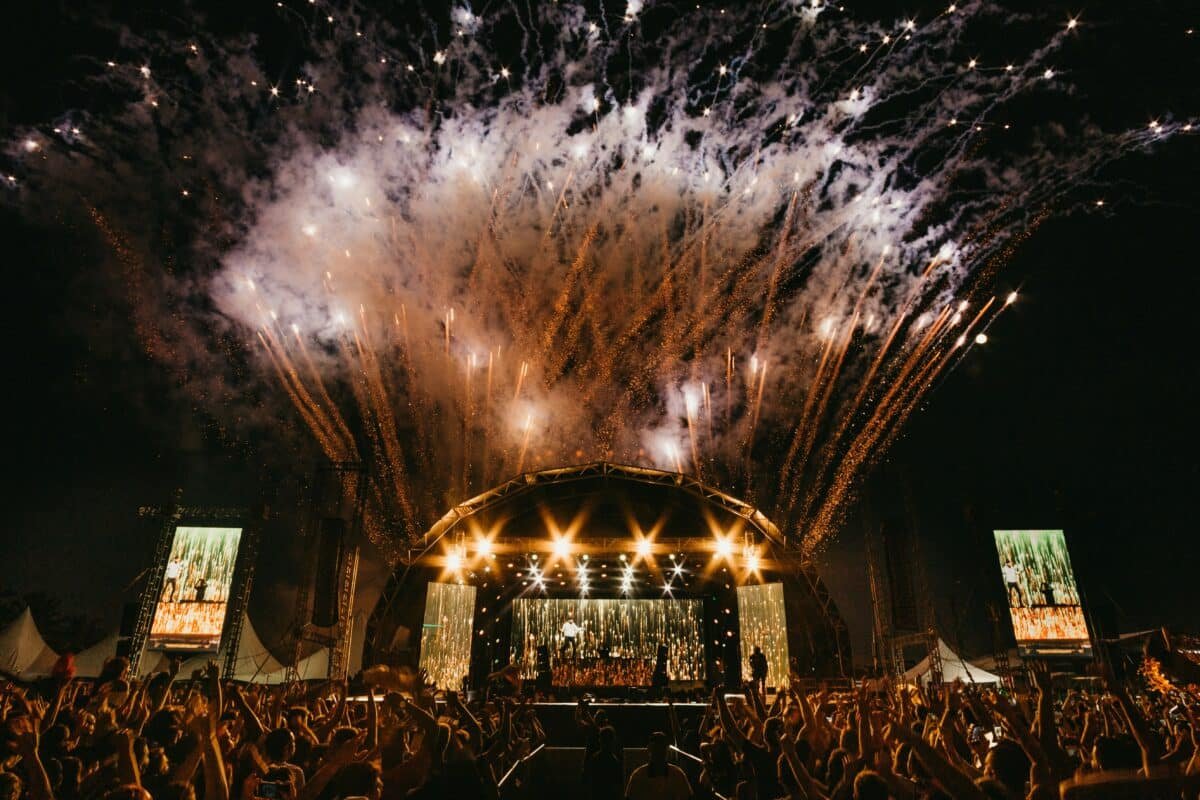
Dynamic Dance Showcase: Styles and Cultural Expressions

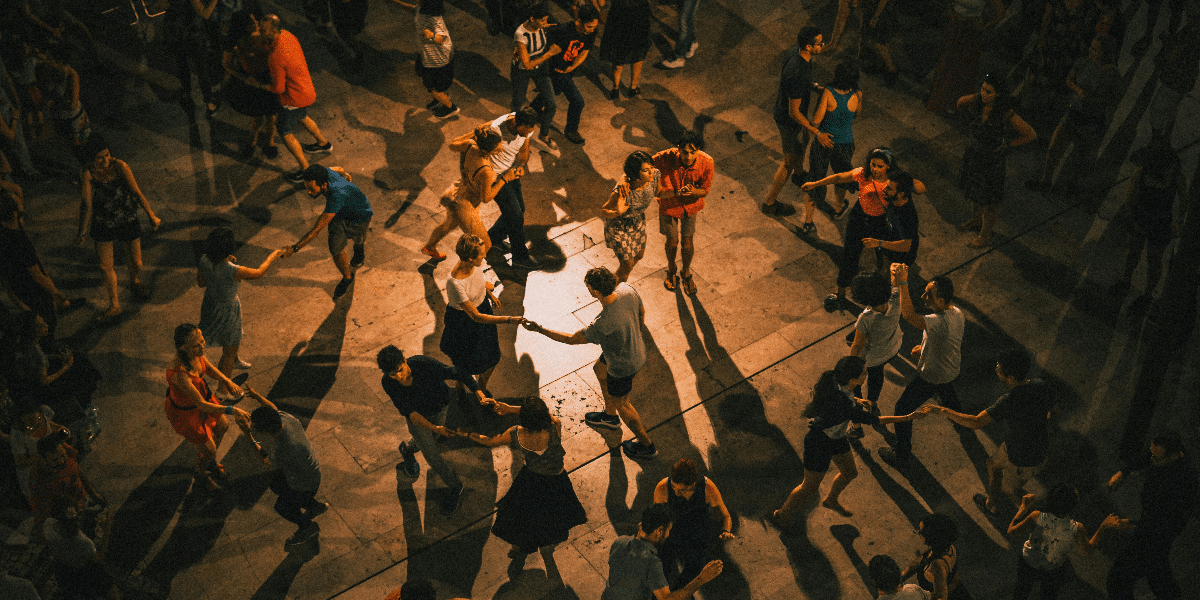
In the world of performing arts, dance stands out as a dynamic form of entertainment that captivates audiences with its energy, grace, and cultural significance. Dance performances showcase a wide range of styles and expressions, each telling unique stories and reflecting diverse cultural heritages. From classical ballet to contemporary hip-hop, the world of dance offers a rich tapestry of artistic creativity and cultural celebration.

How Do Dance Performances Reflect Cultural Expressions?

Dance has always been a powerful medium for expressing cultural identities and traditions. Each dance style carries with it the history and values of the culture from which it originates. For example, traditional African dances are deeply rooted in community and ritual, often performed during ceremonies and celebrations. These dances are characterized by rhythmic movements, vibrant costumes, and the use of drums and other percussion instruments to create compelling beats.

In contrast, classical ballet originated in the courts of Renaissance Italy and later flourished in France and Russia. Ballet is known for its precision, grace, and elaborate storytelling through movement. Famous ballets like “Swan Lake” and “The Nutcracker” not only entertain but also convey timeless tales that have been passed down through generations.

Flamenco, a passionate and expressive dance form from Spain, combines singing, guitar playing, and dancing. It emerged from the cultural melting pot of Andalusia, influenced by Romani, Moorish, and Andalusian traditions. The intense rhythms and intricate footwork of Flamenco, along with its emotional depth, make it a captivating performance that tells stories of love, struggle, and joy.

What Are Some Popular Contemporary Dance Styles?

Contemporary dance styles continue to evolve, drawing from a variety of influences and pushing the boundaries of traditional forms. One such style is hip-hop, which emerged in the 1970s in the Bronx, New York. Hip-hop dance includes various techniques like breaking, popping, and locking, each with its distinct movements and history. This style is not only a form of artistic expression but also a representation of urban culture and social commentary.

Contemporary dance, as a genre, blends elements from modern dance, ballet, and other styles. It emphasizes fluidity, flexibility, and the expression of abstract ideas and emotions. Contemporary dance often incorporates improvisation and innovative choreography, allowing dancers to explore new ways of movement and storytelling. Pioneers like Martha Graham and Merce Cunningham have significantly influenced this genre, encouraging experimentation and breaking away from classical conventions.

Another popular style is Bollywood dance, which originates from the Indian film industry. Bollywood dance is a vibrant and eclectic mix of classical Indian dance forms, folk dances, and contemporary moves. It is characterized by energetic and colorful performances, often telling stories of romance and drama. Bollywood dance has gained international popularity, with its infectious rhythms and captivating choreography attracting audiences worldwide.

How Do Dance Performances Engage Audiences?

Dance performances are unique in their ability to engage audiences on multiple levels. Visually, they captivate with stunning choreography, costumes, and stage design. A well-executed dance performance can transport viewers to different worlds, evoke emotions, and tell powerful stories without uttering a single word.

The music and rhythm accompanying dance performances play a crucial role in engaging audiences. Whether it’s the classical compositions in ballet, the beats of hip-hop, or the traditional melodies in cultural dances, the music sets the tone and enhances the overall experience. Live music performances, in particular, create an immersive atmosphere, making the connection between the dancers and the audience more tangible.

Audience interaction is another aspect that adds to the engagement. Some dance performances encourage audience participation, inviting viewers to clap, sing along, or even join the dance. This interaction breaks the fourth wall, creating a shared experience that makes the performance more memorable.

Moreover, the emotional connection established through dance is profound. Dancers convey emotions through their movements, facial expressions, and body language, allowing the audience to feel the intensity and passion of the performance. This emotional resonance is what makes dance a powerful form of storytelling, capable of touching hearts and inspiring minds.

Dance performances offer dynamic entertainment, showcasing a wide range of styles and cultural expressions. From traditional forms like African dance and Flamenco to contemporary styles like hip-hop and Bollywood, dance continues to evolve and captivate audiences worldwide. Through visual spectacle, rhythmic music, audience interaction, and emotional depth, dance performances create engaging and memorable experiences. As we celebrate the diversity and creativity in the world of dance, we recognize its enduring impact on culture and the arts.

How K-Pop Fan Culture Influences Global Trends

K-Pop is more than just a genre of music—it’s a worldwide cultural movement driven by passionate and engaged fans. Over the years, it has evolved into a unique ecosystem where music, fashion, and storytelling come together to create an unparalleled entertainment experience. At the heart of this phenomenon lies the vibrant fan culture, which plays a crucial role in K-Pop’s unprecedented global success.

What Makes K-Pop Fan Culture So Unique?

The dedication and creativity of K-Pop fans distinguish them from other music enthusiasts. Known collectively as fandoms, these groups actively participate in shaping the careers of their favorite artists. From streaming music videos to organizing fan-led charity projects, their influence is undeniable.

What sets K-Pop fan culture apart is its sense of community. Fans connect through shared interests, forming tight-knit groups that transcend geographical boundaries. Social media platforms like Twitter, TikTok, and Instagram have become hubs for fandom activities, enabling fans to interact in real-time, share content, and mobilize for causes. This level of interconnectedness has transformed K-Pop into a global cultural force.

Another hallmark of K-Pop fandoms is their dedication to supporting their idols. Fans invest significant time and resources in voting for music awards, attending concerts, and purchasing merchandise. Their efforts often translate into tangible successes for K-Pop groups, as seen in record-breaking album sales and sold-out international tours.

How Do K-Pop Idols Connect with Their Fans?

The bond between K-Pop idols and their fans is unlike any other. Idols actively engage with their audience through various mediums, including live streams, fan meetings, and personalized messages on social media. This direct interaction creates a sense of intimacy, making fans feel personally connected to their favorite artists.

K-Pop companies also play a role in cultivating this relationship. Agencies often release behind-the-scenes content, variety shows, and vlogs that showcase idols’ personalities beyond the stage. By offering a glimpse into their daily lives, idols become more relatable and accessible, further deepening the connection with their audience.

Fan events are another key component of this relationship. Events like fan signs allow fans to meet idols face-to-face, creating memorable moments that reinforce loyalty. These unique interactions build a sense of trust and reciprocity, where both idols and fans acknowledge each other’s significance.

The role of fandom-specific activities is also noteworthy. Many groups have their own light sticks, fandom colors, and chants, which fans use during concerts to show their unwavering support. This shared symbolism strengthens the sense of belonging and collective identity within each fandom.

Why Is K-Pop’s Fan Culture So Influential Worldwide?

The impact of K-Pop’s fan culture extends far beyond music. Fans have become powerful advocates, using their platforms to amplify messages and influence trends. They’ve played pivotal roles in global social movements, raising awareness for causes ranging from environmental sustainability to mental health advocacy.

This influence is further amplified by K-Pop’s integration with digital technology. Fans are often at the forefront of online campaigns, using hashtags and coordinated efforts to boost visibility for their idols. These strategies have helped K-Pop artists dominate global charts and gain recognition from prestigious international organizations.

K-Pop fandoms also contribute to cultural exchange. Through their dedication, they introduce diverse audiences to Korean language, cuisine, and traditions, fostering a deeper appreciation for Korea’s rich heritage. This cultural ripple effect has strengthened Hallyu (the Korean Wave), solidifying K-Pop’s position as a global powerhouse.

The role of inclusivity within K-Pop fandoms is another factor behind their worldwide appeal. Fans from various backgrounds feel welcomed and represented, creating a multicultural environment that reflects the genre’s universal message of hope, love, and perseverance.

How Is Fan Culture Shaping the Future of K-Pop?

As K-Pop continues to evolve, its fan culture remains a driving force behind its innovation and success. The future of K-Pop will likely involve even greater collaboration between artists and fans, fueled by advancements in technology and globalization.

Virtual reality (VR) and augmented reality (AR) concerts are becoming increasingly popular, offering fans immersive experiences that bridge physical distances. These innovations provide new opportunities for fans to engage with their idols, ensuring that K-Pop remains at the cutting edge of entertainment.

Social responsibility is another area where fans and artists are making strides. With fandoms often mobilizing for charity and activism, K-Pop’s influence is being used as a platform for meaningful change. This trend highlights the potential of K-Pop fan culture to make a positive global impact.

In the dynamic world of K-Pop, fans are more than spectators—they are participants in a collaborative journey that continues to captivate the world. Their creativity, loyalty, and passion ensure that K-Pop will remain a cultural phenomenon for years to come, shaping the industry in ways that transcend music.

The Revolution of Music Streaming

How Has Music Streaming Changed How We Listen?

Music streaming has completely reshaped the way people discover and enjoy their favorite songs. With platforms like Spotify, Apple Music, and Tidal, listeners can access millions of tracks instantly, anytime, anywhere. This accessibility has created a shift from owning music to simply enjoying it on-demand.

Gone are the days of building collections of CDs or vinyl records. Instead, users curate playlists tailored to every mood, occasion, or genre preference. The convenience of streaming allows listeners to discover new artists through recommendations and algorithm-driven playlists, broadening musical horizons like never before.

Streaming has also made music a shared experience. Playlists can be created and shared with friends, while social media integrations let users show off their favorite songs. For younger audiences, music has become more than entertainment—it’s a way to connect and express identity.

However, this evolution hasn’t come without challenges. As streaming services dominate the industry, traditional album sales and physical formats have declined. Artists now face the need to adapt to this new landscape, which emphasizes constant engagement and frequent releases to remain relevant. Despite these challenges, streaming continues to redefine how music fits into daily life, making it more accessible and integrated than ever before.

Why Is Fair Compensation for Artists Still an Issue?

While streaming has opened doors for many artists, it has also brought significant challenges when it comes to fair compensation. For every play on a platform, artists earn a fraction of a cent, making it difficult for many to sustain their careers.

The issue lies in the structure of royalty payments. Streaming services distribute revenue based on the total number of streams, with a significant portion going to record labels and platform operators. This leaves artists, especially independent ones, with a smaller share. For an artist to earn a living wage, their songs need millions of streams—a threshold most struggle to reach.

Independent musicians face additional hurdles. Without the backing of major labels, many rely on self-promotion and grassroots efforts to get their music heard. Platforms like Bandcamp and SoundCloud offer alternatives, providing artists with direct-to-consumer options. However, these platforms lack the reach of the big streaming players, making it a balancing act for creators.

The debate over fair compensation has led to industry-wide discussions. Artists are calling for more transparent payment systems and equitable revenue sharing. Some have started exploring blockchain-based platforms that promise fairer royalty distribution by eliminating intermediaries.

Fair compensation is not just about money—it’s about recognizing the value of creative work. As the industry evolves, finding a balance between streaming’s convenience and artist sustainability remains one of its biggest challenges.

What Does the Future of Digital Distribution Look Like?

The future of digital music distribution is poised to become even more innovative, fueled by new technologies and changing consumer habits. While streaming will likely remain the dominant form of music consumption, the way music is distributed and monetized is set to evolve.

Emerging technologies like blockchain are gaining traction in the music industry. Blockchain offers a transparent way to track music rights and royalties, ensuring fairer compensation for artists. Platforms using this technology allow artists to upload their work directly, bypassing traditional record labels and intermediaries. This not only empowers creators but also builds trust with listeners.

Another trend is the rise of niche platforms catering to specific genres or communities. As listeners seek more personalized experiences, smaller platforms with unique offerings may carve out spaces alongside giants like Spotify. These platforms often emphasize artist support, offering higher payouts or exclusive features.

Subscription models might also diversify. While monthly fees dominate now, future platforms may experiment with pay-per-play or artist-specific subscriptions. These options give fans more control while allowing artists to directly benefit from their most loyal supporters.

Live streaming and interactive music experiences are becoming increasingly popular. From virtual concerts to artist Q&A sessions, digital platforms are bringing fans and artists closer together. These innovations blur the line between music consumption and engagement, offering new ways for creators to connect with their audience.

As digital distribution continues to evolve, it’s clear that technology and creativity will shape the future. The industry will likely focus on balancing accessibility with sustainability, ensuring both listeners and artists thrive in the changing landscape.

Why Celebrity-Driven Content Is Dominating Pop Culture

How Celebrities and Influencers Shape Entertainment Choices

Celebrities and influencers have evolved from figures on the big screen or social media platforms to central characters in shaping entertainment choices. Their influence goes beyond just endorsing products—they are the trendsetters who drive popular culture, influence lifestyle decisions, and even impact political views. Whether it’s through Instagram, TikTok, or traditional media, these figures play a direct role in how entertainment content is consumed.

Their presence in daily life makes them essential in the world of content creation and distribution, often determining the success or failure of movies, shows, and music. In many cases, fans look to celebrities and influencers for their opinions on what’s “hot” in the entertainment world, turning them into crucial tastemakers. But how exactly do they influence our choices, and what does this mean for the future of entertainment?

Why Are Celebrities and Influencers So Impactful in Entertainment?

Celebrities and influencers hold incredible power because of the deep connection they have with their audience. In the digital age, social media has allowed celebrities to build personal brands and interact directly with fans, creating a sense of closeness and trust. As a result, their endorsements or casual mentions of a particular show, movie, or product can catapult it to success.

Research shows that the authenticity of a celebrity’s relationship with their audience is crucial in determining their influence. The more relatable and genuine they appear, the more likely their followers will embrace their opinions. Influencers, in particular, thrive on maintaining this “real” connection with their followers, often positioning themselves as accessible and trustworthy sources of recommendations.

In the realm of entertainment, celebrities and influencers have the power to boost ticket sales, streaming numbers, and social media buzz for upcoming releases. Their involvement can mean millions of dollars in revenue, turning a relatively unknown project into a cultural phenomenon. One need look no further than influencer-driven campaigns on TikTok or the effect of celebrity appearances in promotional content, which often lead to a surge in engagement and viewership.

How Do Social Media Platforms Amplify Their Influence?

Social media has fundamentally changed how content is consumed and how celebrities and influencers engage with their audiences. Platforms like Instagram, TikTok, and YouTube allow for the instantaneous sharing of opinions, photos, and videos, which keeps fans constantly engaged with their favorite personalities.

On TikTok, influencers often showcase viral trends, whether it’s a dance challenge or a reaction video to an upcoming movie. These short, bite-sized pieces of content have the power to spark trends that spread like wildfire across the internet, making entertainment choices more accessible to a younger, tech-savvy audience. Celebrities also use these platforms to release sneak peeks, behind-the-scenes looks, and other exclusive content that draws fans in and builds anticipation for upcoming projects.

In many cases, social media platforms are the primary channels through which movies, television shows, and even live events build momentum. Celebrities and influencers use their personal accounts to promote content directly to millions of followers, bypassing traditional advertising methods. When a high-profile celebrity shares their thoughts on a trending TV show or movie, it becomes more than just a suggestion—it becomes an endorsement that many fans are likely to follow.

The algorithms used by platforms like Instagram and TikTok prioritize content that generates high engagement. This means that if a celebrity or influencer posts about a particular piece of entertainment, it is more likely to be seen by a massive audience, ensuring that the content gets the visibility it needs to thrive.

How Does Celebrity-Driven Content Affect Pop Culture?

The entertainment industry has always been influenced by the cultural climate, but in today’s digital landscape, celebrity-driven content is directly intertwined with the fabric of pop culture. Celebrities, especially those with large social media followings, can influence everything from fashion trends to political conversations, creating a ripple effect that shapes wider societal norms and values.

For example, when a high-profile celebrity like Beyoncé releases a new album, it’s not just the music that gets attention—it’s the cultural impact that follows. Fashion trends, social justice movements, and political conversations often accompany celebrity-driven media, making them central to the wider discourse in entertainment.

Similarly, influencers shape the digital landscape by introducing niche forms of entertainment to their followers. The rise of gaming influencers is one such example. Many influencers on platforms like Twitch and YouTube have turned gaming into a mainstream form of entertainment, attracting not only players but viewers who consume gaming content as a form of media. The success of influencers in this space has led to games being more interactive, engaging, and aligned with trends set by social media stars.

The strong presence of celebrity-driven content means that what celebrities endorse can quickly become mainstream. It’s not just about what they wear or where they go, but about the very shows, movies, and music they choose to highlight. This close relationship between celebrity culture and entertainment choices means that today’s trends often emerge directly from the online habits of influencers.

What Does the Future Hold for Celebrity and Influencer Content?

Looking toward the future, it seems likely that the influence of celebrities and influencers will only grow stronger as digital platforms continue to evolve. The growing prominence of virtual reality (VR) and augmented reality (AR) could provide even more ways for celebrities to engage with their fans and promote content. With the ability to create immersive experiences, celebrities could take their audiences directly into the worlds of the entertainment they endorse.

The rise of NFTs (non-fungible tokens) and metaverse platforms may change how entertainment content is distributed and consumed. Celebrities and influencers could potentially create their own digital content that is exclusive to these new platforms, offering fans access to virtual events, live shows, or even personal interactions.

Another trend that could dominate the future is influencer-led streaming platforms. As influencers continue to build loyal fanbases, the idea of them creating their own content or even their own streaming services is becoming more realistic. By directly bypassing traditional media channels, influencers could shape the entertainment landscape on their own terms.

The line between content creator and celebrity continues to blur, and this will lead to more creative, diverse, and influential content being produced. One thing is certain: whether it’s a TV show, movie, or music video, celebrity and influencer content will remain a key player in shaping how entertainment is consumed around the world.

Explore U.S. Cities Through Art and Architecture

For many travelers, urban areas are the heartbeat of a country’s art and architecture scene. In the United States, major cities are home to a dynamic blend of historical buildings, contemporary designs, and world-class art collections that draw visitors from across the globe. Whether you’re exploring iconic museums, vibrant street art, or the architectural wonders of different eras, the U.S. offers an endless array of experiences for those looking to immerse themselves in culture.

This will guide you through some of the most enriching art and architecture experiences found in urban U.S. settings, providing you with ideas for your next cultural journey.

How Do U.S. Cities Blend Art, Architecture, and History?

Across the United States, cities are known for their unique architectural styles, which reflect different periods in history. From the colonial influences of the East Coast to the sleek modern skyscrapers of the West, every city has a distinctive look that tells its own story.

New York City, for instance, showcases a magnificent mix of Art Deco buildings, modern skyscrapers, and historical brownstones. The iconic Empire State Building represents one of the most well-known examples of early 20th-century architecture, while areas like Greenwich Village offer a glimpse into the city’s bohemian past with its charming townhouses and narrow streets. In addition to its architectural landscape, New York’s museums, such as The Museum of Modern Art (MoMA) and The Metropolitan Museum of Art, house some of the world’s most significant collections of art, offering a blend of past and present for cultural enthusiasts.

Meanwhile, in Chicago, visitors are treated to a city built by some of the most influential architects in history, including Frank Lloyd Wright and Louis Sullivan. The Chicago School of Architecture led to the development of the first skyscrapers, and the city’s Lake Michigan waterfront is dotted with iconic modern buildings. Art lovers can also visit the Art Institute of Chicago, which boasts works from Monet to Picasso, making it a must-see destination for anyone passionate about fine arts.

What Role Do Museums and Galleries Play in Cultural Exploration?

One of the best ways to experience art and architecture in urban U.S. settings is by visiting the many museums and galleries that offer a deep dive into the nation’s artistic history. Museums not only house collections from classical and modern art but also serve as the custodians of cultural heritage, preserving pieces that reflect the diverse American experience.

In Washington, D.C., the Smithsonian Institution—with its array of museums and galleries—offers free access to some of the most prestigious collections in the world. The National Gallery of Art, with its impressive architecture and fine art collections, is a major draw. The Hirshhorn Museum and Sculpture Garden showcases modern art with a focus on sculptures, making it an excellent stop for those interested in contemporary works.

Los Angeles is another city where the museum scene blends perfectly with the urban landscape. The Getty Center, perched on a hill overlooking the city, combines art with spectacular views and innovative architecture. The Los Angeles County Museum of Art (LACMA), with its expansive collection spanning centuries of global art, offers an immersive experience for any traveler.

Smaller cities are not to be overlooked either. Santa Fe, known for its vibrant Southwestern architecture and art scene, is a haven for those interested in indigenous art forms and contemporary works influenced by Native American traditions. The Georgia O’Keeffe Museum offers a deep dive into the works of the iconic painter, whose unique perspectives on the American landscape have inspired generations.

How Does Public Art and Street Culture Enhance Urban Landscapes?

Aside from museums and traditional galleries, public art is an essential part of the urban art scene, bringing culture to the streets. In many U.S. cities, murals, sculptures, and interactive installations are found on nearly every corner, giving travelers an opportunity to engage with art in a more accessible and immersive way.

In Philadelphia, the Mural Arts Program has transformed the city into a living canvas, with over 3,000 murals displayed throughout the neighborhoods. Walking through these areas offers visitors a glimpse into the city’s diverse cultural history, from African American heritage to contemporary urban life. The murals not only celebrate local artists but also give a voice to community stories, creating a strong sense of identity and belonging.

Similarly, Miami is known for its vibrant street art scene, particularly in the Wynwood Walls district. Here, the streets themselves are an ever-evolving gallery, with global street artists contributing to a colorful and dynamic urban environment. The Art Basel festival in Miami is another significant cultural event, where contemporary art from around the world is showcased, often involving innovative installations and large-scale public art pieces.

San Francisco also has a rich history of public art, with the famous Coit Tower murals as a historical example. More modern contributions include installations along the Embarcadero and in Golden Gate Park, where art blends with the natural beauty of the region.

How Can Travelers Fully Immerse Themselves in Art and Architecture?

For travelers seeking an immersive experience in art and architecture, a deeper engagement goes beyond simply visiting museums or iconic buildings. Joining walking tours led by experts can provide insightful context, explaining how the city’s art and architecture have shaped its culture and history. Many cities, including New York, San Francisco, and Chicago, offer architectural tours that showcase the most famous structures, as well as hidden gems that reflect the local aesthetic.

Participating in workshops or artist-led classes is another way to engage with a city’s creative pulse. In places like Santa Fe or New Orleans, travelers can experience firsthand the creative process, whether it’s pottery, painting, or learning how to incorporate local materials into design projects. Such experiences allow for a deeper appreciation of how art and architecture influence the culture of a place.

Attending art events like gallery openings or art festivals can give travelers a taste of the local art scene, where they can meet artists, discuss their work, and witness live performances or art installations.

Award Show Buzz: Biggest Wins & Bold New Formats

How Are Award Shows Celebrating Industry Achievements?

Award shows have long been a cornerstone of the entertainment industry, recognizing outstanding achievements in film, television, music, and beyond. These events bring together talented individuals from various sectors to celebrate their work and contributions. The prestige associated with winning an award can significantly impact a career, often opening doors to new opportunities and increasing visibility within the industry.

The most notable award shows, such as the Oscars, Grammys, and Emmys, attract global audiences. These events are not just about handing out trophies; they are elaborate productions featuring performances, tributes, and speeches that highlight the artistry and creativity of the nominees and winners. Through these ceremonies, award shows create a sense of community and recognition among industry professionals, fostering a culture of excellence and innovation.

In addition to the entertainment value, award shows often serve as a platform for important conversations. Acceptance speeches and presentations can bring attention to pressing issues, such as diversity, inclusion, and social justice. This ability to influence public discourse demonstrates the power and reach of award shows in shaping cultural narratives.

What New Formats Are Award Shows Adopting?

The format of award shows has evolved to meet the changing demands of audiences and the industry. Traditional live broadcasts are being supplemented with digital components, making these events more accessible to a global audience. Streaming platforms and social media have become integral in expanding the reach of award shows, allowing people to engage with the content in real-time.

The COVID-19 pandemic accelerated the adoption of virtual and hybrid formats. Many award shows had to pivot to virtual ceremonies, with nominees and winners participating remotely. This shift highlighted the adaptability of award shows and their ability to leverage technology to maintain their relevance. While in-person gatherings are resuming, the lessons learned from virtual events continue to influence how award shows are produced.

Interactive elements are also becoming more common. Viewers can now participate in polls, live chats, and social media interactions during the broadcasts. These features enhance audience engagement and create a more immersive experience. By integrating these digital components, award shows are catering to the preferences of younger audiences who are accustomed to interactive and on-demand content.

How Are Award Shows Meeting Societal Expectations?

Award shows are increasingly aware of their role in reflecting and shaping societal values. Issues such as diversity and inclusion have become central to the narrative of many award ceremonies. There is a growing expectation for these events to recognize and celebrate a broad spectrum of talent, including those from underrepresented communities.

Initiatives to promote equity and representation are now a priority for many organizing bodies. This includes ensuring a diverse lineup of presenters, performers, and nominees. Efforts to address past criticisms of exclusion have led to changes in voting processes and eligibility criteria, aiming to create a more inclusive environment.

Moreover, award shows are also responding to societal issues through philanthropy and advocacy. Many events now feature segments that highlight charitable causes and social movements. By leveraging their platform, award shows can raise awareness and support for various initiatives, aligning themselves with the values of their audiences.

The fashion and presentation aspects of award shows are also evolving to reflect societal changes. Sustainable and ethical fashion choices are being highlighted on the red carpet, with celebrities using their visibility to promote environmental responsibility. This shift underscores the broader cultural movement towards sustainability and ethical consumption.

What Is the Future of Award Shows?

The future of award shows is likely to see continued innovation and adaptation. As technology advances, we can expect more immersive and interactive experiences for audiences. Virtual reality and augmented reality could become part of the award show landscape, offering new ways for viewers to engage with the event.

Inclusivity and representation will remain at the forefront. There is a concerted effort within the industry to ensure that all voices are heard and celebrated. This commitment to diversity will shape the future direction of award shows, making them more reflective of the society they serve.

Furthermore, the integration of social issues and advocacy will continue to be a significant aspect of award shows. These events will likely expand their role in promoting causes and driving change, using their platform to highlight important issues and encourage action.

Award shows will also keep exploring new formats and distribution channels to reach a wider audience. The blend of traditional broadcasting with digital and interactive elements will be key to their continued relevance. As audience preferences evolve, so too will the methods of delivering these celebrations of achievement.

Award shows are adapting to the changing landscape by embracing new formats, addressing societal expectations, and continuing to celebrate industry achievements. Their ability to innovate and remain relevant ensures that they will continue to be a significant part of the entertainment industry for years to come.

Discover the Magic of Indie Films and Festivals

How Are Indie Films Shaping the Future of Cinema?

Indie films, short for independent films, are more than just low-budget productions; they represent a creative movement that prioritizes artistic freedom over commercial constraints. Unlike big studio productions, indie films rely on unique storytelling, diverse voices, and experimental approaches to filmmaking. This distinctive focus has made them a vital force in reshaping the cinematic landscape.

One reason for their growing influence is their ability to tackle complex themes and underrepresented narratives. Free from the constraints of mainstream studios, filmmakers can explore stories that resonate on a personal level, often challenging societal norms. Whether it’s a deeply emotional drama or a quirky comedy, indie films bring fresh perspectives to the screen.

Technological advancements have democratized filmmaking, allowing more creators to produce high-quality content on modest budgets. Platforms like YouTube, Vimeo, and streaming giants such as Netflix and Amazon Prime have further amplified the reach of indie films, connecting them with audiences worldwide.

Why Are Film Festivals Crucial for Indie Filmmakers?

Film festivals are the lifeblood of the indie film community. Events such as the Sundance Film Festival, Toronto International Film Festival (TIFF), and Cannes offer filmmakers an unparalleled opportunity to showcase their work to global audiences. For many, these festivals are the first step toward gaining recognition and securing distribution deals.

The festival circuit serves as a melting pot of creativity, where filmmakers, critics, and enthusiasts come together to celebrate the art of storytelling. Festivals also offer workshops, networking events, and Q&A sessions, creating a collaborative space for emerging talent. Winning an award or even being featured at a major festival can significantly boost a film’s visibility and the career of its creators.

For audiences, these events provide a chance to discover hidden gems. Unlike blockbuster releases, indie films often rely on word-of-mouth marketing, making festivals critical for generating buzz. They give moviegoers a front-row seat to groundbreaking stories that might otherwise go unnoticed.

How Can Indie Films Compete with Blockbuster Productions?

While indie films lack the massive budgets and star-studded casts of Hollywood blockbusters, they have strengths that set them apart. One of the most notable is their authenticity. Indie filmmakers often prioritize storytelling over spectacle, creating narratives that resonate deeply with audiences.

Budget constraints also encourage innovation. Without the luxury of expensive CGI or elaborate sets, indie films rely on strong performances, sharp dialogue, and creative cinematography to captivate viewers. This resourcefulness has led to some of cinema’s most iconic works, from “Pulp Fiction” to “Moonlight.”

The rise of streaming platforms has further leveled the playing field. Indie films now have direct access to millions of viewers, bypassing traditional distribution challenges. In fact, many streaming services actively seek out indie content to diversify their offerings, knowing that audiences appreciate unique and original stories.

Crowdfunding has also become a valuable tool for indie filmmakers. Platforms like Kickstarter and Indiegogo allow creators to engage directly with supporters, building a loyal fan base even before the film’s release. This grassroots support not only funds projects but also fosters a sense of community around the film.

What’s Next for the Indie Film Industry?

The future of indie films looks promising, thanks to the continued support of film festivals, streaming platforms, and dedicated audiences. As the demand for fresh, diverse, and authentic storytelling grows, indie filmmakers are well-positioned to meet that need.

However, challenges remain. Rising production costs and increased competition for festival spots mean that filmmakers must be more resourceful than ever. Despite these hurdles, the indie film community thrives on its passion for storytelling, ensuring its continued relevance in the ever-evolving world of cinema.

Indie films are not just an alternative to Hollywood—they are a testament to the power of creativity and perseverance. As they continue to push boundaries, they remind us of cinema’s true purpose: to inspire, challenge, and connect.

How Fanfiction Unites Writers and Fans Worldwide

Fanfiction is more than a creative outlet—it’s a cultural phenomenon that brings fans together through shared stories and reimagined worlds. Rooted in passion, fanfiction allows readers and writers to expand on their favorite characters, plots, and universes. Whether it’s adding untold chapters to beloved series or crafting entirely new scenarios, this medium celebrates creativity and connection. For those seeking to explore fanfiction stories or dive into vibrant fan communities, there’s an entire universe waiting to be discovered.

What Makes Fanfiction So Popular?

The allure of fanfiction lies in its ability to give fans creative control over the stories they love. Unlike traditional media, fanfiction isn’t bound by official canon or production constraints. Writers can delve into “what-if” scenarios, explore alternate relationships, or reimagine character arcs. This freedom fosters a collaborative and imaginative space where fans can engage with the content on their own terms.

One of the most celebrated aspects of fanfiction is its inclusivity. Anyone, regardless of skill level or background, can participate. This openness has made fanfiction a gateway for many budding writers, helping them hone their craft while receiving feedback from a supportive audience. For readers, the genre offers endless variety—spanning romance, adventure, fantasy, and even crossovers between unrelated universes.

Platforms like Archive of Our Own (AO3), Wattpad, and FanFiction.net have revolutionized how fans access and share stories. These sites host millions of works, ranging from short drabbles to full-length novels. For readers, they’re treasure troves of creativity; for writers, they’re spaces to experiment and connect.

How Do Fan Communities Shape Creativity?

Fanfiction thrives in the heart of fan communities, which act as hubs of inspiration, feedback, and camaraderie. These communities often gather around shared interests, such as a favorite TV series, book, or game, creating a sense of belonging for their members. Writers post their works, receive comments, and engage in discussions that spark new ideas.

The collaborative nature of fan communities encourages writers to push boundaries. Beta readers—volunteers who edit or critique fanfiction—play a significant role in improving story quality. For many, these experiences are invaluable stepping stones toward professional writing careers. Additionally, writing prompts and challenges, often organized within these communities, inspire participants to create stories they might not have attempted otherwise.

Social media platforms like Tumblr, Reddit, and Twitter have amplified the reach of fanfiction communities. Hashtags, discussion threads, and dedicated groups make it easy to find like-minded fans. Events like Fandom Weeks or Big Bang Challenges bring creators and readers together, fostering collaboration and celebration.

Why Is Fanfiction Important to Representation?

One of the standout qualities of fanfiction is its commitment to exploring themes and identities that mainstream media often overlooks. Queer representation, for example, thrives within fanfiction circles, offering nuanced depictions of relationships and characters. Many writers also use their stories to explore diverse cultural perspectives, neurodivergence, or disabilities, giving a voice to experiences that resonate deeply with underrepresented readers.

For fans who feel unseen in traditional media, fanfiction provides a platform for self-expression and validation. Writers can create characters that reflect their own identities or rewrite existing ones to align with their perspectives. This practice not only enriches the narrative but also fosters inclusivity within the fandom.

For example, Harry Potter fanfiction includes countless reimaginings of relationships and character backstories, allowing fans to create narratives that align with their own experiences. Similarly, the Marvel Cinematic Universe (MCU) fandom has produced numerous stories focusing on marginalized characters, giving them depth and agency beyond what is depicted on screen.

Where Can You Find the Best Fanfiction Communities?

The search for great fanfiction stories begins with knowing where to look. Platforms like Archive of Our Own (AO3) stand out for their vast selection and user-friendly tags, allowing readers to easily navigate genres, pairings, and themes. AO3’s commitment to preserving creative freedom has made it a favorite among seasoned writers and new contributors alike.

Wattpad, on the other hand, caters to a younger demographic, blending fanfiction with original works. Its mobile-friendly interface and social features make it a go-to platform for discovering emerging writers and interactive storytelling.

For those interested in older works, FanFiction.net remains a cornerstone of the community. Though less modern in design, its archives include some of the most influential stories from early internet fandoms.

Beyond these platforms, social media plays a pivotal role in connecting fans. Tumblr is a haven for detailed meta-analysis, fan art, and long-form discussions, while Reddit offers dedicated threads for nearly every fandom imaginable. Even niche platforms like Dreamwidth cater to smaller, tight-knit groups.

For those who prefer real-time engagement, Discord servers and livestream events allow fans to collaborate, share recommendations, and build personal connections. No matter where you start, finding a supportive and active fanfiction community can enrich your experience and expand your appreciation for the genre.

How Does Fanfiction Influence the Mainstream?

The impact of fanfiction extends far beyond its niche origins. Many professional writers credit their early success to their participation in fandom spaces. For instance, popular books like Fifty Shades of Grey and The After Series began as fanfiction before gaining widespread acclaim. While these works have faced criticism, they highlight the genre’s potential as a launchpad for original storytelling.

Fanfiction also influences mainstream creators. Writers and producers often pay homage to fan interpretations by incorporating subtle nods into their works. The rise of fan service—moments designed to please the fandom—can sometimes be traced back to popular fanfiction ideas.

Fanfiction keeps beloved franchises alive between official releases. During hiatuses, fans create new content that sustains interest and engagement. This cycle of creation and consumption strengthens the connection between fans and the original material, ensuring its cultural longevity.

Fanfiction is more than just writing; it’s a celebration of creativity, community, and passion. Whether you’re searching for your next favorite story or looking to contribute your own, the world of fanfiction offers endless possibilities. By embracing this dynamic and inclusive space, fans can connect, collaborate, and reimagine the stories they love.

How Gender-Neutral Fashion Embraces Inclusivity and Style

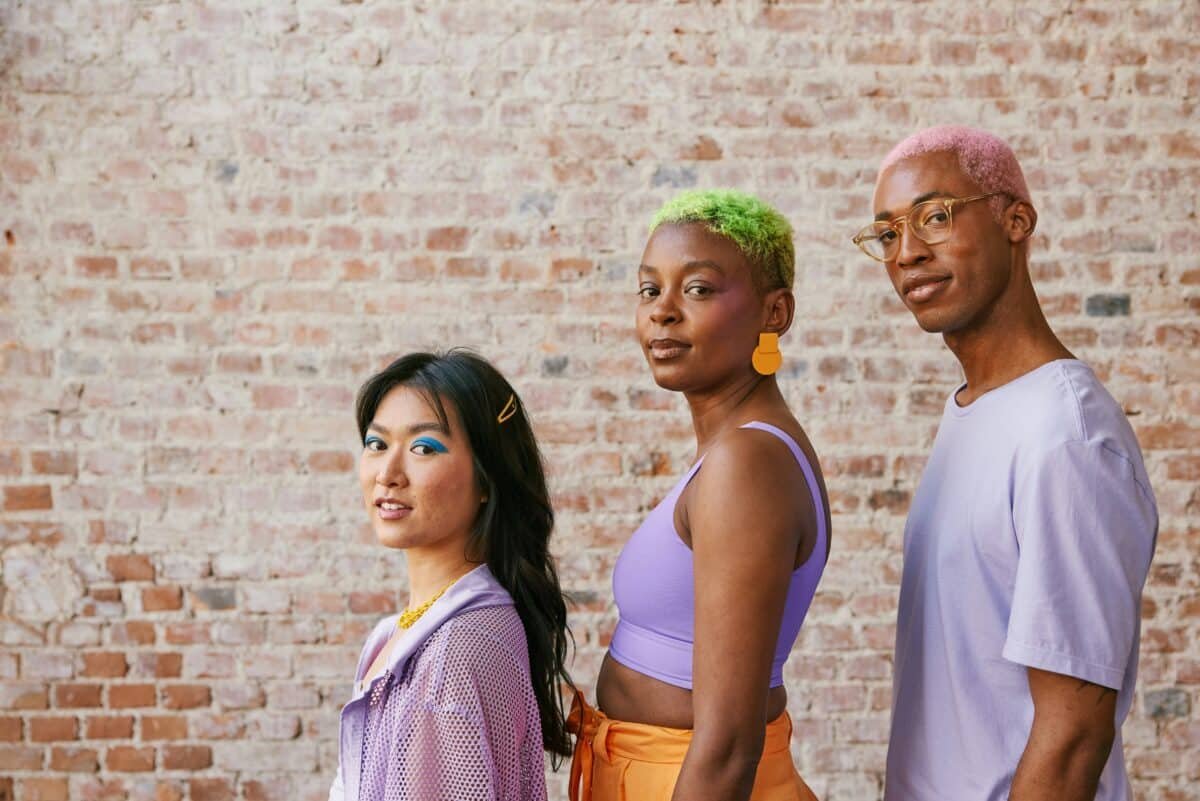
Gender-neutral fashion is quickly gaining momentum in the fashion world, breaking away from traditional gender norms and offering clothing that caters to all. The idea behind this style is to focus on versatility and inclusivity, creating pieces that can be worn by anyone, regardless of their gender. This growing trend reflects a broader shift toward acceptance and equality, with fashion playing a significant role in how individuals express themselves.

What Makes Gender-Neutral Fashion Unique?

Unlike traditional fashion, which often divides clothing into distinct categories for men and women, gender-neutral fashion embraces a more fluid approach. Clothing items such as oversized jackets, unisex t-shirts, and tailored pants are designed to fit a wide range of body types and personal styles. The focus is on comfort and freedom of expression rather than conforming to gender-specific ideals. By removing labels tied to traditional gender roles, these designs allow people to choose outfits that feel authentic to their individuality, without being confined by societal expectations.

This inclusivity is not just about aesthetics, but also about breaking down barriers that have long existed in the fashion industry. Designers and brands are increasingly recognizing that people want to wear what makes them feel good, not what society tells them is “appropriate” based on their gender. This shift is empowering individuals to embrace their personal identity, whether they identify as male, female, or non-binary.

The Rise of Gender-Neutral Fashion in the Mainstream

The rise of gender-neutral fashion is more than just a trend; it’s a cultural shift that’s slowly infiltrating mainstream media and everyday life. Major fashion houses and retail brands are incorporating gender-neutral options into their collections, acknowledging the changing needs of consumers. The inclusion of gender-neutral sections in stores, as well as the appearance of gender-fluid models on runways, demonstrates the growing acceptance of this movement.

Celebrities and influencers have also played a key role in promoting this fashion style. Their choice to wear gender-neutral clothing pieces has helped normalize the concept, making it more widely accepted among the general public. By rejecting the rigid gender boundaries that have long defined the industry, these figures are paving the way for others to follow.

Social media platforms have become powerful tools in amplifying the voices of individuals advocating for gender inclusivity in fashion. Many influencers, activists, and fashion enthusiasts share their experiences with gender-neutral styles, further fueling the demand for such clothing. This organic spread of ideas has contributed to making gender-neutral fashion a global movement.

How Gender-Neutral Fashion Benefits Society

The shift towards inclusive fashion offers multiple benefits, not just for the fashion industry but also for society as a whole. One of the key advantages is the empowerment it brings to people who have long felt marginalized or excluded by traditional gender-specific clothing. When individuals no longer have to conform to conventional norms, they can express themselves more freely and authentically, which can significantly improve mental health and well-being.

Gender-neutral fashion challenges the long-standing stereotypes that often limit personal expression. It encourages people to break free from societal expectations and explore clothing that aligns with their personality rather than their assigned gender role. This can lead to a more accepting and tolerant society where people are judged less by their appearance and more by their actions and character.

Another benefit is the environmental impact of gender-neutral fashion. By focusing on versatile pieces that can be worn by anyone, the demand for fast fashion—where garments are produced for specific genders in high quantities—is reduced. This sustainable approach helps lessen the strain on resources and promotes more eco-conscious practices in the fashion industry.

Challenges and Future of Gender-Neutral Fashion

While the movement towards gender-neutral fashion is gaining ground, there are still challenges to overcome. One major hurdle is the lack of widespread availability. Though more designers are embracing this inclusive approach, many stores still cater primarily to gendered clothing lines. This leaves consumers who want gender-neutral options with limited choices.

There remains some resistance from parts of the population who are attached to traditional gender roles and expectations. The fashion industry has long been dominated by gendered marketing, and changing this mindset takes time. However, as awareness grows and the demand for inclusive fashion continues to rise, it’s expected that more brands and designers will offer collections that appeal to a broader audience.

The future of gender-neutral fashion is undoubtedly bright. As more people embrace diversity and the fluidity of gender identity, the fashion industry will continue to adapt to meet these needs. With greater focus on personal expression and sustainability, this movement is poised to have a lasting impact on the way we perceive clothing and gender.